Kalamaki Beach Crete: Sand, Sunsets, Sea Turtles
Profile
Kalamaki Beach: Sand Shared With Nesting Sea Turtles
Greece | Crete | Heraklion | Libyan Sea Coast
The stretch of coast holding Kalamaki sits close enough to Matala that the hippie history of that neighboring cave settlement colors the whole area, even for visitors who never make the short trip over to see the caves themselves. Joni Mitchell lived in one of those caves in the early 1970s, and the song she wrote about her time there has kept Matala’s name circulating well beyond Crete for over fifty years. Kalamaki carries none of that particular fame, but it sits within the same stretch of southern coast, between the Minoan ruins at Phaistos and the caves that once housed a very different kind of visitor than the families I found settled along this sand.
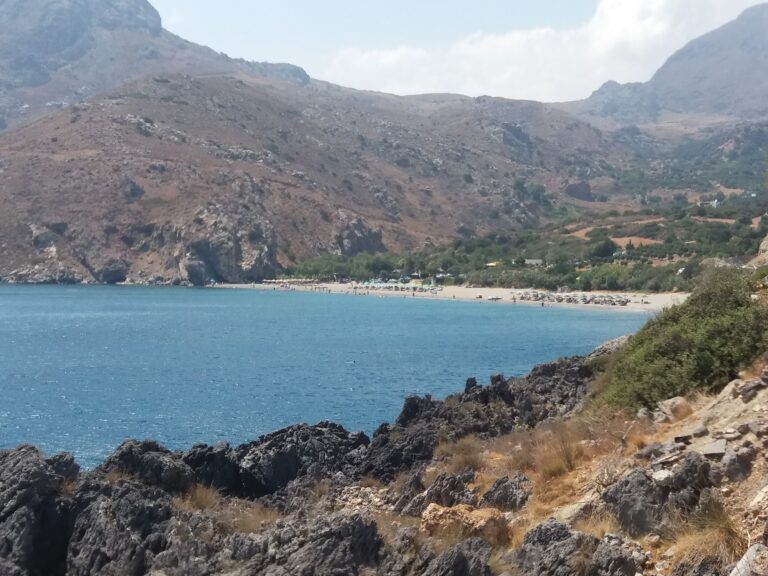
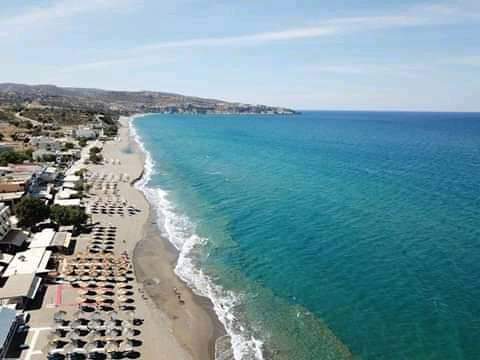
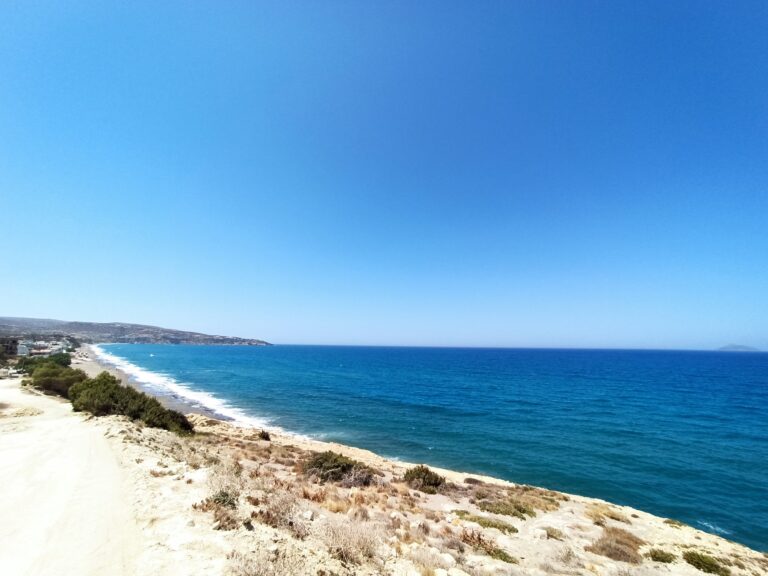
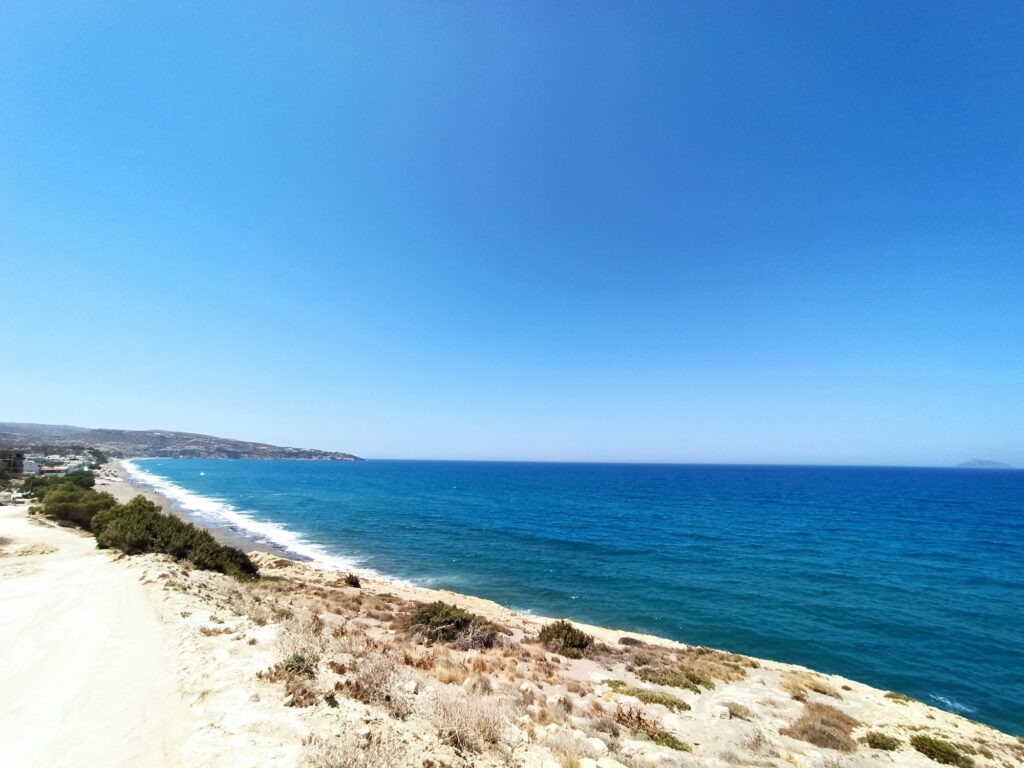
What Kalamaki has instead is space, a genuinely wide, open beach that never felt as concentrated or performed as the more famous name just up the coast.
Fine Sand Mixed With Fossil-Bearing Rock
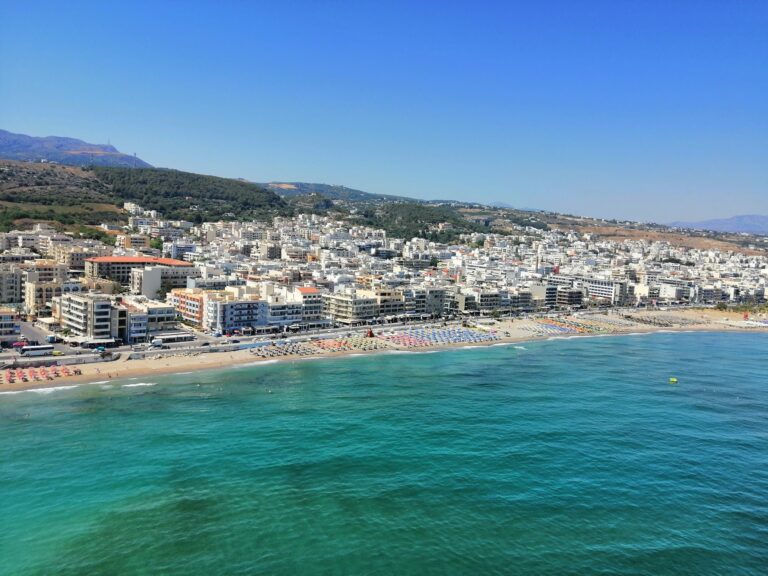
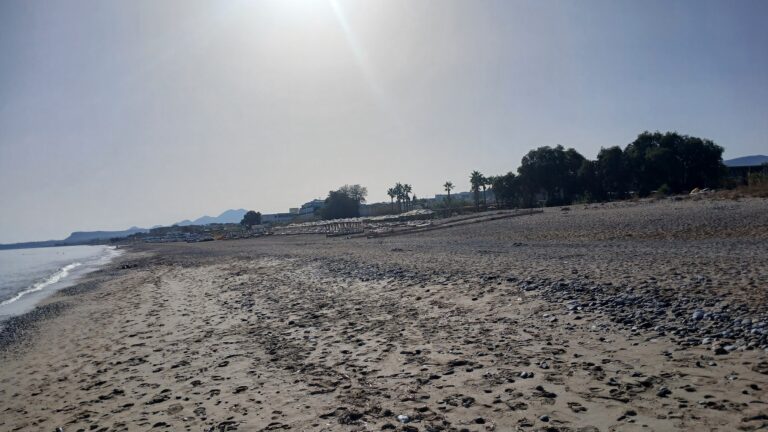
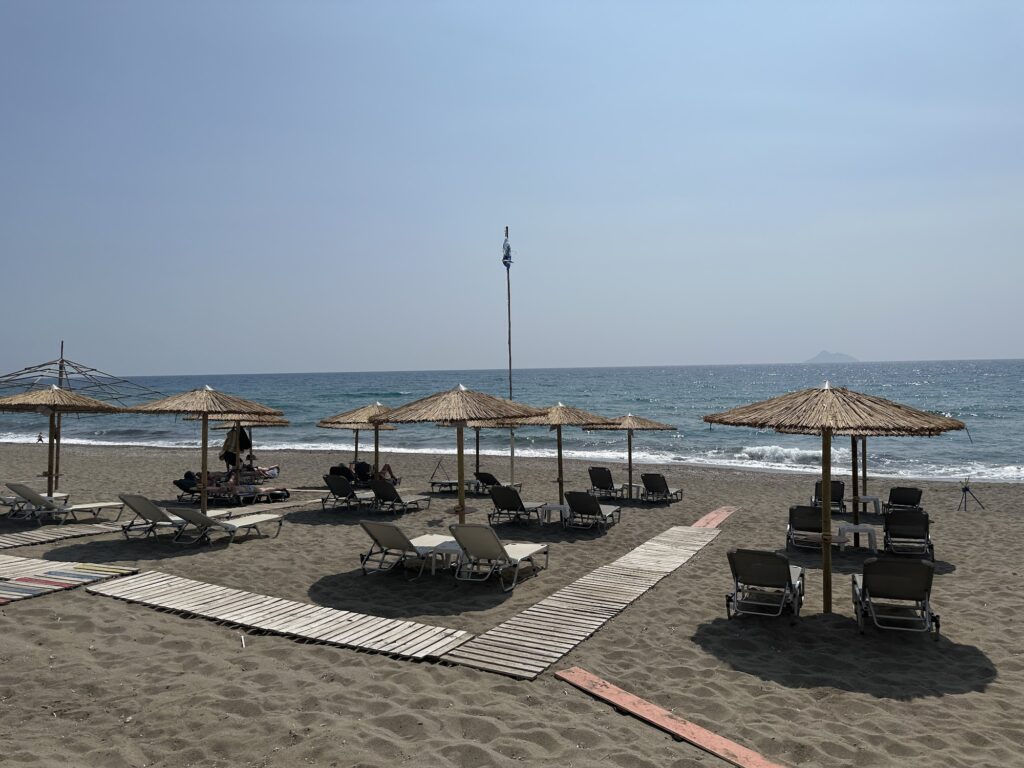
Kalamaki’s shoreline blends fine golden sand with flat rock formations near the water, and those rocks carry ancient fossils embedded in their surface, a detail that turned an ordinary walk along the tideline into something closer to an amateur geology lesson. The water itself deepens relatively quickly once past the shoreline, clear enough that I could track the seabed well past where visibility usually gives out, shifting from a bright turquoise near the sand into a deep indigo further from shore.
That quicker drop-off means I’d recommend closer supervision for young children here than at the more gradually sloping beaches I’ve found elsewhere on Crete, though the width of the beach itself gives plenty of room to stay in shallower water without needing to swim far from where the rocks and sand meet.
A Nesting Ground the Beach Is Built Around
Kalamaki holds recognized status as a nesting ground for the loggerhead sea turtle, Caretta caretta, and that protection shapes the beach in ways I noticed almost immediately, sunbeds kept clear of certain marked sections, lighting along the promenade dimmer than I’d expect at an equivalent beach elsewhere, care taken generally to avoid disturbing whatever might be buried beneath the sand during nesting season. Given this protected status, I’d expect dogs to face real restrictions here beyond the standard leash rule that applies at most unorganized Greek beaches, since turtle nesting sites commonly prohibit dogs outright during the nesting months to avoid disturbing eggs or hatchlings, and I’d check current signage or with a local beach operator before bringing one along.
Beachfront Cafés Built for Working, Not Just Swimming
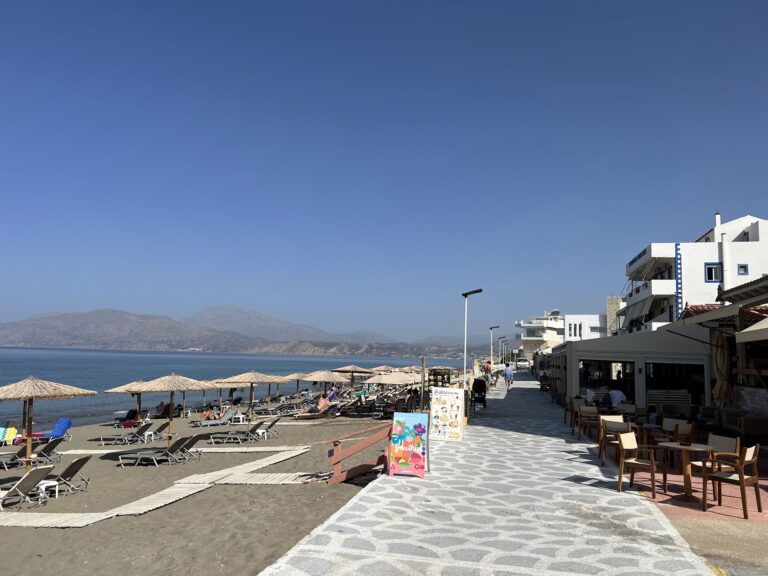
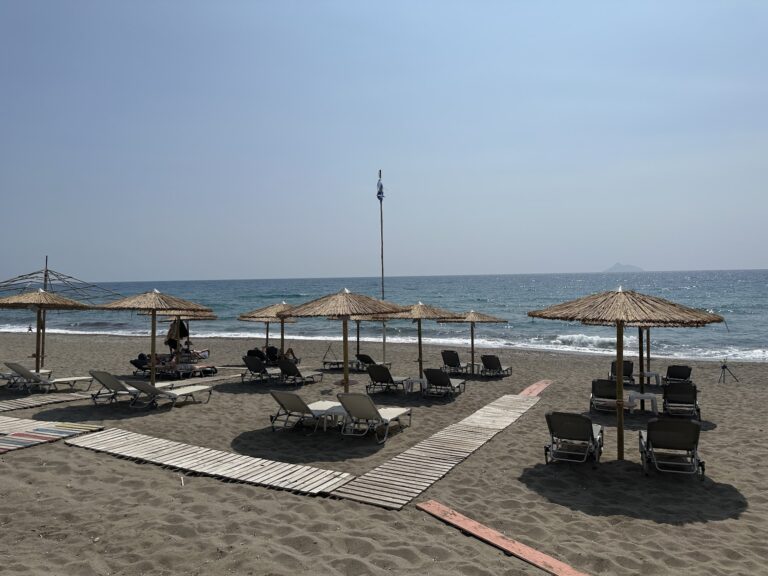
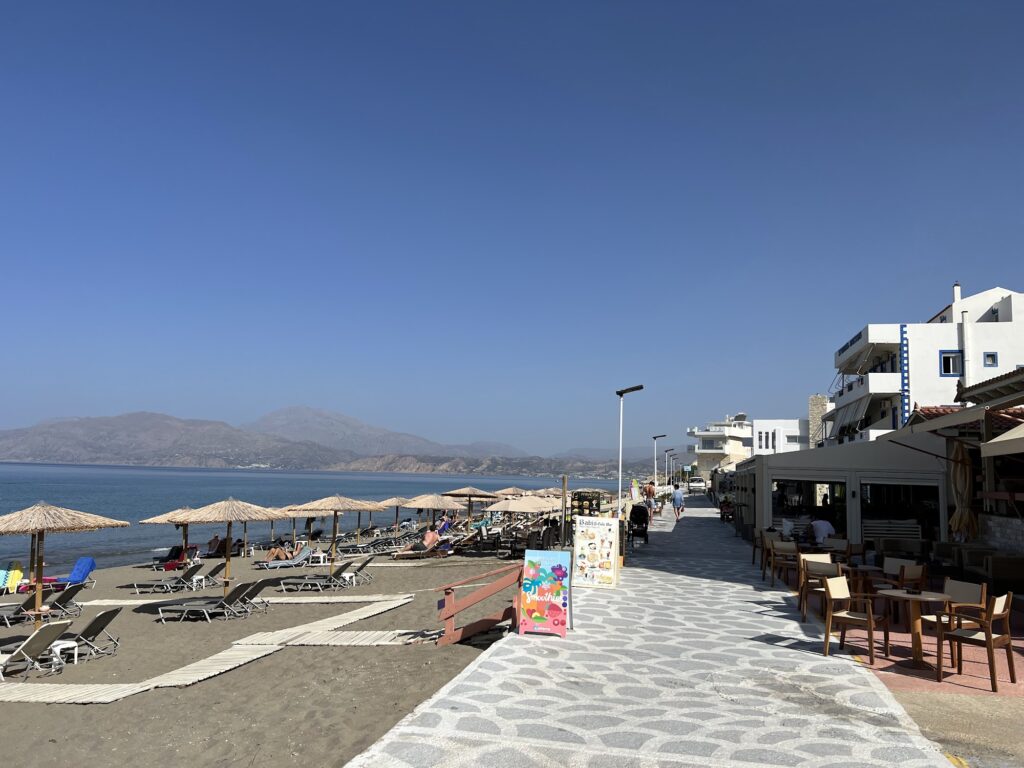
The central section of Kalamaki carries a modest run of beachfront cafés managing sunbeds and umbrellas, service relaxed rather than showy, and I found more than one of these cafés equipped with genuinely reliable Wi-Fi and comfortable seating, clearly catering to visitors happy to spend a working morning with a view of the Libyan Sea before shifting into an afternoon swim. Changing cabins, showers, and restroom facilities cover the basics, maintained consistently through the season by a mix of private operators and local authorities.
Tavernas Serving Messara Plain Produce
Behind the beach, a paved promenade runs past traditional tavernas and contemporary bistros, and the kitchens here lean on organic produce grown in the nearby Messara plain, one of Crete’s most fertile agricultural regions, alongside fresh-caught seafood. I ate well at more than one table along this stretch, the cooking straightforward and clearly reliant on what the surrounding farmland was actually producing that week rather than anything shipped in from further afield.
Watching the Sun Drop Behind the Paximadia Islands
Because Kalamaki faces west, it offers one of the more distinctive sunset views I found on this part of Crete, the sun dropping directly behind the small, uninhabited Paximadia Islands sitting just offshore. I timed an evening specifically around this, walking the tideline as the light shifted, and found the beach’s openness gave the whole sunset a scale that more enclosed coves further along this coast simply can’t match.
Getting There: An Hour and a Quarter From Heraklion
Kalamaki sits roughly 65 kilometers south of Heraklion, a drive of about an hour and fifteen minutes following the main road toward Moires and Timbaki before clear signs point the rest of the way toward Kalamaki and Kamilari. I found the route straightforward, cutting through Crete’s agricultural interior before the landscape opened up toward the southern coast.
Buses to Kamilari and the Final Stretch by Taxi
Regional KTEL buses run frequently from Heraklion’s central station to the nearby village of Kamilari or the town of Timbaki, and from either point, a short taxi ride or a longer walk covers the remaining distance to the beach itself. I used the bus once and found the connection manageable, though I’d recommend arranging a taxi for the final stretch rather than committing to the walk in full midday heat.
A Scenic Route From Rethymno Through Spili
For anyone based in Rethymno, Kalamaki sits about 55 kilometers away, roughly an hour’s drive via the mountain route through Spili, and I found this road genuinely worth the time on its own, winding through Crete’s interior in a way that made the eventual arrival at the coast feel earned rather than simply reached.
Parking at Either End of the Village
Free parking runs in open lots at both ends of the village and along side roads leading to the water, and arriving before eleven gave me an easier choice of spot closest to the central promenade, well ahead of the midday crowd that builds steadily through late morning.
Comparing Kalamaki to Its Neighbors Along the Messara Bay
Kalamaki sits close enough to Kommos Beach Crete that the two effectively share the same bay, though Kommos carries its own separate Minoan-era archaeological significance as a former port site, while Kalamaki’s identity leans more on its turtle nesting status and its fossil-bearing rocks. Elsewhere on the island, Malia Beach Crete offers a useful contrast in scale and energy, a considerably busier, more resort-driven stretch of coast compared to Kalamaki’s quieter, protected character.
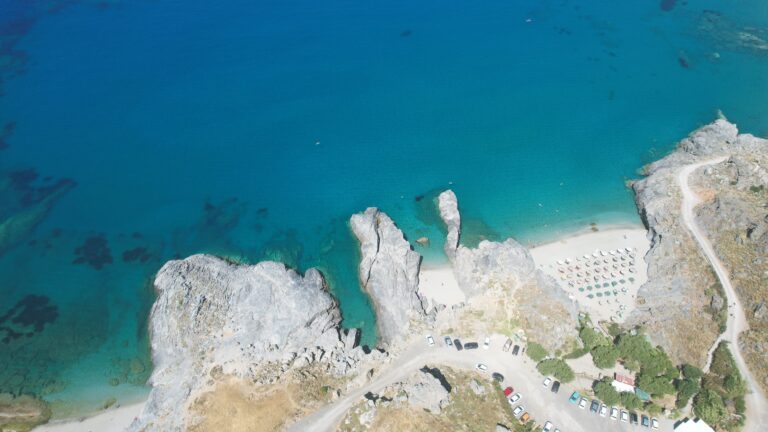
For visitors drawn to Crete’s more dramatic rock formations, Seitan Limania Beach Crete provides a sharp contrast too, trading Kalamaki’s wide, open sand for a narrow, cliff-framed cove entirely different in both scale and swimming conditions.
An Evening Walk Past the Quiet, Protected Sand
By the time I finished my last evening at Kalamaki, the sun had dropped behind the Paximadia Islands and the promenade’s lights had dimmed to whatever level the turtle nesting protections required, the beach settling into a hush that felt entirely appropriate for a stretch of sand doing double duty as both a holiday destination and a nursery for something considerably older and more vulnerable than any of us walking along it.
Map
Sorry, no records were found. Please adjust your search criteria and try again.
Sorry, unable to load the Maps API.
Near by places: