Shell Cemetery, Ankaran: One of Only Two in Europe
Profile
The Shell Cemetery, Ankaran: One of Only Two Places Like This in Europe
Slovenia | Ankaran | Slovenian Istria
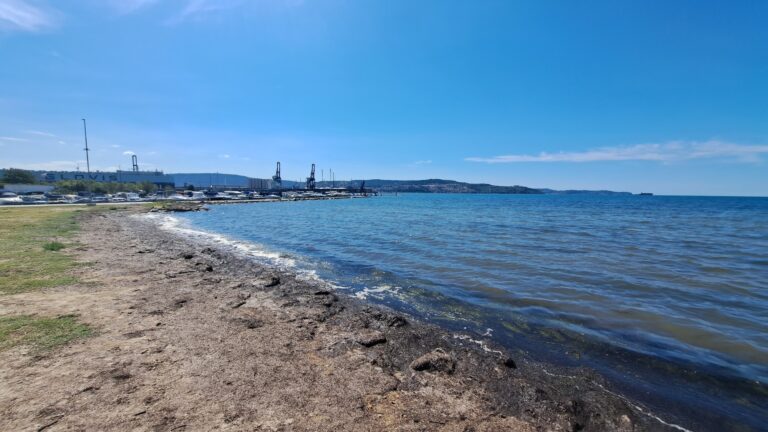
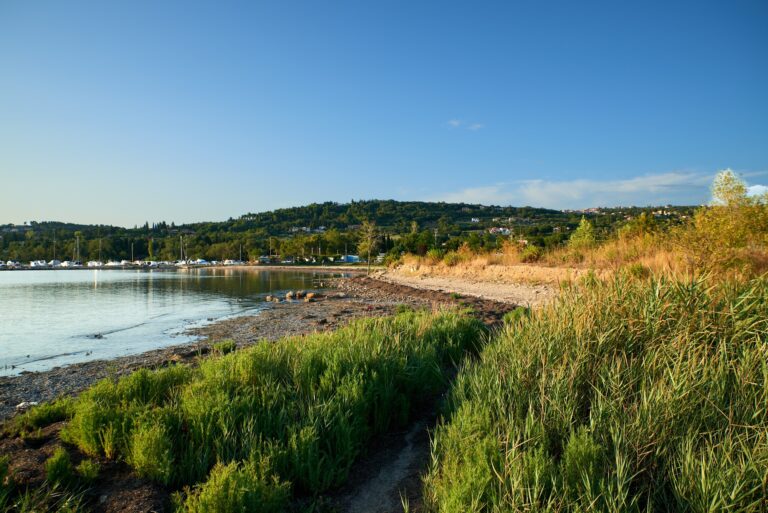
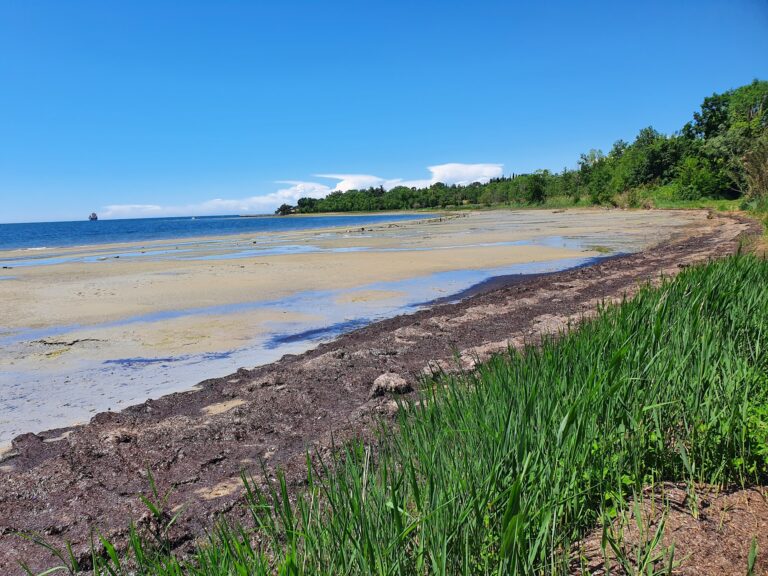
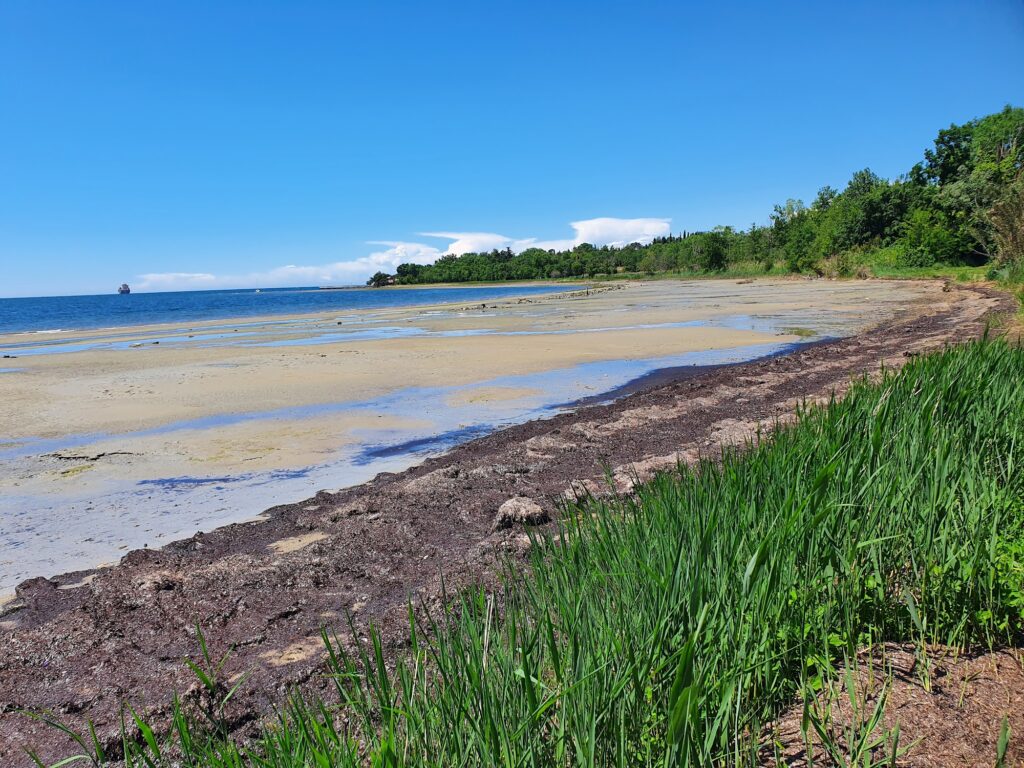
I’d read the name “Shell Cemetery” beforehand and pictured something a little more dramatic than what I actually found, which was a fairly short stretch — 170 metres, by the measurements I checked afterward — of coastline where the ground underfoot is shells rather than sand or stone. Once I adjusted to that scale, though, the place earned its reputation. This is, as far as I could find out, one of only two known shell dunes in the whole of Europe, the other being smaller and in Spain, which makes this odd little corner of the Slovenian coast genuinely rarer than its modest size suggests.
The story of how it got here is mundane and a bit funny once you know it. In the 1990s, the Port of Koper dredged the seabed to build its second pier, and the silt they pumped out ended up dumped near the mouth of the Rižana river, not far from where I was standing. Rain did the rest over the following years, slowly washing the mud away from the dredged piles and leaving behind nothing but the calcified shells of the molluscs that had been living in that seabed — millions of them, eventually compacting into the low dune that’s there today. Nobody designed this. It’s an accident the weather finished off, which I think is part of why it feels so strange to walk through.
Researchers have catalogued 234 different species of snail and shellfish here, and even without knowing the names I could see the variety underfoot — smooth scallop shapes, spiral cones, broken fragments in shades from chalk-white to faint pink. I’m told the more dedicated shell hunters look specifically for things called peter’s ear, pelican’s foot, and something locals call the prickly wolf, though I couldn’t have identified any of them myself without someone pointing it out. I left everything where I found it; the local council asks visitors specifically not to take shells away, and given how finite and accidental this whole dune is, that felt like an easy rule to respect.
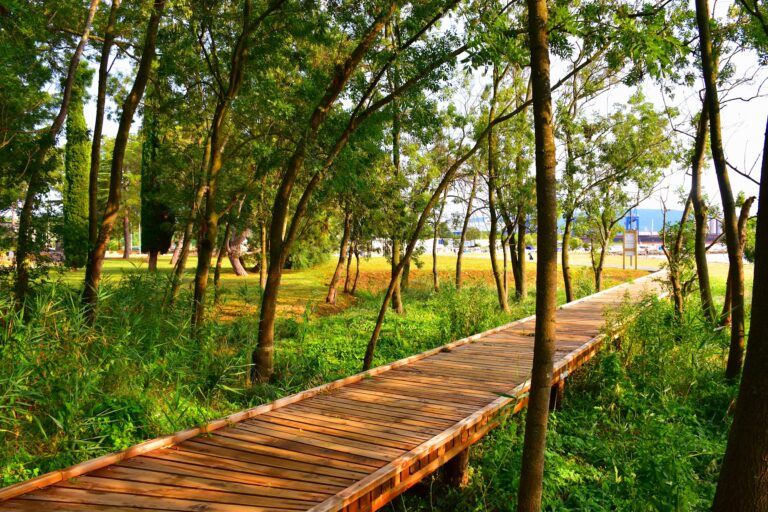
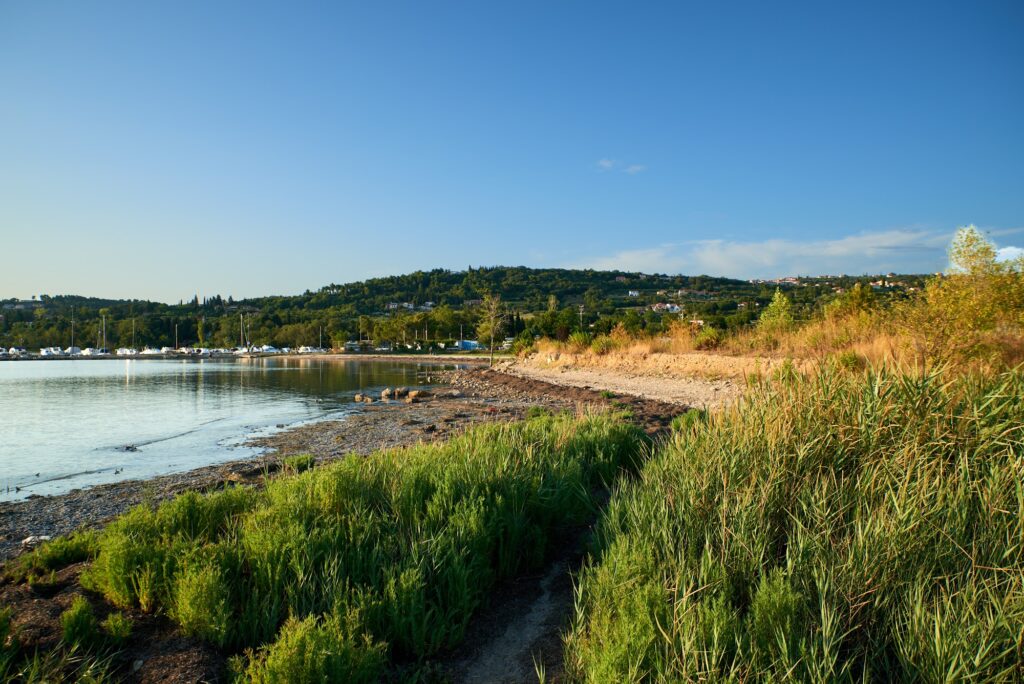
I’ll be honest that the walk wasn’t quite the postcard experience some of the photos suggest. The ground is genuinely muddy in patches, the path along the edge of the dune is uneven and, in places, a bit overgrown and neglected rather than maintained, and I was glad I’d worn proper shoes rather than sandals — there are sharp broken shells and the odd stone mixed in, and bare feet would have regretted it within a few steps. None of that put me off. It just meant I treated the visit as a walk and a curiosity rather than a beach day, which is exactly what it’s suited for.
Across the water, the cranes and container stacks of the Port of Koper’s third terminal sit in plain view the entire time, an odd, almost deliberate-feeling juxtaposition between this fragile little accident of nature and the very industry that created it. I didn’t find that ugly so much as honest — there’s no pretending this place exists in some untouched wilderness, and I appreciated that the description didn’t try to hide the port from view.
Getting There: A Short Drive From Koper, Past St Katherine
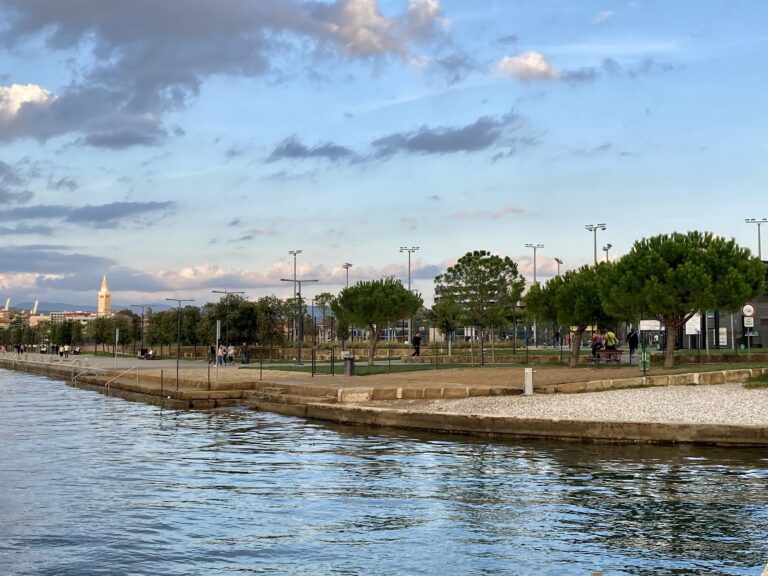
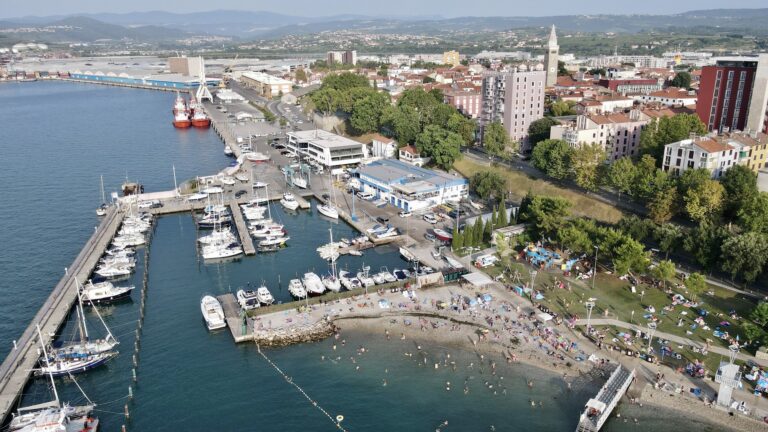
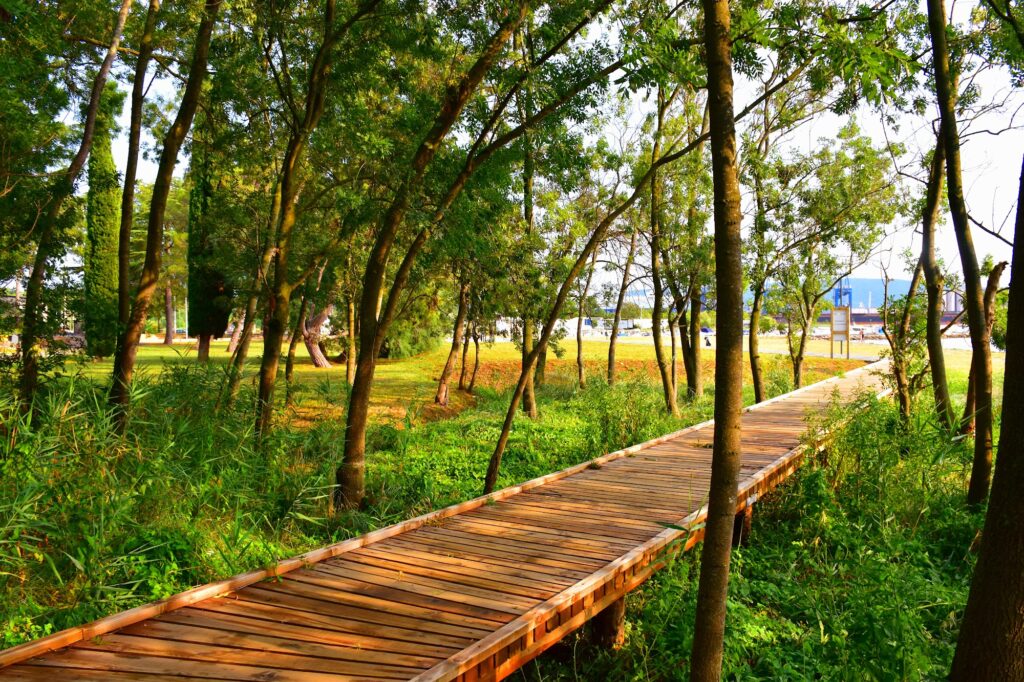
I drove out from Koper along the main road toward Ankaran, and the turn I needed came at the signpost for Sv. Katarina, a few hundred metres past what looked like a barracks and opposite a car wash — not the most scenic landmark to navigate by, but unmistakable once I was looking for it. From there, a side road led to a small marina and a football pitch where I left the car, and a flat walking trail along the eastern edge of the marina brought me to the dune itself in well under ten minutes.
By bus, the journey from central Koper or other towns along the Littoral runs to Ankaran, and from the bus stop it’s roughly a ten-to-fifteen-minute walk down Jadranska cesta toward the sea. A taxi or rideshare covers the same distance in a few minutes if walking doesn’t appeal, and the fare from most points on this stretch of coast shouldn’t run more than the cost of a casual lunch.
What to Bring, and What Not to Expect
There’s nothing here in the way of facilities, and I mean that plainly rather than as a charming rustic detail — no toilets, no showers, no kiosk selling water if you forget to bring your own. I’d pack exactly what I’d pack for any short nature walk: water, decent shoes, sun protection if it’s a clear day, since there’s very little shade along the dune itself.
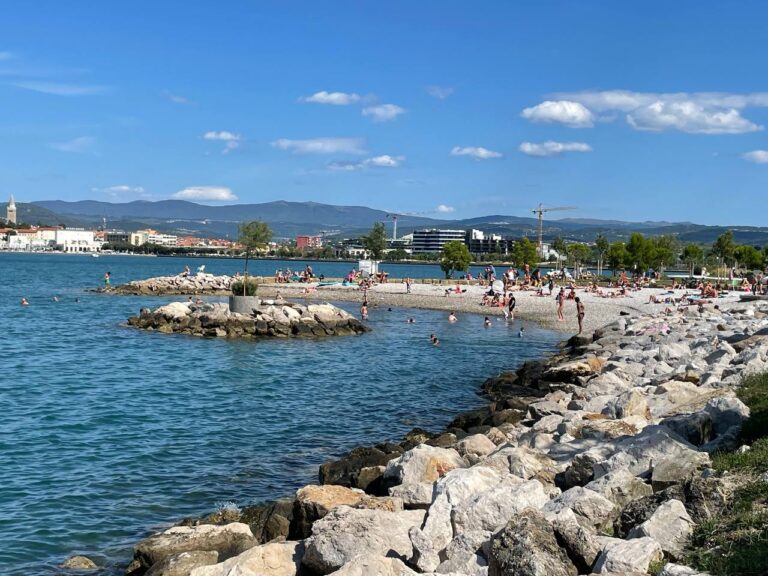
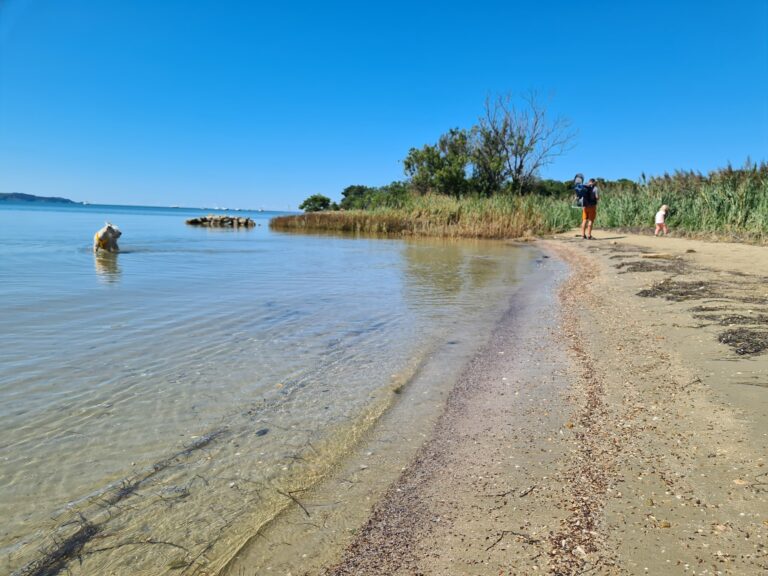
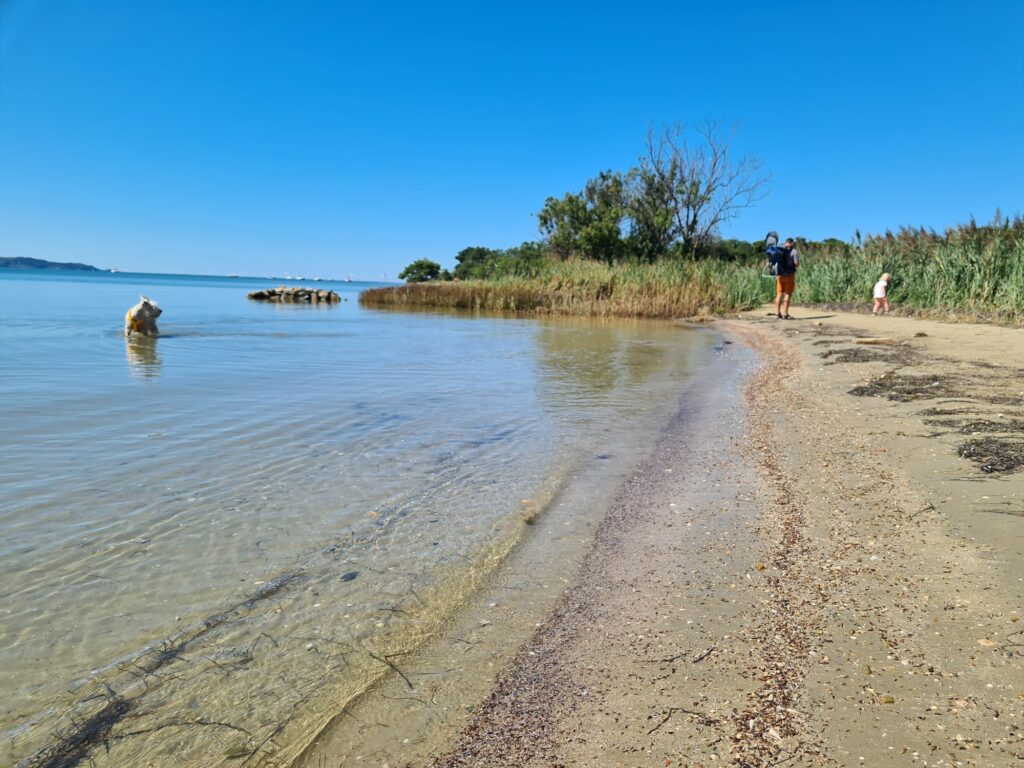
This also isn’t a swimming beach in any conventional sense. The water nearby is shallow and the bottom muddy rather than sandy, and I didn’t see anyone actually going in for a proper swim while I was there — people came to look, to photograph, to let kids dig through the shells, not to spend an afternoon floating in the sea. If a swim is the actual goal for the day, I’d save that for one of the proper town beaches nearby and treat the Shell Cemetery as the detour it’s built to be — an hour, maybe two if you’re patient and curious about the wildlife.
Birdwatchers, I’m told, do well here too, particularly later in the year. Swans pass through the bay in autumn on their way along the coast, and the wider marsh and shallow water support enough birdlife that I saw more than one person with binoculars and a notebook working the edge of the dune rather than the shells themselves.
The Shell Cemetery between Koper and Ankaran is a 170-metre stretch of coastline made almost entirely of shells, one of only two known shell dunes anywhere in Europe, created by accident in the 1990s when port dredging silt was left to wash clean by years of rain. More than 230 species of mollusc have been identified here, and the ground crunches with their remains the entire walk. It’s muddy, a little uneven, and not a swimming beach — but it’s also genuinely unlike anywhere else I’ve walked on this coast, and worth the short detour from Koper or Ankaran for exactly that reason. Bring proper shoes, leave the shells where you find them, and treat it as a curious hour rather than a full beach day.
Drive or bus out to Ankaran, turning at the Sv. Katarina signpost. Wear shoes that can handle mud and broken shell. Save your actual swim for a proper beach nearby, and come here for the strangeness instead.
Map
Sorry, no records were found. Please adjust your search criteria and try again.
Sorry, unable to load the Maps API.
Near by places: