Nea Chora Beach Chania: City Shore With Sardine Festival
Profile
Nea Chora Beach, Chania, Crete: The City Beach 15 Minutes on Foot From the Venetian Harbour, With the Annual Sardine Festival in the First Ten Days of September
Greece | Nea Chora | Chania Municipality, Crete
Nea Chora has a rich historical background, being the first part of modern Chania to be built outside the Venetian fortification walls in the early 18th century.
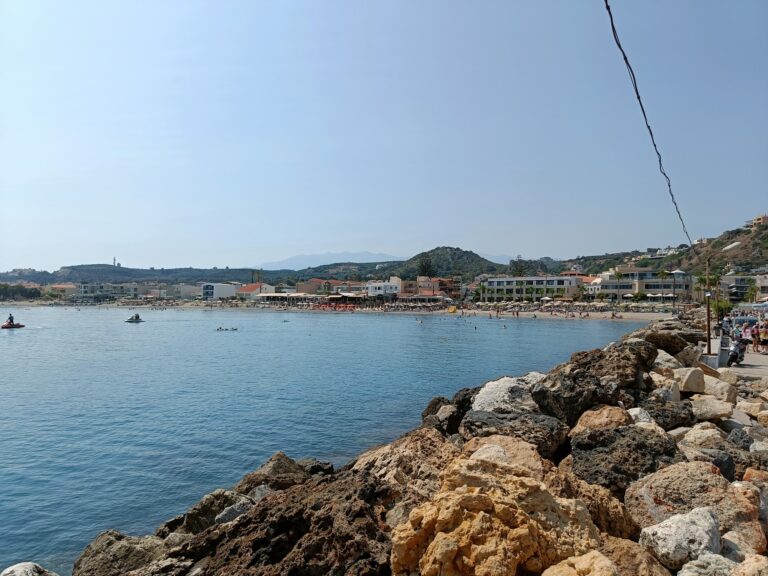
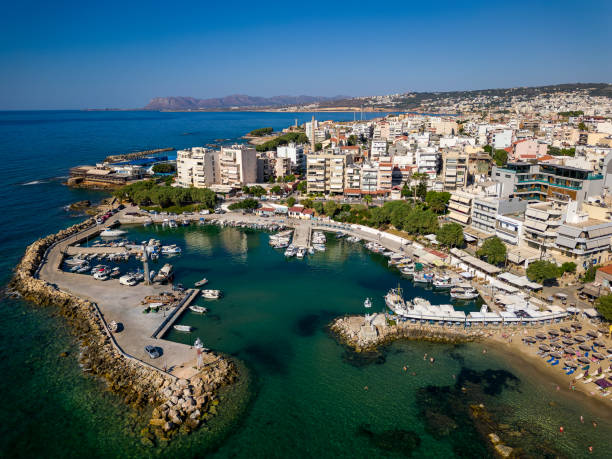
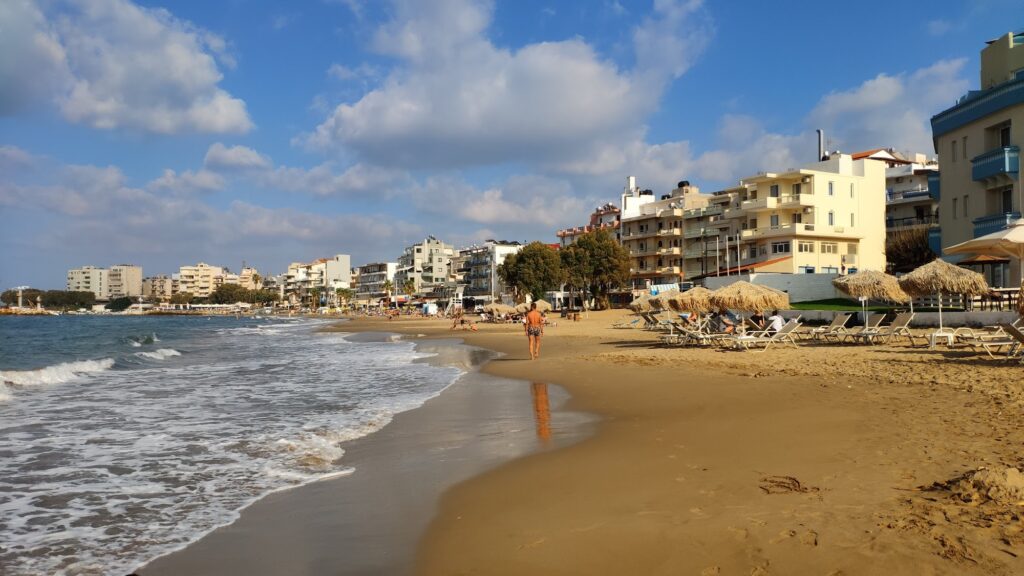
The nice sandy beach of Nea Chora lies in the north western part of Crete, right at the beautiful historical city of Chania, approximately 144 km west of the capital city of Heraklion. Nea Chora, a picturesque sandy beach, lies just a kilometre west of Chania city centre along Akti Papanikoli Street, opposite the Lazaretta islet. A short 15-minute stroll from Chania’s old harbour.
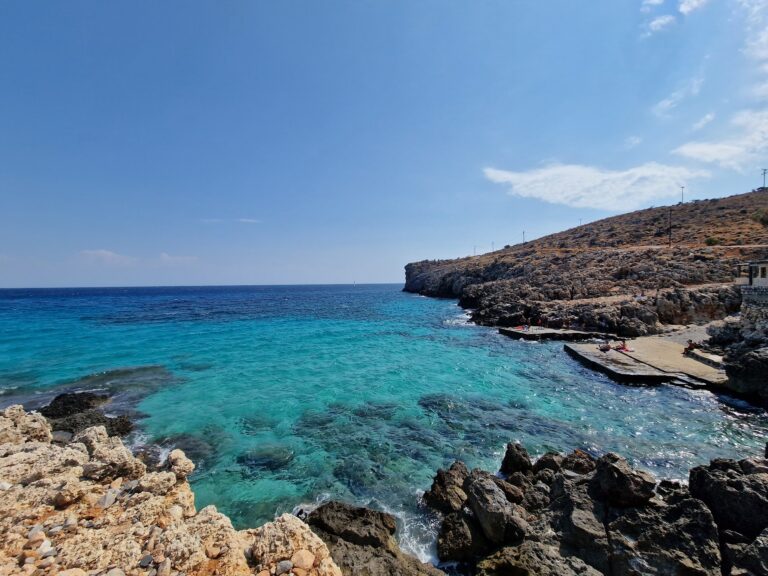
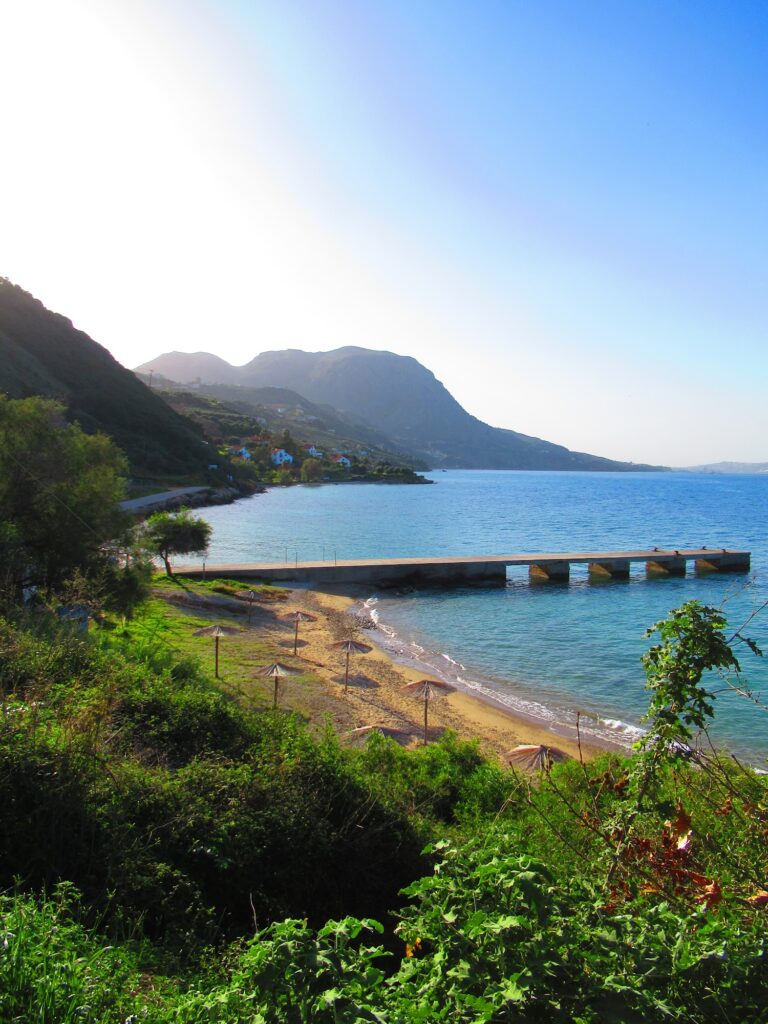
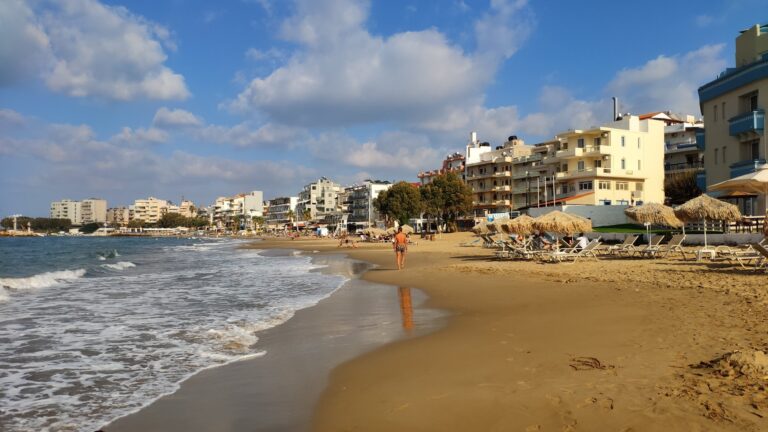
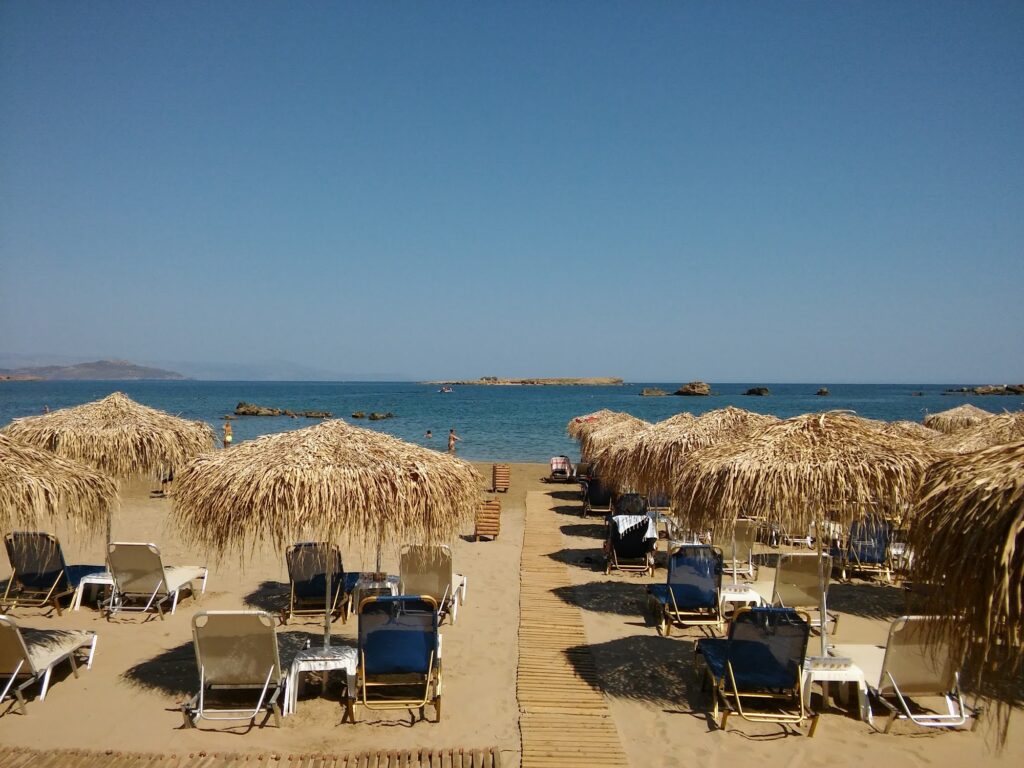
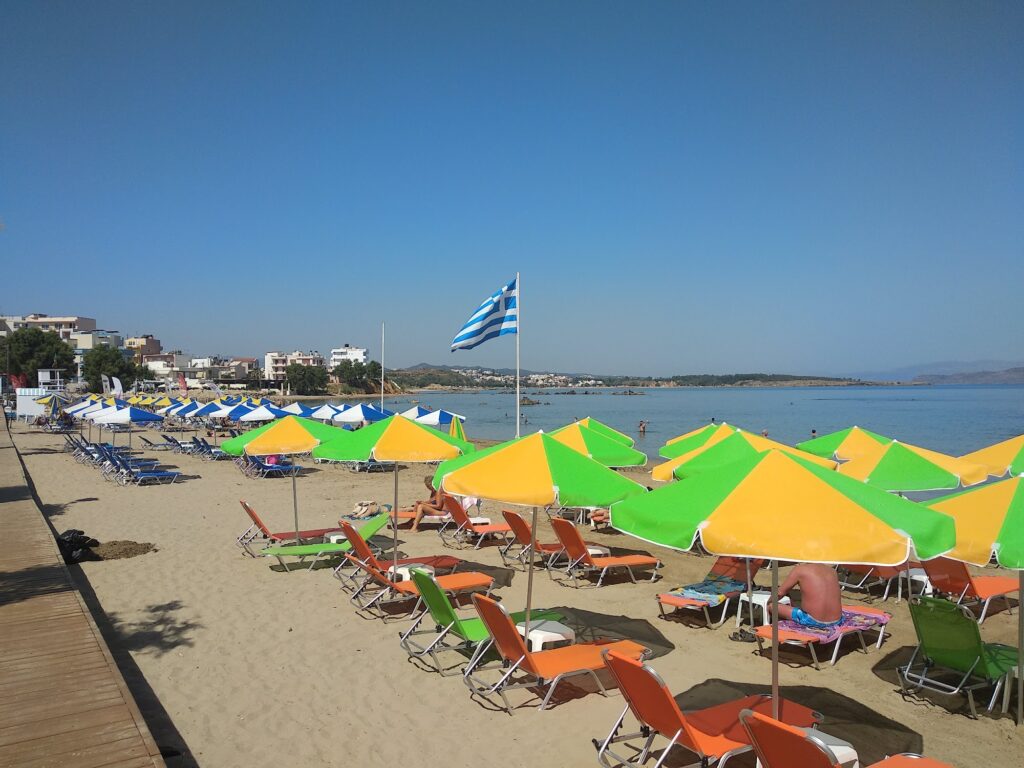
The beach of Nea Chora is covered by smooth sand and has a gradual entry into the sea which is crystal-clear and blue shining. However, the first metres of the sea bottom are made by pebbles — it is therefore recommended to wear bathing shoes, especially for children. Otherwise, the beach is very pleasant for relaxing as well as for children’s fun because there are seldom big waves occurring on the coast.
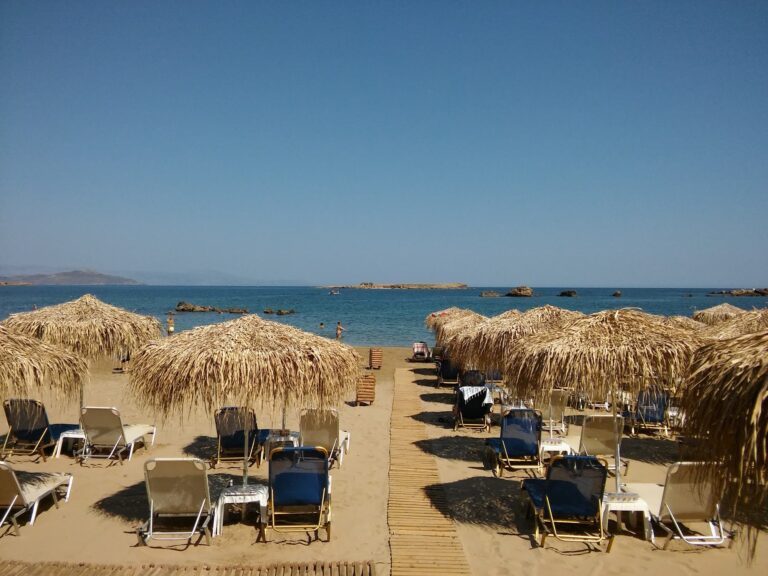
The rocks visible offshore are not decorative. The rocks located 200m away from the coast protect this beach from the bad weather and Meltemi wind. The natural breakwater 200 metres out is why the sea remains calm at Nea Chora when wind conditions elsewhere in Chania Bay are less comfortable.
Getting There: 15 Minutes on Foot From the Venetian Harbour, West Along the Coastal Road — or by Local Bus
Nea Chora Beach lies west of the centre and harbour of the lively and popular city of Chania. In many aspects, Nea Chora is a typical city beach — it lies within walking distance of the city centre. The tourists who are not accommodated in Chania can reach the beach by public transport or car.
Nea Chora beach is accessible on foot, by walking towards the west on the coastal road from the Venetian Port of Chania, through the Western Trench. You can also access the beach by taxi, car or bike.
City buses serve the Nea Chora area from the main bus stops near 1866 Square. Street parking is available along the beach road, though spaces are limited in the evenings. The large public parking lot near the swimming pool at the western end of the beach is the practical alternative.
The Sunbeds: Mostly Free With a Taverna Order — and the Tavernas Are Good
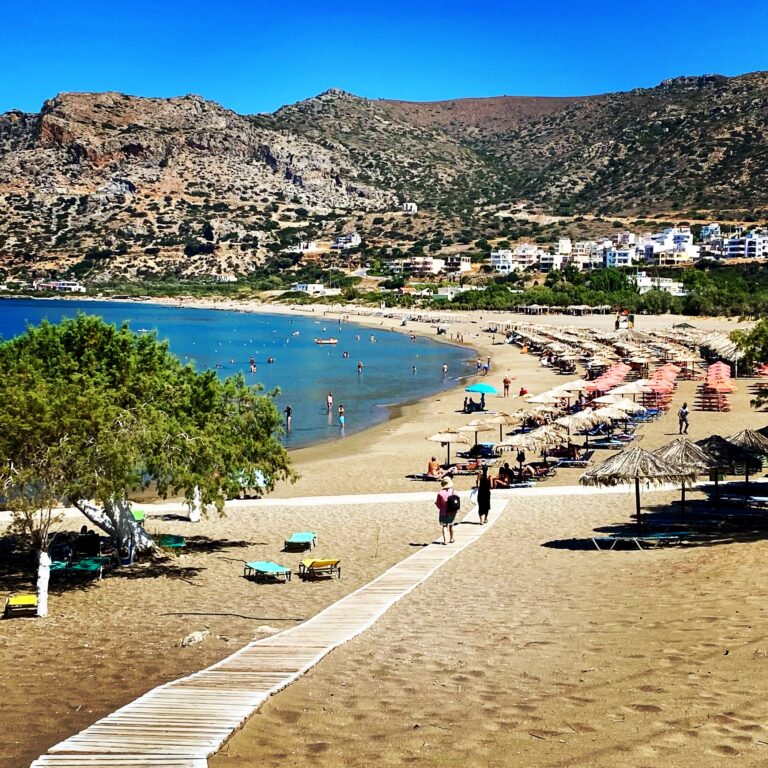
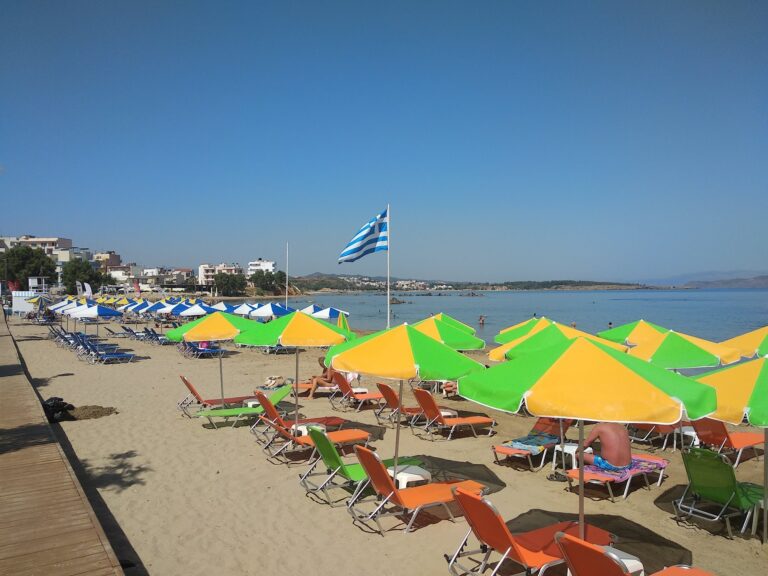
Lovely sandy beach, crystal clear sea — you can see the fishes and sand at the bottom of the ocean. Also, if you consume something at the tavernas which normally have their sunbeds and umbrellas there, there is no charge for that.
The consumption-based sunbed model works specifically well at Nea Chora because the fish tavernas that operate the sunbeds are genuinely worth ordering from. The beach is well-organized and offers very good touristic services including sunbeds with umbrellas, showers, beach sports playgrounds, snack kiosks, cafes or nice and pleasant tavernas. Especially the tavernas are known for the delicate fish meals, which makes them very popular also among the locals.
Ta Kalamakia — 1.2 kilometres from the beach, 5-minute walk — is the consistently recommended fish taverna in the area.
The Sardine Festival: First Ten Days of September, Free Sardines, Music and Dancing, Organised by the Municipality
Every summer, during the first ten days of September, the Municipality of Chania organizes the Sardine Festival on the beach of Nea Chora that attracts thousands of visitors providing them with free fish.
The Sardine Festival is being organized at the beach of Nea Chora by the municipality of Chania as well as various social and cultural institutions of Nea Chora, offering free sardines, wine, dance and music.
The specific timing matters for planning. The festival takes place September 1–10, though the exact days shift slightly year to year. The festival is free and open to all — the municipal character of it keeps it genuinely local rather than tourist-facing.
The Old Soap Factory Chimney and the Lazaretta Islet
East of the beach, you can still spot the old soap factory’s towering chimney and the former sanatorium of Chania. The soap factory chimney is the specific industrial landmark visible from the eastern end of the beach — a tall 19th-century structure belonging to the old soap works that once operated in this part of Chania.
The nearby Lazaretta islet offers a picturesque view across the sea. The Lazaretta (small islet off the beach to the east) is part of the same visual framing that makes the view from Nea Chora feel complete — Venetian harbour to the east, old soap factory chimney to the south, the islet offshore, and the Cretan Sea to the north.
The Kladisos River Beach: The Wild Extension West
A second beach is shaped beyond the river Kladisos and extending up to Aptera beach. Kladisos beach is a nice long sandy (and pebbly in places) bay. Despite the fact that this is very close to Chania and it is very nice, this beach is secluded and not organised. The easiest way to access the beach is by crossing the Kladisos river, using the pedestrian bridge.
The Kladisos beach on the western side of the river is the unorganised continuation — the wild extension of Nea Chora for visitors who want the same proximity to the city but without the sunbed infrastructure.
Nea Chora Beach in Chania, Crete is the city beach 1 kilometre west of the centre — 15 minutes on foot from the Venetian Harbour, rocky islets 200 metres offshore protecting from the Meltemi, rocky pebble entry (water shoes recommended), sandy throughout after the entry, fish tavernas with consumption-based free sunbeds, the annual Sardine Festival in the first ten days of September (free sardines, wine, music, dancing), the old soap factory chimney visible to the east, and the unorganised Kladisos beach across the pedestrian bridge to the west.
Walk from the harbour. Order fish. Stay for the sardines in September.
Map
Sorry, no records were found. Please adjust your search criteria and try again.
Sorry, unable to load the Maps API.
Near by places: