Koum Kapi Beach Chania: Urban Shore Below the Promenade
Profile
Koum Kapi Beach, Chania, Crete: The 1km Beach Below the Promenade Where the Bedouin Quarter Stood, Named After the Venetian Gate of Sand, Now the Young Locals’ Favourite Evening Coast
Greece | Koum Kapi | Chania Municipality, Crete
Kum Kapi is located at the east end of the picturesque port of Chania, in front of the historic district of Bedouins, who used to live here in huts made of rushes during the Ottoman era. They were African economic immigrants, who firstly arrived on the island as slaves.
Koum Kapi neighbourhood got its name from the Turkish word “Kum Kapisi”, which means “Gate of Sand”. The Gate of Sand, or “Sabbionara“, which was its original Venetian name, was a big gate on the eastern end of the old walls of Chania city, which led to a beautiful sandy beach.
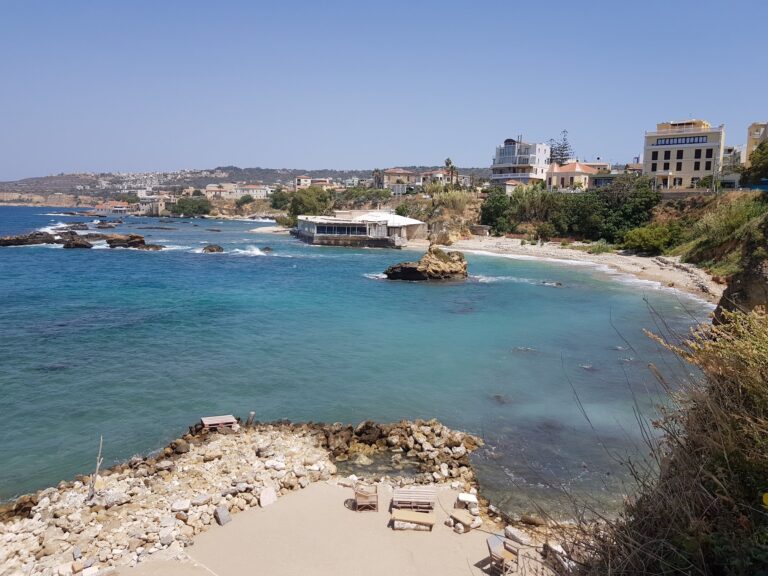
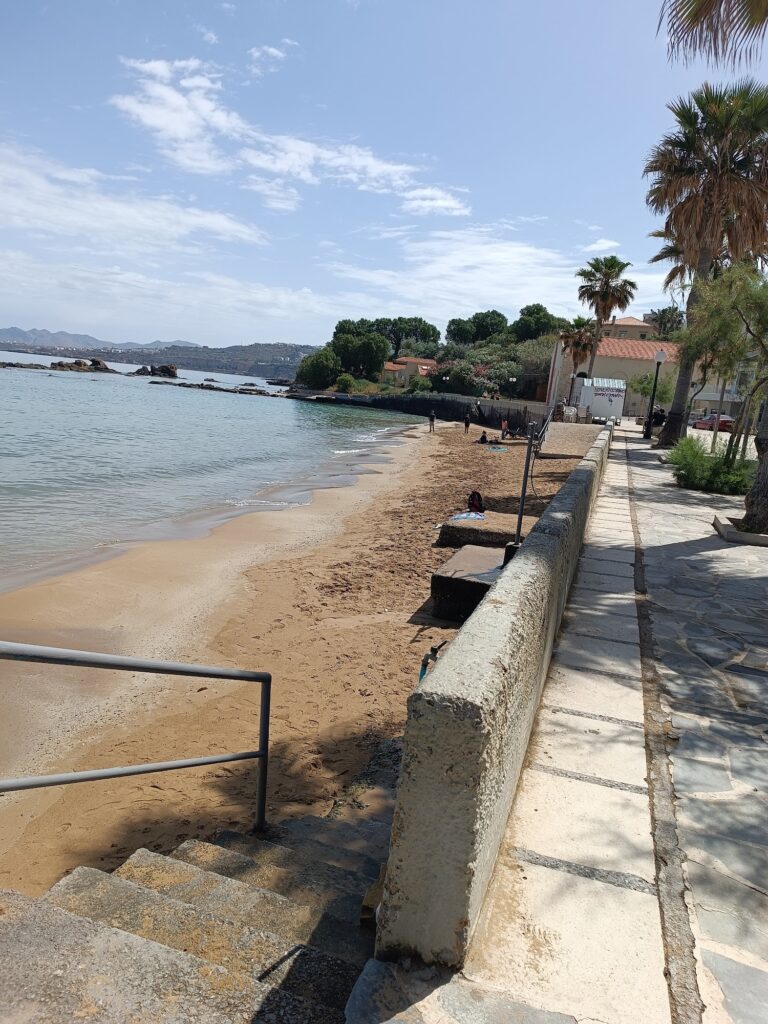
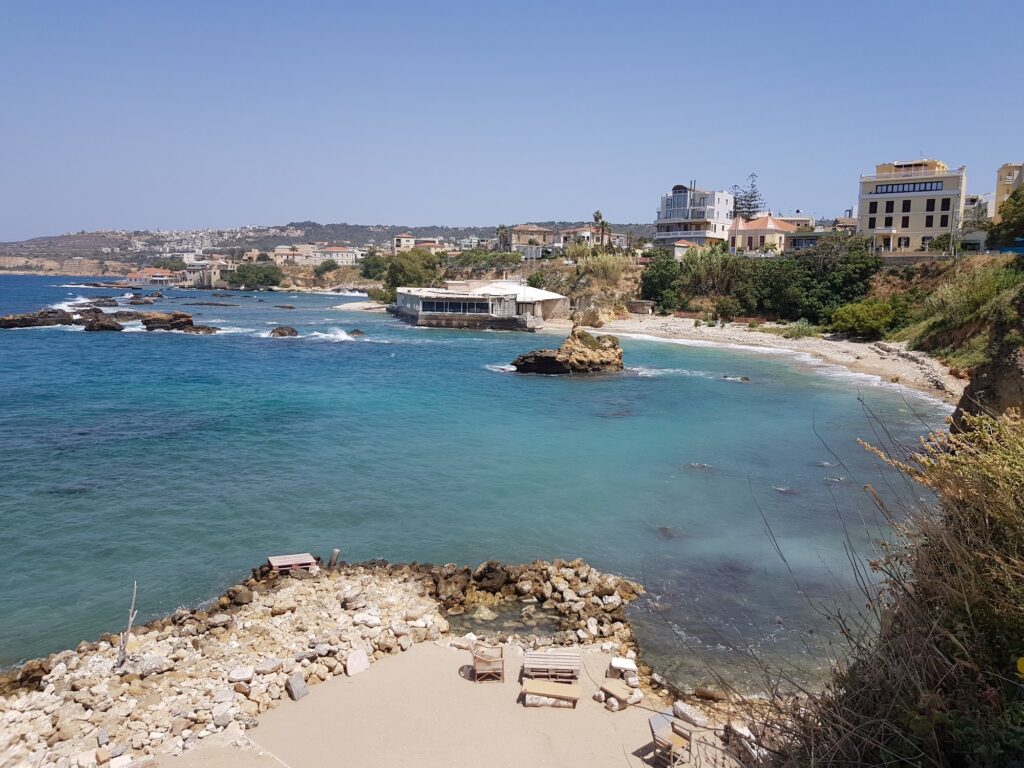
After only about 200 metres from the Old Venetian Harbour, you find a small beach, Koum Kapi beach, lying about 2 metres lower than the coastal promenade. On the western edge of the beach, which you reach first, there is an impressive Venetian bastion built right on the sea, on which you can still see the big Venetian Lion Coat of Arms. This is the Sabbionara Bastion, which, along with the Sabbionara Gate, lying a few metres inland, was built in late 16th century, in order to protect the city of Chania from the Ottomans.
The water quality question is the honest detail to address directly. In previous years, the beach was a popular swimming spot in Chania, but the deteriorating quality of seawater led to swimming being banned. Recent developments in the biological cleaning infrastructure of Chania city have improved the water quality, making it safe for swimming according to the city’s Water Supply and Sewerage Authority. This is worth verifying before swimming — check the current status with the municipality, as the infrastructure improvements are relatively recent.
Getting There: 5 Minutes on Foot East From the Venetian Harbour, Following the Sea Wall to the Sabbionara Bastion
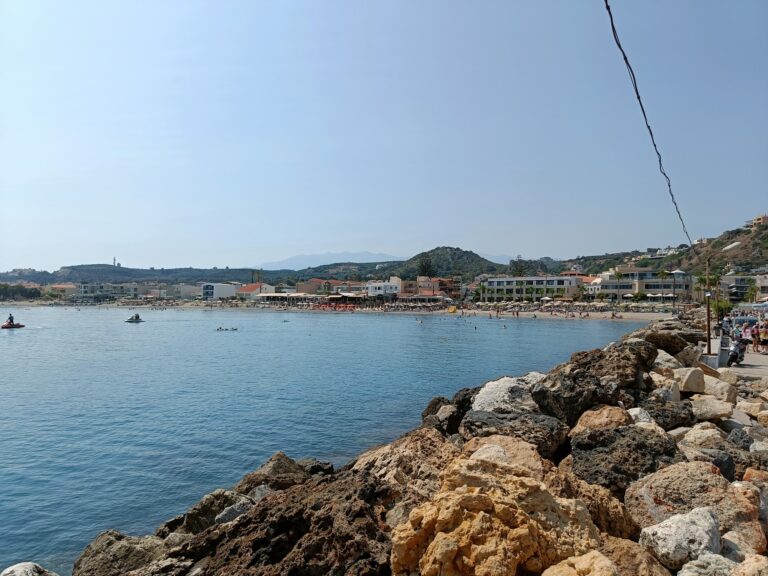
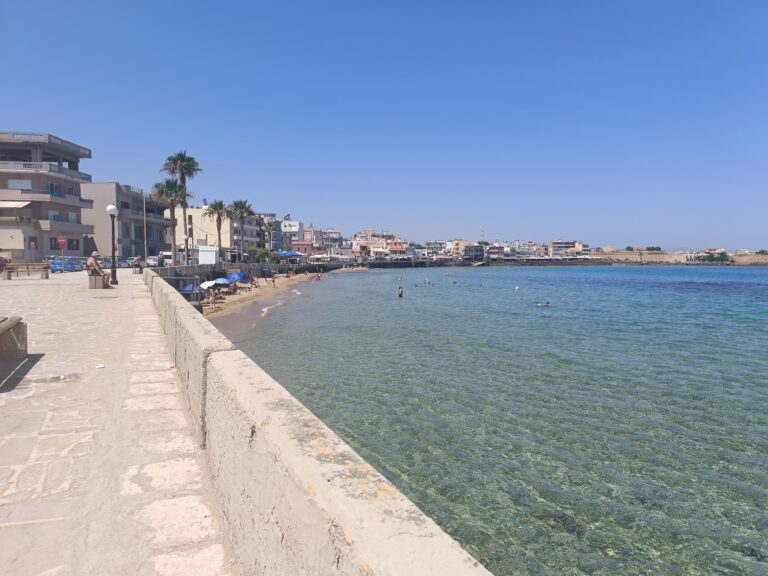
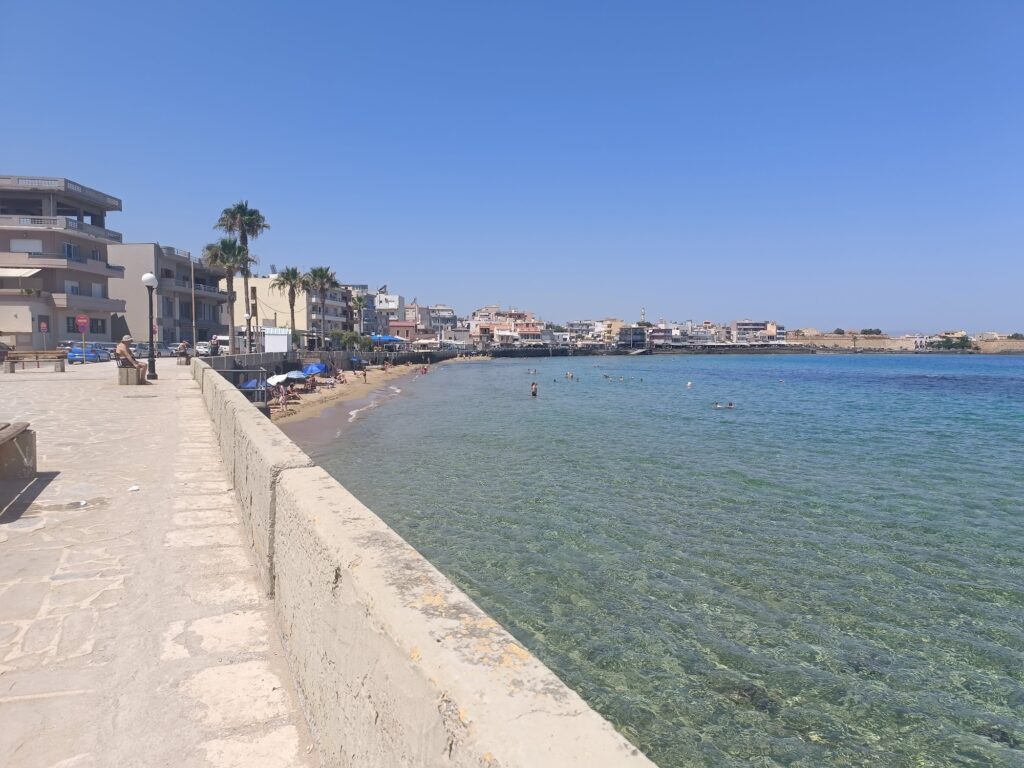
Koum Kapi offers one of the most distinct coastal promenades of the city, as it is elevated a couple of metres above sea level, providing great views.
From the Venetian Harbour lighthouse, walk east along the coastal road toward the eastern end of the old city walls. The walk takes 5 to 10 minutes. The Sabbionara Bastion with its Venetian Lion coat of arms marks the beginning of Koum Kapi beach — the point where the old walls end and the promenade begins.
By car from outside Chania, follow signs for the National Stadium or the Splantzia district. Public parking is near the stadium; street parking is available along the roads leading to the coast.
The Beach: 1km Below the Elevated Promenade, Sandy and Pebbly, No Organised Infrastructure
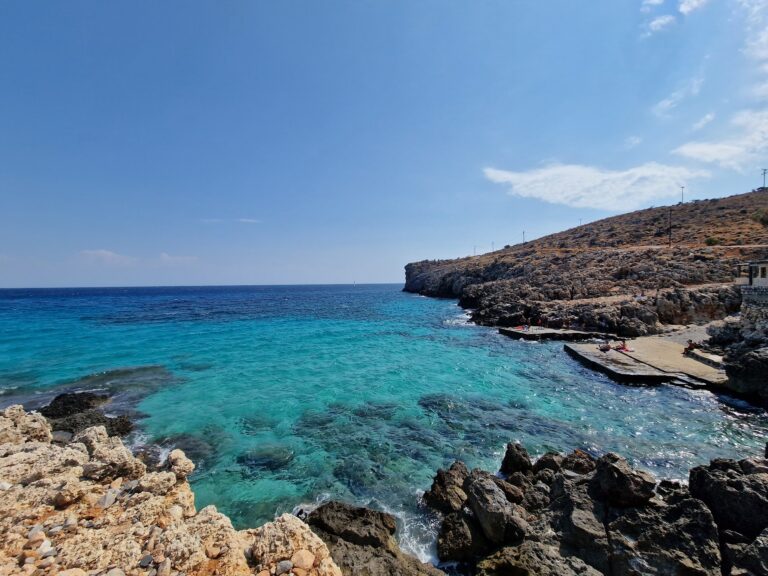
Kum Kapi Beach stretches for approximately 1 km to the east beneath a pedestrian road.
The beach lies about 2 metres below the promenade level — you descend a short stairway to reach the sand. The beach itself is a mix of sand and small pebbles. It is not organised with sunbeds or umbrellas; the promenade above is where the organised hospitality happens.
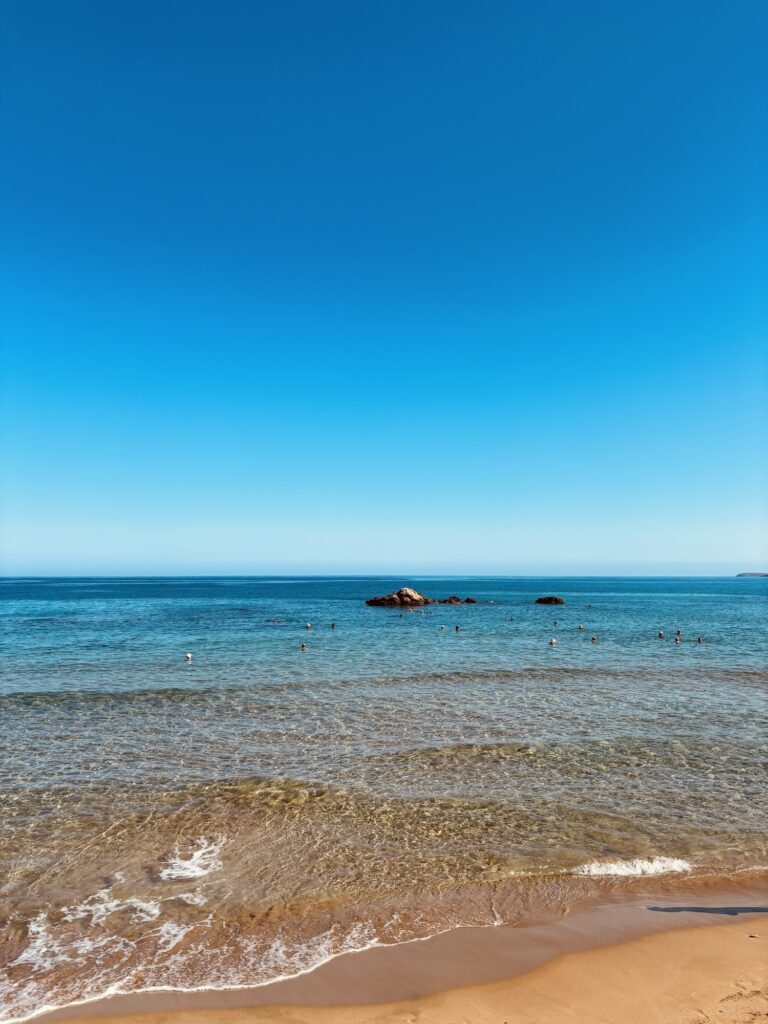
In previous years the beach was the most popular swimming spot in Chania, but recent water quality remediation work has restored its safe swimming status. Check locally before swimming, particularly after heavy rain.
The Promenade: Year-Round Cafes, Rakadika, Student Crowd, the “Modern Venetian Harbour”
Koum Kapi is for many people the “modern version” of Chania old Venetian Harbour.
Today, Koum Kapi is one of the best places in Chania to eat, drink, and entertain yourself. There are many quality cafes, bars and taverns in the area, all of them providing excellent view to the sea and the beach. Koum Kapi is generally the choice of the young people of Chania city, but during the summer months you can find people of every age and nationality having a good time here. The locals are usually visiting the quarter for an evening coffee or for their first drink early in the night.
Koum Kapi is generally the choice of the young people of Chania city, but during the summer months you can find people of every age and nationality having a good time here. The promenade stays lively year-round — watching winter storms from a warm cafe window is the specific off-season experience that locals mention as one of the coast’s pleasures.
The Sabbionara Bastion and the History of the Bedouin Quarter
The Sabbionara Bastion, along with the Sabbionara Gate, was built in the late 16th century, in order to protect the city of Chania from the Ottomans. This is the “Gate of the Sand” of the Venetians that later, in the Ottoman period of the city, gave its name to the Koum Kapi district.
When you see how beautiful the modern Koum Kapi district is, you cannot imagine its — not so bright — past. Going back in time, in the middle of the 19th century, during the last decades of the Ottoman occupation of the island, the district was a very poor settlement of the time. This was the area where the workers of the harbour lived. Having been brought to Chania from North Africa by the Ottomans, these impoverished people lived in makeshift shelters, either tents, or small huts made of pieces of wood or tin. Things changed rapidly in the district after 1913, when the reunion of Crete with mainland Greece took place.
Splantzia and the Old Town: 5 Minutes Inland
Koum Kapi serves as an excellent starting point for discovering the historic town of Chania. Just a short walk away, you can find the old harbour and its fascinating Venetian architecture. The Splantzia neighbourhood — the Ottoman-era quarter with the Ahmet Ağa Minaret, the Church of Agios Nikolaos (a former mosque, a former church, a former mosque again), and the plane-tree-shaded Splantzia Square — is 5 minutes from the Koum Kapi promenade.
Koum Kapi Beach in Chania, Crete is the 1-kilometre urban beach below the elevated promenade, 200 metres from the Venetian Harbour — the Sabbionara Bastion with its Venetian Lion at the western edge (built late 16th century), the beach named after the gate and the Ottoman Bedouin quarter that stood here until 1913, water quality improved (check current status locally before swimming), no organised beach infrastructure, the promenade cafes and rakadika year-round, the young Chania crowd’s preferred evening coast.
Walk east from the lighthouse. Descend to the beach. Have coffee on the promenade when you come back up.
Map
Sorry, no records were found. Please adjust your search criteria and try again.
Sorry, unable to load the Maps API.
Near by places: