Valopoula Beach Drosia Chalcis: Gulf Shore Near Athens
Profile
Valopoula Beach, Drosia, Chalcis: Mainland Euboean Gulf Shore 75km from Athens
Greece | Drosia | Central Greece
Valopoula Beach is on the mainland. The detail matters because the geography is easy to misread: Chalkida (Chalcis) straddles both sides of the Euripus Strait, the 40-metre-wide channel that separates Euboea island from the Boeotia and Phthiotis mainland. The train station from Athens arrives on the mainland side. The city centre and old waterfront are on the Euboea side, accessible by crossing the bridge. The area on the mainland peninsula is called Xirovrisi. To go from one part of the city to the other, all you have to do is cross Chalkida’s Old Bridge.
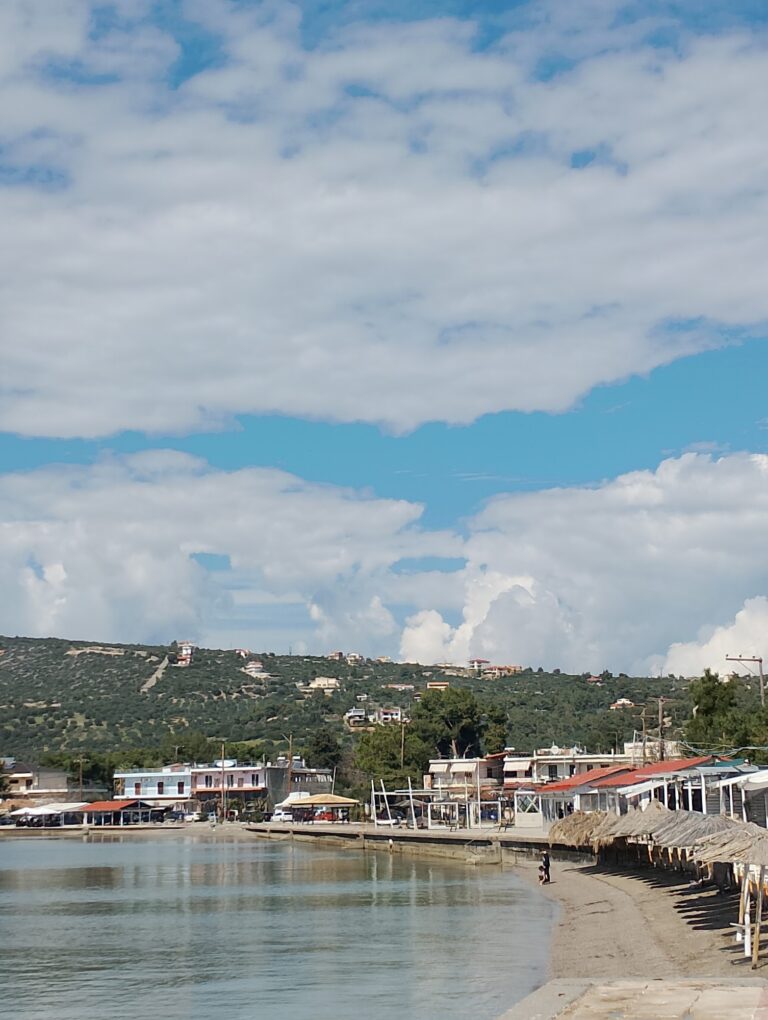
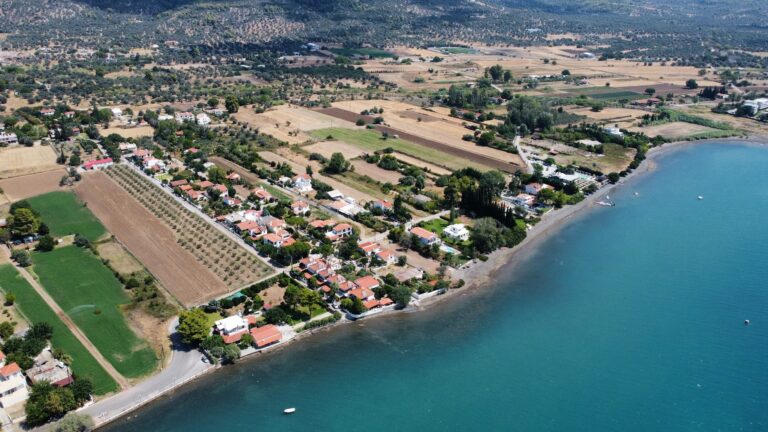
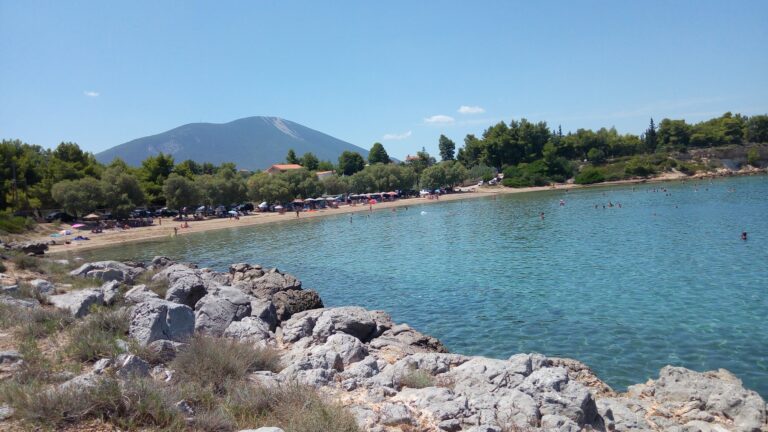
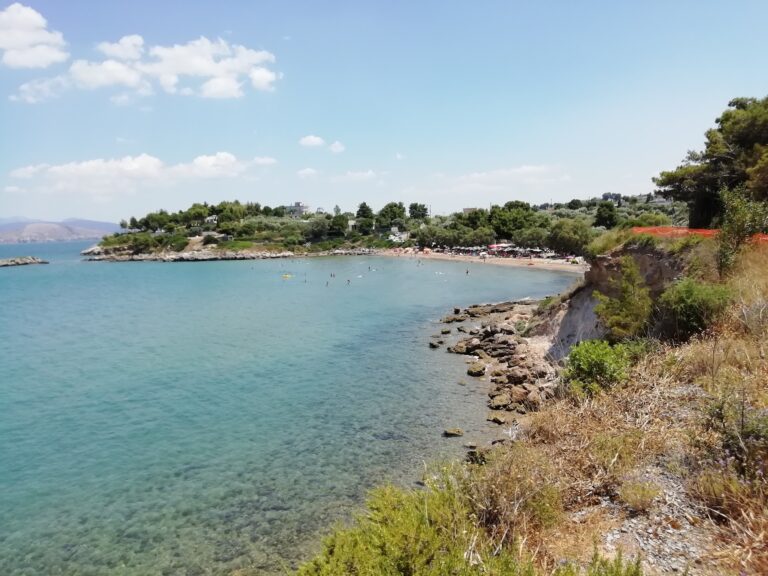
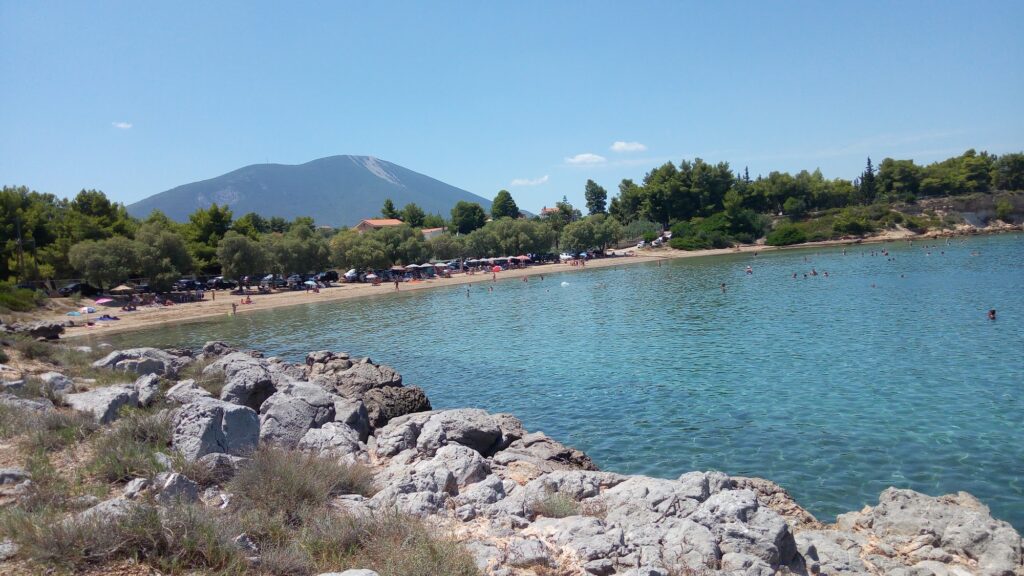
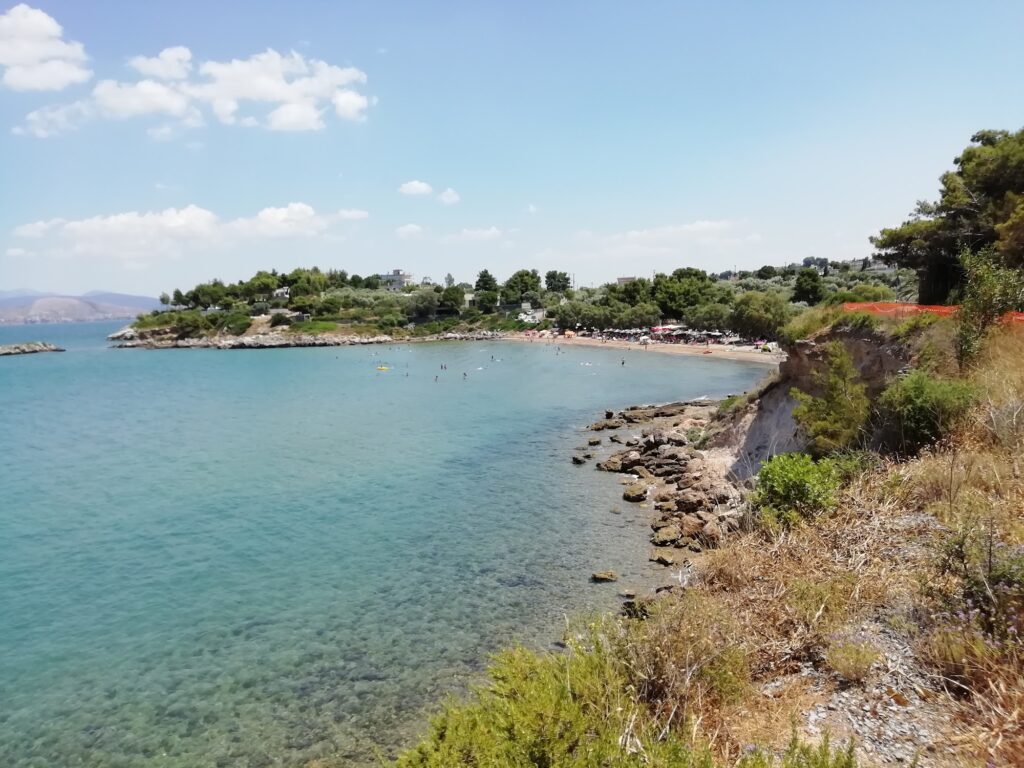
Drosia is a coastal village in the Sterea Ellada (Central Greece) region on the mainland shore of the South Euboean Gulf, a few kilometres south of Chalkida along the mainland coast. Valopoula Beach is one of the small coves in this zone — sheltered, east-facing into the gulf, with Euboea island visible across the water as the view from the shore. It is the specific beach type that the mainland gulf coast around Drosia produces: calm, enclosed, warm, and used primarily by the population of Chalkida and by Athenians making the 75-kilometre day trip north.
Getting There: 75km from Athens on the A1/E75, Then South Through Chalkida to Drosia
From Athens, the drive to the Drosia area follows the A1/E75 motorway north toward Thessaloniki and then takes the Chalkida exit — the distance is approximately 75 kilometres and the journey takes just over an hour in normal traffic. From Chalkida centre, the coastal road south toward the Drosia area takes approximately 10 to 15 minutes.
The Athens Suburban Railway (Proastiakos) connects Athens to Chalkida in approximately 1 hour 20 minutes. The train station in Chalkida is actually on the mainland side — to reach the island section of the city you cross the old bridge. From the station, the Drosia area and Valopoula Beach are accessible by taxi or by car hire.
By bus, the KTEL service from Athens (departing from KTEL Liosion station on Dagkli Street, closest metro Agios Nikolaos on the green line) runs approximately hourly and takes around 1.5 hours. Buses in Greece maintain reliable schedules on this route.
The Beach: Sandy Gulf Cove, Calm Water, Euboea Island Visible Across the Strait
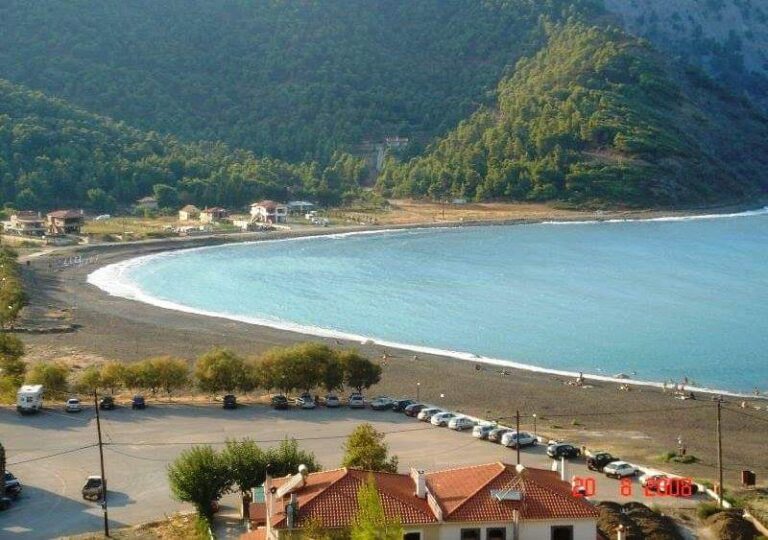
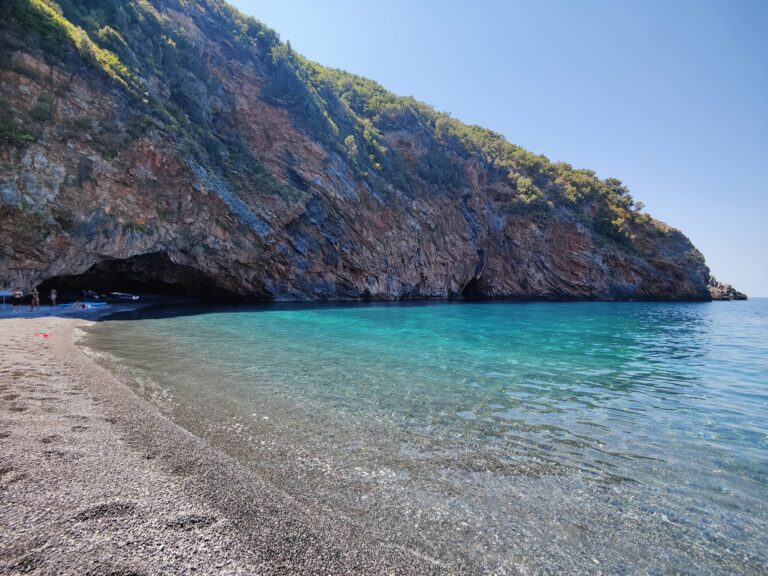
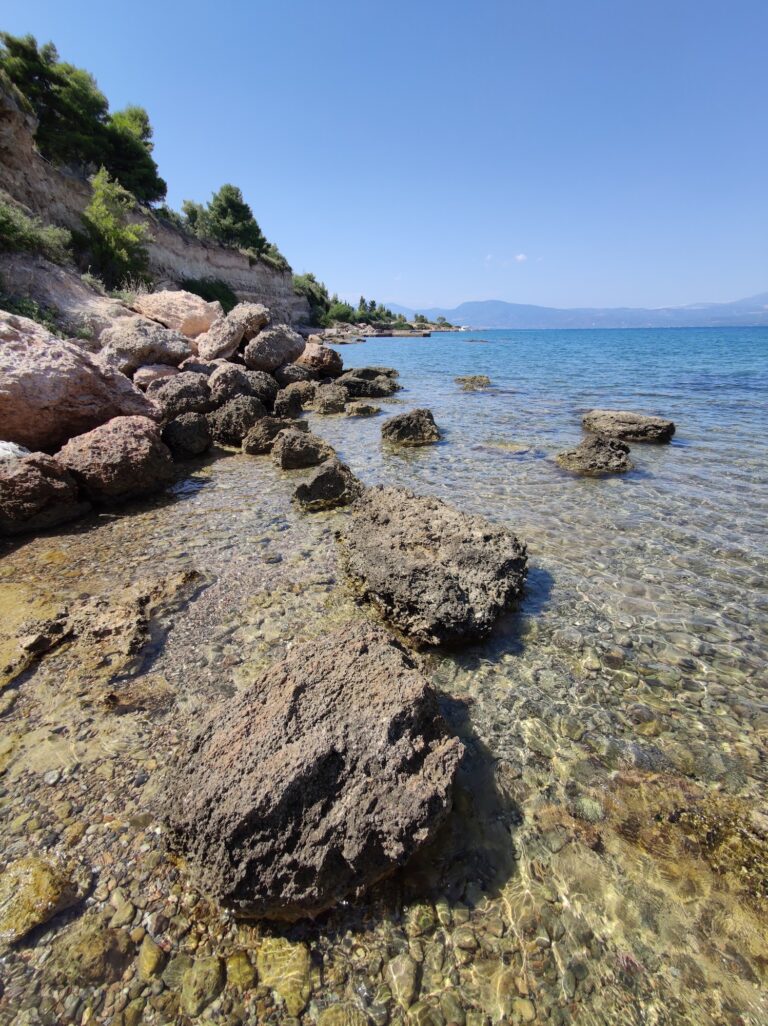
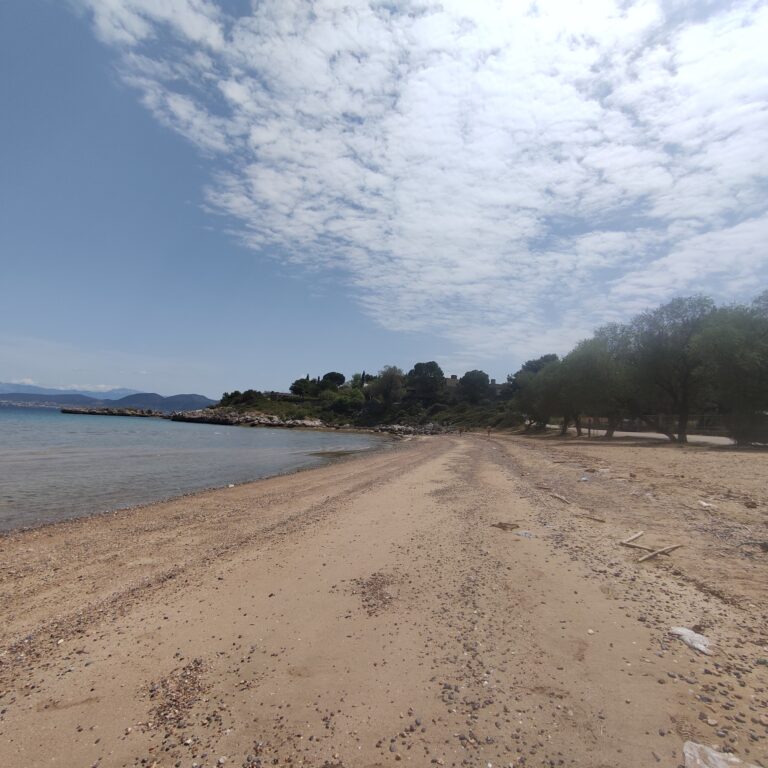
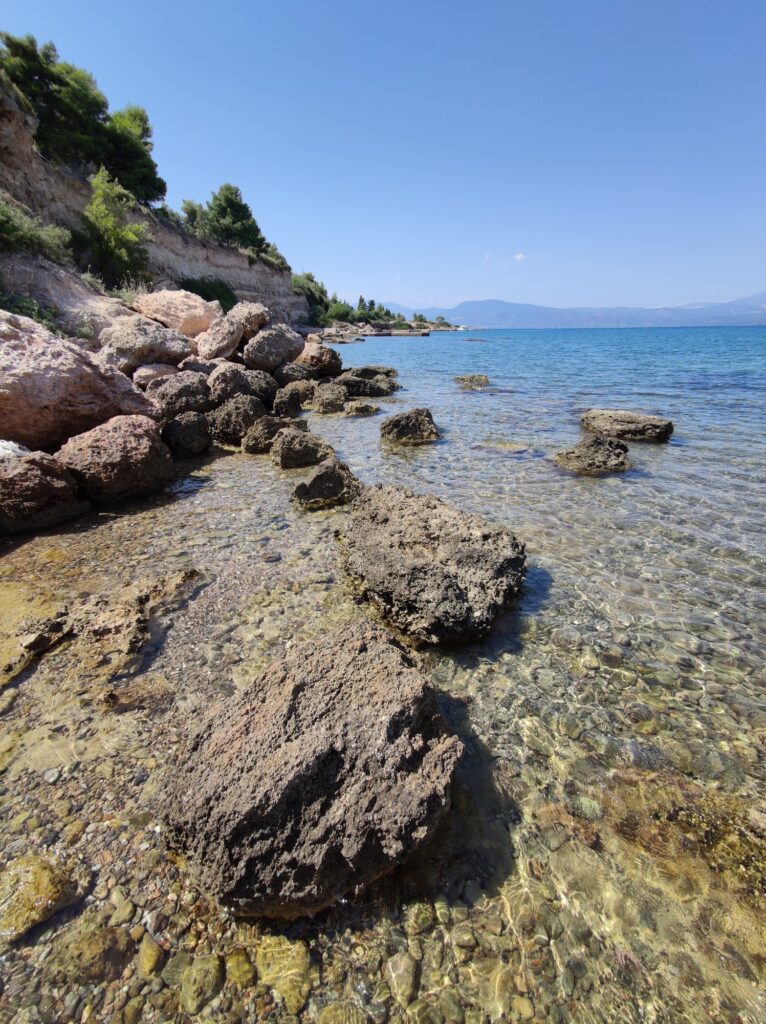
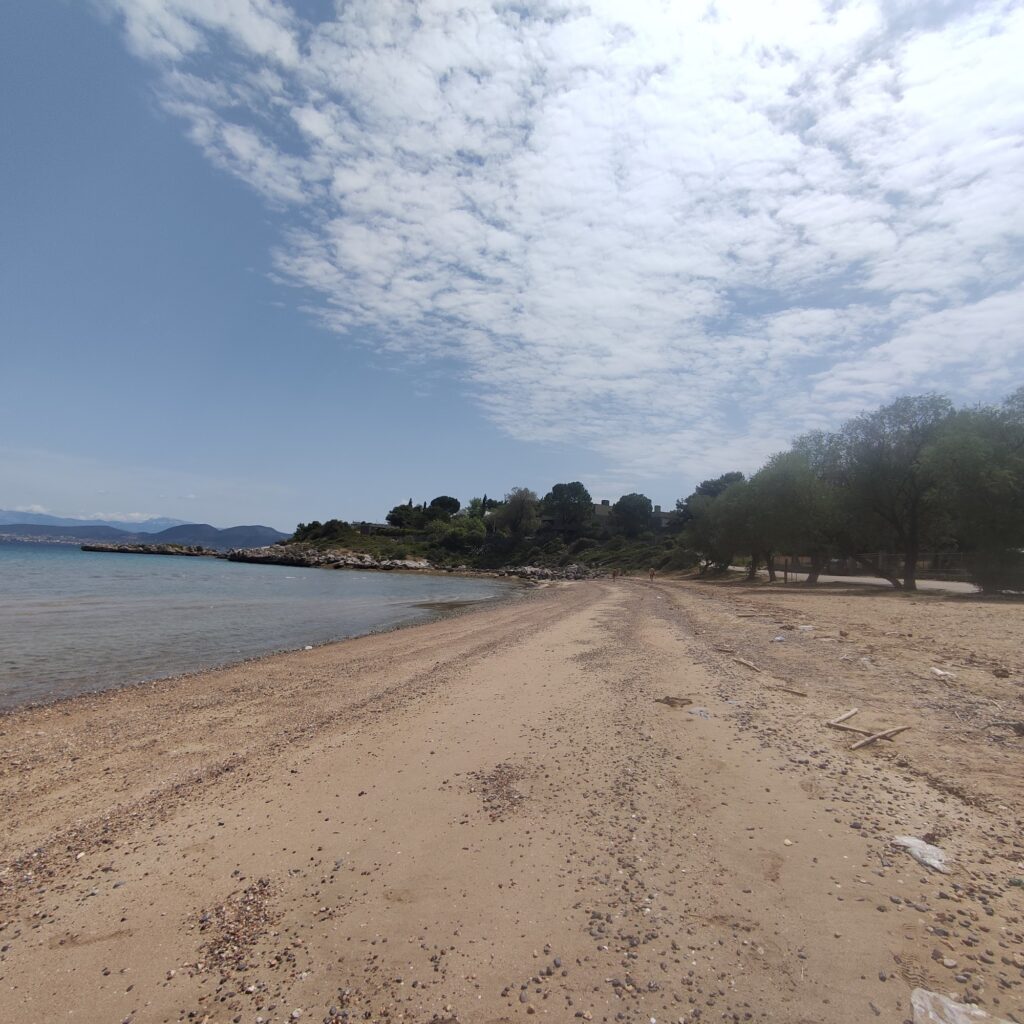
Valopoula Beach is a small sandy beach on the South Euboean Gulf mainland coast — fine sand mixed with small pebbles, calm sheltered water, and the gradual seabed slope that makes the beach accessible for young children and for casual swimmers who want the warm, still-water experience that the open Aegean cannot provide.
The specific water character of the South Euboean Gulf is the enclosed-sea quality: warmer than open Aegean waters (reaching 27–28°C in summer), calmer in typical summer wind conditions, and with the specific turquoise-to-green colour that shallow enclosed inlets over sandy bottoms produce in direct sun. The Meltemi summer wind that makes open Aegean beaches uncomfortable affects this stretch of coast less directly than it does the exposed eastern coastlines.
The beach is organised with sunbed and umbrella hire in the main sections and free space for those with their own towels. Beach showers and a café-bar provide the on-site service. The fish tavernas along the coastal road are the lunch destination — fresh Euboean Gulf fish, grilled and served on the terrace looking across the water toward the island.
Drosia and the Mainland Gulf Coast
The Drosia area is the specific coastal zone near Chalkida on the mainland side that the travel account quoted in the research identifies as one of the most popular beach destinations for Athenians visiting the area. The selection of beach venues and nice sand at Drosia makes it worthwhile — both beaches require a car to get to but the soft sand and warm calm sea make it wonderful to relax there.
The coastal zone between Chalkida and the villages further south along the mainland gulf coast — Drosia, Kanithos, and the successive coves — is the specifically Central Greece beach zone that sits outside the Dodecanese and Cyclades tourist circuit. The visitors are overwhelmingly Greek — residents of Chalkida and weekend day-trippers from Athens — and the beaches operate on the domestic tourism calendar rather than the international one.
The Euripus Strait: The Reversing Current and the Bridge
The Euripus Strait at Chalkida is the natural phenomenon that makes the city worth visiting in addition to any beach day in the area. The current reverses direction up to 14 times a day in irregular cycles — a tidal phenomenon that defeated ancient Greek attempts at theoretical explanation and that is still visible from the old bridge in Chalkida city centre.
The Euripus Bridge or Chalcis Bridge — a cable-stayed suspension bridge opened in 1993 — joins Chalkida to the mainland to the south. The swing bridge in current use was built in 1962. A bridge has been present at this location since 411 BC.
The observation of the current from the old bridge — the water visibly rushing in one direction, then reversing — is the specific Chalkida activity that visitors combine with the beach day. The reversal timing is unpredictable (unlike a regular tidal pattern) and the velocity of the current in the 40-metre channel produces the visible rushing-water effect that the ancient sources described as supernatural.
The Church of Saint Paraskevi and the Dominican Heritage
Chalkida contains one of the oldest surviving Dominican churches in existence: the Church of Saint Paraskevi was started around 1250 and is among the oldest examples of early Dominican architecture surviving, and one of the only early Dominican churches to retain its original form to the present. The central arch over the iconostasis and the ceiling and walls of the south chapel are the best examples of Italian Gothic stone-carving in Greece.
The Dominican presence at Chalkida dates to 1249, when the city was under Venetian rule as the capital of the kingdom of Negroponte. The church’s survival through the Ottoman period (when most Christian buildings on the island were converted or demolished), through the Greek War of Independence, and through the 20th century makes it a genuinely rare architectural survival that the beach day at Valopoula can be preceded or followed by a brief visit to see.
Georgios Papanikolaou: Chalkida’s Global Medical Legacy
Among the notable people born in Chalkida is Georgios Papanikolaou (1883–1962) — the physician who developed the Pap smear test, the cervical cancer screening method that is now standard medical practice globally and that has saved millions of lives. The test is named after him. Chalkida acknowledges this legacy in the city’s cultural identity, and the connection between the small Euboean Gulf city and one of the most significant preventive medical innovations of the 20th century is the specific human history that a visit to Chalkida carries.
Valopoula Beach near Drosia on the Central Greece mainland is the sheltered sandy gulf cove 75 kilometres from Athens — Euboea island visible across the Euboean Gulf water, calm and warm in summer, organised sunbeds and fish tavernas on the coastal road, and the reversing current of the Euripus Strait visible from the old bridge in Chalkida 10 minutes away.
Drive north from Athens on the A1. Take the Chalkida exit. Turn south toward Drosia.
Stop at the old bridge on the way back and wait to see which direction the current is running.
Map
Sorry, no records were found. Please adjust your search criteria and try again.
Sorry, unable to load the Maps API.
Near by places: