Plaža Črnikovica Volosko: Start of the Lungomare
Profile
Plaža Črnikovica, Volosko: Where the Opatija Riviera Begins and the Lungomare Starts
Croatia | Volosko | Opatija Riviera
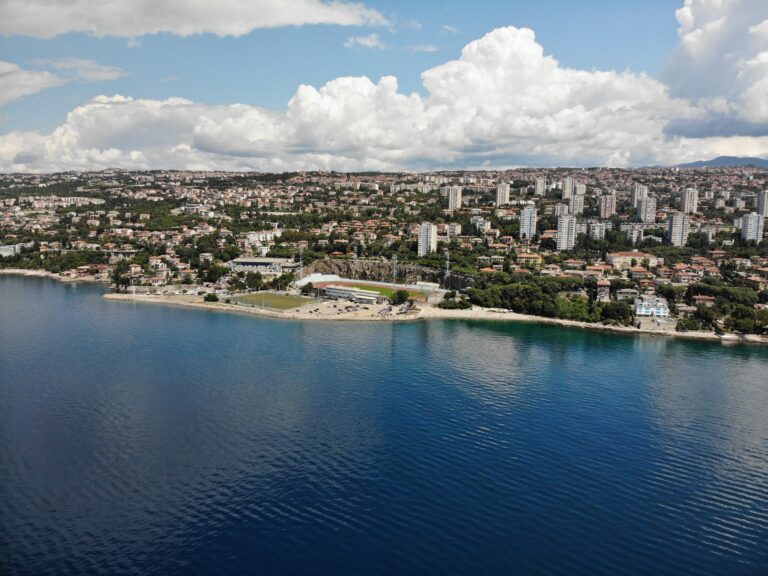
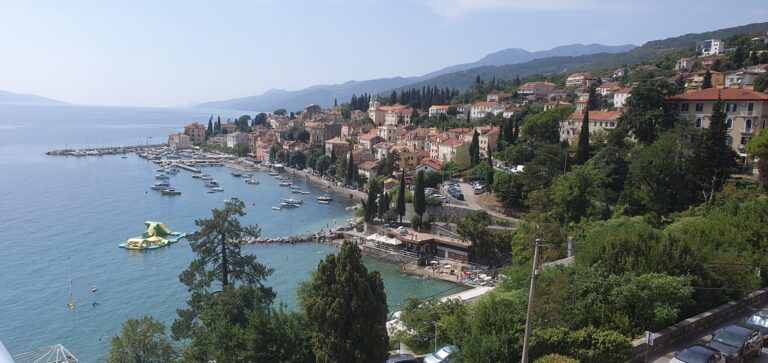
Volosko was an administrative centre and trading port before Opatija existed as a resort town. Its harbour and narrow stone streets predate the Austro-Hungarian grand hotel era that made Opatija the fashionable destination it became in the late 19th century, and the village has maintained a quieter, more local character alongside its famous neighbour ever since. The house at the start of the Lungomare coastal promenade — the point where the 12-kilometre walk to Lovran begins — is the birth house of Andrija Mohorovičić, the Croatian geophysicist who discovered the discontinuity between the Earth’s crust and mantle that bears his name: the Mohorovičić discontinuity. Most visitors walk past it without stopping. The monument at the building’s facade marks the connection between a small Kvarner fishing village and one of the foundational discoveries of 20th-century geoscience.
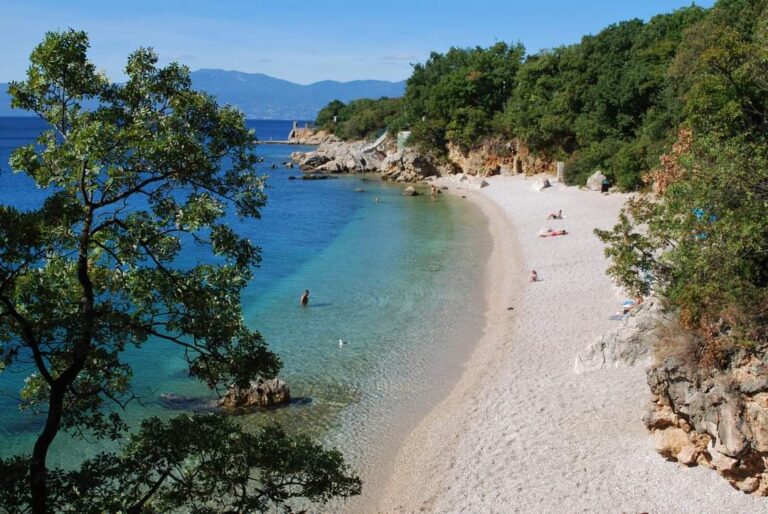
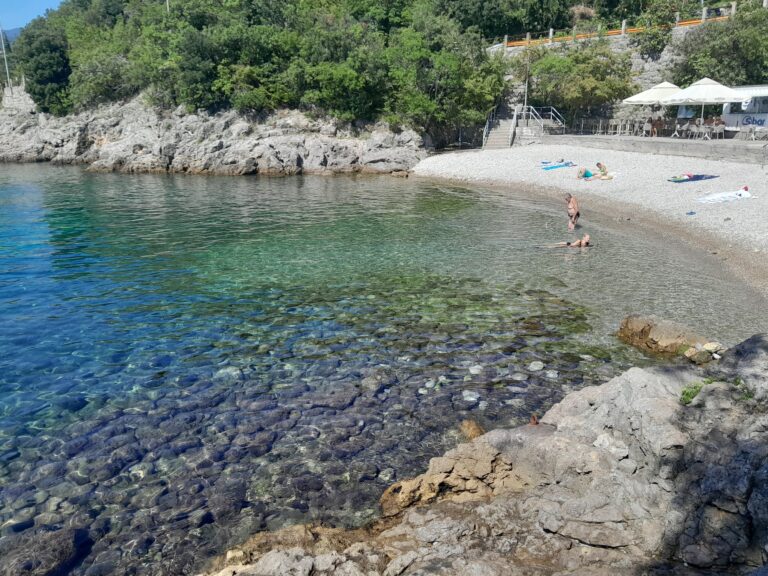
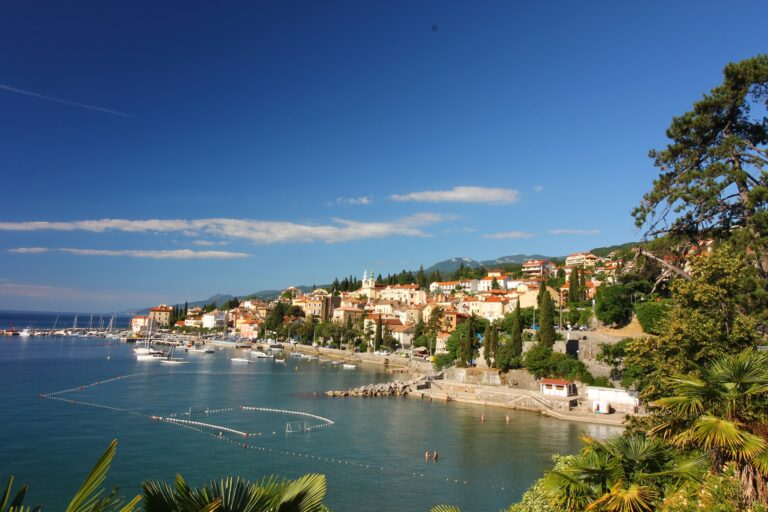
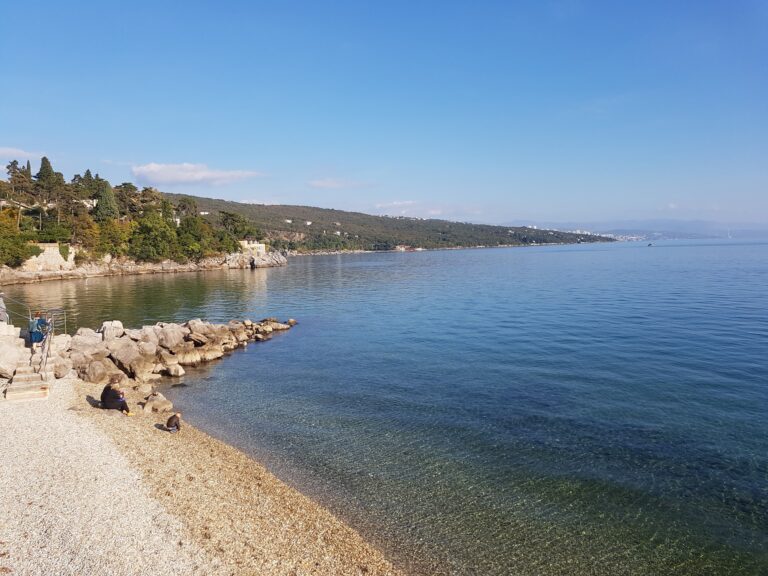
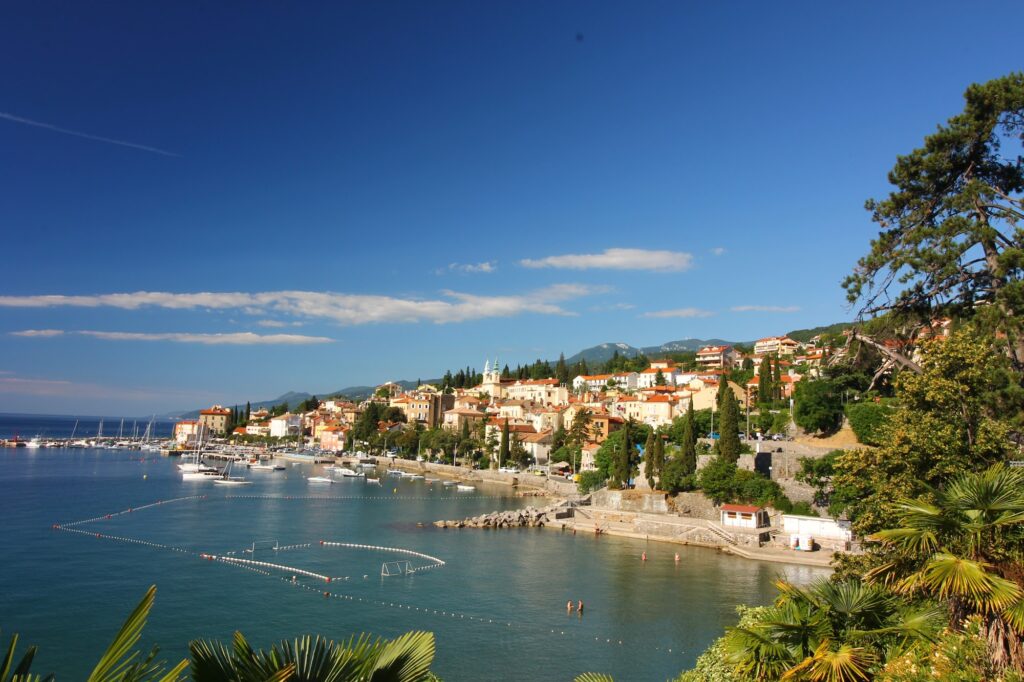
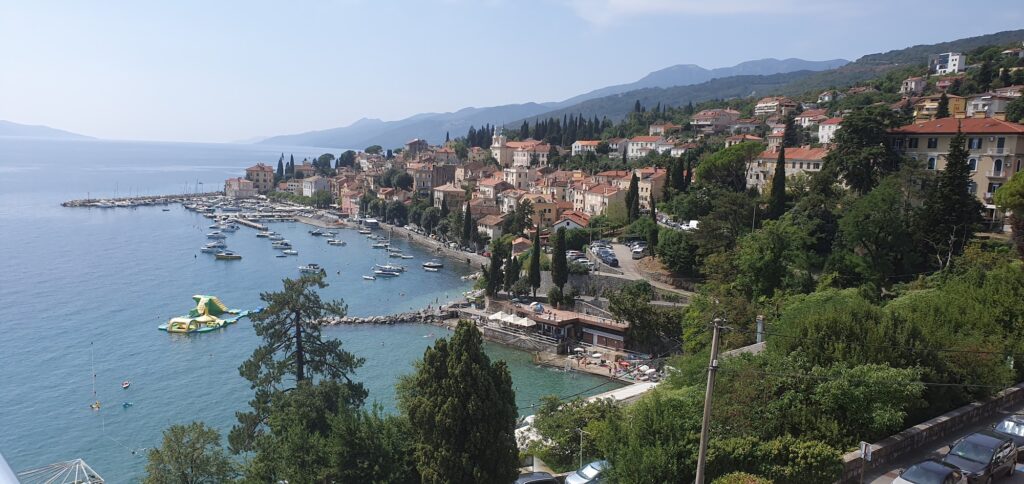
Plaža Črnikovica sits immediately below the Volosko harbour, at the northern end of that promenade. It is the first beach encountered when walking south from Rijeka along the Opatija Riviera coast, and the last beach before the city when walking north from Opatija. The beach is in two sections: a pebble part and a concrete sundeck section that gives access to the sea over a sandy bottom. The shallow, sandy-bottomed section is the specific quality that makes Črnikovica the local family beach of choice for the Volosko and northern Opatija resident population — it is where picigin is played, where children wade, and where the morning swimmers who live in the stone houses above come to start their day.
Getting There: Bus Line 32 from Rijeka, on Foot from Opatija, or by Car
From Rijeka, Bus Line 32 runs frequently toward Opatija and stops at Volosko — a five-minute walk from the beach. The bus journey takes approximately 20 minutes from the Rijeka city centre. The Volosko stop places visitors directly in the village, from which the beach is visible below the harbour. For visitors based in Rijeka who want a beach day without a car, the bus connection to Volosko and Črnikovica is the most direct option on the northern Opatija Riviera.
From Opatija, the Lungomare promenade walk north to Volosko and Črnikovica takes approximately 15 to 20 minutes from the town centre — a flat, coastal path with the sea immediately alongside and the hotel villas of the riviera visible through the vegetation. For visitors staying in Opatija who want the specific atmosphere of the Volosko beach rather than the larger Opatija beach facilities, the promenade walk is the correct approach.
By car, the coastal road between Rijeka and Opatija passes through Volosko, with paid parking available along the main road and in smaller lots near the village entrance. The beach is visible from the road and the approach on foot from the car to the beach is short. The paid parking is the one practical inconvenience of driving to a beach that is otherwise very accessible.
The Beach: Two Sections, One Staircase, Pebble and Concrete Over Sandy Bottom
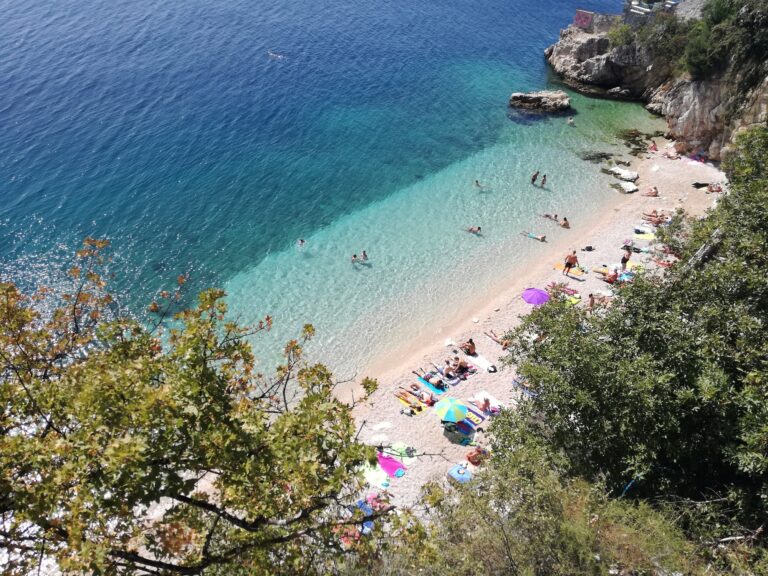
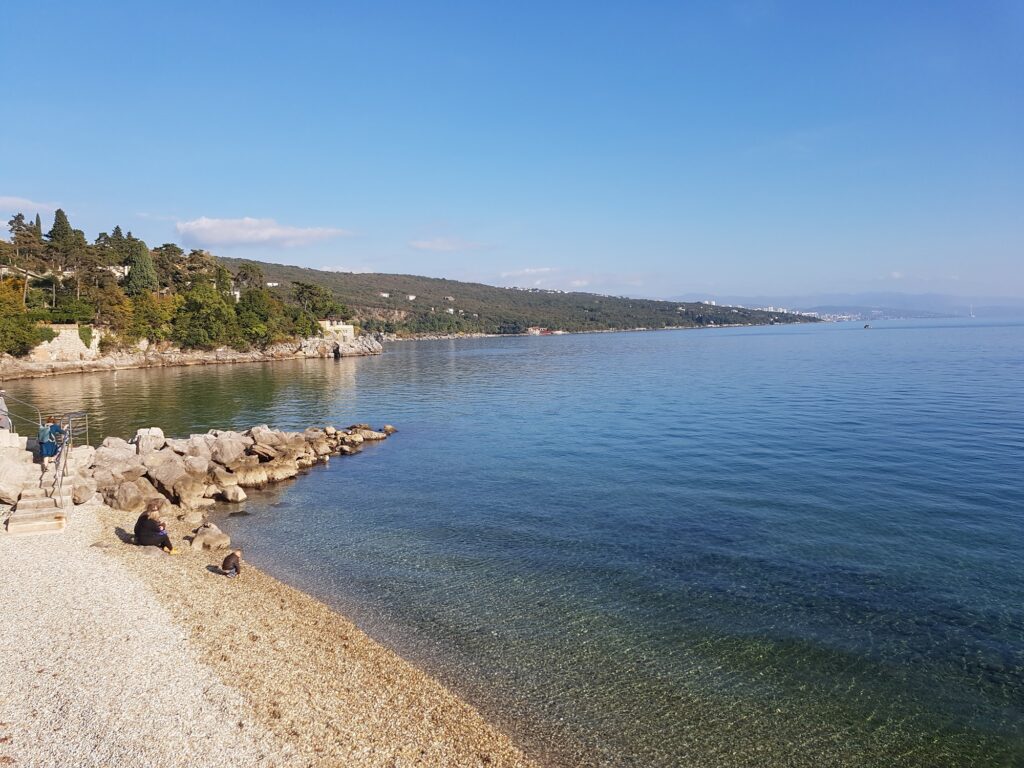
Černikovica comprises two parts connected by a staircase — a pebbly section and a concrete sundeck that gives access to the sea over a sandy bottom. The pebble section has the gradual entry characteristic of the Kvarner riviera pebble beaches — manageable for bare feet in the rounded pebble, more comfortable with water shoes. The concrete section is the flat, sun-warmed platform that the Opatija Riviera beach tradition consistently favours over sand — stable, easy to clean, accessible with a lounger, and offering the specific sensory experience of hot concrete underfoot that the seaside architecture of this coast has incorporated since the late 19th century.
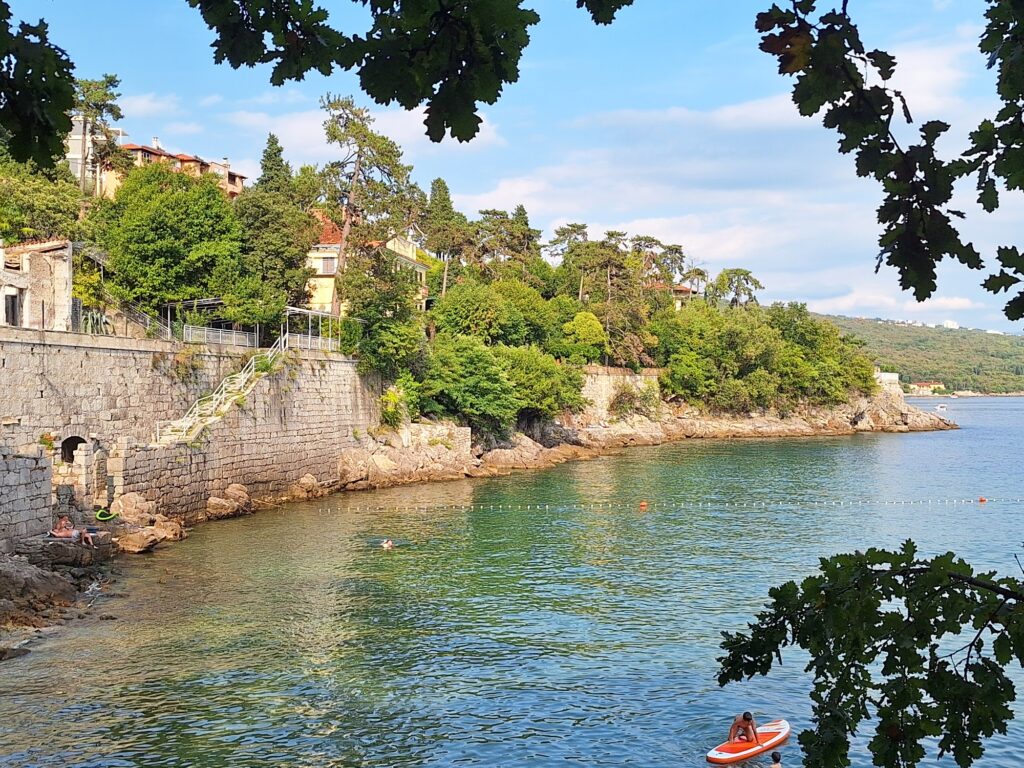
The sandy bottom beneath the sea in the concrete section is the quality that makes Črnikovica notably more family-friendly than the purely rocky sea entries common elsewhere on the riviera. Buoys in the water mark the designated swimming area and the limit of boat traffic access. The combination of shallow sandy-bottomed water and the marked swimming zone makes this section the preferred environment for non-swimmers and young children among the beach’s regular visitors.
The beach bar Pešekan on the concrete terrace is the social hub of the beach — an open-air bar on the sundeck that the local press and visitor accounts consistently name as the most appealing specific feature of a day at Črnikovica. Coffee in the morning before the swim, a cold drink in the afternoon, the specific pleasure of sitting on a terrace above the Kvarner with the islands of Krk and Cres visible to the west.
The Lungomare: 12 Kilometres from Volosko to Lovran
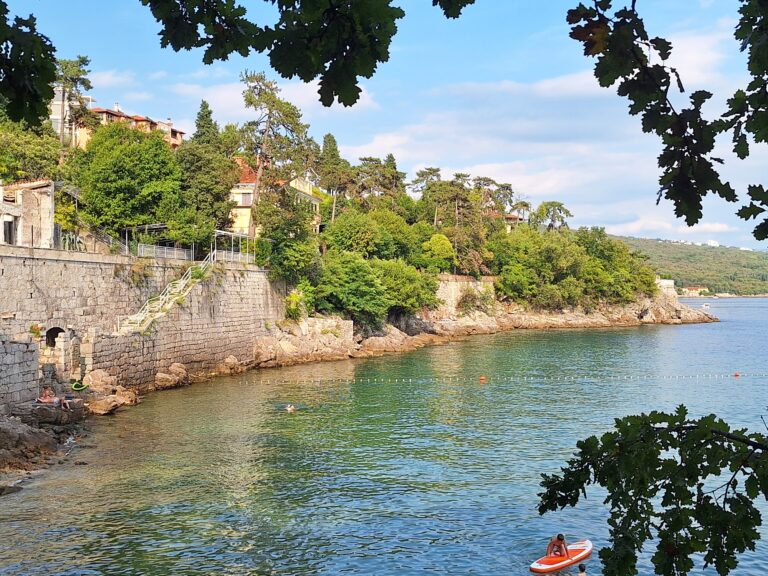
The Lungomare — formally the Franz Joseph I Promenade, named after the Austro-Hungarian emperor during whose reign it was built in 1889 — runs 12 kilometres along the Opatija Riviera coastline from Volosko in the north to Lovran in the south. It is one of the most historically significant coastal promenades on the Adriatic coast, built to give the Austro-Hungarian resort visitors of Opatija a level, seaside walking route between the grand hotels and the smaller settlements on either side of the town.
Plaža Črnikovica sits at the northern terminus of that promenade, which means walking south from the beach along the Lungomare is the most natural extension of a morning at Črnikovica — through Volosko itself, past the Mohorovičić birth house, into Opatija proper, past the Villa Angiolina park and the Maiden with the Seagull statue, and continuing through the smaller beach settlements of Ičići and Medveja toward Lovran at the far end. The full 12-kilometre walk takes three to four hours at a comfortable pace; the section from Volosko to central Opatija takes under an hour and covers the most historically dense part of the route.
For visitors who want to combine the Lungomare walk with beach access, Plaža Ičići Opatija Riviera at the Ičići settlement midway along the promenade is the organised beach with sunbed hire and bar service on the route south, reached in approximately 40 minutes of walking from Černikovica.
Volosko’s Gastronomy: Kvarner Scampi and the Stone-Street Restaurants
Volosko has a culinary reputation that extends well beyond its size. The restaurants in the village’s narrow stone streets — konobas serving fresh Adriatic catch alongside wine and the characteristic Kvarner ingredients — have placed the village in serious food travel writing as a destination in its own right rather than as a suburb of Opatija. The specific product of the area is Kvarner scampi (Nephrops norvegicus) — the langoustine caught in the deeper sections of the Kvarner bay that the local fishing boats bring to the village, and that the Volosko restaurants prepare with the restraint that good product requires: grilled, or in a pasta, with the minimum additional flavour that allows the specific quality of the crustacean to read clearly.
The combination of a morning swim at Črnikovica and a Kvarner scampi lunch at one of the harbour-view konobas in Volosko is the specific day structure that makes the beach more than a swimming stop — it makes it the anchoring activity of a day spent in one of the more genuinely characterful small settlements on the Croatian coast.
Picigin at Črnikovica
Picigin — the ball-keeping game played in shallow water between several players, originating from Split on the Dalmatian coast — has spread to the Kvarner riviera and found a regular venue at Črnikovica’s shallow sandy-bottomed section. The game requires precisely the conditions the beach provides: standing depth, a flat sandy bottom, and calm water. The specific image of picigin players in the early morning at a Kvarner concrete beach is unusual enough — the game is more associated with the Split waterfront and the Dalmatian sandy stretches — to give Črnikovica a specific cultural identity within the Opatija Riviera beach offer.
The game is played with a small rubber ball, in a loose circle of players, the aim being to prevent the ball from touching the water using only the palms of the hands — a form of cooperative rallying rather than competitive play, with the aerial acrobatics of experienced players making the game as much a performance as a sport. Players at Črnikovica are typically from the local population rather than tourist visitors, and watching from the concrete terrace above the water is part of the morning atmosphere of the beach.
Černikovica in the Opatija Riviera Beach Sequence
The Opatija Riviera beach offer runs from Črnikovica in the north through the sequence of pebble, concrete, and rock beaches of the 12-kilometre Lungomare coastline to Lovran in the south — with Opatija town’s organised beaches, the swimming coves of Ičići, and the more sheltered bay beaches of Medveja distributed along the route. Črnikovica is the quietest and most local-character beach of the sequence, which gives it the specific appeal for visitors who want the Kvarner pebble beach experience without the organised resort infrastructure of the larger Opatija beach facilities.
For visitors comparing Črnikovica with Plaža Ičići Opatija Riviera further south along the promenade, the distinction is primarily one of scale and character: Ičići is a longer, more organised riviera beach with more tourist infrastructure; Černikovica is the village beach above the Volosko harbour, primarily used by the local population, with the Kvarner scampi restaurants immediately above it and the Lungomare’s start at its doorstep.
Plaža Črnikovica in Volosko is where the Opatija Riviera begins — the pebble and concrete beach below the fishing harbour of the village where Andrija Mohorovičić was born, at the northern end of the 12-kilometre Lungomare that runs south to Lovran, with the Kvarner scampi restaurants in the stone streets above and the islands of Krk and Cres on the western horizon.
Take Bus 32 from Rijeka. Walk down to the harbour. Order coffee at Pešekan before the swim.
The Lungomare south begins whenever you are ready.
Map
Sorry, no records were found. Please adjust your search criteria and try again.
Sorry, unable to load the Maps API.
Near by places: