Bijeca Beach Medulin: Istria's Longest Sandy Shore
Profile
Sandstrand Medulin — Bijeca Beach: Istria’s Longest Sandy Shore South of Pula
Croatia | Medulin | Istrian Peninsula
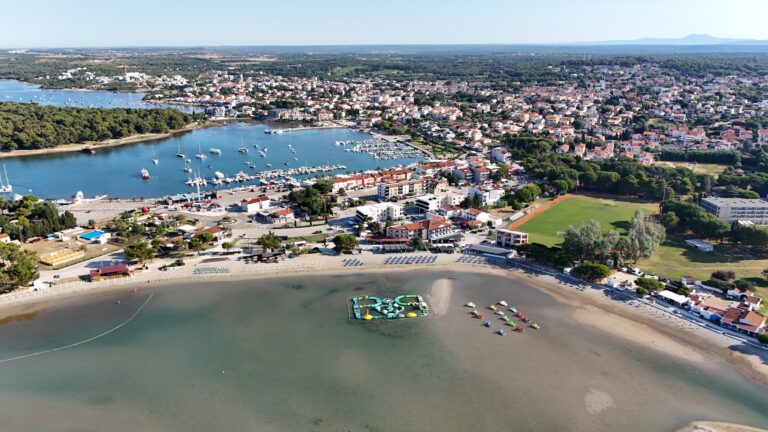
Istria is a peninsula defined by rock. The coastline runs for hundreds of kilometres of limestone shelf, pebble cove, and concrete sunbathing platform — terrain that rewards swimmers who are comfortable in clear, deep water and that requires water shoes for anyone entering the sea from most of the shore. That geological consistency makes the exception at Medulin genuinely remarkable. Bijeca Beach — locally known as Sandstrand — is approximately one kilometre of soft fine sand that shelves into the Adriatic at a gradient shallow enough that the water barely reaches waist height a hundred metres from the shore. It is the only beach of its kind near Pula, and that rarity is the first and most important thing to understand about it.
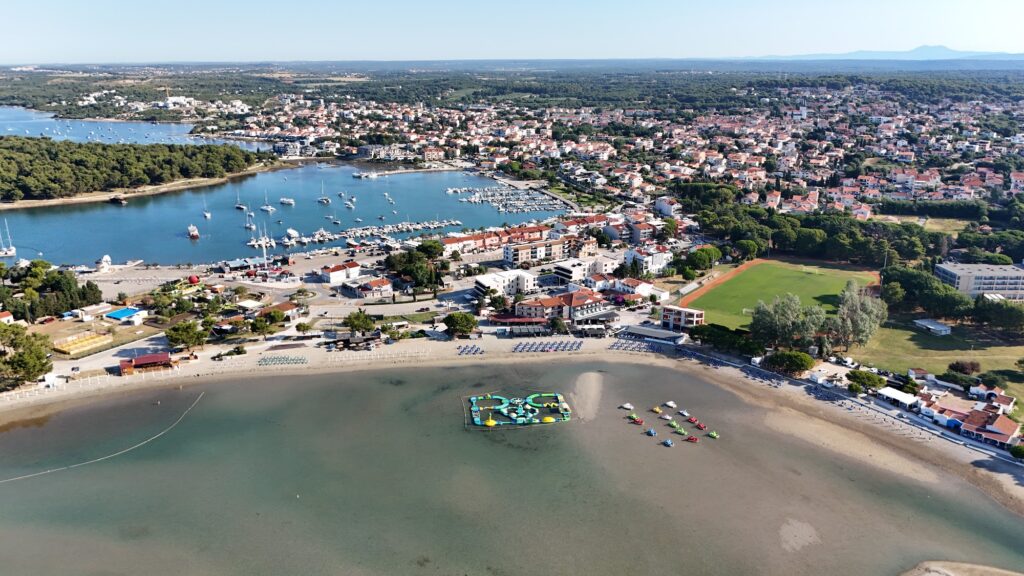
Medulin itself sits at the southern tip of the Istrian peninsula, 10 to 15 minutes southeast of Pula by car — close enough to the Roman amphitheatre and the old town to make a combined day itinerary practical, far enough to maintain its own identity as a fishing and tourist town built around its natural bay and the small archipelago of islands that surrounds it. The town has nearly 5,000 beds in hotels, apartments, and campsites, which means Bijeca is a well-served beach in terms of accommodation proximity, and which also means that in July and August the kilometre of sand gets genuinely crowded. That is the honest qualification that the beach’s rarity demands: it is the best sandy beach in the Pula region, and it fills accordingly.
Getting There: Bus Line 25 from Pula, by Car, or on Foot from Medulin
From Pula, the Pulapromet bus line 25 runs regularly to Medulin and deposits passengers a five-minute walk from the beach entrance — a connection that makes Bijeca accessible from the city without a car throughout the summer season. The journey takes approximately 20 minutes from the main Pula bus station. The bus service runs frequently enough through peak season to make it a practical choice for day visitors from Pula’s accommodation, and it removes the parking pressure that driving to Bijeca creates in high summer.
By car, the drive from Pula south to Medulin follows well-marked roads, with signs for the Bijeca beach area directing traffic to several large organised parking areas. Those car parks fill early on peak summer days — arriving before nine in the morning secures a space without difficulty, while arrival after eleven in mid-July requires patience and sometimes a walk from a secondary parking area. Paid parking is in operation throughout the main season.
For visitors staying in Medulin itself, Bijeca is the town’s central beach, accessible on foot from most accommodation in the town centre via the seaside promenade. The promenade runs along the beach’s full length and connects the beach to the town’s restaurants, bars, and the harbour area where boat trips to the Medulin archipelago depart.
The Shore: One Kilometre of Fine Sand, Shallow Water, and Istrian Rarity
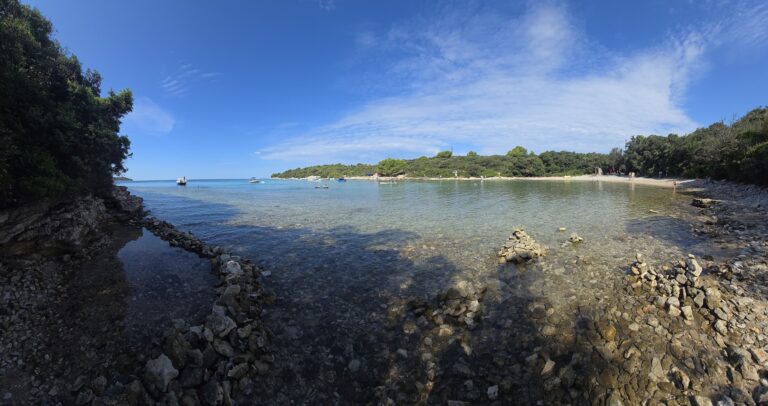
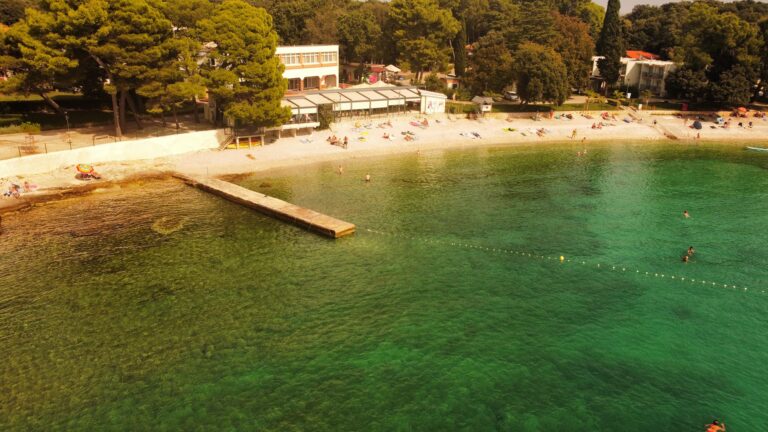
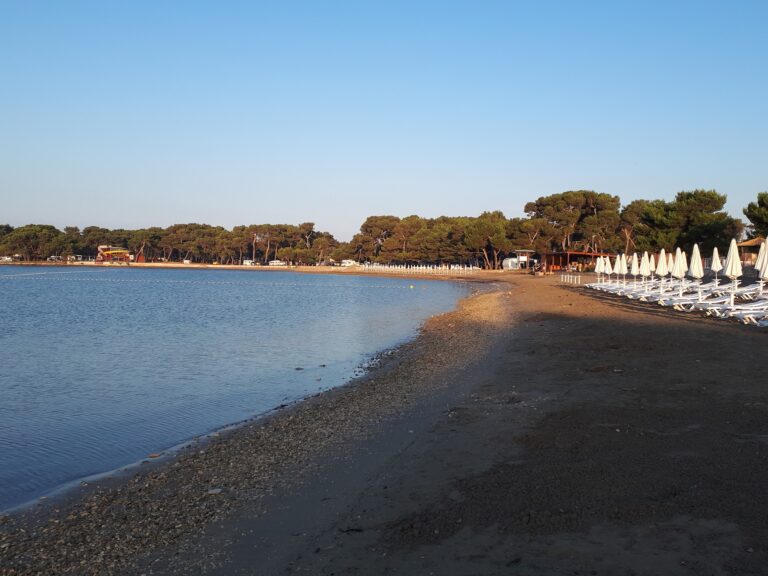
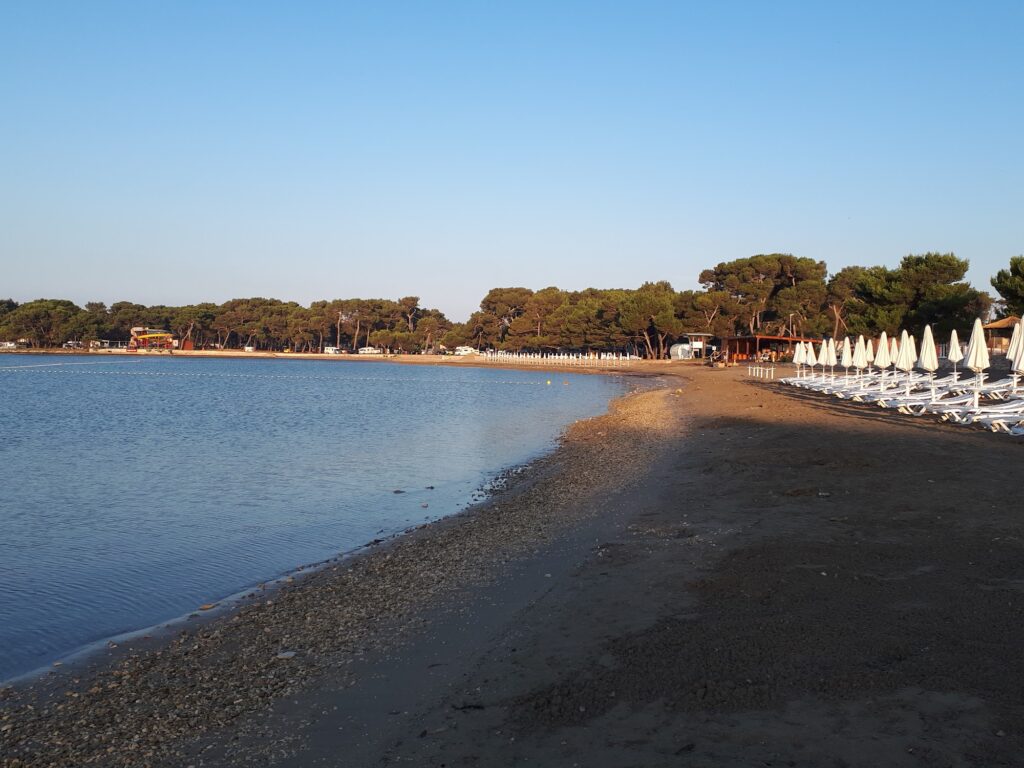
The defining physical characteristic of Bijeca Beach is the sand — soft, fine, pale — and the gradient at which it meets the sea. The entry into the water requires no water shoes. The seabed maintains the sandy character from the waterline outward, and the depth increases gradually enough that the shallow zone extends well from the shore before reaching swimming depth. That combination of soft sand underfoot and warm, shallow water is the specific quality that parents with young children travel from across Istria to access, and that most of the peninsula’s coastline cannot provide.
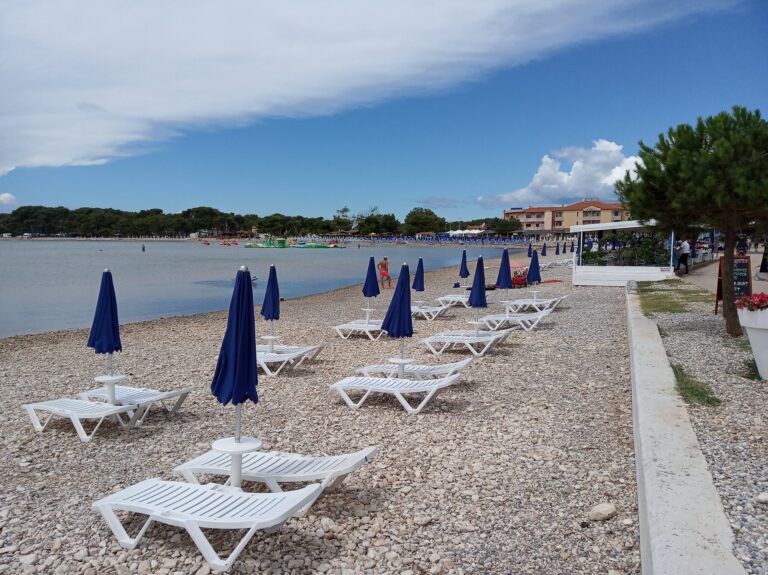
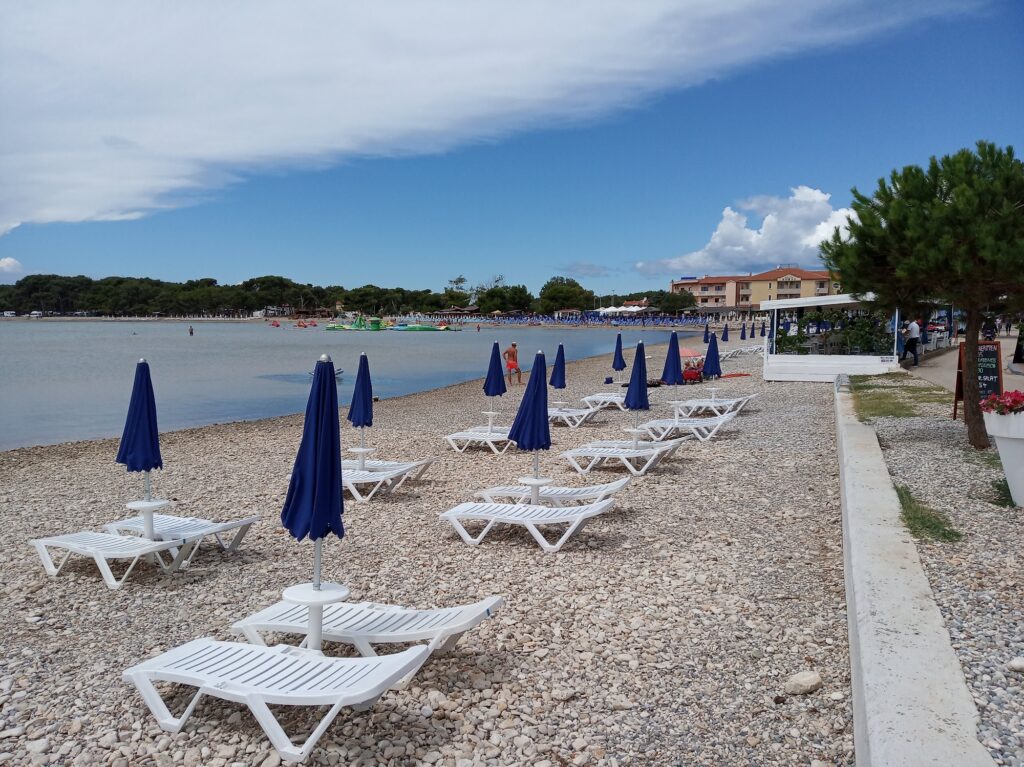
Pine trees line the upper shore in sections, providing the natural shade above the beach that makes a full day here sustainable without requiring a hired umbrella for the entire duration. The concrete promenade that borders the beach along its length is flat and accessible, connecting the sand to the town’s food and drink provision without requiring a walk through the town itself.
The beach faces south across the Medulin bay toward the small archipelago of islands that characterises this section of the southern Istrian coast — Levan, Bodulaš, and the uninhabited islets that boat trips from the harbour navigate around through the summer season. That island-dotted southern horizon gives Bijeca a view that is specific to Medulin’s geography and that distinguishes it from the more open Adriatic exposure of the beaches to the north.
Water Quality and Swimming Conditions at Bijeca Beach
The water at Bijeca Beach is warm — a function of the bay’s relatively enclosed position and the shallow sandy seabed that absorbs and retains heat through the summer months more effectively than the deeper, rockier waters of the open Istrian coast. By July the sea is noticeably warmer than the pebble and rock beaches north of Pula, and that warmth is the practical condition that extends time in the water for young children who cool quickly in colder sea.
It is worth stating clearly what the research confirms: the water clarity at Bijeca is variable, and some visitor accounts describe it as less pristine than the crystal transparency characteristic of the open Adriatic beaches on the Istrian peninsula. The shallow enclosed bay position that warms the water also limits circulation relative to fully exposed coastline, and at peak season with high visitor numbers the water near the shore can show the effects of that density. For visitors whose priority is absolute water transparency and snorkelling visibility, the more exposed rocky beaches around Cape Kamenjak to the south — accessible by car through the nature park — offer that quality in a different setting. Bijeca is where you go for warm, sandy-bottomed, shallow-entry family swimming. Those are its specific and genuine strengths.
Facilities at Bijeca Beach
The facilities at Bijeca are comprehensive and consistent with a beach that serves as the primary destination for a well-developed tourist town. Freshwater showers, changing cabins, and public toilets are distributed along the promenade. Sunbed and umbrella rental is available across the full beach length. Lifeguards are on duty in elevated towers through the peak season, with first aid provision on site.
The water sports infrastructure is the most varied of any beach in the immediate Pula area. A windsurfing school operates from the beach — the bay’s consistent summer winds and the shallow water make the learning conditions here better than most Adriatic locations for beginners. Jet ski rental, paddleboarding, and an inflatable floating aqua park provide the additional active recreation layer. Beach volleyball is played in the shallows — the shallow water at the bay’s central section makes the unusual provision of volleyball in the sea practical in a way it would not be on a deeper-shelving beach.
The Havana Beach Bar is the main social venue on the promenade — a well-established bar with a terrace facing the bay that runs music and serves drinks through the afternoon and into the evening. It contributes significantly to the beach’s lively peak-season atmosphere, which is worth factoring into the choice of when to visit: Bijeca at peak is energetic and social; Bijeca in late June or early September is the same beach with less intensity.
Bijeca Beach with Families and Young Children
The case for Bijeca as the best family beach in the Pula region is straightforward and well-founded. The soft sand entry, the shallow warm water, the absence of any requirement for water shoes, the gradual depth increase that keeps toddlers safe for a generous distance from the shore, and the pine shade above the upper beach constitute a combination that the pebble and rock beaches of central Istria simply do not match for families with children under six.
The aqua park provides the structured water-play provision for the five-to-twelve age group who have moved beyond the supervised paddling stage. The promenade playground and trampoline facilities extend the activity range beyond the beach itself. The proximity of Medulin’s town centre — restaurants, ice cream, pharmacies — within the walking distance of the promenade removes the logistical concern about facilities that more remote family beaches require.
The one honest qualification for parents of very young children is the crowd density in July and August. The beach’s rarity value draws visitor numbers that its kilometre of sand, while substantial, absorbs less easily than a longer or more numerous sandy beach system would. Arriving before nine in the morning and leaving by early afternoon avoids the peak density and the heat of the midday sun simultaneously.
Istrian Food on the Medulin Promenade
The restaurants and bars along the Medulin promenade serve the Istrian kitchen in the context of a tourist town that has been feeding visitors for decades and that takes its food identity seriously. Istrian black truffles — found in the forests of the peninsula’s interior and available throughout the year in prepared form — appear on the menus of the better restaurants as a distinguishing regional ingredient that no other section of the Croatian coast replicates. Fresh Adriatic calamari from the waters around the Medulin archipelago is the seafood standard. Istrian olive oil, produced from the groves on the peninsula’s western slopes, finishes both.
The combination of the sandy beach, the island-dotted bay view, and the Istrian food on the promenade table constitutes the specific Medulin version of a Croatian beach day — distinct in its character from the Dalmatian beaches further south, closer in food identity to the Italian-influenced Istrian interior than to the lamb-and-cheese tradition of the islands.
Medulin as a Base: Cape Kamenjak and Pula
The position of Medulin at the southern tip of Istria makes it one of the more useful bases for exploring the peninsula’s extremities. Cape Kamenjak — the nature park that occupies the southernmost point of Istria, with wild rocky coves, no infrastructure, and some of the clearest water on the coast — is a short drive south through Premantura. Its character is the direct opposite of Bijeca: no sand, no shade, no facilities, exceptional water and geological drama. The two beaches together cover the range of what Istria’s southern coast offers and are worth planning into the same visit.
Pula to the north — the Roman amphitheatre, the Temple of Augustus, the old town — is fifteen minutes by bus or car, which makes a Medulin base practical for visitors who want to combine the beach focus of a sandy shore town with the cultural weight of one of the Adriatic’s most historically significant cities. The Pula arena, which holds over 20,000 people and is among the six largest Roman amphitheatres still standing, merits the afternoon after the beach morning without question.
Bijeca Beach in Medulin earns its place as the reference point for sandy beach swimming in Istria through the specific and genuinely rare qualities that the source article identifies correctly: the soft sand, the shallow warm water, the gradual entry that young children can navigate unaided. Those qualities are real and they matter, and they explain why the beach is as crowded as it is in July and August.
Take bus 25 from Pula. Arrive early.
The sand will be underfoot before the crowds arrive.
Map
Sorry, no records were found. Please adjust your search criteria and try again.
Sorry, unable to load the Maps API.
Near by places: