Capolungo: Genoa's Beach at the Cliff's End
Profile
Capolungo: The Beach at the End of a Promenade That Changed Its Name Twice in One Year
Italy | Liguria | Genoa | Ligurian Riviera
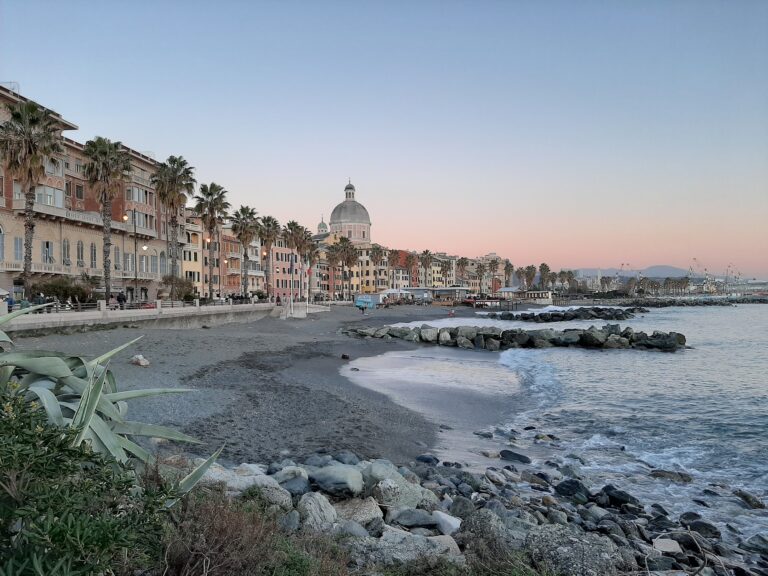
For about fourteen months, the cliffside path leading to Capolungo carried the name of a fascist naval commando unit. Until April 1944, it had been called the Passeggiata Principessa di Piemonte, but a prefectural commissioner under the collaborationist Salò Republic renamed it Passeggiata X Flottiglia MAS that same month, honoring one of the more notorious military formations of Mussolini’s final, desperate government. The name lasted barely over a year. On June 19, 1945, weeks after Liberation, Genoa’s city council renamed the promenade one final time, this time for Anita Garibaldi, wife of the revolutionary Giuseppe Garibaldi, and that name has held ever since. I hadn’t expected a two-kilometer clifftop walk to carry this much buried political history, but Nervi’s promenade absorbed an entire chapter of Italy’s darkest year before settling into the version tourists now photograph at sunset.
Capolungo sits at the promenade’s eastern end, an old fishing hamlet marking the boundary between Genoa and neighboring Bogliasco, and reaching it means walking the full length of that renamed, rebuilt, politically contested path.
A Steep Pebble Cove Facing Deep, Circulating Water
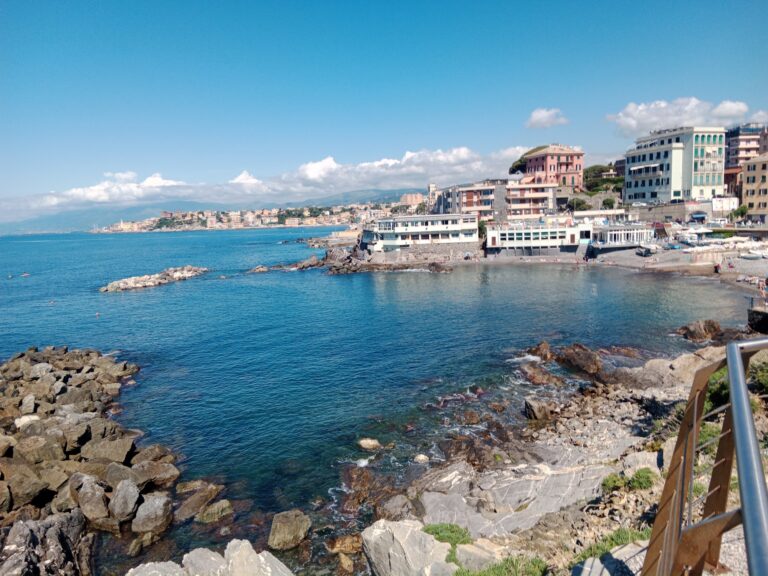
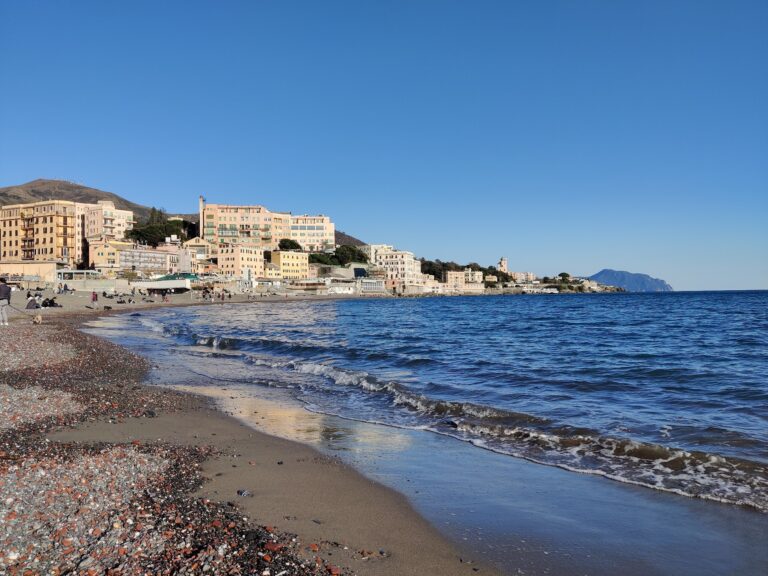
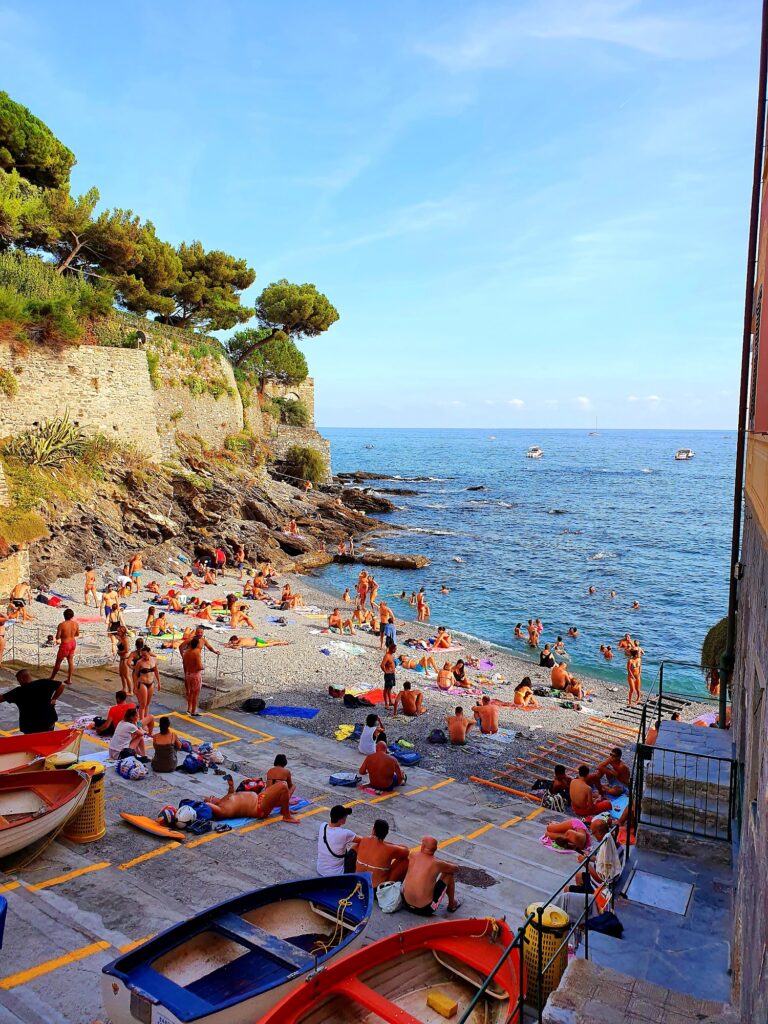
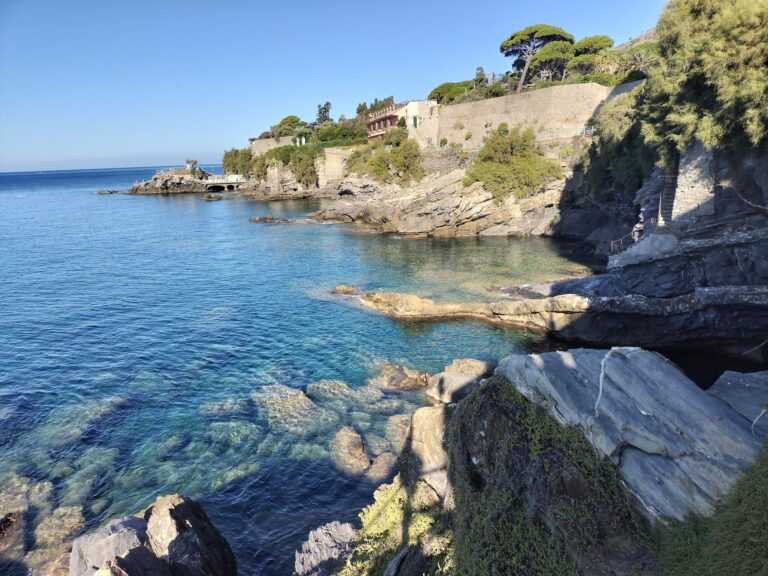
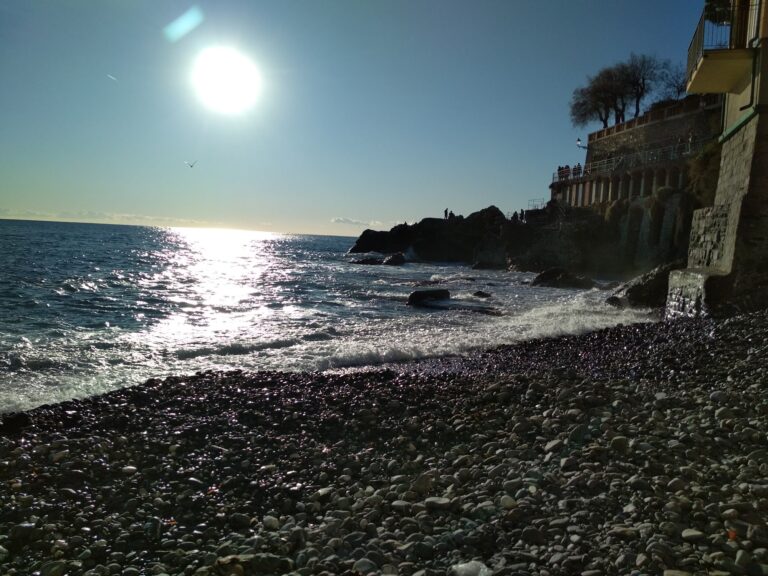
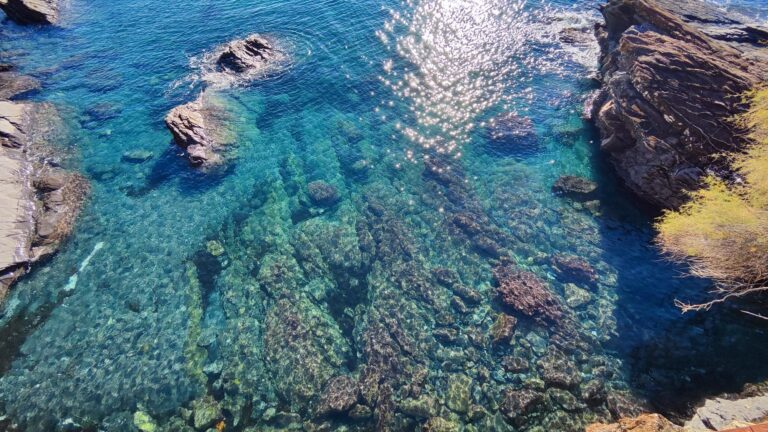
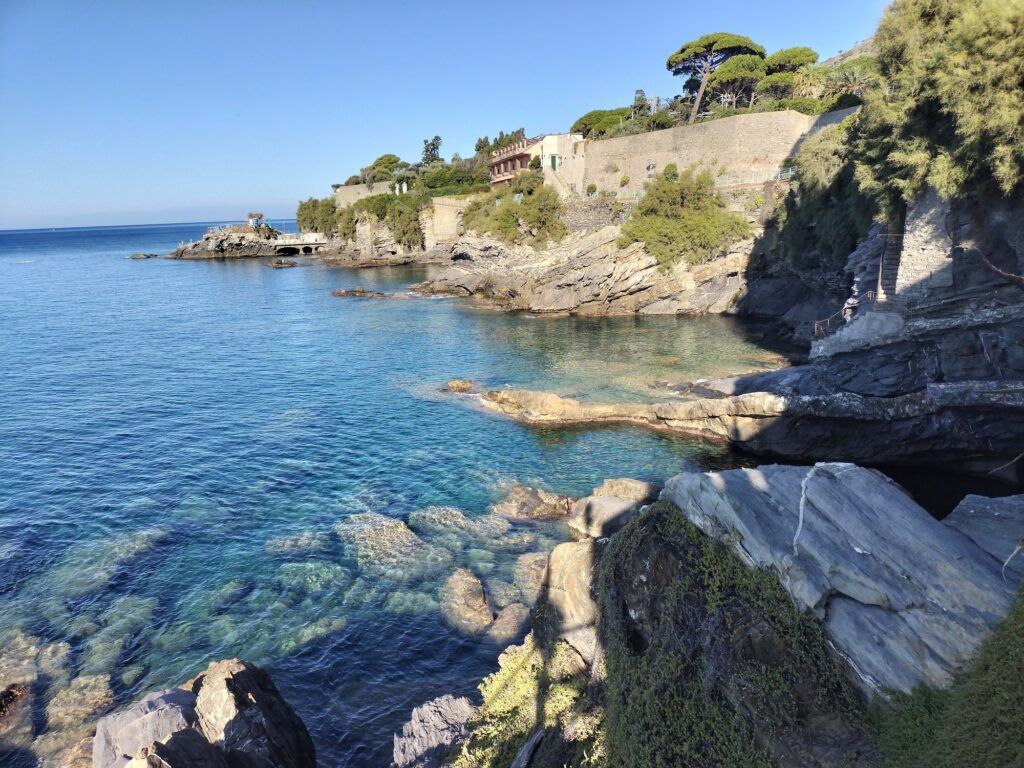
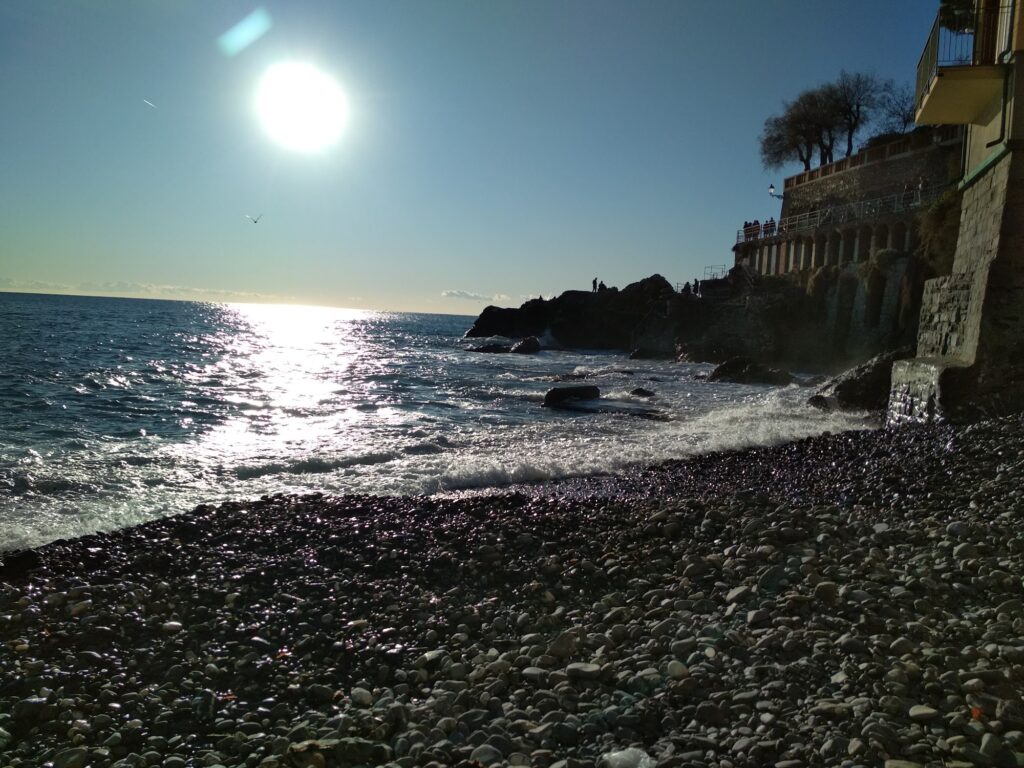
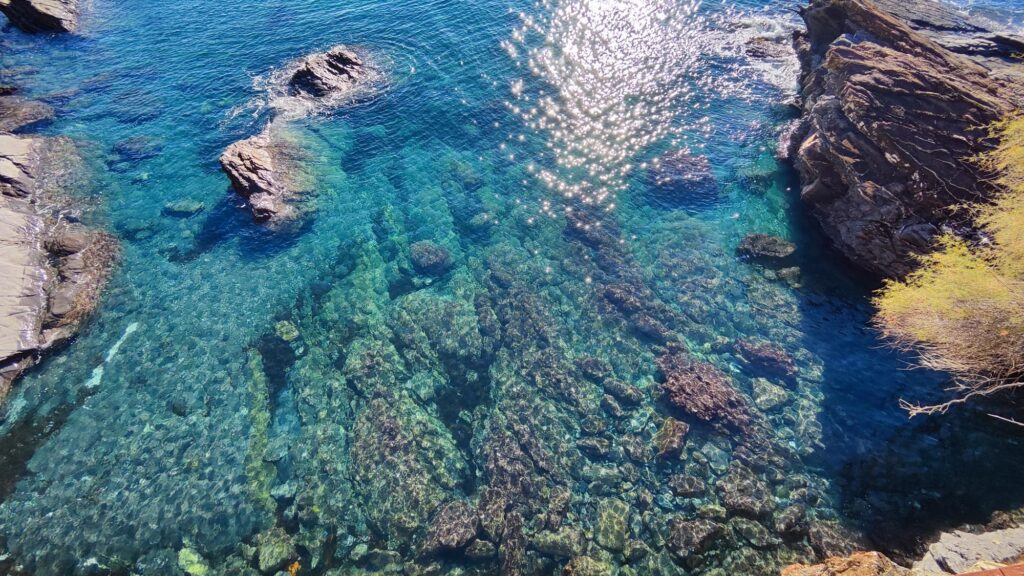
The shore here runs steep, dark polished stones and coarse shingle rather than sand, and I found the water quality genuinely exceptional, among the clearest I encountered anywhere along Genoa’s Levante coast. The cove opens directly onto deep marine channels, keeping the sea circulating and free of sediment, glassy aquamarine near the rocks deepening to cobalt just a few meters out. Snorkeling here turned up small octopuses and dense schools of silver fish among the rocky seafloor, genuinely active marine life rather than the sparser scenes I’d found at some more sheltered coves.
A Tower Built Against Corsair Raids
Partway along the promenade toward Capolungo stands the Gropallo Tower, built in the mid-sixteenth century as part of a defensive system responding to increasingly aggressive raids by the corsair Dragut, part of the same broader wave of Barbary piracy that shaped so much of this coastline’s early architecture. Originally called the Hay Tower, for the damp hay once burned atop it to signal danger by smoke, it was later purchased by Marquis Gaetano Gropallo, the same man who commissioned the promenade itself between 1862 and 1872, transforming what had been a rough 1823 footpath for fishermen and farmers into the paved, Tiffany-blue-railed walkway that exists today. The city bought the tower outright in 1936, and it’s since housed the Italian Naval League and a chapter of the National Alpine Association.
No Facilities at All, Deliberately
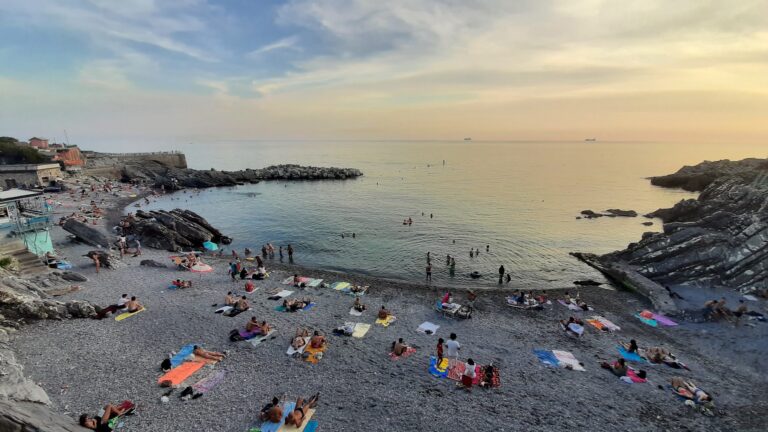
Capolungo offers nothing in the way of rented sunbeds, umbrellas, or lifeguard coverage, and I brought my own mat and shade on every visit, treating the complete absence of infrastructure as part of the appeal rather than a limitation. Given how thoroughly unorganized this cove remains, dogs would likely be fine here on a leash under Italy’s standard rule for free public beaches, though I’d double check locally given how narrow and rock-strewn the access can get.
A Cove That Rewards Confident Swimmers, Not Toddlers
The steep pebble incline means water depth increases quickly, and I’d steer families with very young children away from Capolungo specifically, the loose stones making steady footing genuinely difficult for anyone still finding their balance, strollers entirely out of the question on the final approach. Older children and teenagers, though, found real adventure in the rocky outcrops bounding the bay, and the exceptional underwater clarity made this one of the better spots I found for teaching a confident young swimmer to snorkel properly.
Pansotti, Focaccia, and a View Back Toward the Cliffs
The historic houses just above the pebble crescent hold genuinely local trattorias, and I ordered pansotti in walnut sauce more than once, a Ligurian specialty that paired well with the panoramic cliff views from the tables. Focaccia from a nearby bakery made for an easy lunch on the rocks, and as the light shifted toward evening, small bars set tables overlooking the water for Aperol Spritz and local white wine.
Getting There Along the Full Length of the Promenade
Genova Nervi station puts you at the western end of the promenade, from which the full walk to Capolungo takes about thirty minutes along the cliff edge, passing the Gropallo Tower and steady views toward Portofino and, on especially clear days, the outline of Corsica itself; AMT buses 15 or 17 terminate nearby in Nervi, leaving a short walk down through the historic creuze to the water, while drivers following the Via Aurelia will find parking genuinely limited, a small number of paid blue-line spaces along the upper avenues rewarding only those who arrive early. For anyone building a longer day along Genoa’s eastern coves, both Boccadasse Beach Genoa and Vernazzola Beach Genoa sit further west along the same general stretch, each with its own distinct character worth the additional travel time if the schedule allows.
Standing at the Tower as the Promenade Empties Out
By the time I made my way back along the promenade on my last evening, the crowds had thinned considerably, and I stopped again at the Gropallo Tower, its stone walls holding the last warmth of the day, thinking about how many different names this exact stretch of cliff has carried, fisherman’s path, marquis’s vanity project, princess’s promenade, fascist naval unit, and finally, permanently, the wife of a man who spent his life fighting for a version of Italy that could survive exactly the kind of year this path had briefly, uncomfortably, been named for.
Map
Sorry, no records were found. Please adjust your search criteria and try again.
Sorry, unable to load the Maps API.
Near by places: