Alipa Beach: The Bay of a Petrified Ship
Profile
Alipa Beach: Where a God Turned a Ship to Stone
Greece | Corfu | Ionian Islands | Ionian Sea
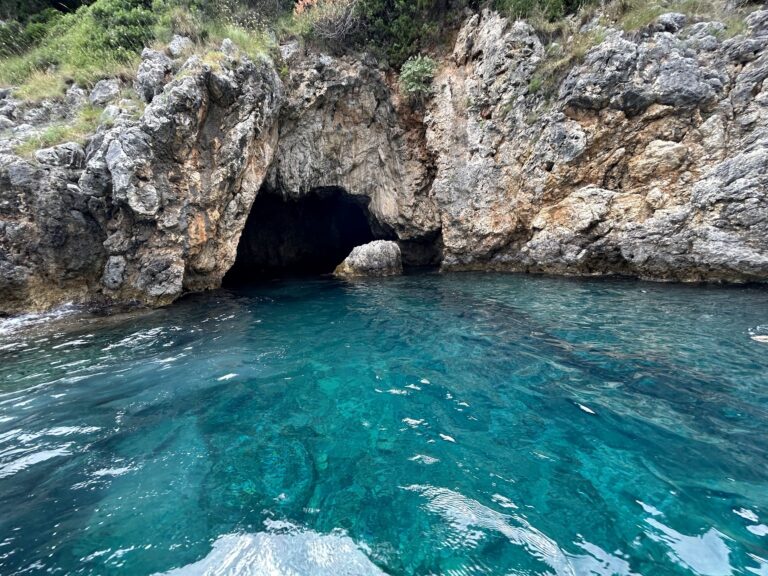
Homer’s Odyssey places one of its most pivotal scenes in the bay that Alipa Beach now shares with the village marina, a shipwrecked Odysseus washing ashore here and meeting Nausicaa, daughter of King Alcinous, before the Phaeacian ruler eventually agreed to send the exhausted hero home to Ithaca. A rock formation visible in the bay, known locally as the petrified ship, is said by legend to be the very vessel that carried him, turned to stone by an angry Poseidon after the Phaeacians helped Odysseus reach home too easily for the god’s liking. Corfu’s own name traces back to a related myth involving the same god, Poseidon shipwrecked here himself, falling for a nymph named Kerkyra, daughter of the river god Asopos, their union producing the Phaeacians who would later aid Odysseus on his own journey.
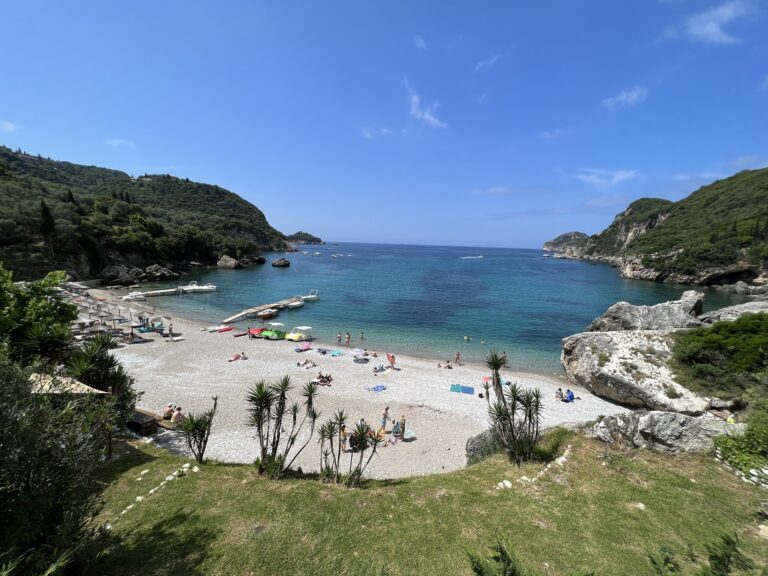
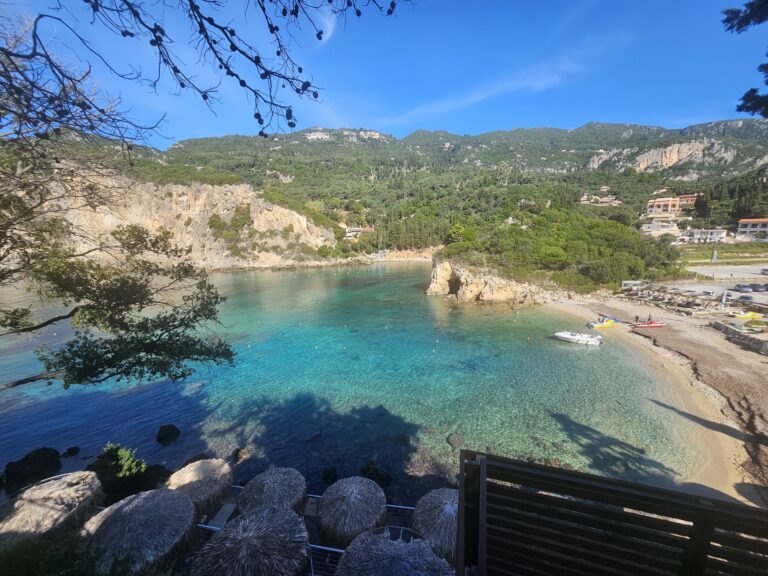
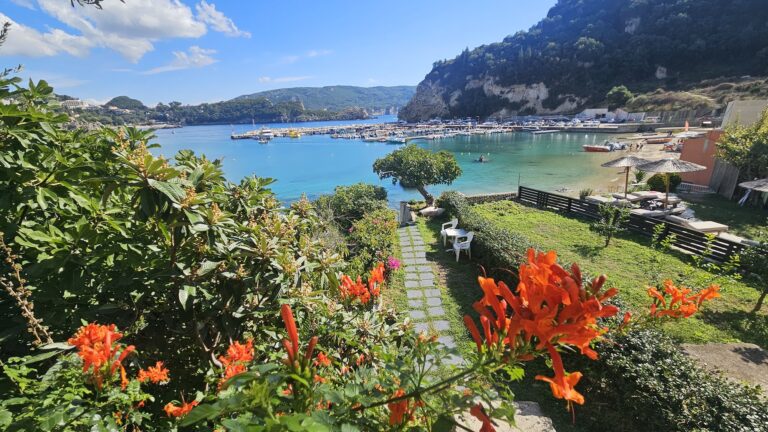
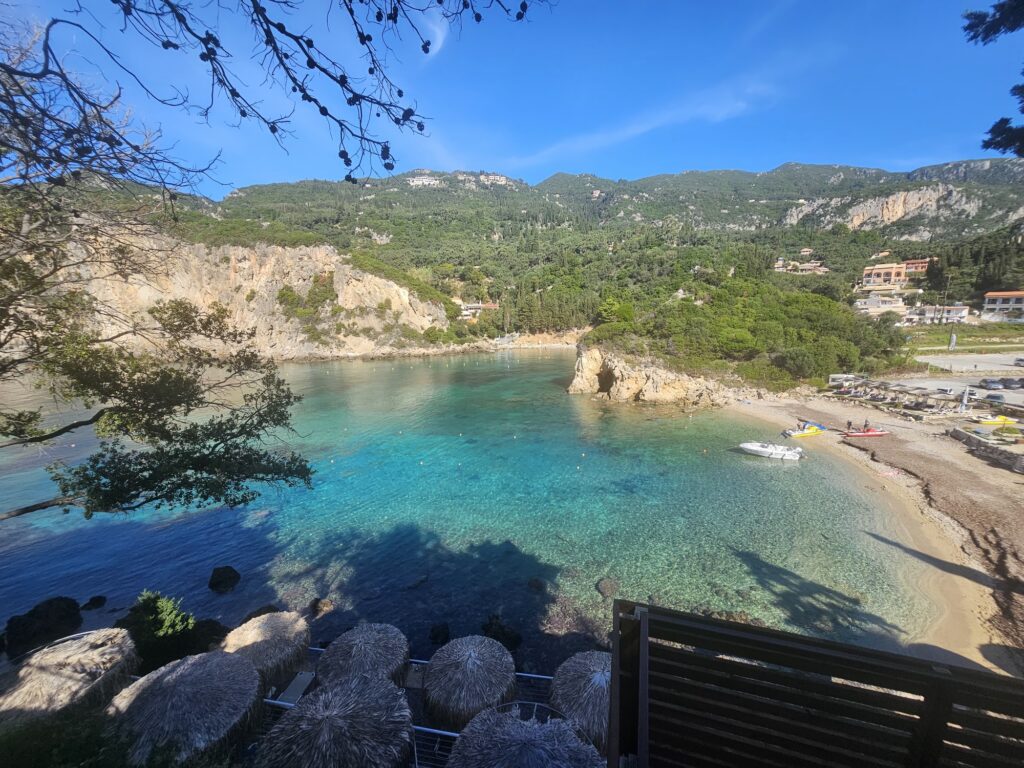
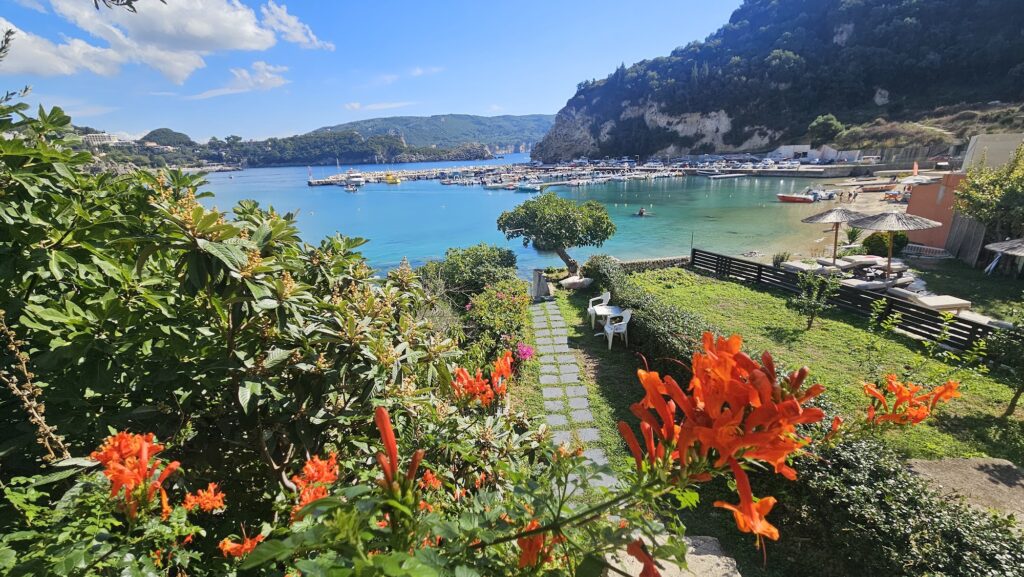
Alipa Beach sits at the functional heart of Paleokastritsa, the working marina around which this whole mythologized bay actually operates, white yachts bobbing in water that legend insists once carried a hero’s wrecked ship to shore.
Polished Pebbles Facing a Deep, Sapphire Drop
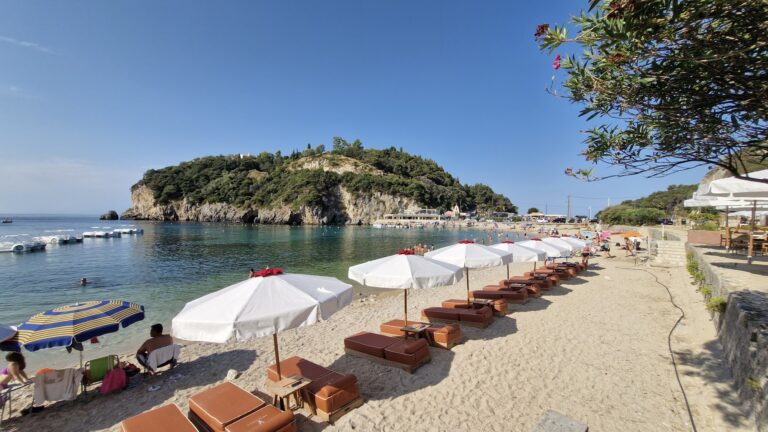
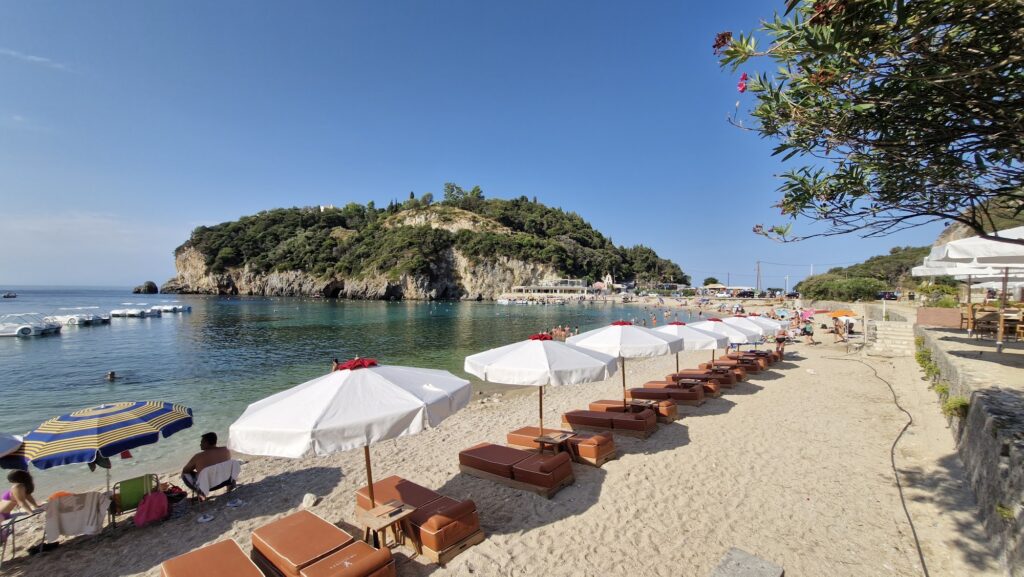
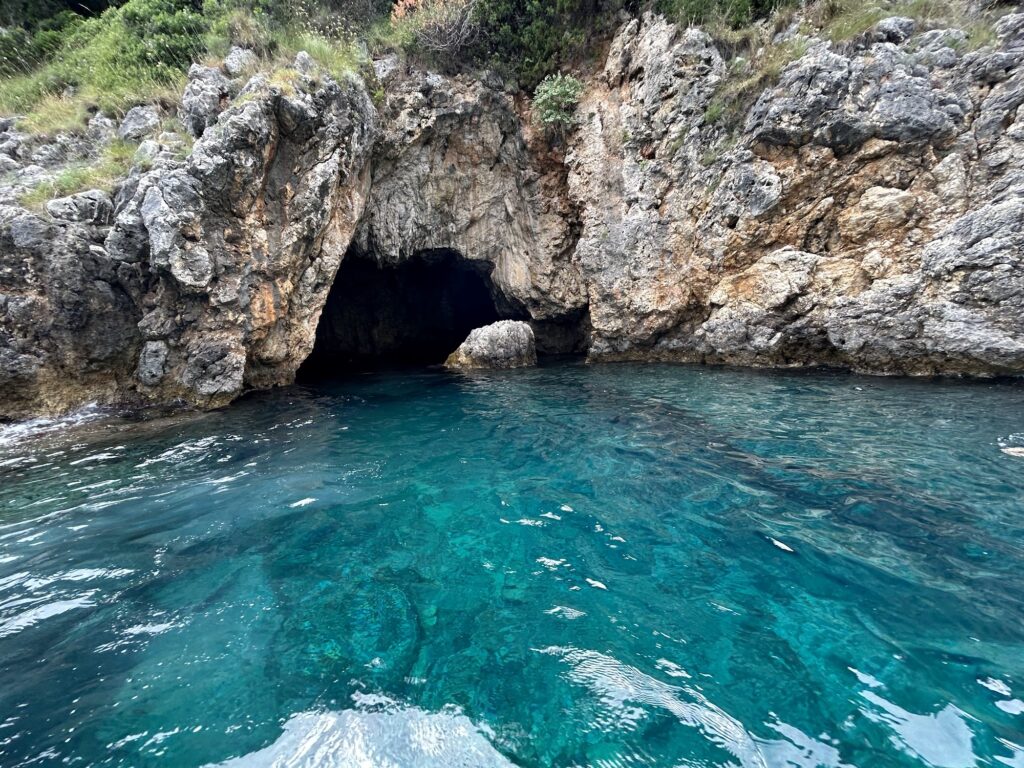
The shoreline here runs smooth, sun-bleached pebbles typical of Paleokastritsa’s coves, and I found the water exceptionally transparent, the seabed dropping away into genuine depth close enough to shore that I’d call this a beach for confident swimmers rather than anyone hoping for a shallow, gradual wade. Snorkeling along the rocky edges of the bay rewarded the effort, and the color shifted through the kind of deep, saturated indigo that made floating here feel considerably more dramatic than an ordinary marina swim usually manages.
A Monastery Watching Over the Whole Bay
Looking up from the water, the thirteenth-century Monastery of Theotokos sits perched on the cliffs above, dense cypress and olive groves framing a structure that’s been rebuilt multiple times since its founding, most sources dating the original construction to somewhere between 1225 and 1228. I made the climb up on a quieter afternoon and found a small courtyard bursting with bougainvillea, Byzantine icons inside the church, and, somewhat unexpectedly, the skeleton of a whale reportedly killed by a local fisherman in the nineteenth century.
A Working Harbor Rather Than a Resort Beach
Given how central Alipa sits to the marina’s actual function, boats loading and unloading passengers throughout the day, I found the atmosphere here genuinely different from the more purely recreational coves scattered further along Paleokastritsa’s coastline. Given the beach’s role as a working harbor alongside its recreational use, dogs would likely be fine here on a leash following the standard rule for Greek beaches, though I’d stay mindful of boat traffic given how active this particular stretch of water gets.
Getting There Along the National Road From Corfu Town
Alipa sits roughly 25 kilometers west of Corfu Town, a drive of about forty minutes along the well-paved national road toward Paleokastritsa, with signs directing traffic toward the Alipa Port or Marina as the village comes into view; the island’s Green Bus network runs frequent daily routes from Corfu Town, with a stop near the harbor leaving a flat, easy two-minute walk to the sand, and a large organized public parking area sits directly behind the marina, arriving before eleven worth planning around given how busy this particular spot gets even by Paleokastritsa’s already popular standards.
Standing Where a Myth Still Sits in the Water
By the time I left Alipa on my last evening, the light had dropped low enough to catch the petrified ship rock at an angle that made the legend genuinely easy to believe, whatever geological process actually shaped that stone considerably less interesting, in the moment, than the story locals have chosen to tell about it for as long as anyone can remember.
Map
Sorry, no records were found. Please adjust your search criteria and try again.
Sorry, unable to load the Maps API.
Near by places: