Psili Ammos Salamis: A Chapel Beside the Shore
Profile
Psili Ammos, Salamis: A 12th-Century Chapel Beside the Beach Facing Eleusina
Greece | Psili Ammos | Salamis, Saronic Gulf
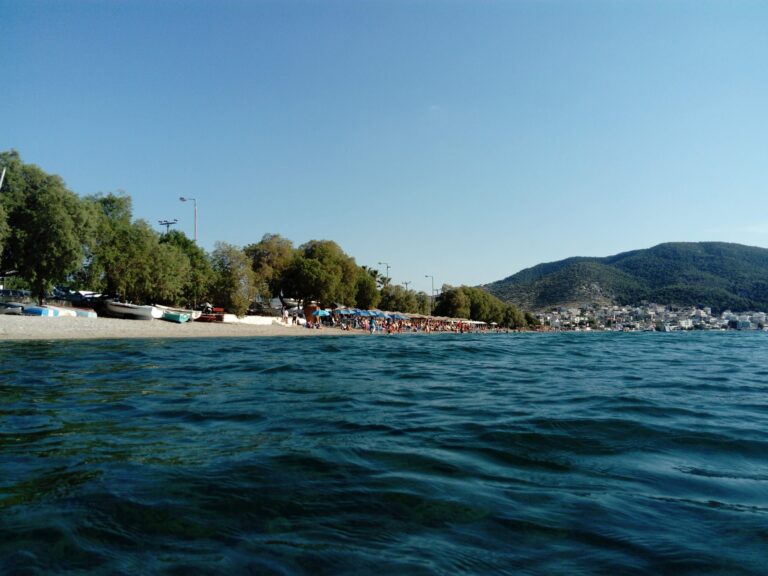
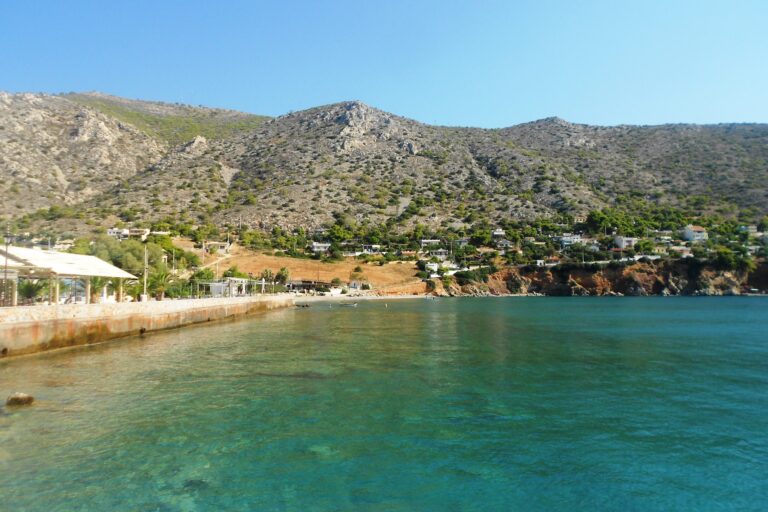
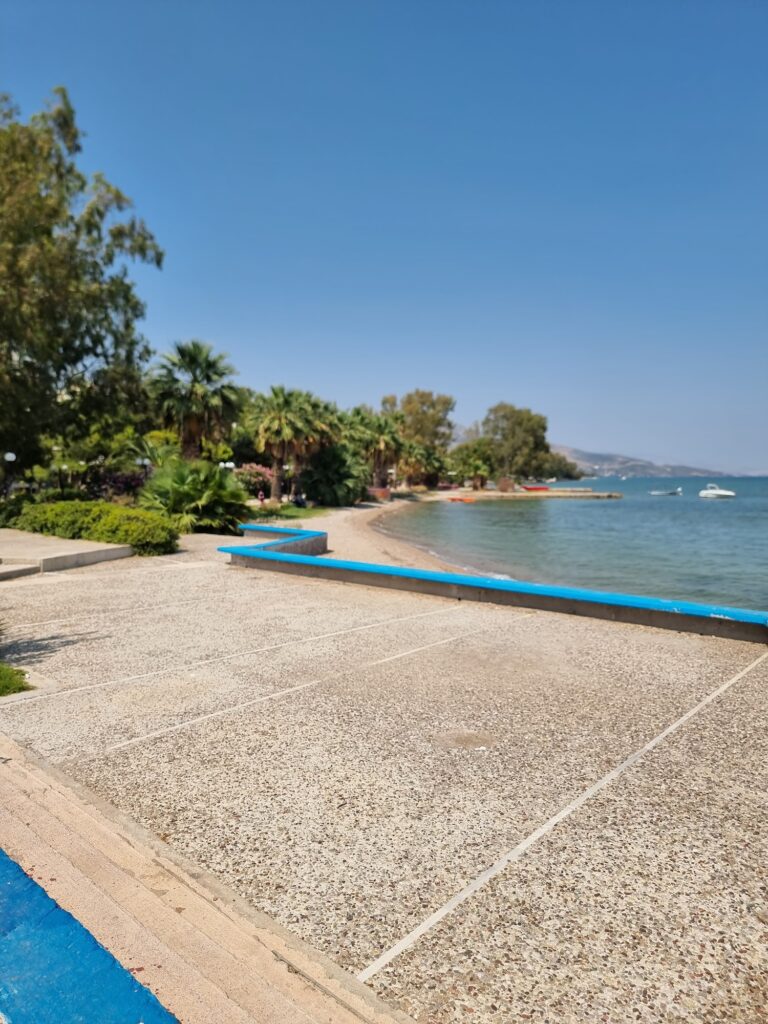
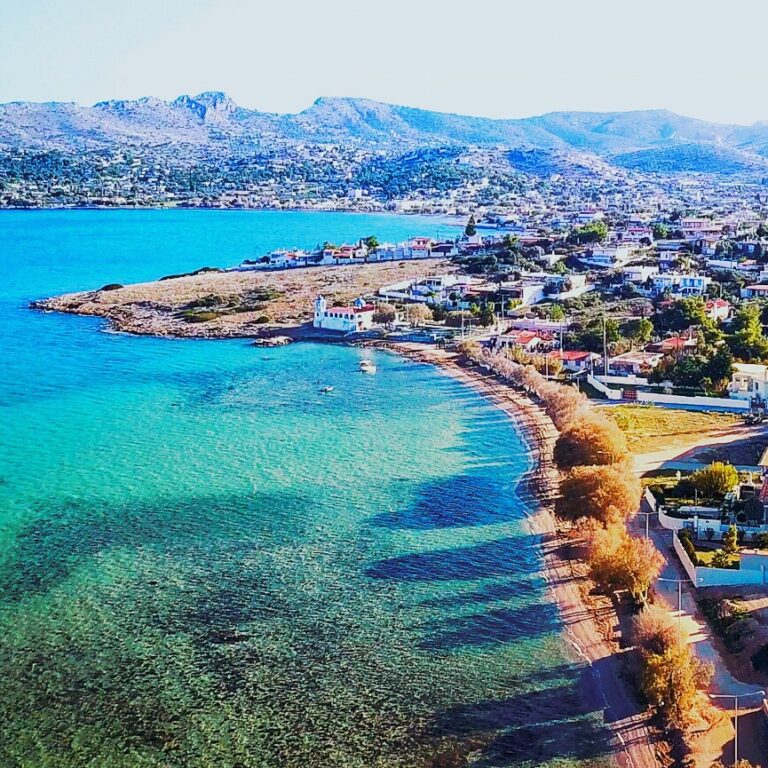
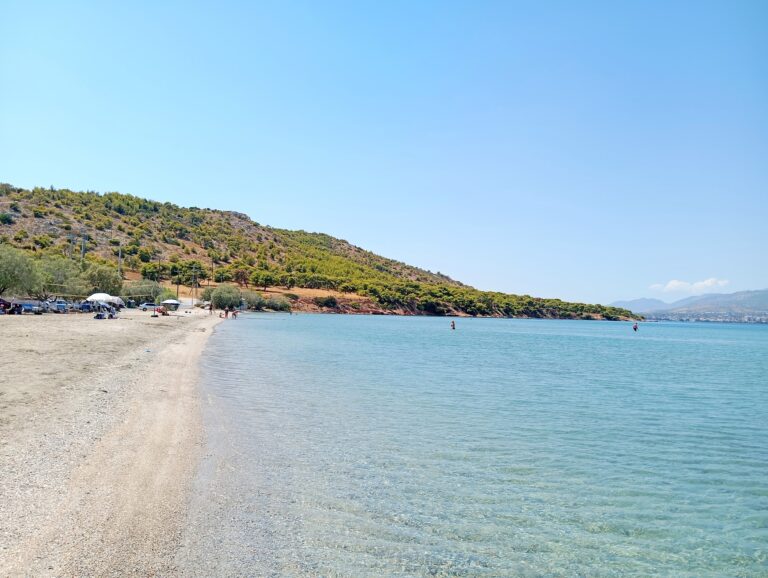
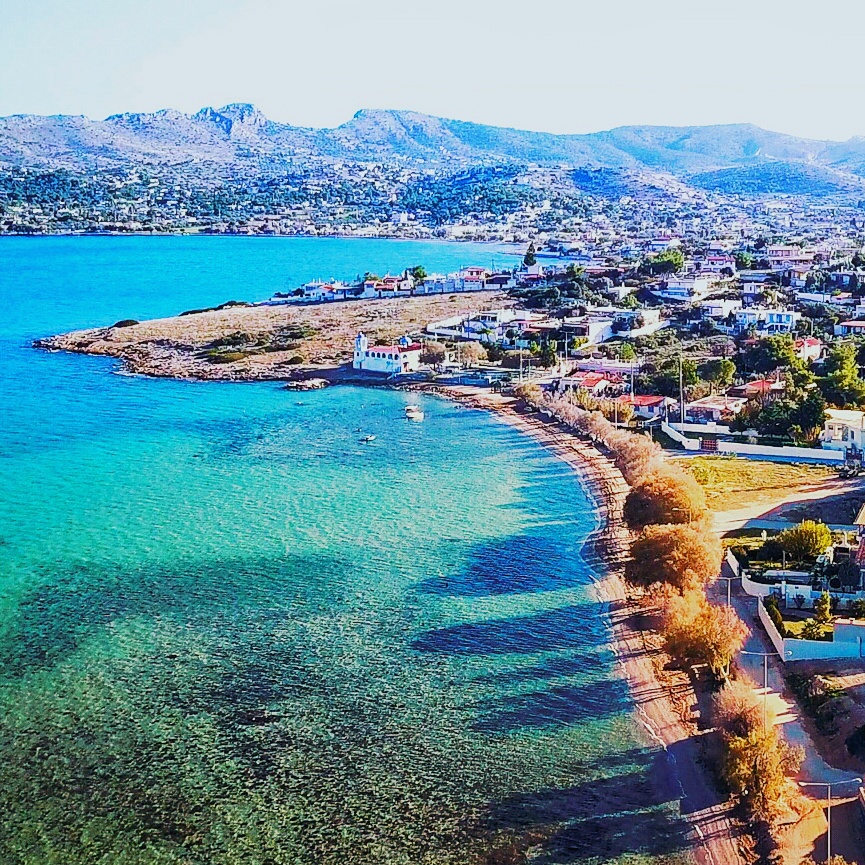
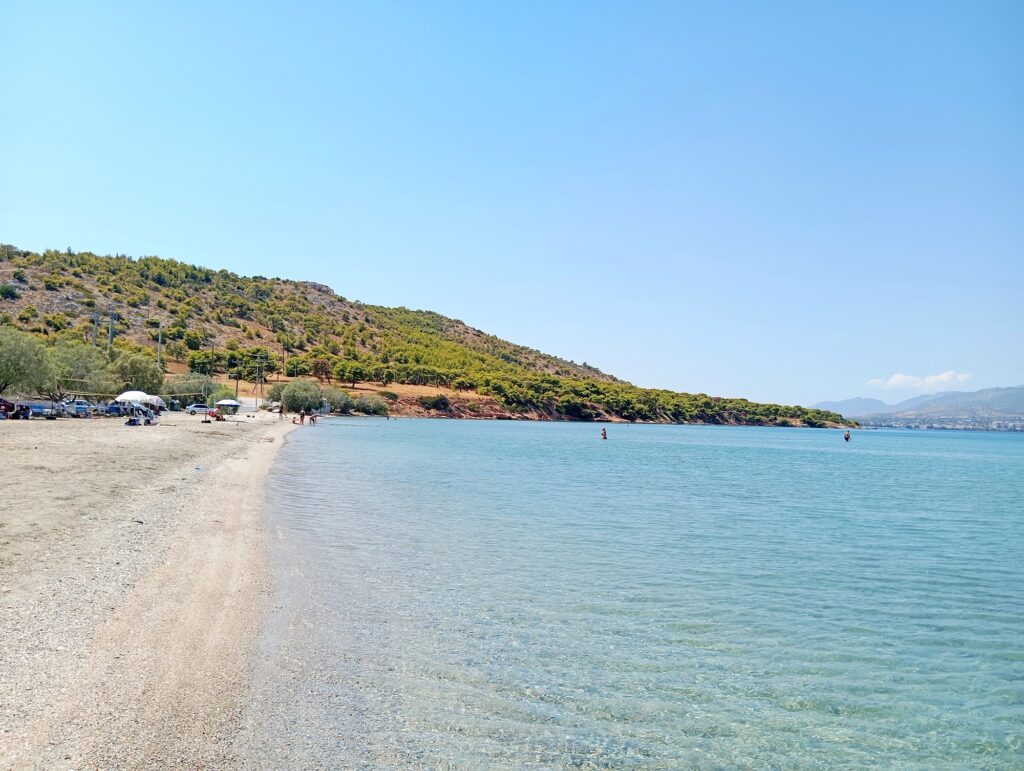
Psili Ammos faces Eleusina directly across the narrow strait that separates Salamis from the Attica mainland at this point. The name means simply Fine Sand, though the actual texture, like most beaches on the island, mixes sand with small pebbles rather than offering the uniformly soft surface the name alone suggests.
A genuinely old landmark sits in the immediate area: the Chantry of Saint Grigorios, dating to the 12th century, one of the oldest standing structures anywhere on Salamis. I find something specific and grounding about a beach this casually used by weekend visitors from Athens sitting directly beside a chapel that has stood, in some form, since well before Greece existed as a modern nation.
The wider northwestern stretch of the island, where Psili Ammos sits, also holds the Monastery of Panagia Faneromeni, a 15th-century foundation whose 17th-century church interior carries over 3,000 hand-painted figures across its walls and ceiling — a building that served as a hospital for fighters and a sanctuary for civilians during the Greek Revolution, with the tomb of revolutionary figure Captain Ioannis Gouras inside. A short walk from the monastery, a modest white house with blue shutters, built originally as a boathouse and given by one of the monks to the poet Angelos Sikelianos, who lived there in the 1930s — a friend of Nikos Kazantzakis and, like him, a restless traveller across Greece and seeker on Mount Athos.
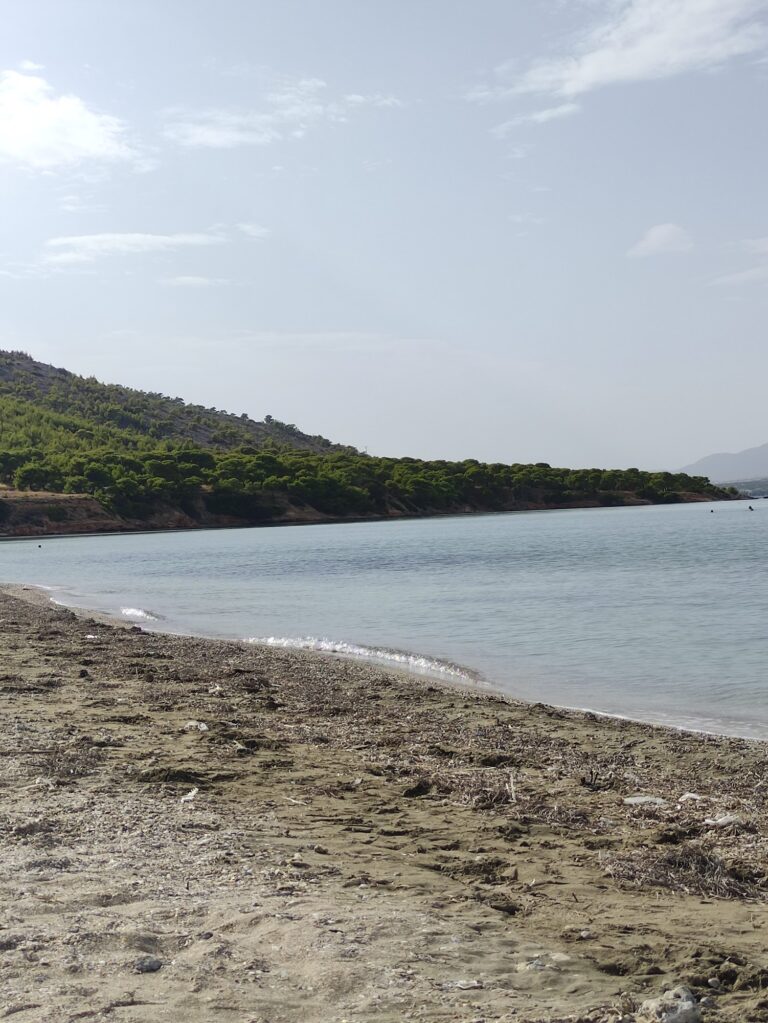
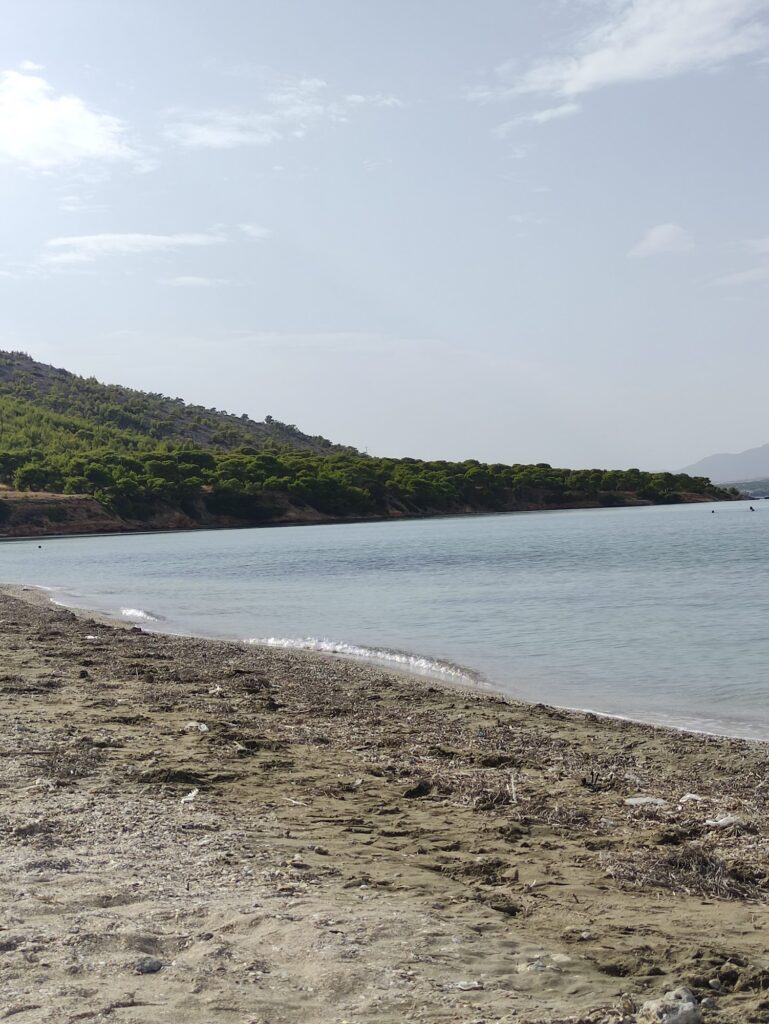
I should mention, since glowing descriptions of this coastline are common, that at least one detailed account specifically described litter strewn across several nearby beaches and roads during a particular visit, including the seafront cafés at Agios Nikolaos nearby — a complaint another traveller responded to by saying they’d had the opposite experience entirely. I’d treat cleanliness here as genuinely variable rather than assume either extreme, and judge conditions for myself on arrival rather than relying solely on photographs from someone else’s better day.
Getting There: Via Perama-Paloukia, or Directly From Megara to Faneromeni
The standard route uses the Perama-Paloukia ferry, the same fifteen-minute, round-the-clock crossing I described reaching Kanakia Beach Salamis Greece and Aias Club Beach Maroudi Salamis Greece, followed by a drive northwest across the island toward Psili Ammos and the Faneromeni area.
A second, more direct option exists specifically for this corner of the island: a separate ferry runs from the town of Megara in West Attica directly to the port of Faneromeni, on Salamis’s northwestern side, a crossing of just ten minutes, departing between 6am and 11pm. This route bypasses Paloukia entirely and puts visitors within easy reach of Psili Ammos without crossing the island at all — worth knowing if Megara sits closer to wherever a visitor is actually travelling from.
Local buses also connect from Paloukia port to the northwestern side of the island, stopping close to the beach itself.
The Beach: Sand and Small Pebbles, Genuinely Shallow, Organised in Sections
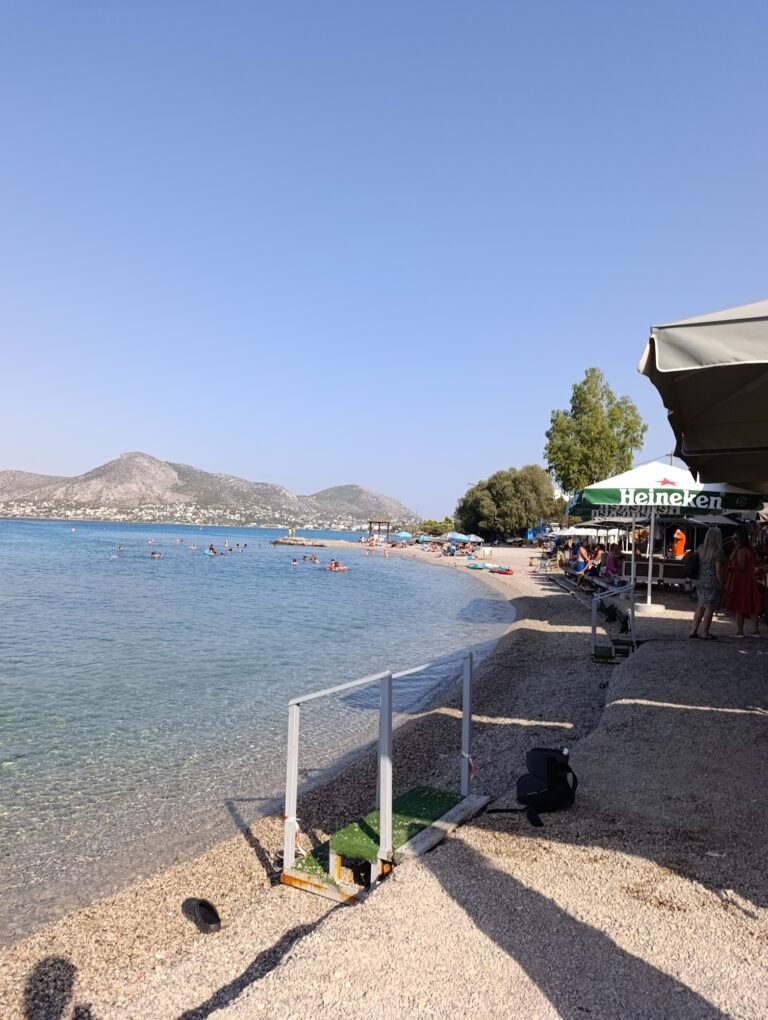
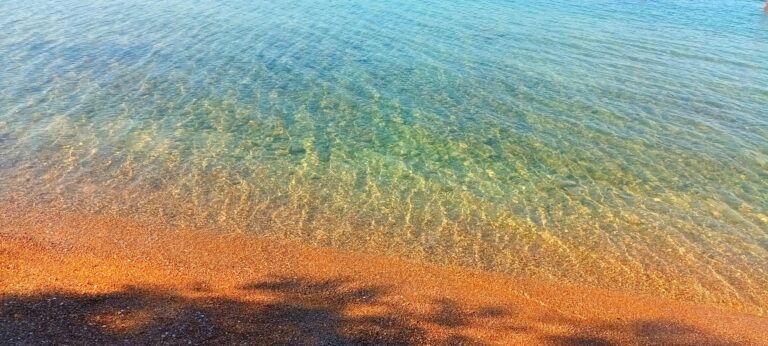
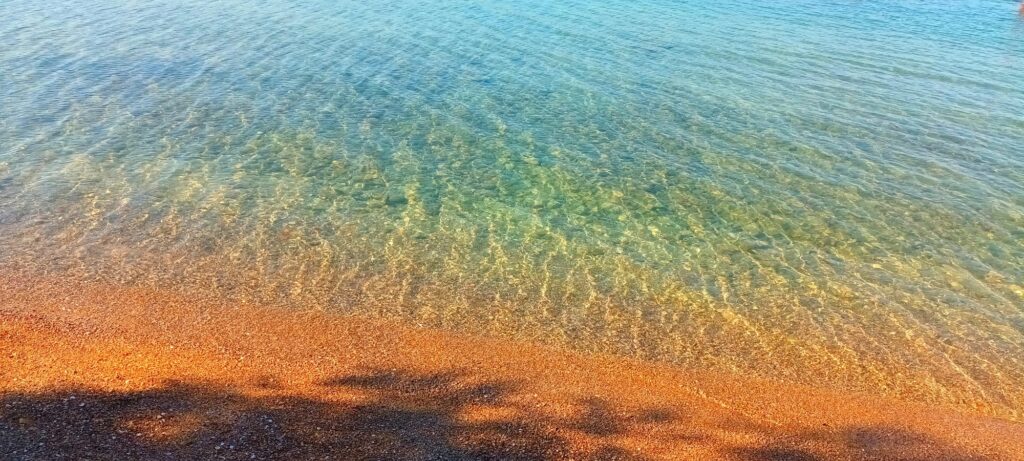
The water at Psili Ammos stays shallow for a considerable distance, consistently described as ideal for families with young children, the seabed sand mixed with small pebbles rather than the uniformly soft texture the name promises. Sunbeds and umbrellas occupy organised sections during the summer season, similar to the arrangement I found at Aias Club, while open space remains for anyone bringing their own gear.
Fish tavernas line the area for those wanting a meal after swimming, and the windmills along the road connecting Agios Nikolaos to both Psili Ammos and the Faneromeni Monastery add a specific, recognisable landmark to the drive.
Psili Ammos, on Salamis’s northwestern coast, faces Eleusina across the strait, and sits beside the 12th-century Chantry of Saint Grigorios, one of the island’s oldest standing landmarks. The 15th-century Faneromeni Monastery and the boathouse cottage of poet Angelos Sikelianos are both within easy reach nearby. Sand mixed with small pebbles, genuinely shallow water well suited to families, organised sunbed sections alongside free space, and a cleanliness record that at least one detailed account describes as inconsistent rather than uniformly pristine. Reachable via the Perama-Paloukia ferry and a drive across the island, or more directly via a separate ten-minute crossing from Megara to Faneromeni.
Take the ferry from Perama or directly from Megara to Faneromeni. Visit the 12th-century chapel while you’re in the area. Judge the cleanliness for yourself rather than assuming either extreme.
Map
Sorry, no records were found. Please adjust your search criteria and try again.
Sorry, unable to load the Maps API.
Near by places: