Agia Paraskevi Beach Karystos: Actually Eight Beaches
Profile
Agia Paraskevi Beach, Karystos: Eight Beaches in One Bay, Maintained by a Road Network Built for Army Officers
Greece | Paximada | Karystos, Southern Evia
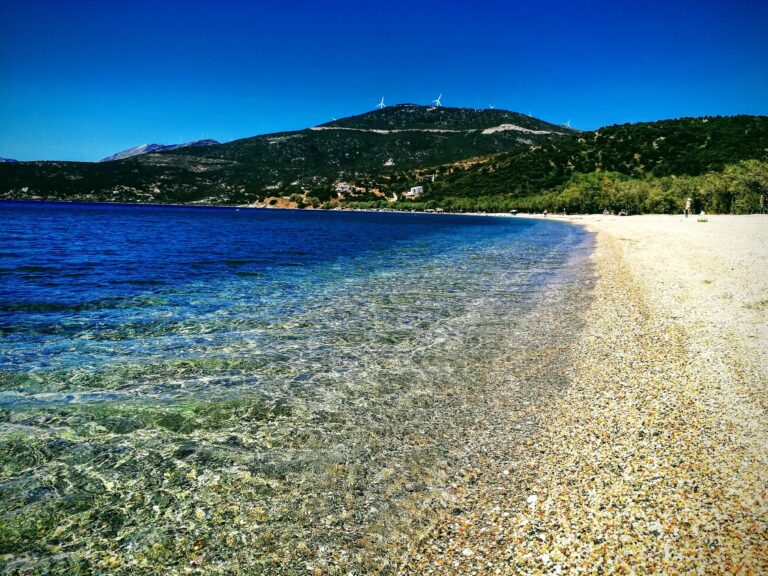
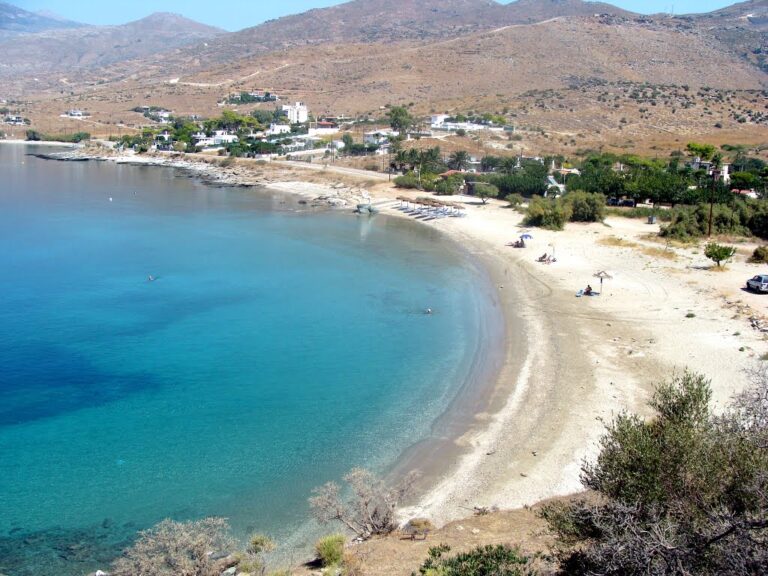
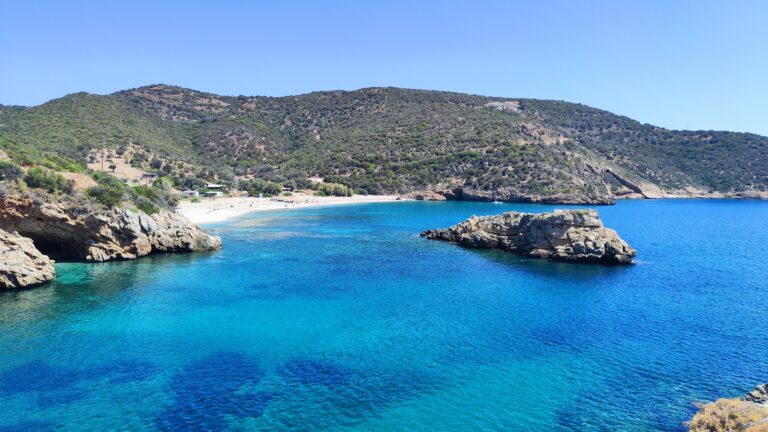
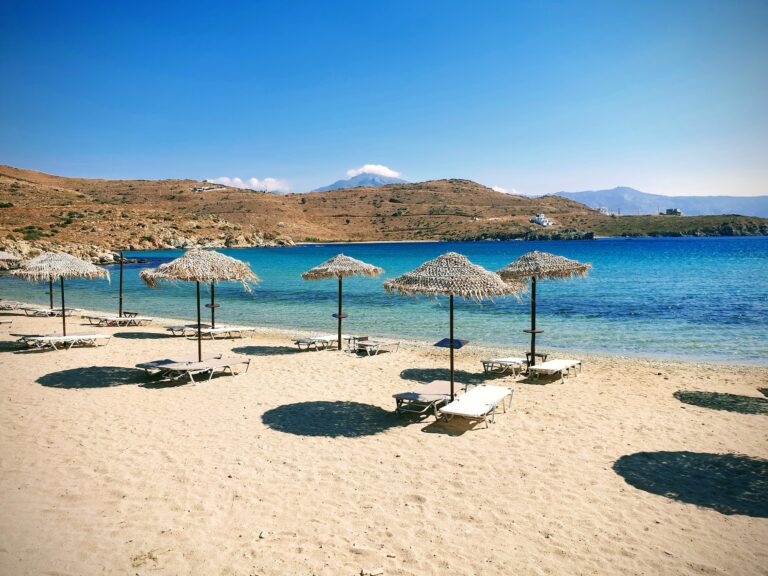
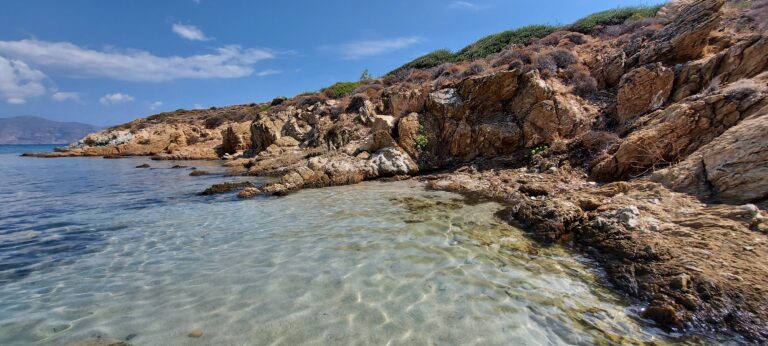
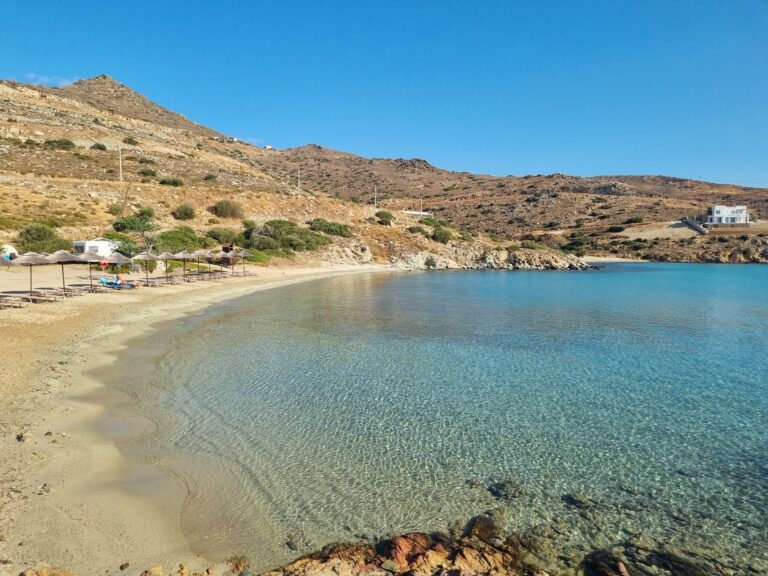
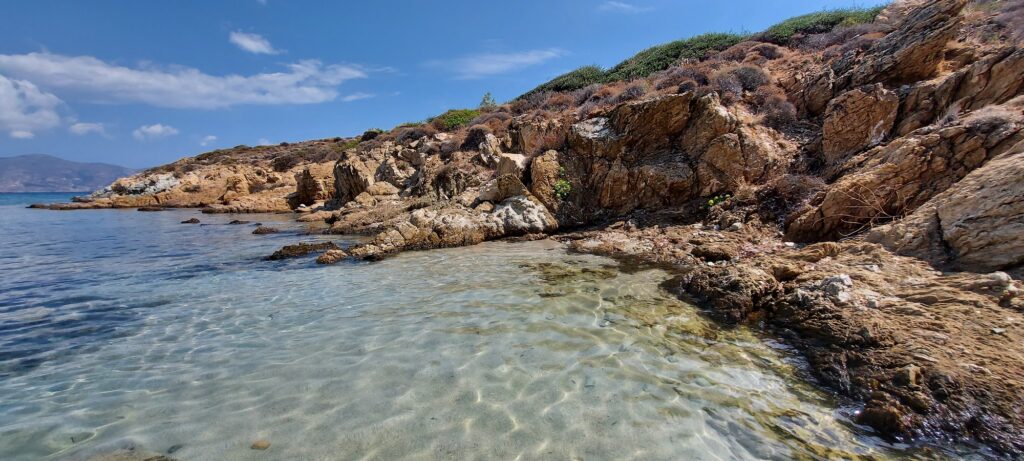
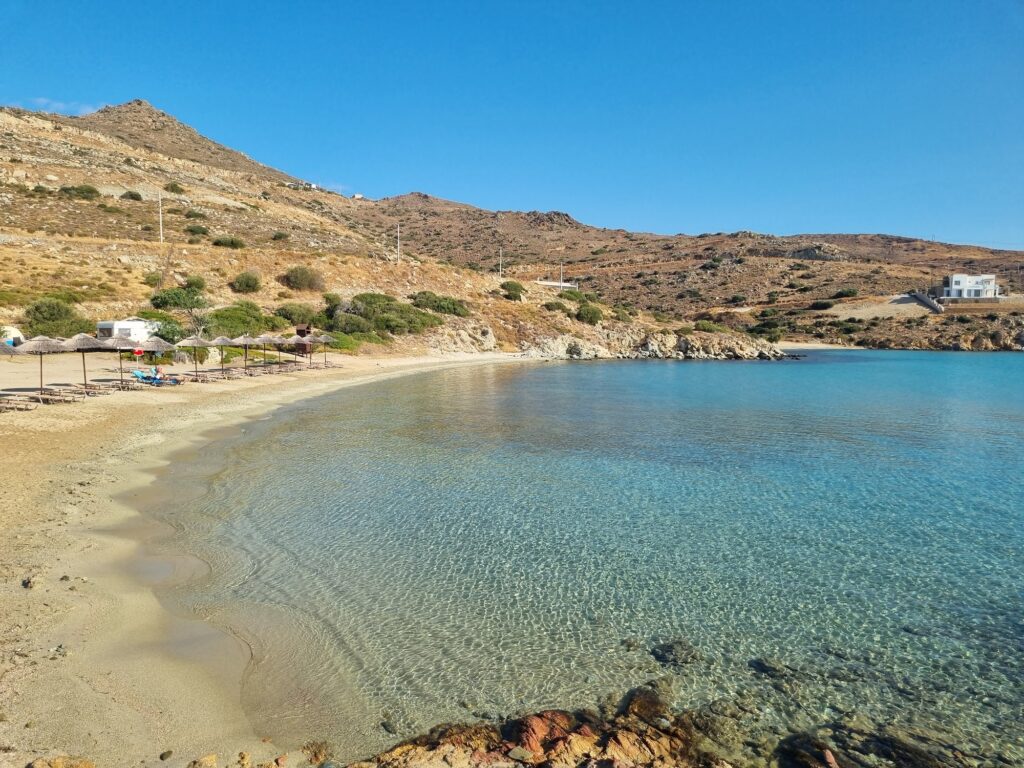
What is generally referred to as Agia Paraskevi Beach is, on closer inspection, not a single beach at all. The name covers a cluster of eight distinct beaches spread across a sheltered bay on the Paximada peninsula, southwest of Karystos, each with its own slightly different orientation toward south, east, or north. The beach looks out toward the open sea at the southern tip of the island, sheltered by the headlands of its own bay. The Petalioi islands, which I covered in relation to Great Sand Beach Megali Ammos Marmari Evia Greece, sit considerably further north near Marmari and have no direct view from this bay.
The area’s unusually good road network, paved and signposted in a way that surprised me given how undeveloped the immediate surroundings otherwise are, has a specific explanation. The land belongs to OSMAS, the Building Cooperative of Permanent Officers of the Greek Army, which maintains the roads according to its own urban plan for a future residential development that, as of my visit, had not materialised into actual housing. The practical result is a paved route to several near-deserted beaches that would otherwise require considerably rougher driving.
A church dedicated to Agia Paraskevi sits on raised ground near the coastline, giving the beaches their collective name, and Mount Ochi rises behind the wider bay of Karystos — the mountain to which local myth attaches the love affair of Zeus and Hera, the supreme deities of ancient Greek religion. Karystos itself has a documented history of contested control: a Venetian trading hub for centuries, later a crucial Ottoman fleet supply base that the Ottomans fought hard to retain before finally losing it to Greece in 1833.
Getting There: Ten Kilometres West of Karystos, the Coastal Road Past the Bridge
From Karystos, I followed the coastal road west past the edge of the town’s long beach, crossing a small bridge over the sea before the road climbed a hill roughly 7.5 kilometres out, revealing the bay and its scattered coves below. A sign for Agia Paraskevi marks the first major junction; I took the left turn running parallel to the sea rather than continuing straight, which led me past several of the smaller beaches before reaching the main organised one.
By car, the drive from Karystos takes roughly fifteen to twenty minutes. A taxi covers the same distance, though I would secure a return arrangement in advance, since the area has no public transport and limited passing traffic.
The Beach: Fine Sand, a Sharp Pebbled Entry on the Right, Sea Urchins on the Far Left
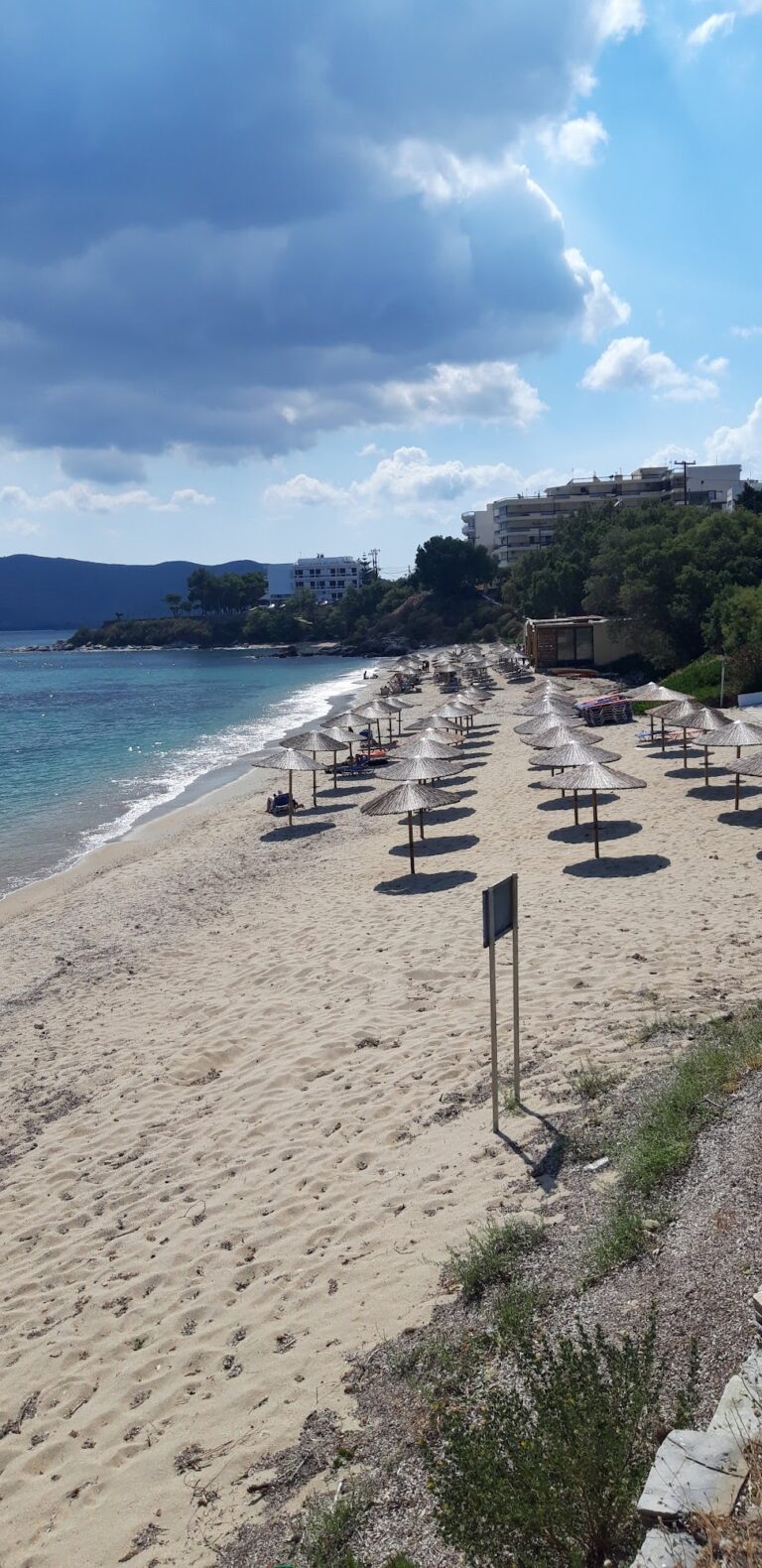
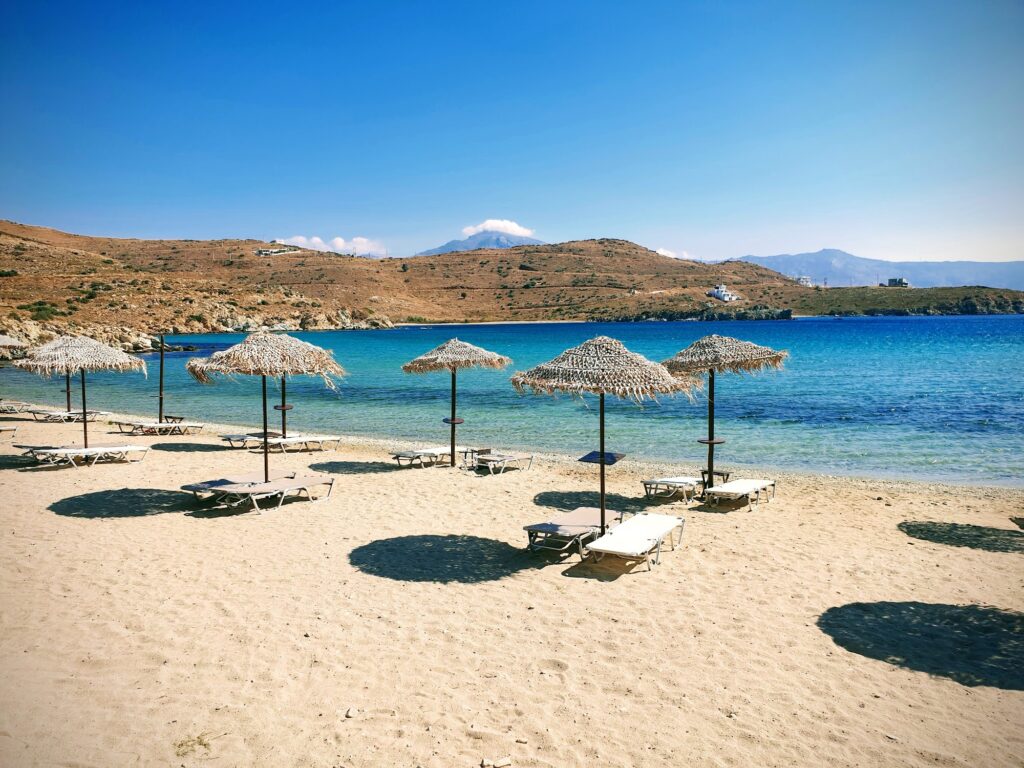
The main organised beach, in operation with a beach bar since 2010, stretches for roughly 500 metres, the bottom decreasing gently enough that water shoes are not generally necessary. One detail worth knowing in advance: the first few metres at the water’s edge can be pebbly and uncomfortable underfoot, and entering along the right side facing the water avoids this, while the far left side of the beach has been known to have sea urchins washed up on the sand, worth avoiding rather than testing directly. Shallow water extends a considerable distance from shore, and the sand itself, once past the entry, is fine and pleasant.
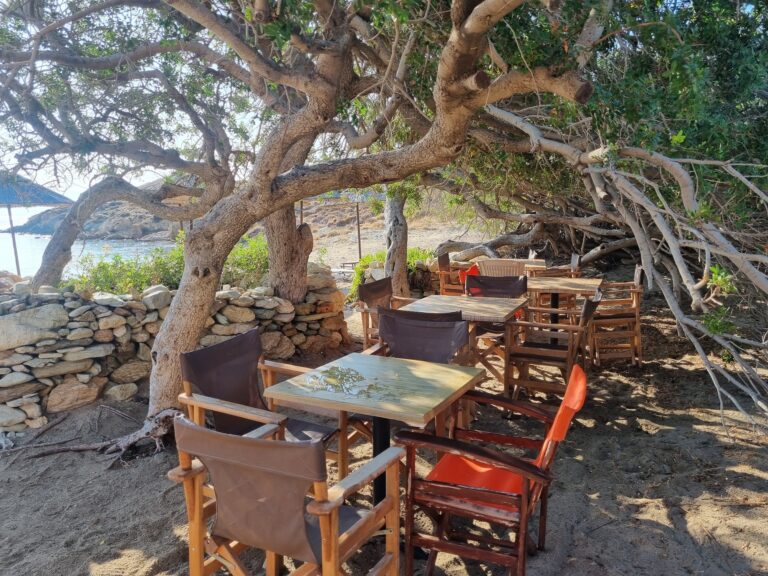
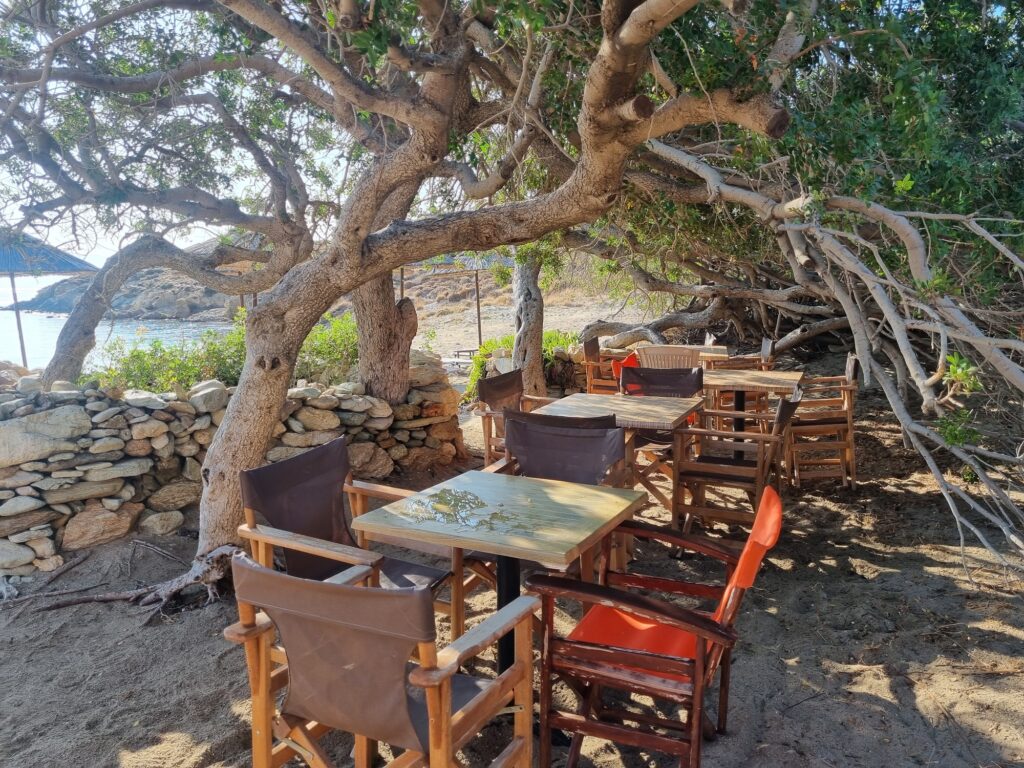
A beach bar charges around six euros for a pair of recliners and an umbrella, with shade also available beneath trees toward the back of the beach, particularly useful in the late afternoon once the sun moves behind the shoreline. On windier days, a personal umbrella left unsecured is unlikely to stay upright — more than one visitor account mentions losing one to the wind.
Agia Paraskevi Beach near Karystos is in fact eight distinct beaches across a sheltered bay on the Paximada peninsula, their unusually well-maintained road network a consequence of land ownership by a Greek Army officers’ housing cooperative rather than conventional tourism development. Fine sand, a sharp pebbled entry best avoided on the right side facing the water, sea urchins occasionally present on the far left, shade from trees toward the back, and a beach bar in operation since 2010. Mount Ochi rises behind the wider Karystos bay, the site of a local myth involving Zeus and Hera, and Karystos itself carries a documented history as a contested Venetian and later Ottoman stronghold until 1833. Roughly ten kilometres and fifteen to twenty minutes west of Karystos.
Drive the coastal road past the bridge. Take the left turn at the Agia Paraskevi sign. Enter the water on the right side, away from the urchins on the left.
Map
Sorry, no records were found. Please adjust your search criteria and try again.
Sorry, unable to load the Maps API.
Near by places: