Žitna Beach Korčula Island: Narrow Bay Neon Turquoise
Profile
Žitna Beach, Korčula Island: The Narrow Bay Near Zavalatica Where the Water Goes Green
Croatia | Dalmatia | Korčula Island
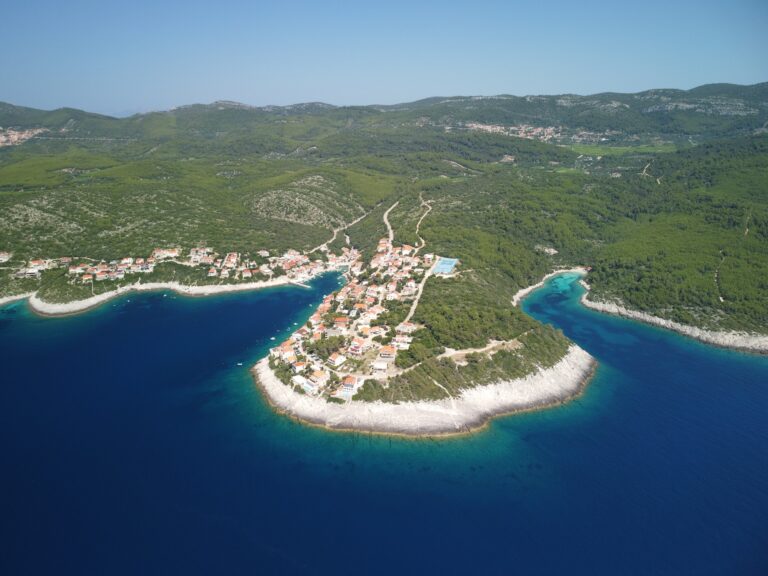
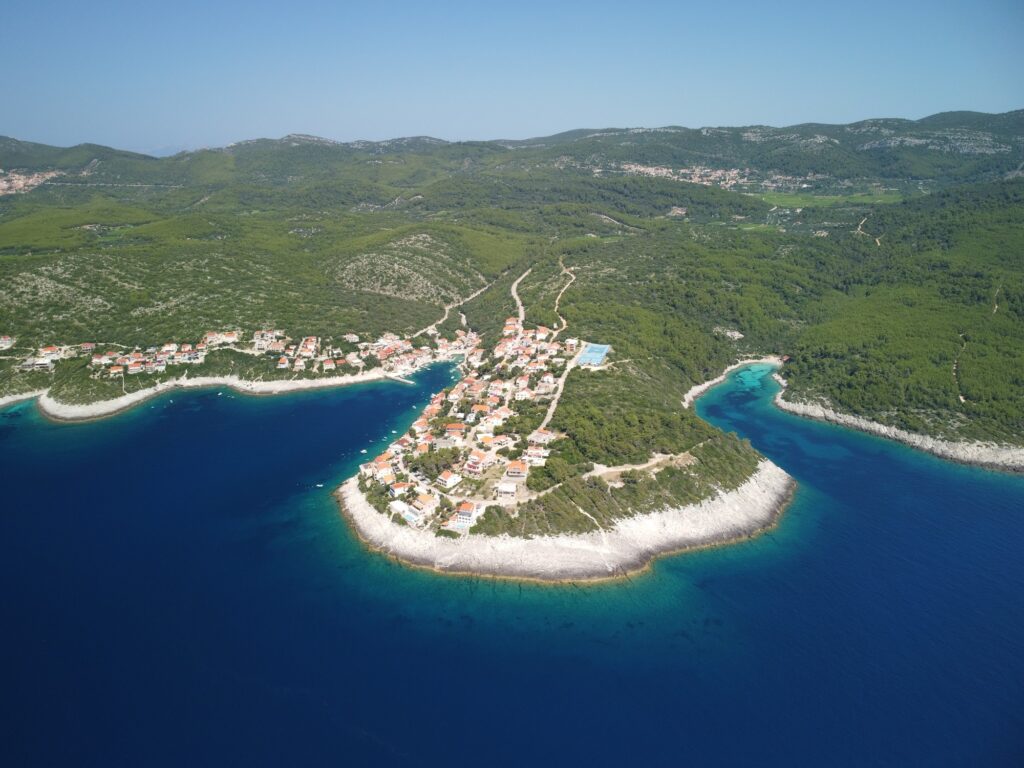
Korčula Island has a southern coast that most visitors never fully explore — the road from the town heading west through the interior, the villages of Čara and Zavalatica sitting above the coast at elevations that give their terraces views across the open Adriatic toward Lastovo, the coves below them accessible by short descents that most people in transit between the ferry ports and the resort beaches do not stop for.
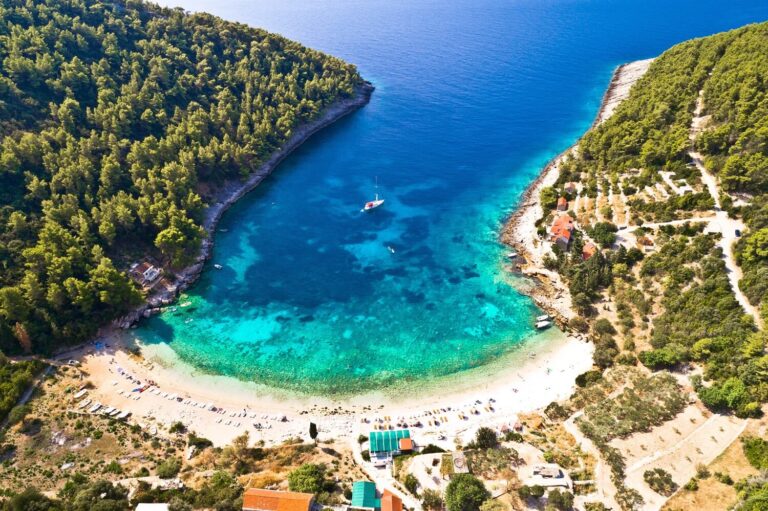
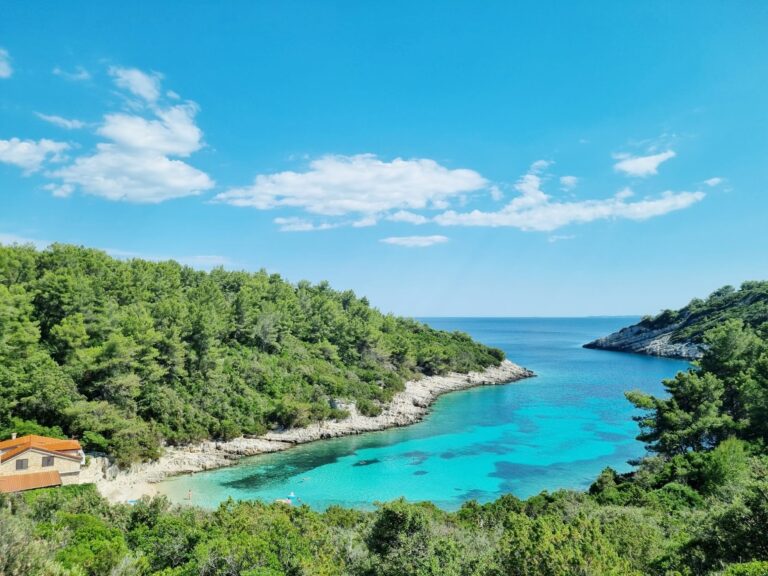
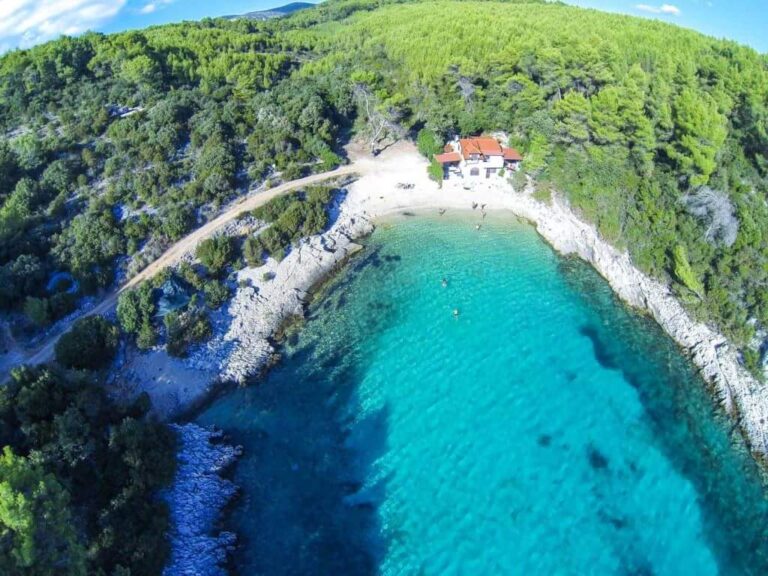
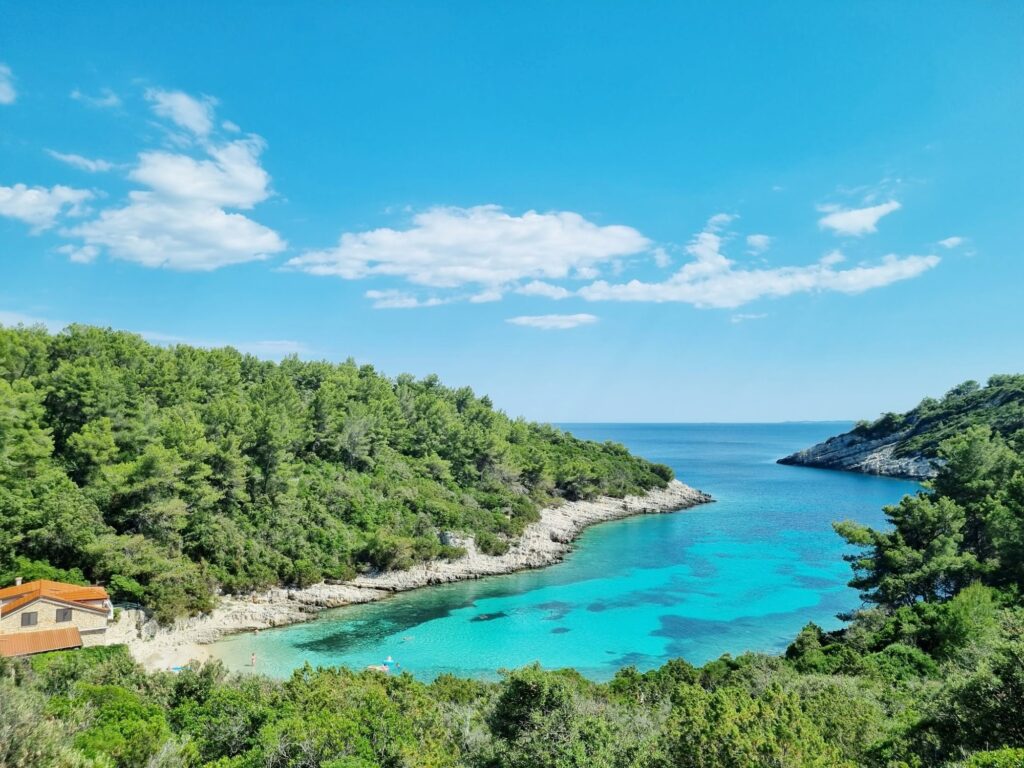
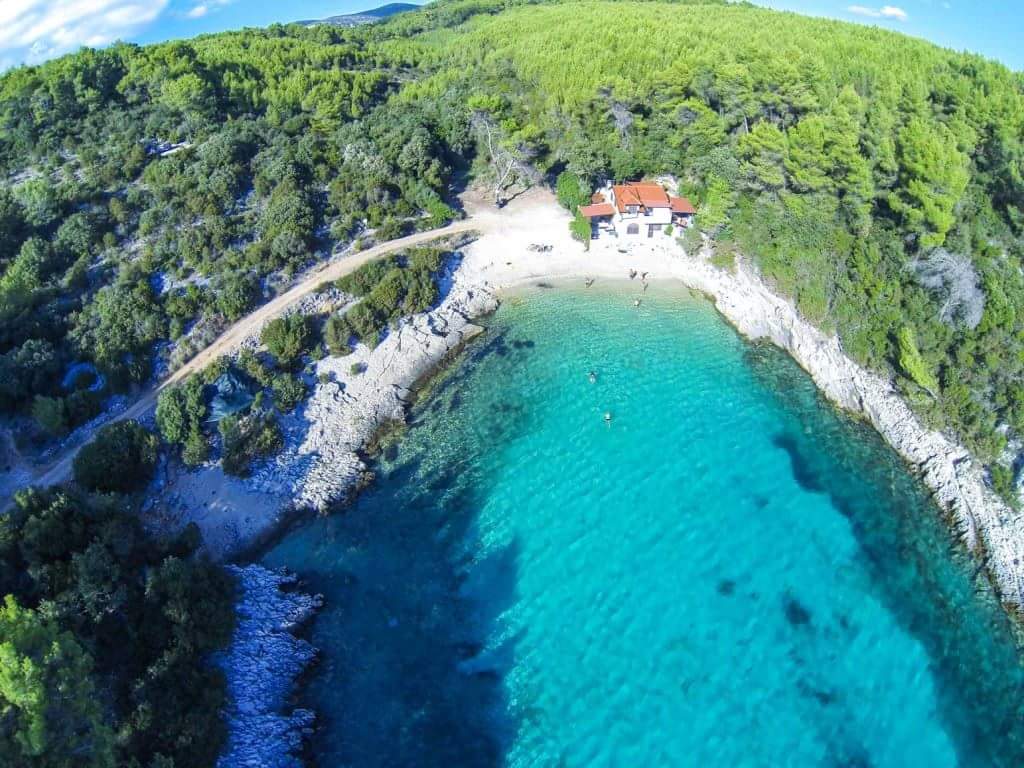
Žitna is one of those coves. It sits below the coastal settlement of Zavalatica, reachable by a ten-minute walk from the designated parking areas in the village, and it is a bay of a specific and unusual character — narrow enough that the cliff walls on either side frame the water so closely that the light refracting from the pale sandy bottom fills the entire interior of the bay with a vivid neon turquoise that the broader, more open bays of the island’s northern coast do not produce.
I found it by following directions from a local in Čara who described it with the specific brevity of someone who assumes everyone in the vicinity already knows about it. They described the colour of the water. They were accurate.
Getting There: Zavalatica and the Ten-Minute Walk
How to get to Žitna Beach from Korčula Town involves driving toward Vela Luka or through the interior toward Čara, then following the road down to the coastal settlement of Zavalatica.
From Korčula Town, the drive through the island’s interior to Čara and then down to Zavalatica takes approximately twenty-five to thirty minutes — a route that passes through the vineyard and olive grove landscape of the island’s central ridge before descending toward the southern coast. The village of Zavalatica sits above the bay and has designated parking areas for visitors to the beach. From those parking areas, the dedicated pedestrian path to the bay takes approximately ten minutes — a short, downhill walk through the pine and scrub that borders the path, the bay visible below as the path descends.
By boat from the nearby harbour, the approach delivers the bay’s characteristic colour from the water — the turquoise visible inside the narrow entrance before you have fully entered the bay — and is the most immediately dramatic introduction to the specific light effect that the bay’s enclosed geometry produces. The calm interior allows anchoring in the central section of the bay without difficulty.
The Bay: Narrow Geometry, Sandy Bottom, Neon Light
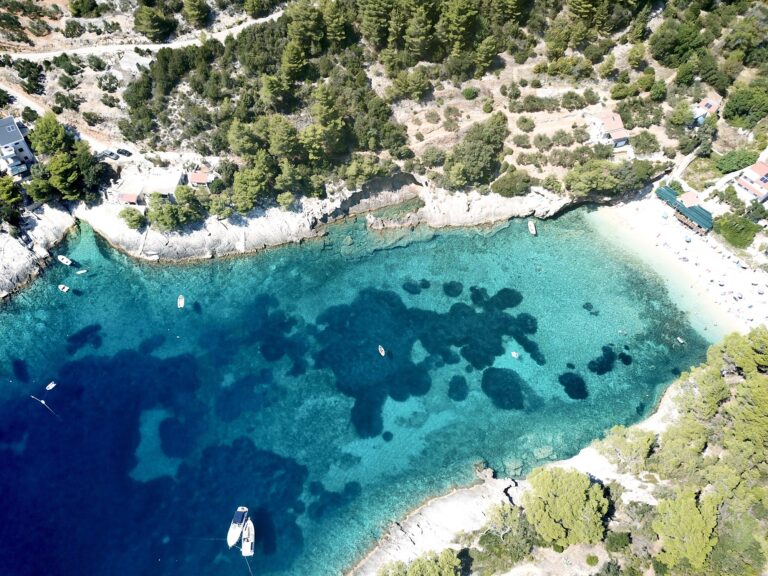
Žitna is a narrow, deeply indented bay on the southern Korčula coast — the cliff walls on either side of the bay pressing close enough to the water that the reflected light from the pale sandy seabed fills the enclosed interior with an intensity that open bays do not achieve. The effect is the specific neon turquoise colour that the source text describes accurately — not the pale turquoise of a broad, open-faced bay but the vivid, almost luminescent version that a narrow bay with a reflective floor and overhead light concentrated by the cliff walls produces.
The shore is fine, sun-bleached pebbles at the water’s edge, transitioning to a sandy bottom as the depth increases in the central section of the bay — the sandy composition present in sufficient quantity to distinguish the underwater feel of Žitna from purely rocky bays on the southern coast and to provide the soft surface that the calm, shallow water above it makes directly visible from the shore.
The Aleppo pines that lean over the bay from the cliff edges above provide the natural shade that the narrow bay’s geometry would not otherwise produce — the cliff walls themselves shadowing sections of the beach as the sun moves, and the pine canopy at the cliff edge filling in the gaps. The combination gives the bay a quality of shaded enclosure unusual on a southern-facing Dalmatian coast beach.
The open water beyond the bay entrance faces south toward the open Adriatic between Korčula and Lastovo — the same horizon visible from Pupnatska Luka and Bačva Beach on the same coast, seen from this bay’s narrower and more directional perspective.
Water Quality and Snorkeling
The water quality at Žitna Beach Korčula reflects the combination of the bay’s deep enclosure and the open-sea exposure of the southern Korčula coast — the narrow bay keeping the water calm and the southern orientation providing the circulation that maintains the oxygenation and transparency the colour of the water makes immediately apparent.
The transparency is exceptional throughout the bay — the sandy bottom clearly visible from the surface in the central section, the detail of the underwater flora in the shallower sections readable without a mask, and the colour quality entirely consistent with the photographs of the bay that circulate widely enough to have given Žitna its reputation on the southern Dalmatian island coast.
Snorkeling at Žitna along the rocky cliff bases on both sides of the narrow bay is the underwater activity the water quality most directly rewards. The limestone formations at the cliff base provide the structural complexity that the sandy central bottom does not — crevices, rock faces, the varied depth changes that support the fish populations and the underwater flora that the clean, undisturbed water sustains. Silver fish move through the underwater vegetation in the shallow sections with the ease characteristic of a genuinely undisturbed bay, and the visibility makes following them in detail from the surface effortless.
Sea kayaking from Žitna toward the open water beyond the bay entrance provides the perspective on the bay’s exterior that the interior view does not — the narrow entrance visible from the water looking back, the cliff walls rising above it, and the southern Korčula coastline extending in both directions with the succession of headlands and smaller coves that the open-coast view of this stretch of the island reveals.
Visitors who have snorkeled at Pupnatska Luka Beach Korčula — the larger bay approximately five kilometres to the west on the same southern coast — will find the water quality at Žitna comparable while the bay’s narrower geometry produces a more concentrated and more vivid version of the turquoise colour effect that both beaches share.
Facilities
Žitna Beach facilities are minimal and consistent with the bay’s wild, ecologically intact character.
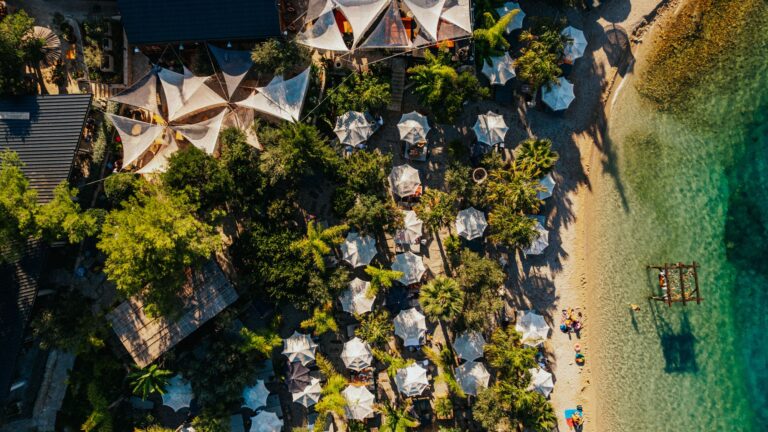
Basic freshwater showers are available at the top of the path above the beach — positioned for the practical purpose of rinsing after swimming without generating permanent infrastructure at the waterline. There are no changing cabins, no sunbed rental, no commercial infrastructure of any kind on the shore itself. A small beach bar tucked under the pines provides coffee and cold drinks — the only on-site food and drink offer, and sufficient for extending the day without carrying everything down the path from the parking area.
There is no lifeguard. The bay’s naturally sheltered geometry keeps swimming conditions calm and predictable through most summer conditions, but the unmonitored status requires the personal judgment appropriate to an unsupervised swimming environment.
The beach operates as a leave no trace zone — the remote access and the local community’s evident care for the condition of the bay together maintaining the shore in the clean state that the water quality depends on.
For Families
Žitna Beach with children works well for families with older children and teenagers who are confident swimmers and engaged by a natural environment that offers exploration rather than organised activity.
The calm, narrow bay water provides safe swimming conditions for children who are comfortable in clear water without visible wave action. The sandy bottom in the central section gives younger swimmers the soft underfoot surface that rocky bays do not provide. The rock pools and the cliff base snorkeling provide the natural engagement for curious children that the quiet, undeveloped character of the bay actively supports.
Water shoes are advisable for children navigating the pebble shore and the rocky transition sections at the bay’s margins. The ten-minute walk from the parking area in Zavalatica is manageable for families with older children without significant difficulty. For families with very young children or pushchairs, the path length and the pebble surface make the logistics more demanding than the walk’s short distance suggests.
For families looking for a comparable southern Korčula beach with a slightly more complete on-site infrastructure, Bačva Beach Korčula Island — a few kilometres to the east — offers a similar wild cove character with a family-run konoba directly on the shore and sunbed rental available, making the full-day practical requirements somewhat easier to meet.
Food and Drink: Zavalatica and the Pošip Vineyards
The small beach bar under the pines at Žitna handles the immediate practical requirements — coffee in the morning, cold drinks through the day — with the low-key competence of an establishment that serves a regular clientele of people who know the bay and return to it season after season.
For a full meal, the walk back up to Zavalatica provides the restaurant option that the bay itself does not. The village sits above the coast in the Korčula agricultural landscape, and the local restaurants serve the island’s food with the specific identity that the Korčula cooking tradition has developed from its particular resources — fresh Adriatic seafood, Žrnovski makaruni pasta, the island’s olive oil.
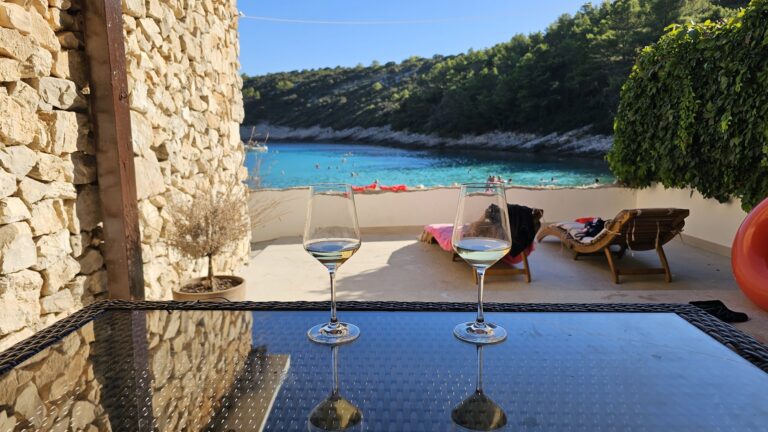
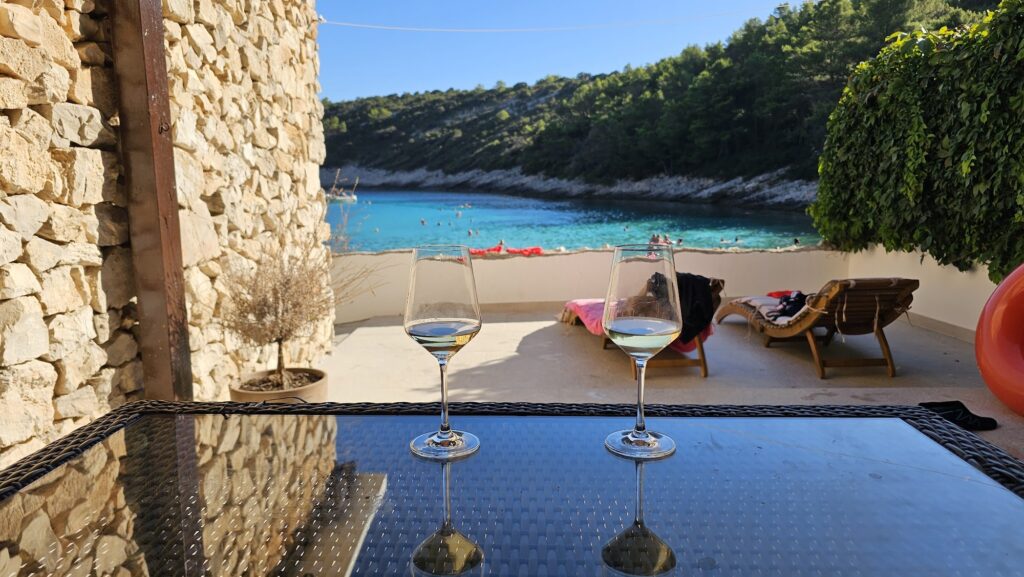
Pošip white wine — the indigenous Korčula variety produced from the vineyards that occupy the island’s central terrain between the coast road and the ridge — is the specific and appropriate accompaniment to all of this. The vineyards that produce Pošip are within a few kilometres of Zavalatica, and the wine served in the village restaurants reflects that proximity in the freshness and the mineral quality that the island’s limestone terrain gives to the best versions of the variety. Drinking it on a terrace in Zavalatica after a full afternoon in the bay below, with the open sea visible in the direction the path descended, is the complete and specific experience that the southern Korčula coast offers when the beach and the village and the food are used together rather than separately.
Žitna Among the Southern Korčula Beaches
Three southern Korčula coast beaches now appear in this series — Bačva, Pupnatska Luka, and Žitna — and they are worth placing in relation to each other for visitors spending several days on the island and trying to decide how to allocate their time on the southern coast.
Bačva is the smallest and most intimate — the enclosed pebble cove with a single family konoba, sunbed rental, clear water, and the vineyard road from Pupnat that leads directly to it. It is the right choice for a day focused on the konoba experience and the quiet, enclosed cove atmosphere.
Pupnatska Luka is the largest and most completely provided for — the white pebble bay with two hillside konobas, the organised parking, the Žrnovski makaruni pasta, the Lastovo horizon, and the more open bay environment that accommodates a broader range of water activity. It is the right choice for a full family day or for visitors who want the complete southern coast food and beach experience in a single location.
Žitna is the narrowest and the most specifically characterised by its water colour — the vivid neon turquoise that the bay’s enclosed geometry produces, the sandy bottom, the minimal infrastructure, the ten-minute walk from Zavalatica. It is the right choice for visitors whose primary interest is the specific and unusual quality of the light and the water inside a narrow bay rather than the food offer or the facility range.
Žitna Beach near Zavalatica on Korčula Island is the bay that the southern coast’s narrowest and most enclosed geography produces — a specific and vivid version of the turquoise that the Dalmatian island coast is known for, contained within cliff walls close enough to concentrate the effect to a degree that the broader bays of the coast do not achieve.
Park in Zavalatica. Walk ten minutes. Get in the water.
The colour will be exactly as described. The silence will be broken only by the cicadas and the sea.
Have wine in the village on the way back.
Map
Sorry, no records were found. Please adjust your search criteria and try again.
Sorry, unable to load the Maps API.
Near by places: