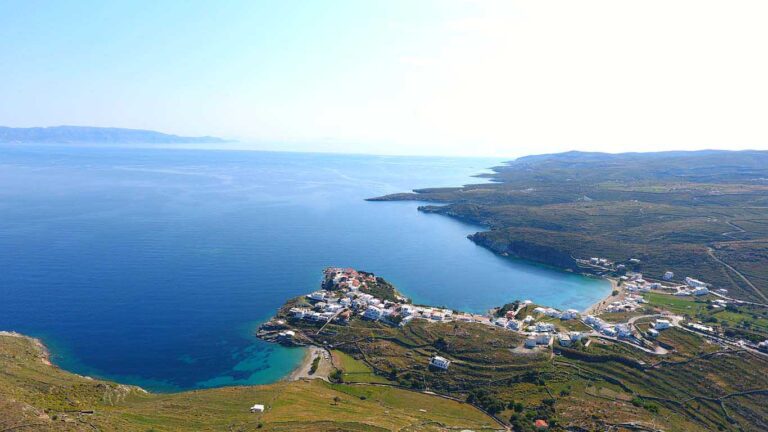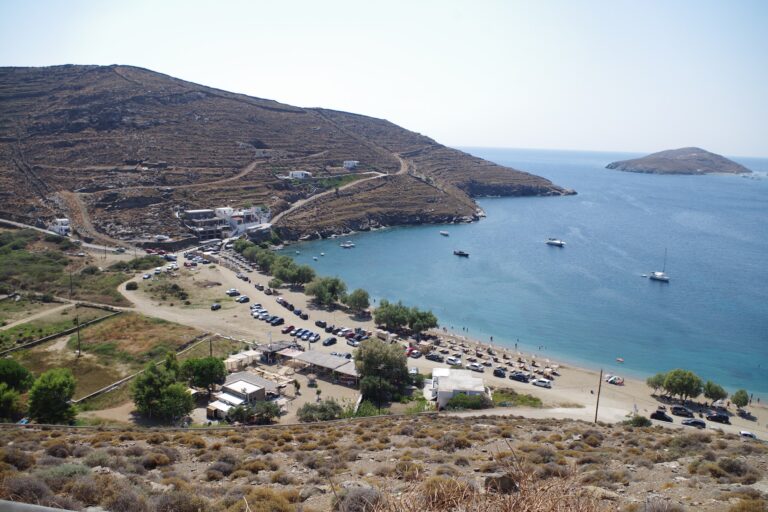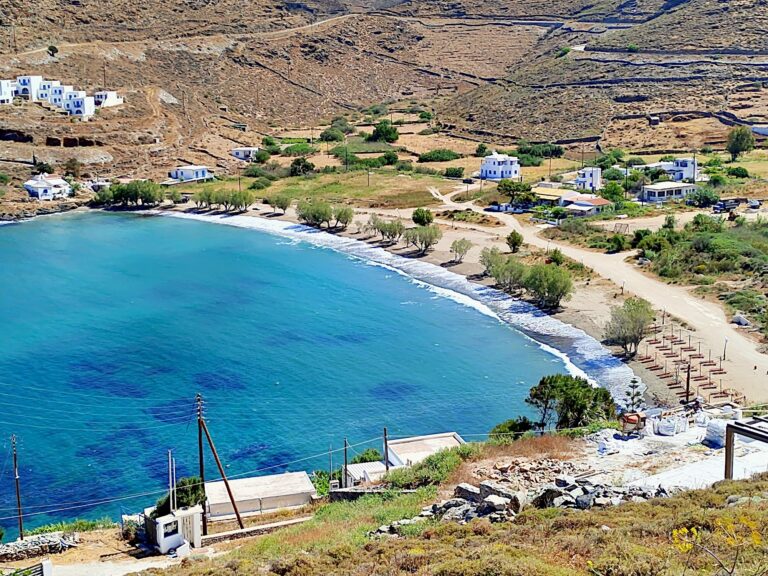
Kolona Beach Kythnos: Double Bay Where Temperatures Differ
Profile
Kolona Beach, Kythnos: The 240m Tombolo Sandbar Named “Column” Where Two Bays Have Different Water Temperatures and the Ancient City of Vryokastro Is Visible From the Cape
Greece | Apokrousi | Kythnos, Cyclades
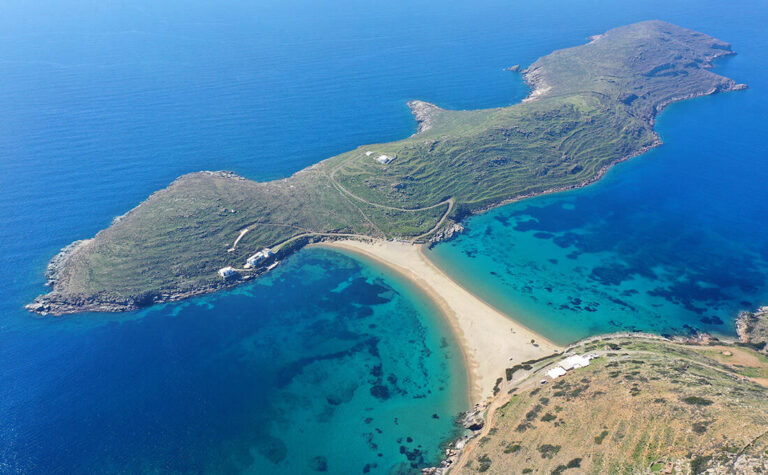
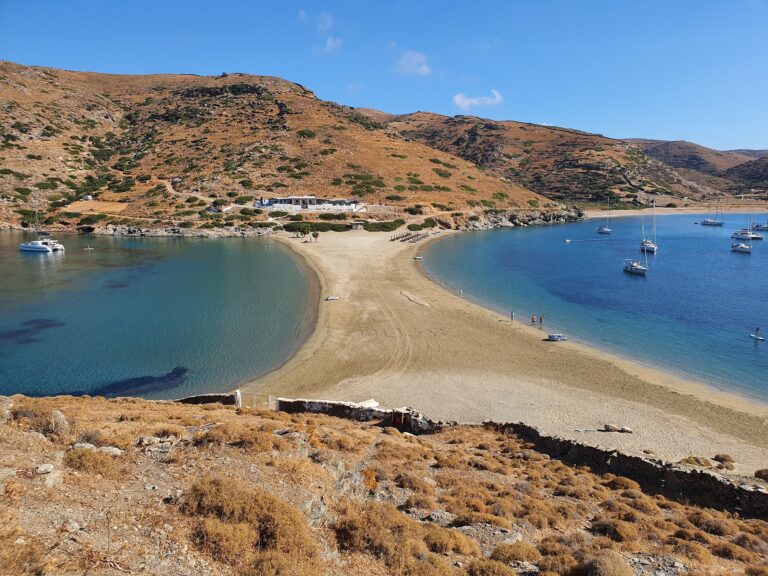
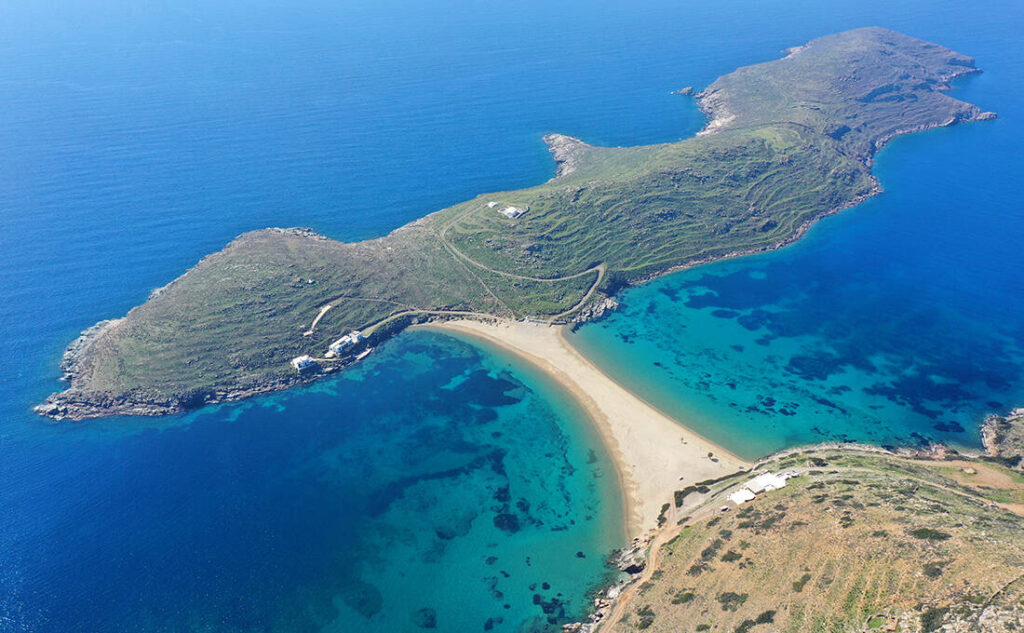
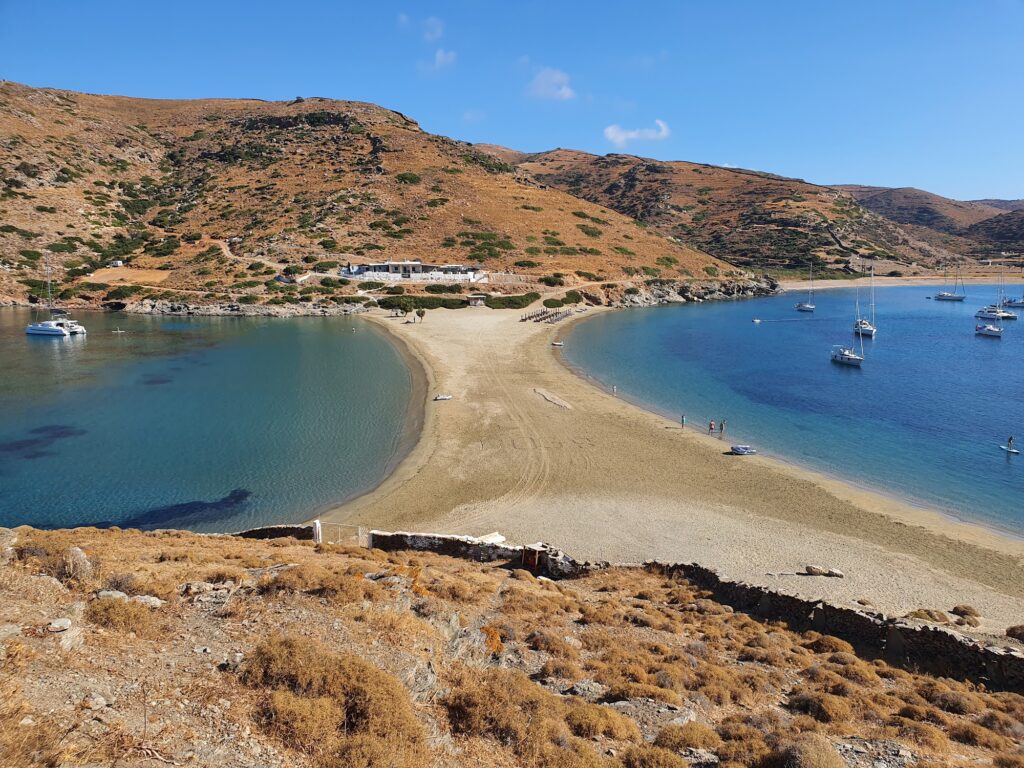
Kolona is the Greek word for column. Its name derives from “column” — as seen from above it has exactly this shape: a long, double-fronted strip of fine sand connecting the main island with the islet of Agios Loukas.
Kolona Beach is unique mainly due to its geomorphological peculiarity. It is a sandy beach, approximately 240 metres long, which connects the island of Kythnos to the islet of Agios Loukas. The sea surrounds both sides of the sandy beach, thus we have two beaches in one and an exceptional and unique view.
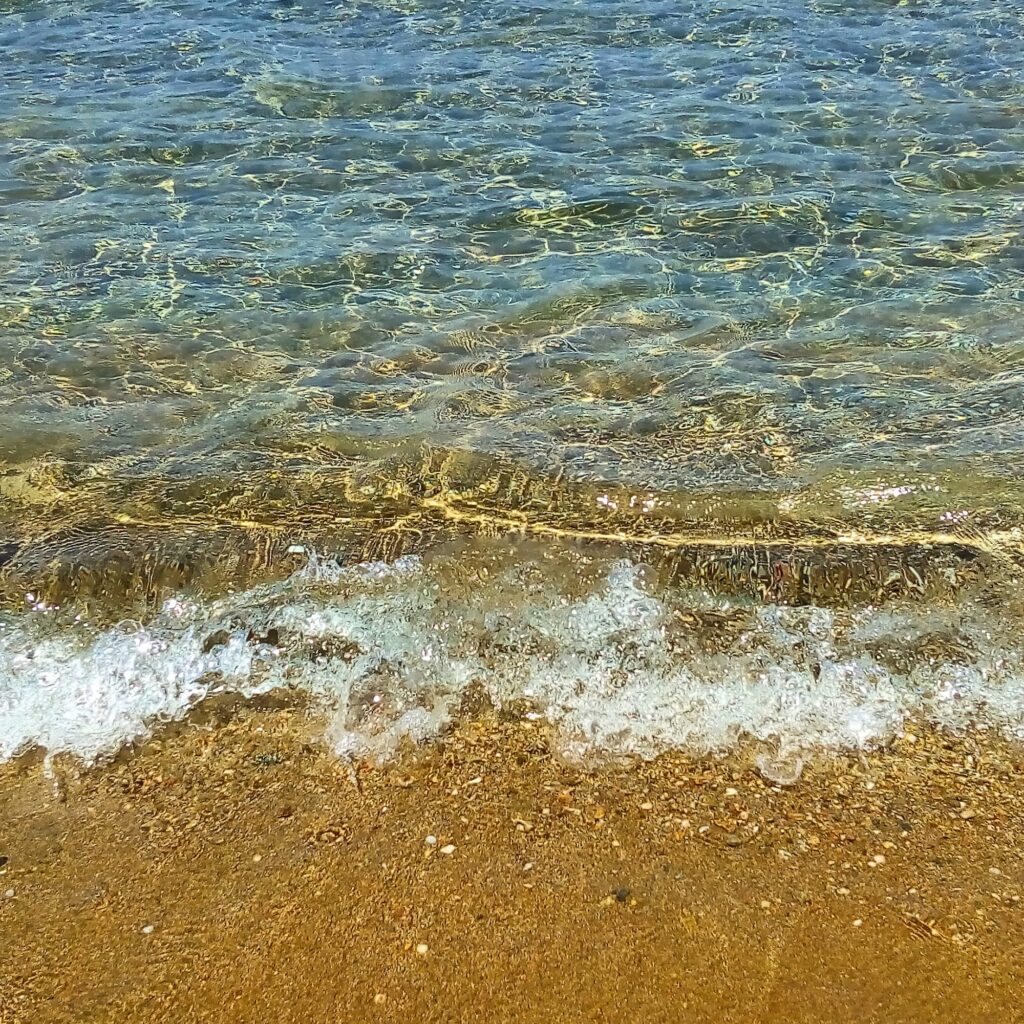
Kolona is the island’s signature beach and considered one of the most spectacular in the entire Aegean. This unique configuration creates two sandy beaches with crystal-clear waters on either side, allowing visitors to choose which side they want to swim on depending on wind conditions and currents. Curiously, the water always has different temperatures on the two sides: the one on the right is slightly warmer due to the presence of thermal springs nearby.
The two-temperature detail is the specific Kolona fact that separates it from every other double-sided sandbar beach in Greece. The right bay is measurably warmer because the volcanic thermal springs that have made Kythnos famous as a bathing destination since antiquity are close enough to the sandbar to affect the water temperature. You can feel the difference.
Getting There: €14 Taxi Boat From Merichas (15 Minutes) — Far Better Than the 3km Dirt Road
The taxi boat runs several times daily in summer and costs just €14 round-trip. The ride takes about 15 minutes and gives you an amazing view of the beach from the water as you arrive. No pre-booking is needed. Boats depart from the main port and drop you off right at the base of the sandbar.
I’ve driven the dirt road and taken the water taxi — unless you enjoy rough tracks, the boat is by far the better experience.
The dirt road from Chora or Merichas is 3 kilometres of rough track — passable in a 4×4 or on a sturdy scooter, but not comfortable in a standard hire car. Parking is available at the Fikiada area near the end of the road. From the parking area, a short walk reaches the sandbar.
Hiking from Apokrousi beach takes 30 to 40 minutes along the coastal path — the option for visitors who want to combine the beach visit with the cliff walk.
The Beach: Coarse Golden Sand, Wind Protection on Both Sides, No Natural Shade, Seasonal Beach Bar
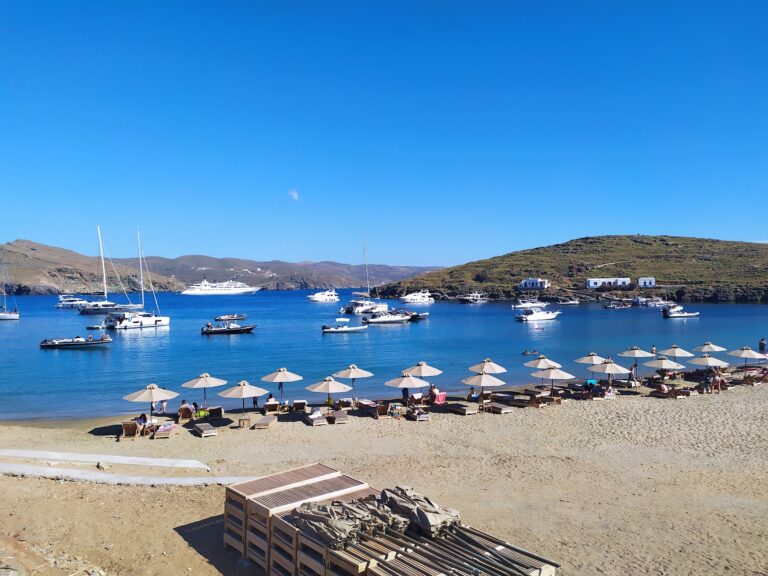
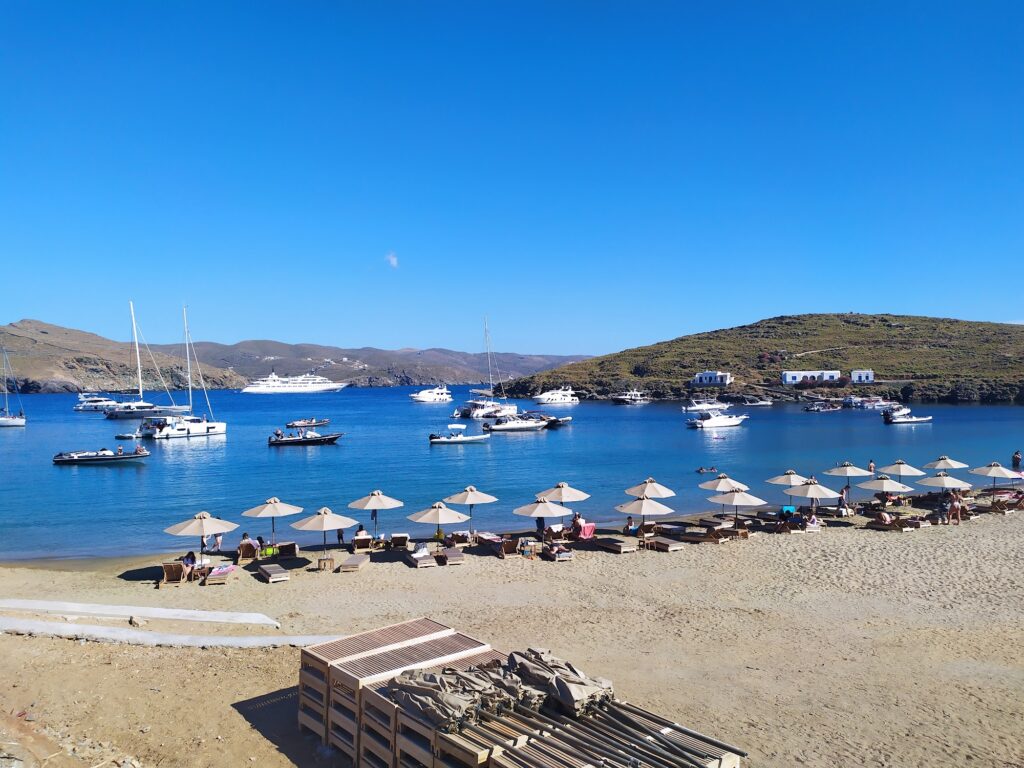
Both sides of the beach are protected from the winds, thus attracting many yacht owners. A part of the beach is organised with parasols and sunbeds. On the islet stands the small chapel of Agios Loukas.
There is no natural shade on the sandbar — bring your own umbrella. The seasonal beach bar and Kolona Restaurant provide the only food and drink infrastructure. Going up the trail you can enjoy the panoramic views of the spectacular beach and bay.
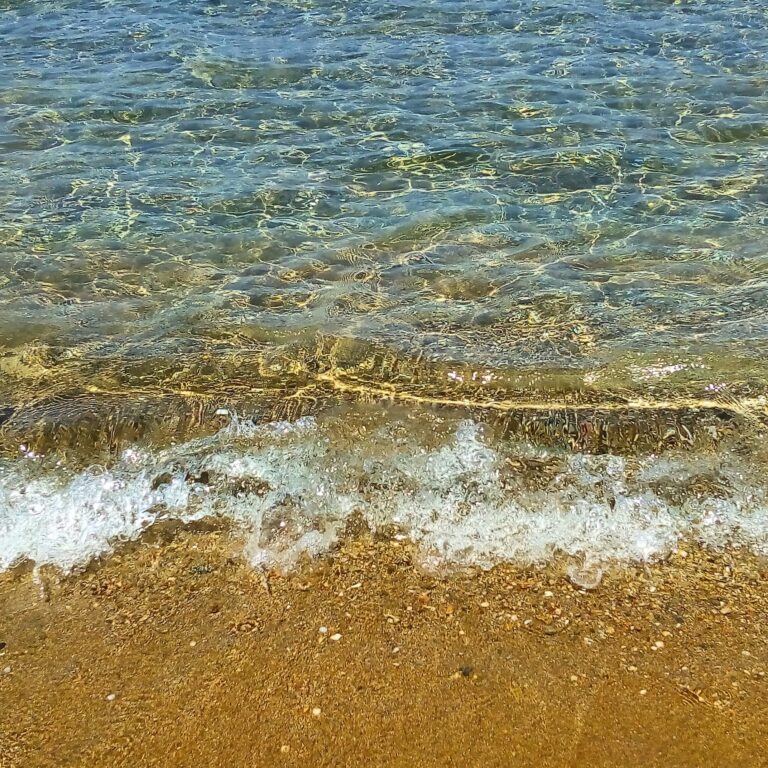
The swimming is shallow near the shore and progressively deeper. The right side is warmer from the thermal springs; the left side is cooler and typically the calmer one on wind days. Check both before committing.
The Agios Loukas Cape Trail: 2.6km, 0.5–1 Hour, the View That Makes the Sandbar Look Unreal
The trail to Agios Loukas above Kolona was the one I enjoyed most. It is short, quiet, and with a view that makes the whole sandbar look unreal from above.
The western tail of the beach leads to the rocky Vriokastro islet. Those who wish to hike the path will reach the quaint chapel of Agios Loukas, enjoy the amazing panoramic view, and take fantastic photos of the beach and bay.
The trail is 2.6 kilometres, takes 30 to 60 minutes, and is rated easy — the standard condition for the defining photograph of the sandbar is from the trail above it.
Vryokastro: The Ancient Capital Inhabited From the 10th Century BC, Visible From the Cape
Vryokastro is the most important archaeological site on Kythnos. This ancient capital was inhabited from the 10th century BC to the 7th century AD and housed sanctuaries with temples dedicated to Apollo, Artemis, Aphrodite, and Demeter. The ruins, which can be reached via a scenic path from Chora, offer a splendid view of Kolona beach.
Standing on the Agios Loukas cape trail, the ruins of Vryokastro are visible on the headland to the north — the ancient city that watched over the same bay for 1,700 years.
Kythnos: The Island of Thermal Springs, 2 Hours From Athens by Ferry
Nicknamed “the island of simplicity,” Kythnos really does live up to that name. It is authentic, unhurried, and full of quiet beauty — whitewashed villages, natural hot springs, and windswept hills dotted with goats and chapels.
At Maroulas, near Loutra, lies the oldest settlement in the Cyclades, dating from the Mesolithic period (10,000–8,000 BC). Excavations have unearthed intact human skeletons and stone artefacts testifying to the presence of settled hunter-gatherers.
Kythnos is reached from Lavrio or Piraeus in approximately 2 to 3 hours by ferry.
Kolona Beach on Kythnos is the 240-metre tombolo sandbar connecting Kythnos to the islet of Agios Loukas — two bays, each a different water temperature (right side warmer from thermal springs), coarse golden sand, wind protection on both sides, no natural shade (bring an umbrella), €14 taxi boat from Merichas (15 minutes, far better than the 3km dirt road), the Agios Loukas cape trail for the aerial view that makes the whole formation visible, and Vryokastro‘s ancient temples on the headland to the north.
Take the boat. Walk the trail. The right side is warmer.
Map
Sorry, no records were found. Please adjust your search criteria and try again.
Sorry, unable to load the Maps API.
Near by places: