Ritsa Beach Kardamyli: Homer's City, Leigh Fermor's Home
Profile
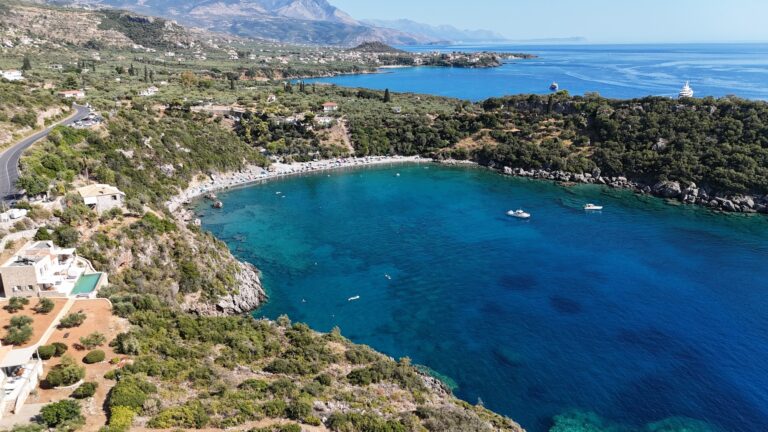
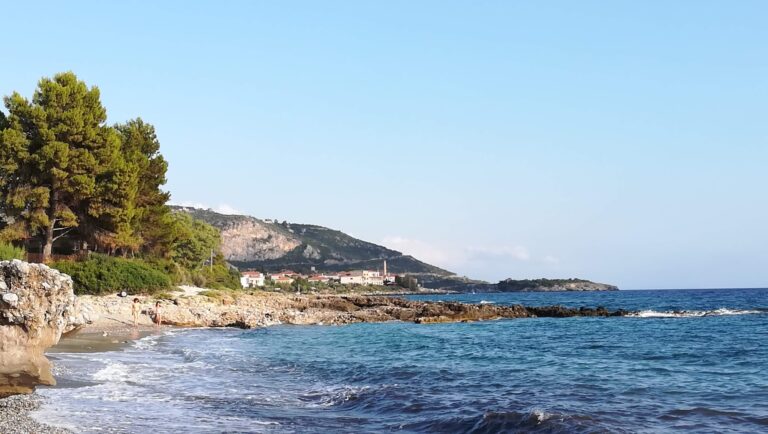
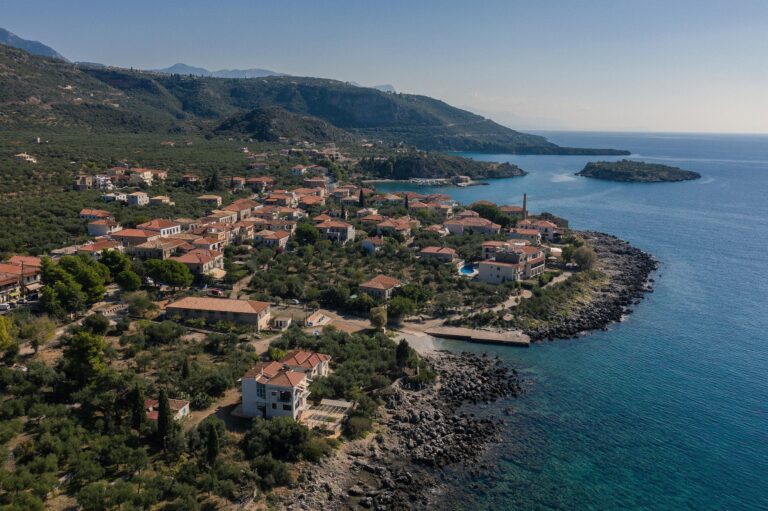
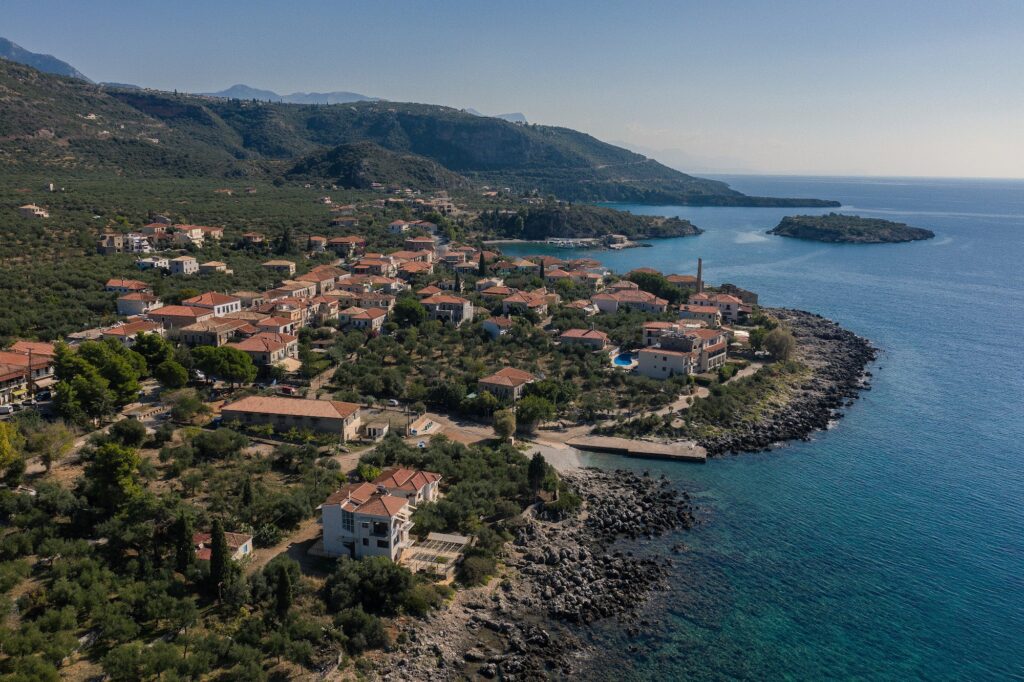
Ritsa Beach, Kardamyli: The White Pebble Beach at the Northern Entrance of the Village Homer Named and Patrick Leigh Fermor Chose as His Final Home, Where the Vyros Gorge Begins and the Stone Tower Houses Are Visible on the Ridge
Greece | Kardamyli | Municipality of West Mani, Messenia, Peloponnese
Homer listed Kardamyli in the ninth book of the Iliad. Agamemnon, trying to persuade Achilles to return to the fighting, offered him seven cities as a gift — Kardamyli was among them. The specific passage places this village at the edge of the Homeric world: a desirable possession, worth offering to the greatest warrior of the age. Whether there was a Bronze Age settlement at this exact location that Homer was drawing on, or whether the name was a poetic placeholder, the identification with the modern Kardamyli has been accepted since Pausanias wrote about the site in the 2nd century AD.
Patrick Leigh Fermor arrived in the area in the late 1950s, having already published Mani: Travels in the Southern Peloponnese (1958) — the book that brought the Mani peninsula to British literary consciousness and remains the essential text for anyone visiting the Deep Mani. He chose Kardamyli as his permanent home. He built a house on a rocky peninsula at the southern edge of the village, overlooking the Messenian Gulf to the west and the mouth of the Vyros Gorge to the east, with the help of the local stonemason Manoli Psillakis. The construction took several years; the house was completed in the early 1960s. Leigh Fermor lived there until his death in June 2011 at the age of 96. The house was bequeathed to the Benaki Museum in Athens and is now open to limited visiting.
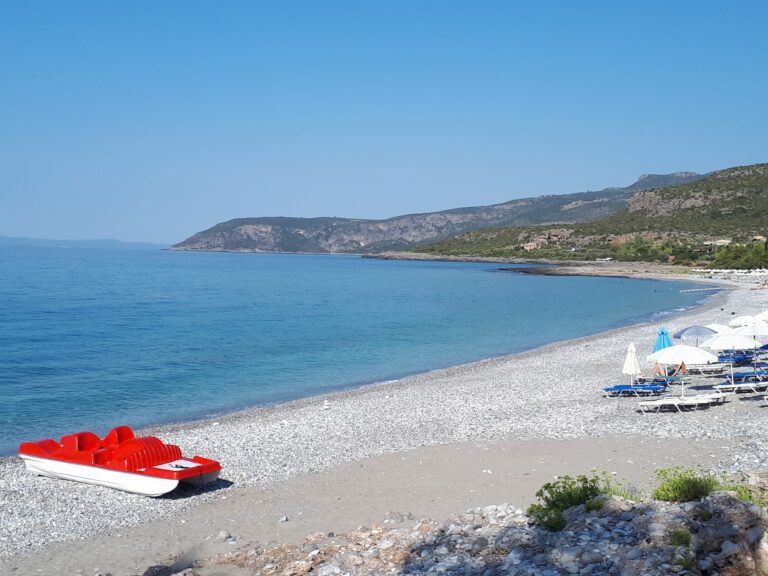
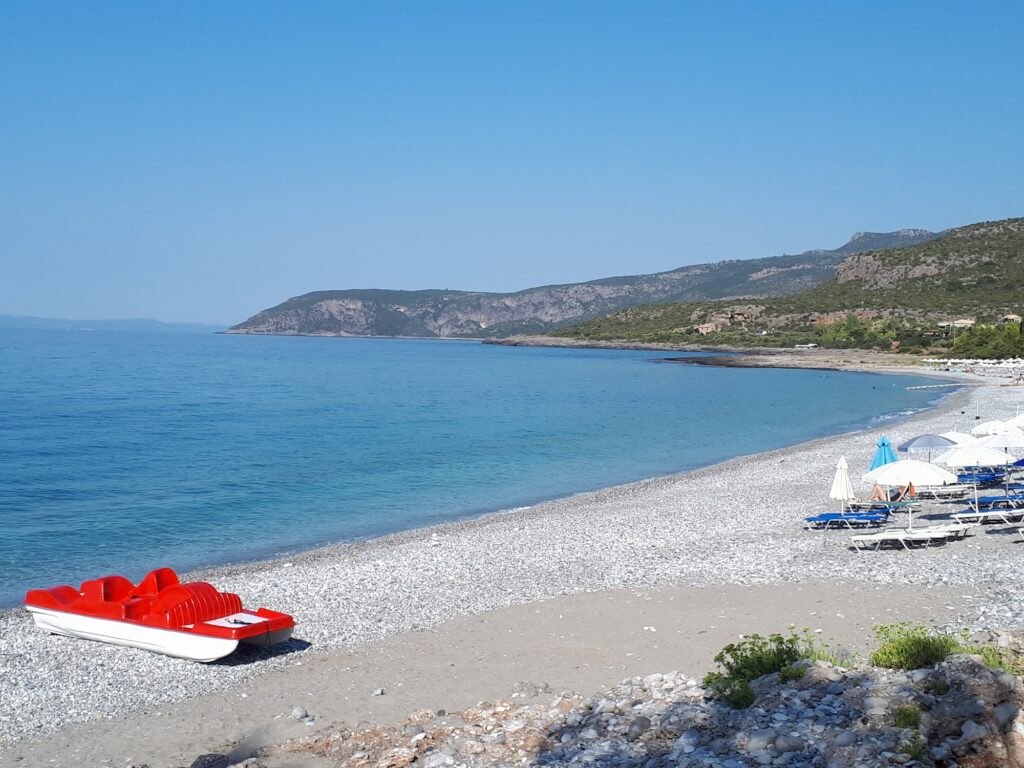
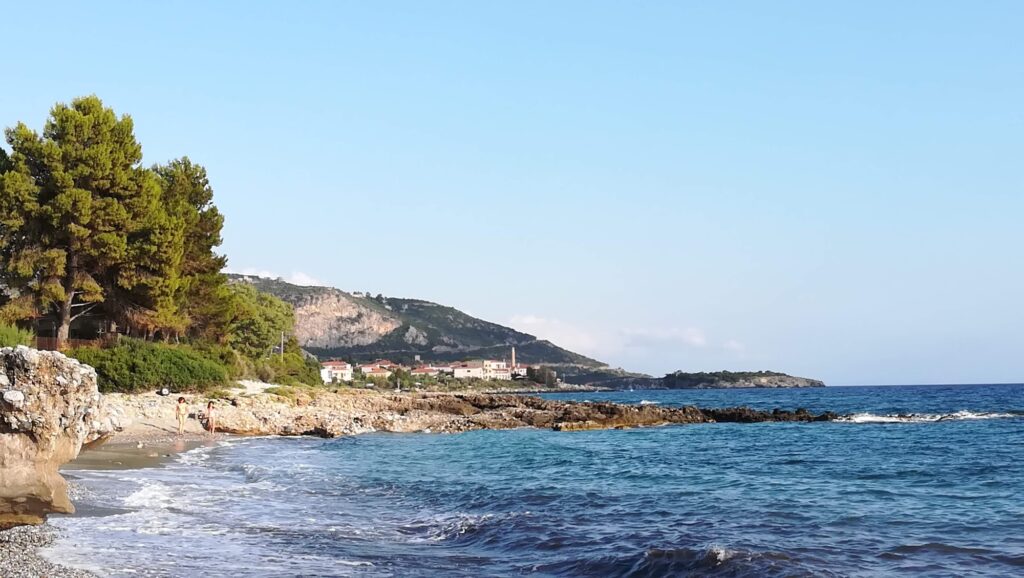
Ritsa Beach is the main beach of Kardamyli — a white pebble beach at the northern entrance of the village, 10 to 15 minutes’ walk from the central square. The turquoise water, the Taygetos foothills directly behind, and the specific quality of a pebble beach at a literary village constitute the Ritsa experience.
Getting There: 1 Hour From Kalamata, 6.5km North of Stoupa, 10–15 Minutes’ Walk From Kardamyli Central Square, Free Parking Along the Beach Road
From Kalamata, take the coastal road south through Verga and Milia toward the Mani. Kardamyli is approximately 1 hour (50km). Ritsa beach is at the northern entrance of the village on the coastal road.
From Stoupa (6.5km south), the drive is 10 minutes by car or a 1.5-hour walk along the coastal path for those who wish to cover the full literary geography on foot.
From Kardamyli central square, the beach is a 10 to 15-minute walk north. Parking is free along the beach road.
The Beach: Large Smooth White Pebbles, Water Shoes Essential, Neon Turquoise Water, Organised Sections Near Hotels, Open Water For Swimmers, Taygetos Behind
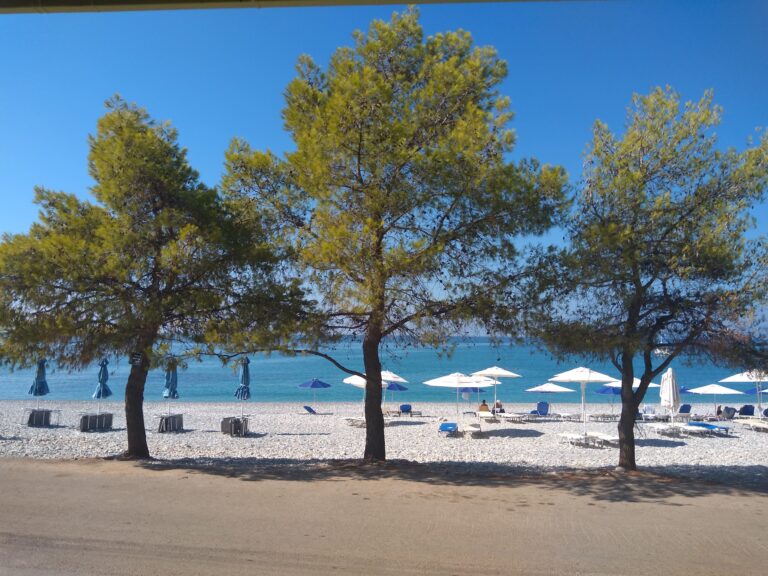
Ritsa is white pebble throughout — the characteristic composition of the Mani coast where the limestone geology produces rounded white stones rather than sand. Water shoes are the specific practical requirement: the entry is over large smooth pebbles, and comfortable wading requires footwear. The reward is the water quality that the pebble seabed produces: neon turquoise in the shallows, deep cobalt further out, the transparency that the absence of sand turbidity creates.
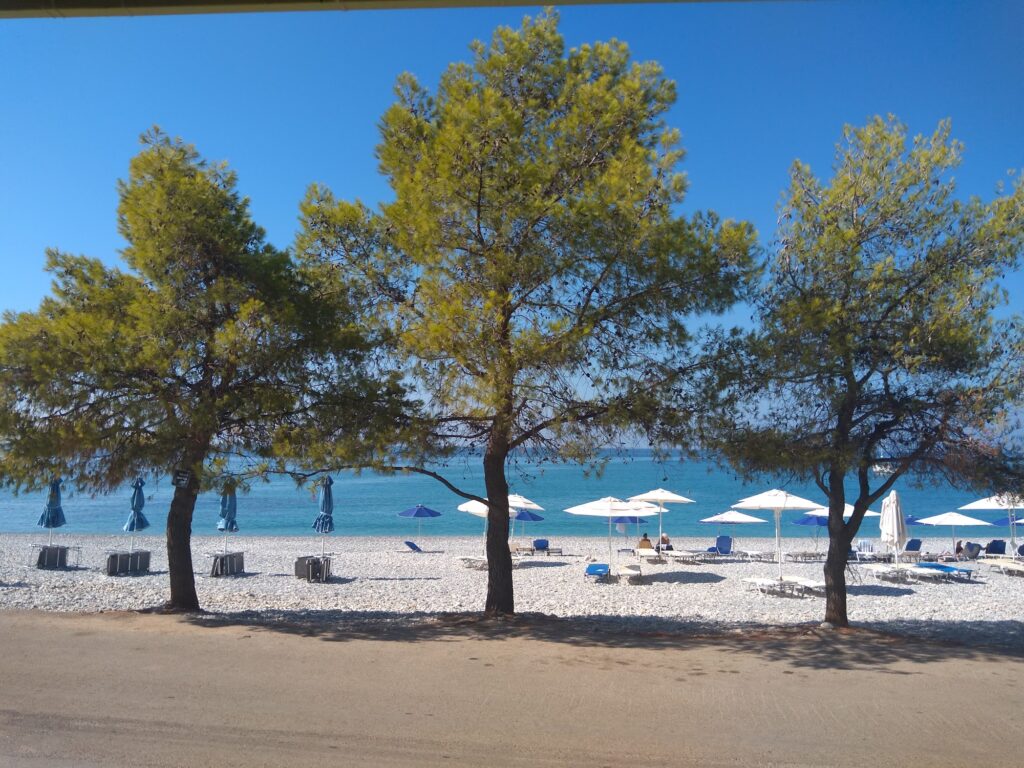
The organised sections near the boutique hotels and tavernas behind the beach have sunbeds and umbrellas. The wider beach is open. Lifeguards operate in peak season.
The Leigh Fermor House: The Benaki Museum, Limited Visiting, and the View From the Peninsula
The Leigh Fermor house is at the southern end of Kardamyli — a 20-minute walk from Ritsa beach south through the village. The house is on its own rocky peninsula: a low-built structure in the Maniot vernacular style (Leigh Fermor and the stonemason Manoli designed it to use local stone throughout), surrounded by olive and almond trees. The view from the terrace spans the Messenian Gulf to the west and the Vyros Gorge entrance to the east.
The Benaki Museum manages the property and opens it to small groups by appointment. The interior library — containing Leigh Fermor’s working library in multiple languages — has been preserved. Visiting the house as a literary pilgrim is the specific combination with Ritsa beach that this village makes possible.
The Vyros Gorge: The Walk That Leigh Fermor Did Every Day, Byzantine Chapels, Waist-Deep Crossings
The Vyros Gorge begins immediately east of Kardamyli — the river gorge that cuts through the Taygetos limestone from the high mountain villages of Exochori and Tserova down to the sea. The gorge walk takes approximately 3 to 4 hours return, follows the river through narrowing walls, crosses the water multiple times (sometimes waist-deep in spring), and passes several Byzantine chapels including the Chapel of the Taxiarchs with medieval frescoes. Leigh Fermor walked the gorge regularly — it is the specific physical relationship with the landscape that his Kardamyli life was built around.
Old Kardamyli: The Tower Houses, 2km Inland
Ano Kardamyli (Old Kardamyli) — 2km inland from the beach — has the stone tower houses that define the Mani architectural identity. The Mourtzinos Tower complex is the most complete surviving example in Kardamyli: the fortified residential complex of a Maniot captain family, with multiple towers, the family church of Agios Spyridon, and the walled courtyard. The tower houses were built as defensive structures against rival clans and Ottoman authority — each family needed its own fortification because the Mani was effectively ungoverned for most of its history.
Syglino and the Mani Food Identity
Syglino — cured smoked pork, typically preserved in lard — is the specific food product of the Mani that the coastal tavernas at Ritsa beach serve alongside fresh seafood. The preservation tradition developed in the Mani because the arid limestone peninsula offered poor agricultural conditions; preserved meat was the food security of a poor and isolated region. Syglino is to the Mani what the Ambracian Gulf shrimp is to Amfilochia or the avgotaraho is to Messolonghi: a PDO-adjacent product that carries the specific identity of its origin.
Stoupa Beach Messinia Greece — the “Miami of Mani” main bay 6.5km south, with the Kalogria Kazantzakis connection — and Kalogria Beach Stoupa Greece (the 150m bay where Kazantzakis and Zorbas lived) are the comparative beaches in the immediate area.
Ritsa Beach at Kardamyli in West Mani is the white pebble beach at the northern entrance of the village Homer listed as a gift for Achilles and Patrick Leigh Fermor chose as his final home — water shoes essential (large smooth white pebbles), neon turquoise water, Taygetos directly behind, the Leigh Fermor house at the southern village end (Benaki Museum, limited visiting), the Vyros Gorge walkable east (3–4 hours, Byzantine chapels, river crossings), Old Kardamyli tower houses 2km inland, syglino smoked pork and Messenian seafood at the beach tavernas, Stoupa 6.5km south, 1 hour from Kalamata.
Walk from the central square. Bring water shoes. Visit the gorge. Find the house at the south end.
Map
Sorry, no records were found. Please adjust your search criteria and try again.
Sorry, unable to load the Maps API.
Near by places: