Mavrovouni Beach Gytheio: Blue Flag, Wind, Paris & Helen
Profile
Mavrovouni Beach, Gytheio: The 6km Blue Flag Laconian Shore Where the Water Drops Away Two Metres From the Shoreline, Windsurfers Arrive After Noon, and Paris and Helen Spent Their First Night on the Island Visible From the Sand
Greece | Mavrovouni | Gytheio Municipality, Laconia, Peloponnese
The island is called Marathonisi — also Cranae in antiquity. It sits in the Gytheio harbour, connected to the mainland by a causeway built in 1886, small enough to walk around in 20 minutes and pine-covered enough to provide shade along the path. At the far end stands a lighthouse built in 1873 and the Tzanetakis Tower, a stone tower now functioning as a small museum. The island’s significance predates the lighthouse by three thousand years: according to the mythology that Gytheio has been trading on since antiquity, this is where Paris of Troy and Helen of Sparta spent their first night together after their elopement from Menelaos’s court. The affair that started the Trojan War was consummated, the tradition says, on this specific island in this specific harbour.
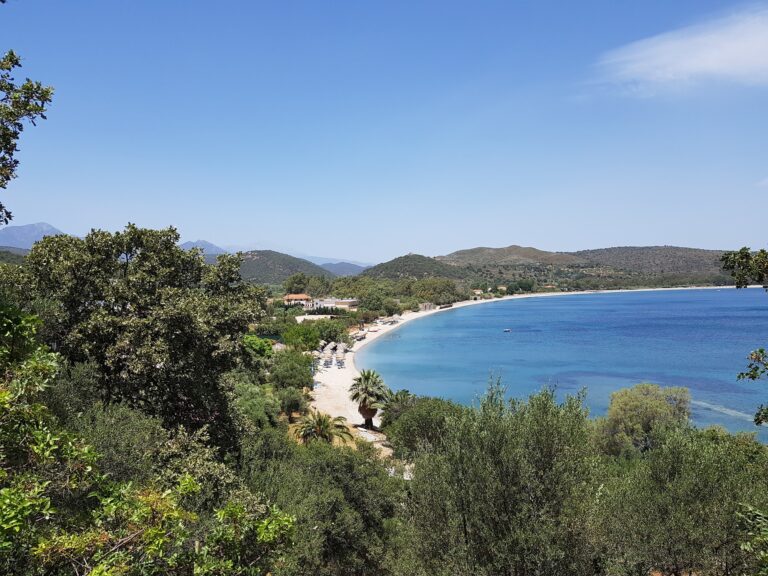
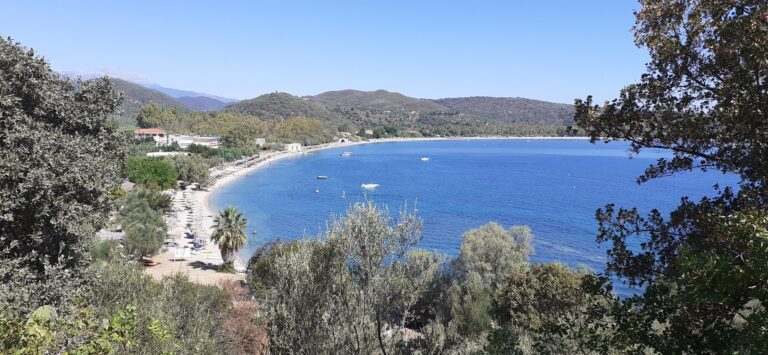
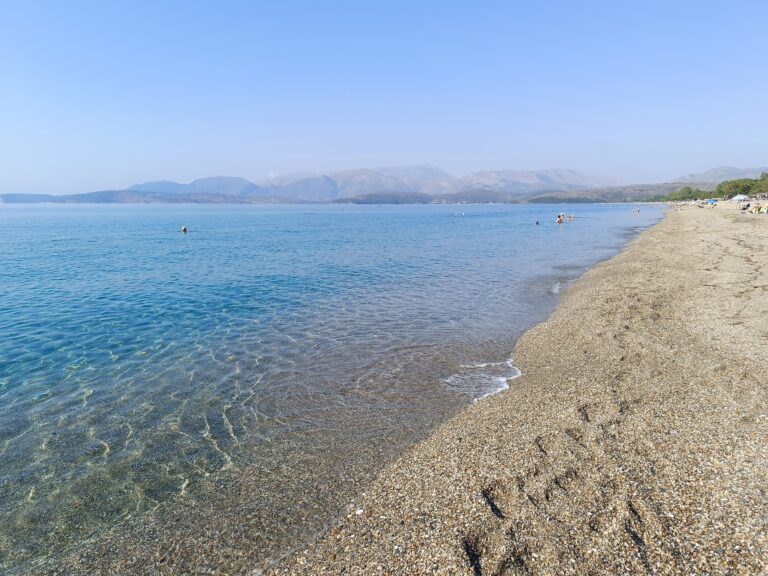
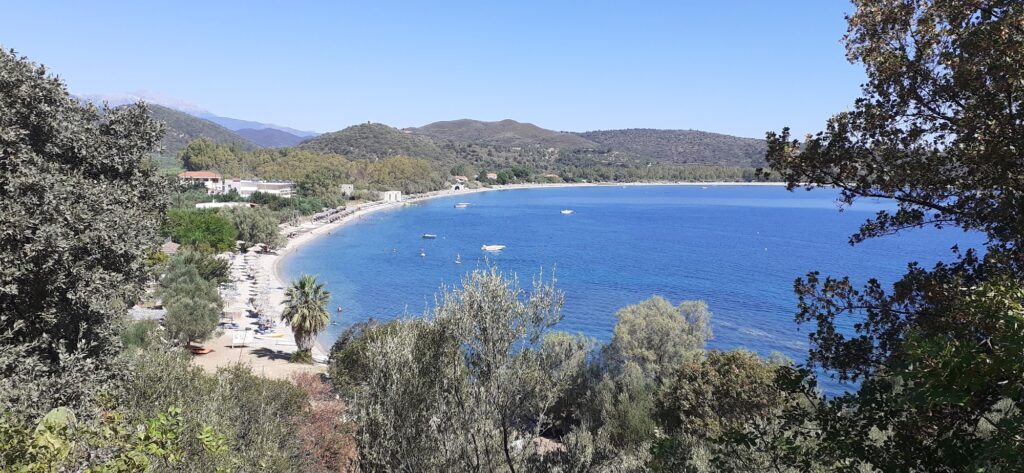
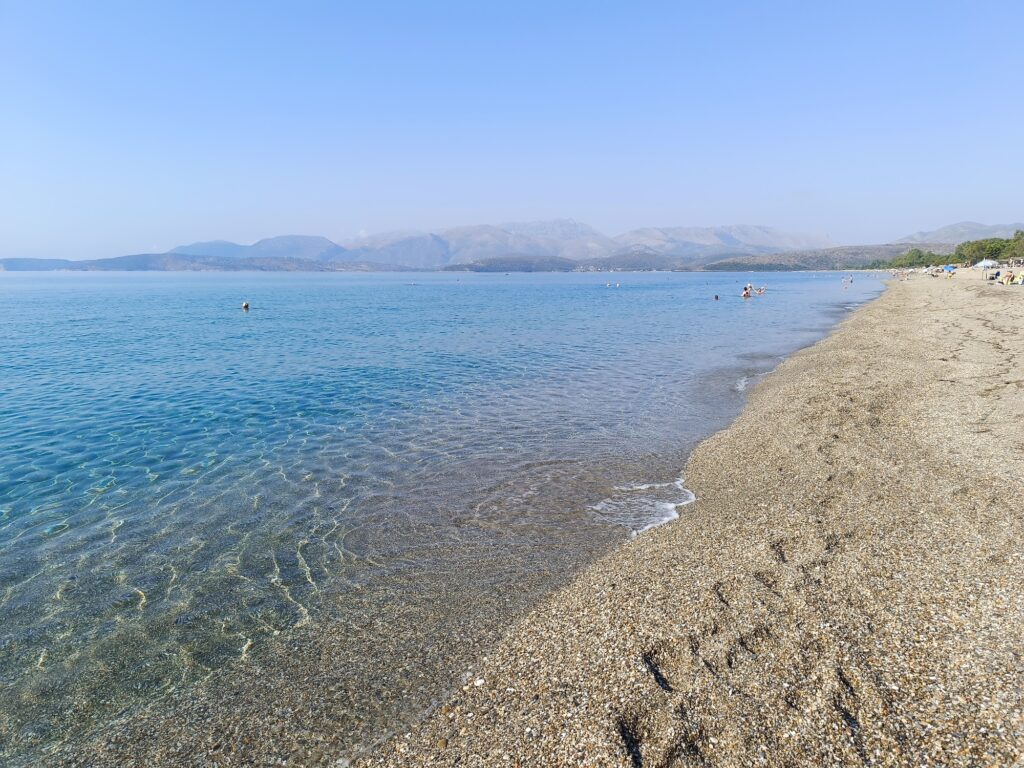
From Mavrovouni beach, Marathonisi is visible across the water to the north. The beach itself starts 2 kilometres south of Gytheio town and runs for 6 kilometres — long enough that even in peak August there is space to find a private position. The sand is golden with small pebbles in the water, and the seabed drops away fast: two metres from the shoreline the water is over your head. This is the specific calibration that the beach requires for parents with young children — gradual wading is not what Mavrovouni offers. Confident swimmers find it a joy; the drop-off is clean and the water clear.
The wind arrives after noon. Thermal onshore winds from the south build from midday to mid-afternoon, 8 to 15 knots, producing the flat-water freeride conditions that make Mavrovouni one of the established windsurfing spots of the Laconian Gulf. By late afternoon the westerly takes over, stronger at 15 to 22 knots, and the session quality improves further. The mornings are calm.
Getting There: 2km South of Gytheio (5 Minutes), 60km From Sparta, Free Parking Along the Beach Road, Walk or Cycle From the Town
From Gytheio town, drive south 2 kilometres on the coastal road toward the Mani — Mavrovouni is on the right. The drive takes 5 minutes. On foot from the town, the flat coastal road makes for a 20-minute walk; by bicycle, 10 minutes.
Gytheio is 60 kilometres south of Sparta — the ancient city whose harbour it was. In antiquity, Gytheio served as Sparta’s naval base and principal port. The Spartans themselves did not swim recreationally; the harbour was functional. The beach at Mavrovouni is a comfortable extension of the town’s character — accessible, practical, unpretentious.
The Beach: 6km Sand and Pebbles, Sharp Drop-Off 2m From Shore, Calm Morning/Windy Afternoon, Blue Flag, Caretta Nesting, Sunbeds With Purchase, Never Overcrowded
The beach is a mix of sand and small pebbles — the sand-dominant surface comfortable underfoot on the shore, the pebbles more prominent in the water. The drop-off is the specific navigational fact: the seabed descends steeply very close to the waterline. Walking in means reaching depth quickly. Water shoes are sensible for the pebble entry. Swimmers who want to wade gradually before swimming will find Mavrovouni less forgiving than the shallow turtle-nesting beaches to the north.
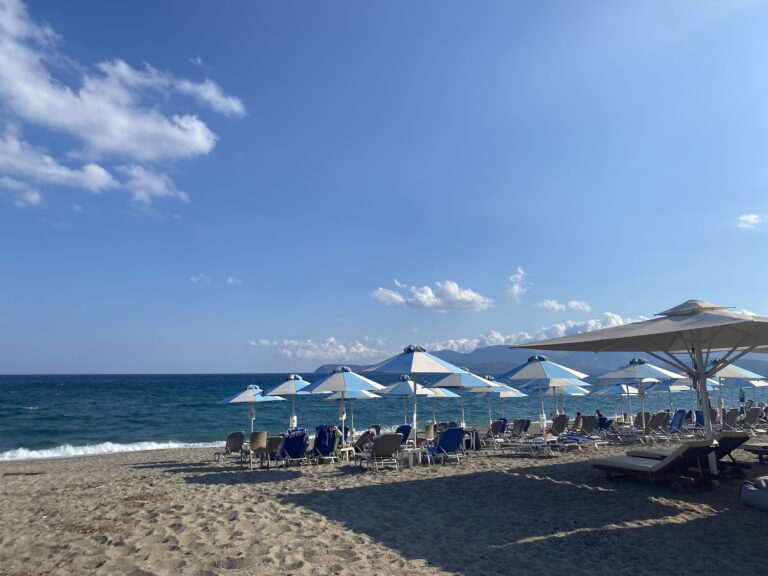
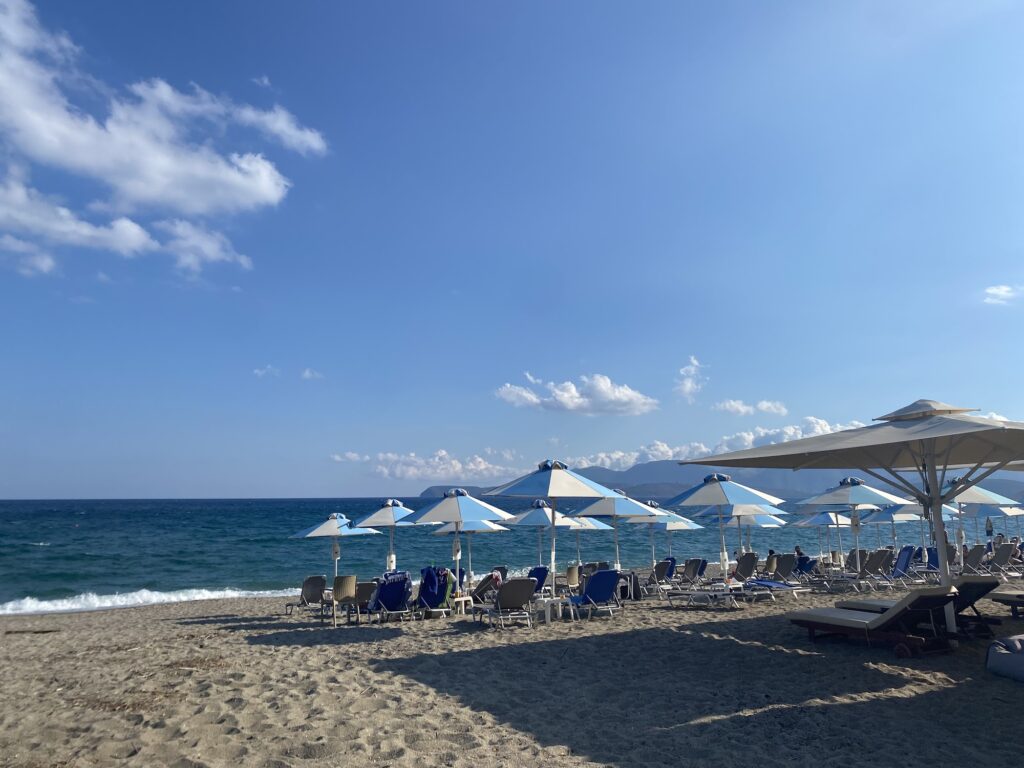
Sunbeds and umbrellas operate on the consumption model throughout the organised sections. The 6-kilometre length means unorganised free space is available beyond the beach bar zones at both ends. The Caretta caretta nesting protection rules apply in season — marked sections of the beach are protected, furniture removed at sunset from designated areas.
Gytheio: The Pastel Port, Ziller’s Town Hall, the Roman Theatre, Sparta’s Harbour
Gytheio is one of the most picturesque ports in the Peloponnese — 19th-century neoclassical houses in pastel colours climbing the hillside behind the quay, fishing boats at the dock, ouzo served at waterfront tables. The town hall was designed by Ernst Ziller in 1890 — the Bavarian architect who also designed the Presidential Palace and multiple Athens buildings after King Otto’s arrival, and whose work defined the neoclassical character of the Greek state’s public buildings in the late 19th century.
A Roman theatre has been excavated at the northern edge of town — a modest structure whose local tradition attributes to Heracles and Apollo, both venerated at Gytheio in antiquity. The ancient theatre sits in the kind of urban context that the Roman period loved: civic theatre within walking distance of the port.
Gytheio is the threshold of the Mani — from here the road south leads directly into the Deep Mani landscape of tower houses, arid limestone, and the specific character covered in the Dexameni Beach Limeni Greece and Diros Beach Laconia Greece.
Mavrovouni Beach at Gytheio in Laconia is the 6km Blue Flag shore 2km south of the most picturesque port in the Peloponnese — sand and pebbles, sharp drop-off 2 metres from the shoreline (confident swimmers, water shoes), calm and clear in the morning, thermal wind after noon for windsurfing (8–15 knots onshore), westerly stronger in late afternoon (15–22 knots), Caretta caretta nesting with ARCHELON protection rules in season, Marathonisi island (Paris and Helen’s first night, 1886 causeway, 1873 lighthouse) visible from the beach, Ziller’s 1890 Town Hall in the pastel port above, the Roman theatre, Sparta’s ancient harbour, and the Deep Mani beginning 10 kilometres south.
Drive 2 minutes south from Gytheio. Swim in the morning. Watch for the windsurfers arriving at noon.
Map
Sorry, no records were found. Please adjust your search criteria and try again.
Sorry, unable to load the Maps API.
Near by places: