Gyali Beach: A Village's Retreat From the Sea
Profile
Gyali Beach: The Cliff Path Down From a Village That Once Fled the Sea
Greece | Corfu | Ionian Islands | Ionian Sea
Giannades, the mountain village above Gyali Beach, wasn’t always built where it sits today. The community originally established itself closer to the coast, directly above the sea, until constant pirate raids forced residents to relocate to their current, safer position around the sixteenth century, trading easy access to the water for genuine security. I found that history worth knowing before making the descent down to Gyali myself, a beach that’s essentially remained empty of any real settlement ever since, the village that once might have used this shoreline directly having long since decided the climb inland was worth the trade.
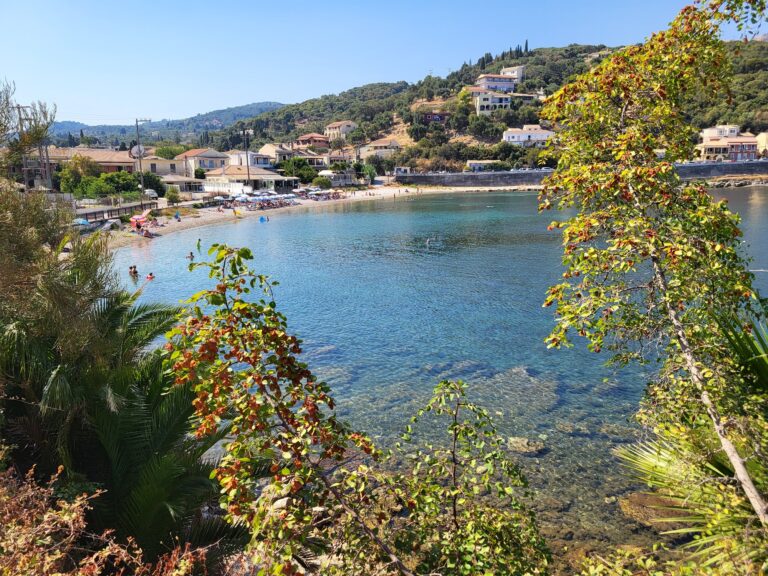
What Giannades built instead, once the pirate threat had passed, was a village with genuinely layered architecture, houses from the Venetian period built by priests, notaries, and sea captains, others from the British occupation constructed by middle landowners, and later still, homes from after the 1864 Union with Greece built by merchants and teachers. Walking the village’s narrow lanes before making the hike down to Gyali gave me a clearer sense of how many different rulers and eras this small, hillside settlement has quietly outlasted.
Water Named for Its Own Clarity
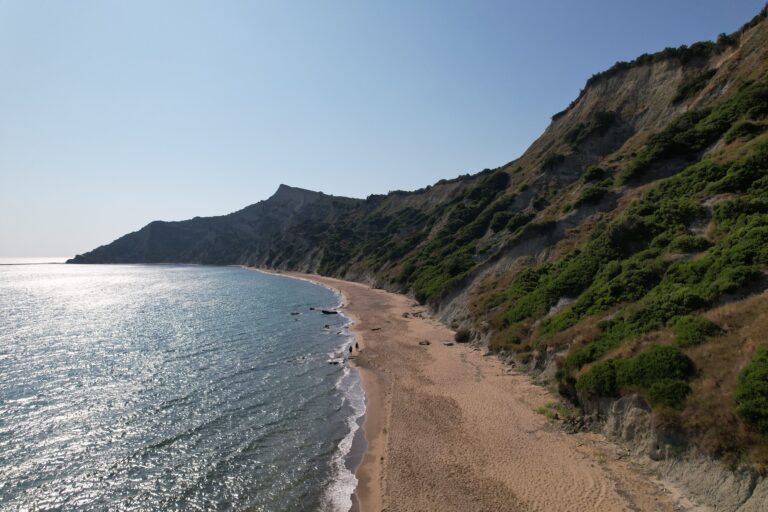
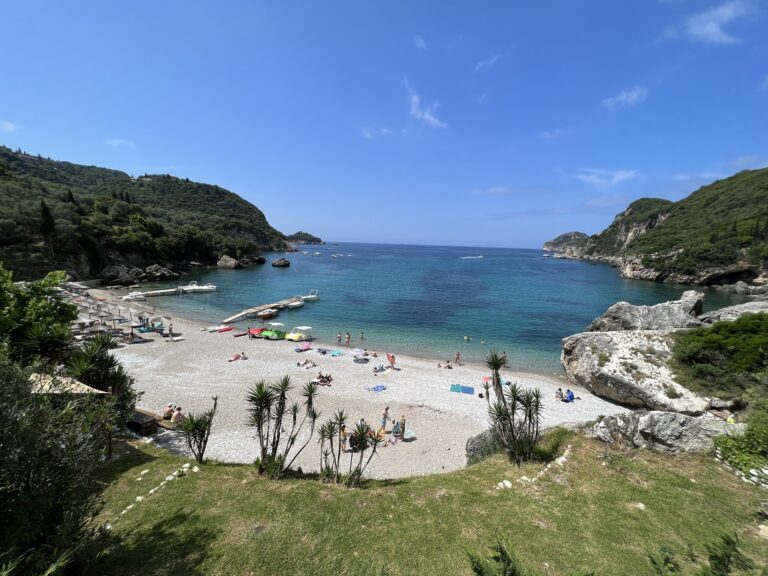
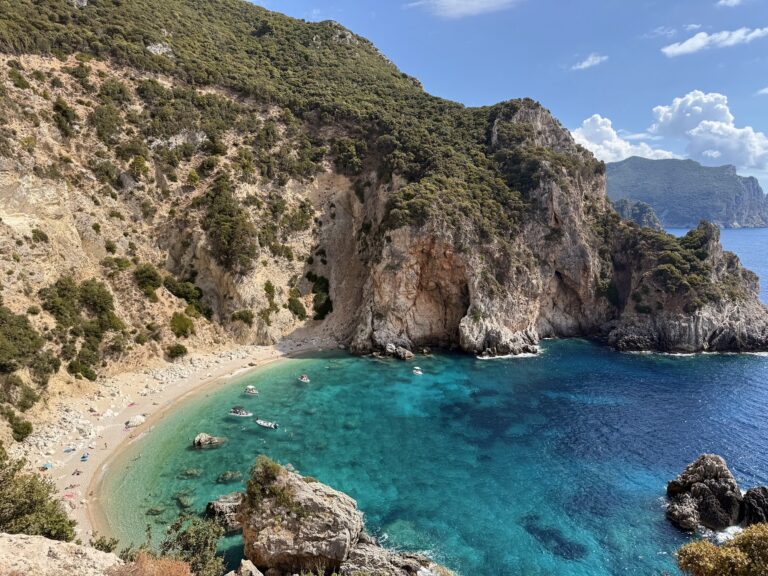
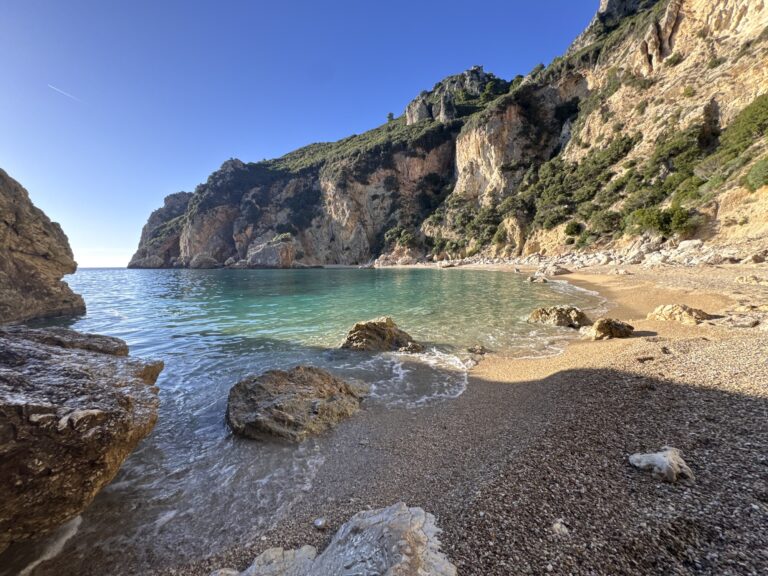
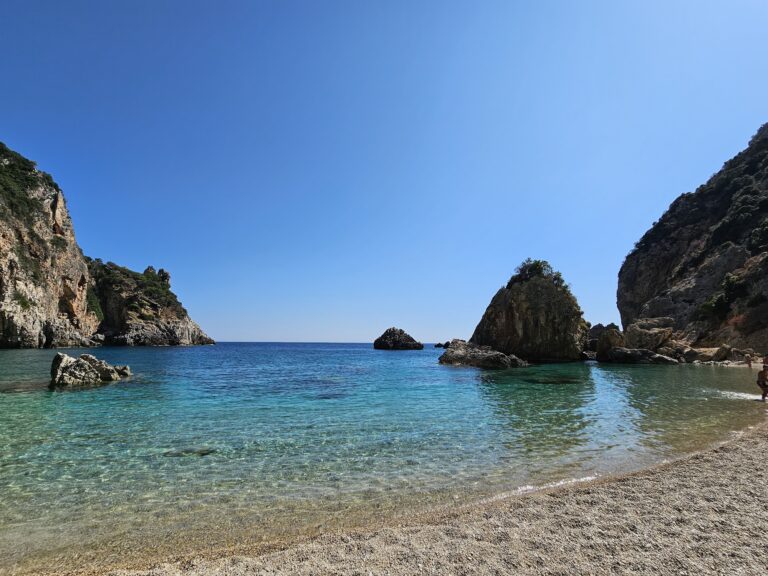
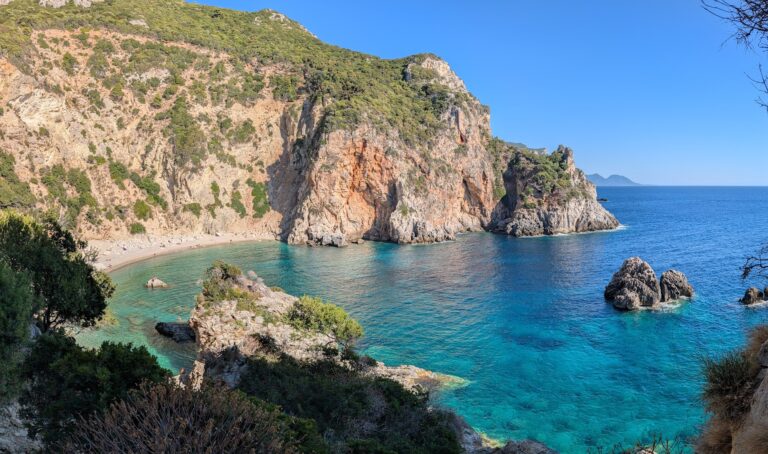
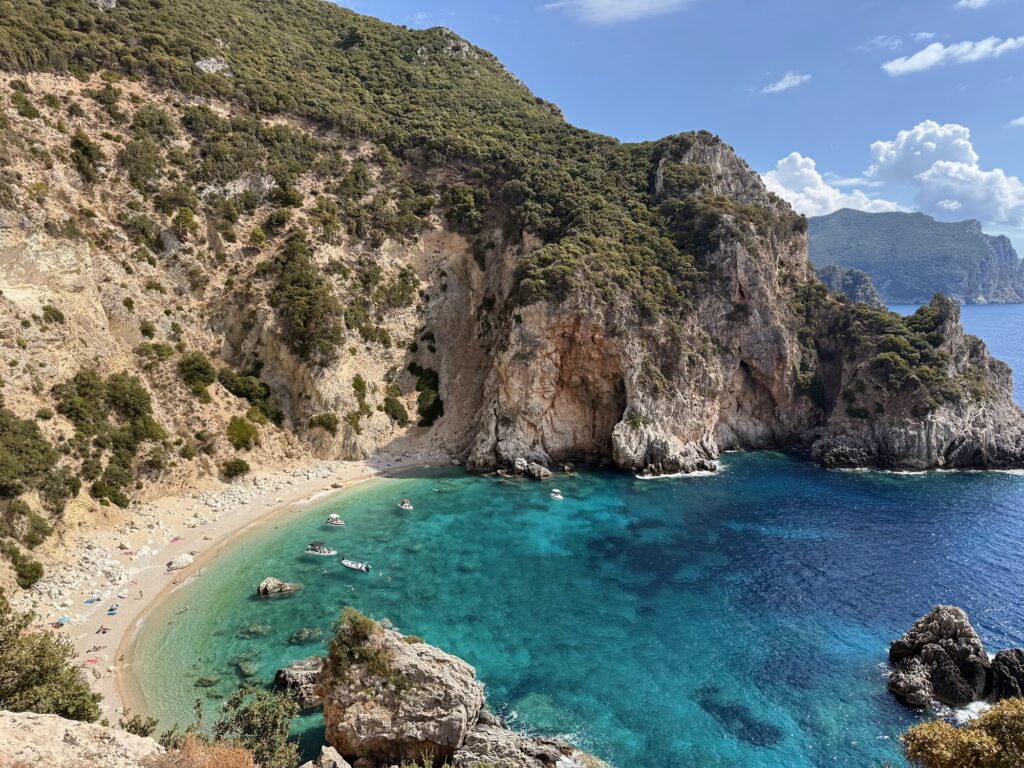
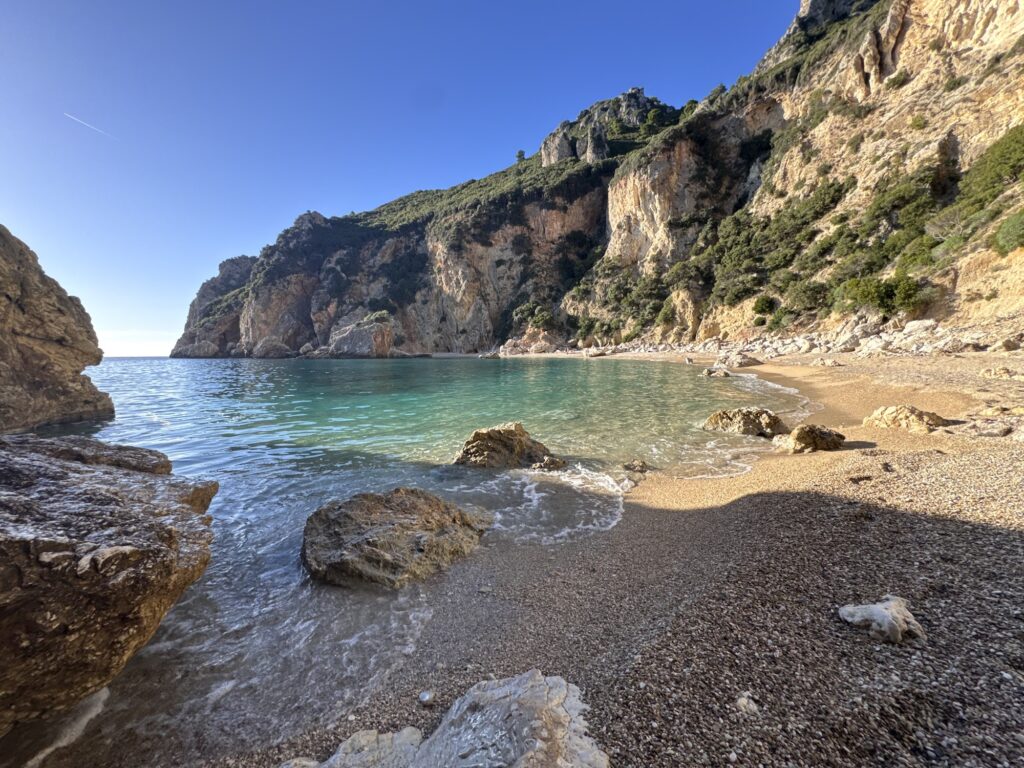
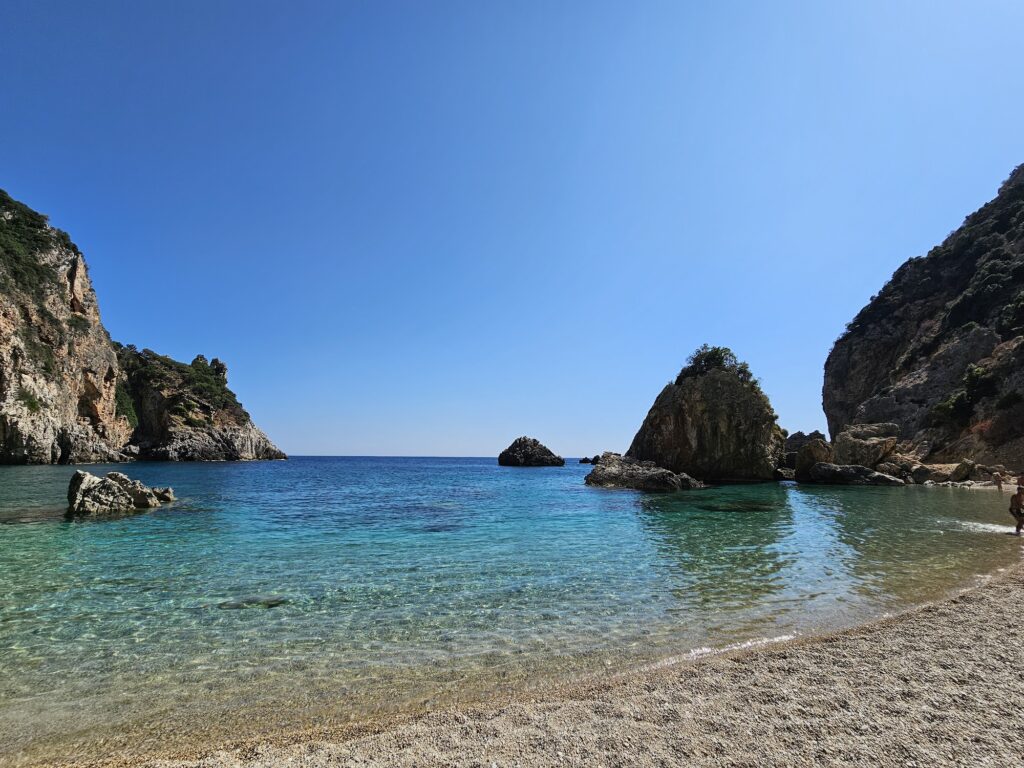
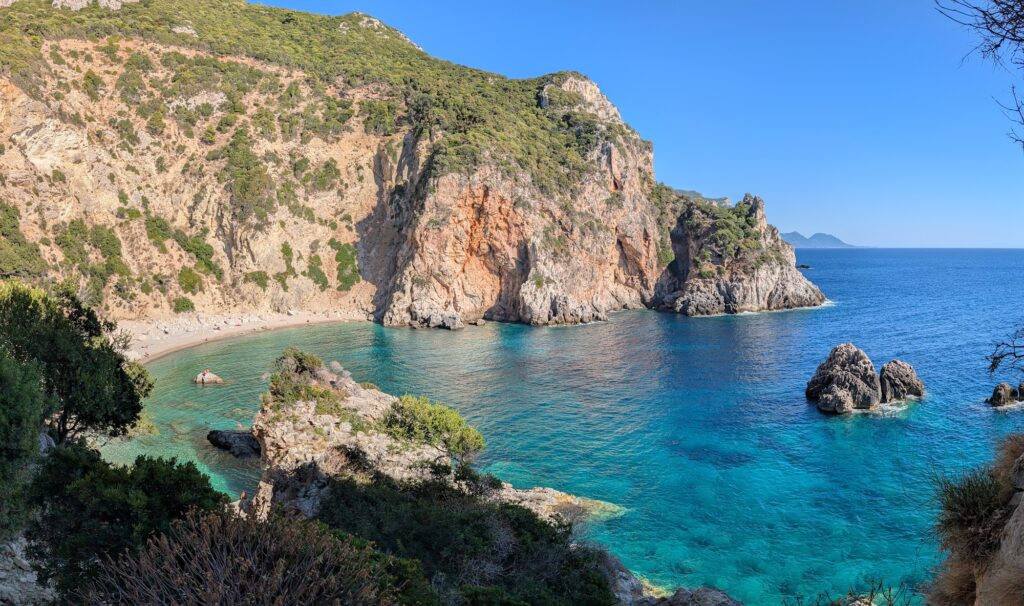
Gyali translates roughly to “glass beach,” and the name holds up honestly once you’re actually standing on the pebbles, water so transparent it genuinely does create something close to an optical illusion, the small, polished white stones underfoot keeping the sea undisturbed even on breezier days. The color shifts fast, pale glowing turquoise at the shoreline deepening into a vibrant cobalt further out, and I found the white limestone cliffs framing the whole cove reflected enough sunlight to give the water a luminous quality I hadn’t quite matched at any other beach on this island.
A Cove Reserved for Those Willing to Work for It
Reaching Gyali by land means a genuinely demanding thirty-to-forty-five-minute hike from the outskirts of Giannades, steep descents and, in places, fixed ropes required to manage the terrain safely, proper hiking boots essential rather than optional. I found the effort considerably more manageable by sea instead, small motorboats rented from nearby Liapades or Paleokastritsa, or local water taxis that drop passengers directly onto the pebbles without any of the cliffside scramble. Given how remote and undeveloped this beach remains, dogs would likely be fine here on a leash following the standard rule for Greek beaches, though I’d think carefully before attempting the land route with one given how demanding the trail actually is.
Caves Worth the Climb Down to Explore
The rock formations flanking Gyali create genuine caves and crevices along the cliff base, and snorkeling here rewarded the effort considerably, the isolation that makes this beach hard to reach also keeping the marine life around its edges noticeably less disturbed than at more accessible coves nearby.
Getting There by Land or by Water
For hikers, parking sits at the end of a dirt road leading out of Giannades, with trail markers guiding the route toward the cliff edge from there; anyone preferring the sea route can arrange a rental boat or water taxi from Liapades or Paleokastritsa, both a comfortable drive from Corfu Town along the island’s well-paved network heading toward the west coast. I’d recommend the water approach specifically for anyone traveling with children or without genuine hiking experience, since the land route’s difficulty shouldn’t be underestimated based on distance alone.
Standing Where a Village Chose the Hill Over the Shore
By the time I made the climb back up to Giannades on my last visit, I found myself thinking about that original coastal settlement, abandoned centuries ago for safety, the beach below now empty of anything except cliffs, clear water, and the occasional hiker or boat willing to make the effort a village once decided wasn’t worth the risk.
Map
Sorry, no records were found. Please adjust your search criteria and try again.
Sorry, unable to load the Maps API.
Near by places: