Voula Beach Athens: Honest Look, Rocks Not Sand
Profile
Voula Beach, Athens: I Took the Tram to the End of the Line and Found Rocks, Not Sand, and Didn’t Mind Either Way
Greece | Voula | Athens Riviera, Attica
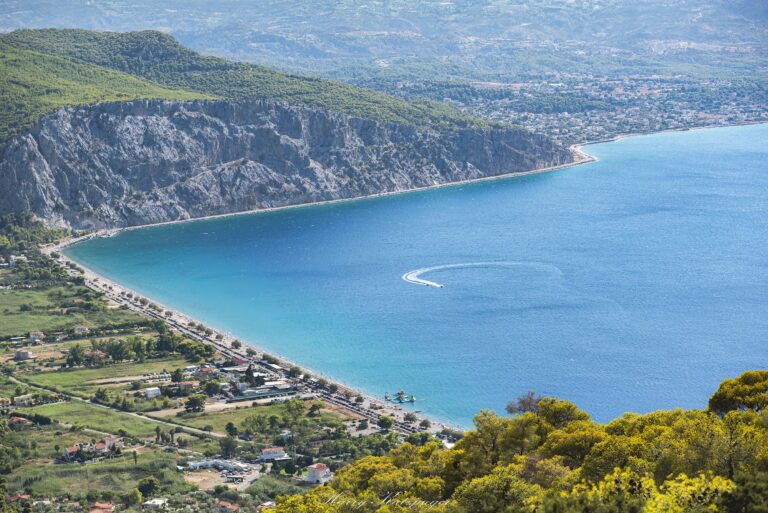
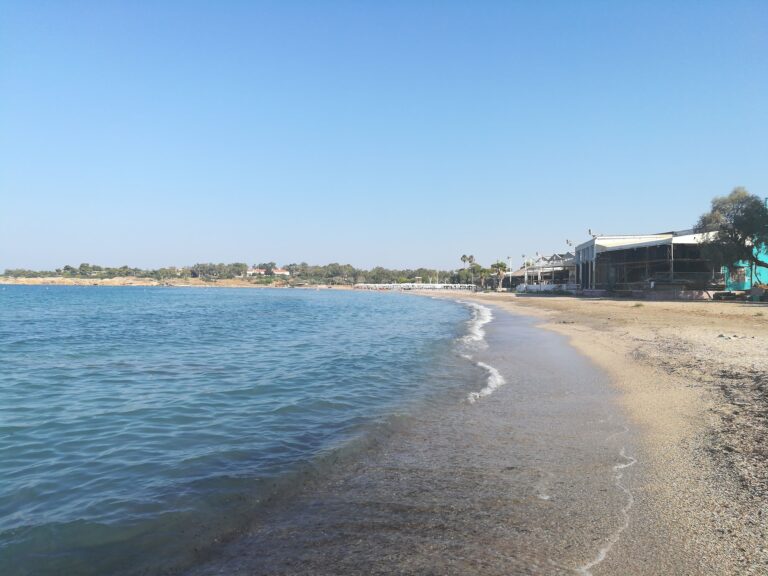
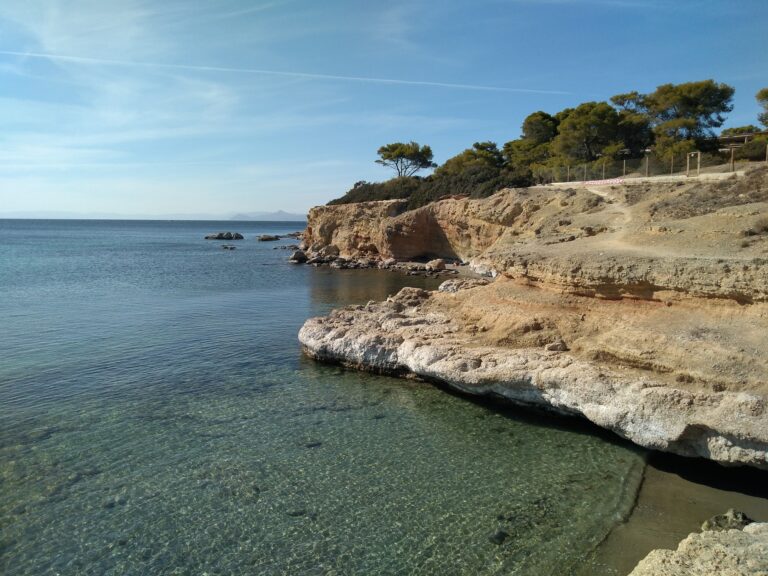
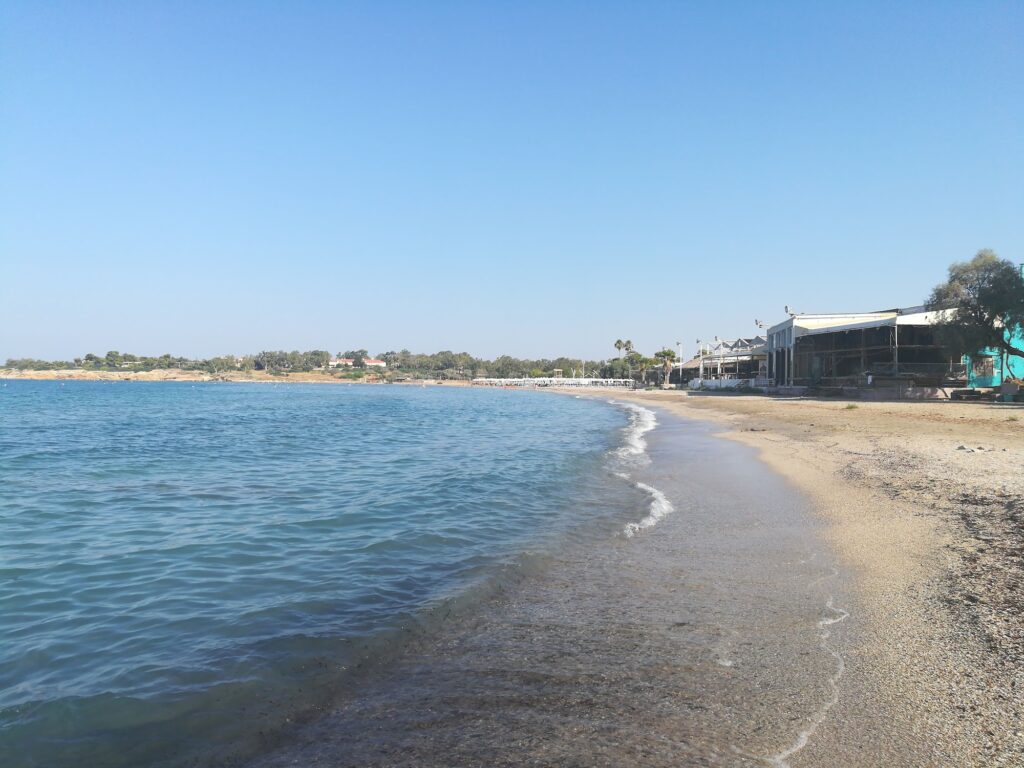
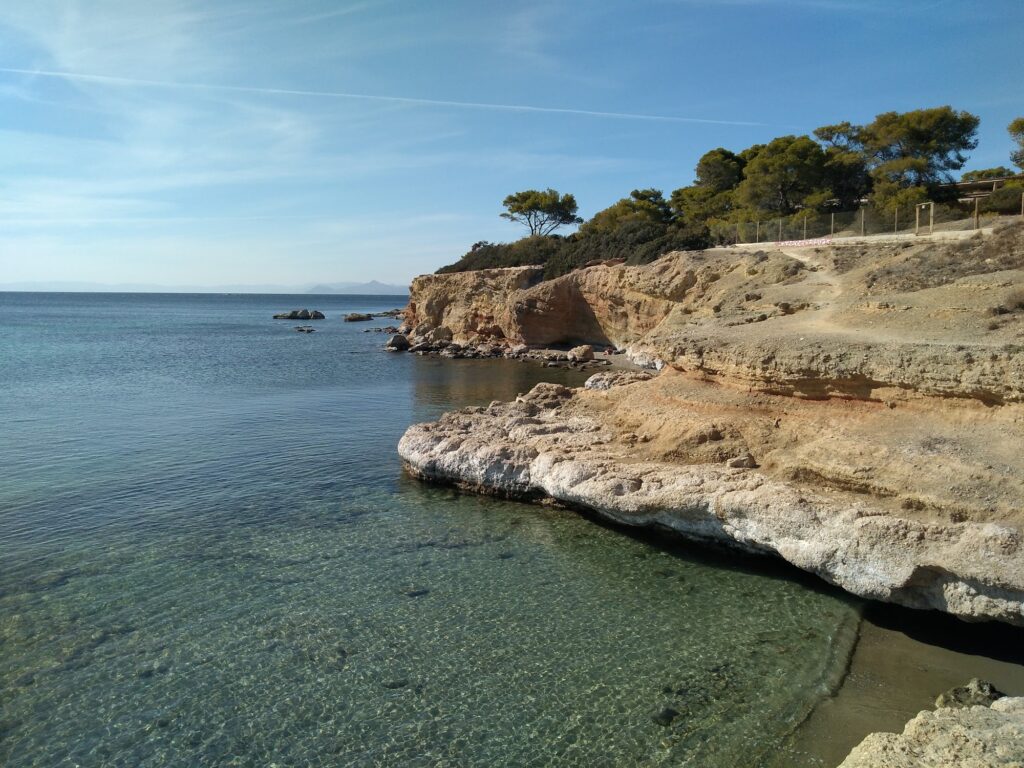
I rode the tram all the way to its final stop expecting the soft golden sand I’d read about, and what I actually found at Voula was coarser than that — gritty sand mixed with patches of sharp rock in places, enough that I watched a couple of parents steering their kids carefully around one stretch near the cliff face. It didn’t bother me. The water was just as clear as promised, and there’s something about a beach that doesn’t pretend to be something softer than it is that I ended up appreciating more than I expected to.
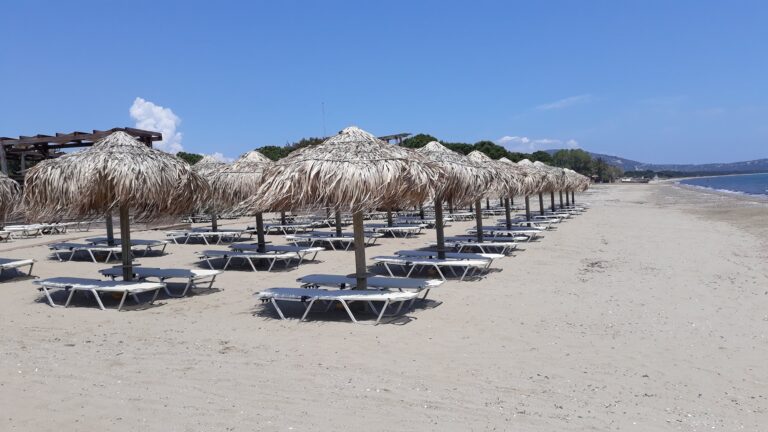
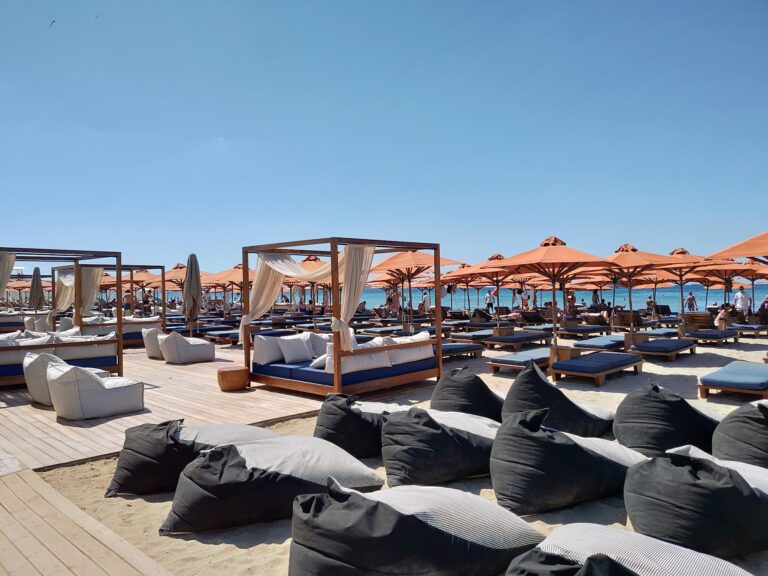
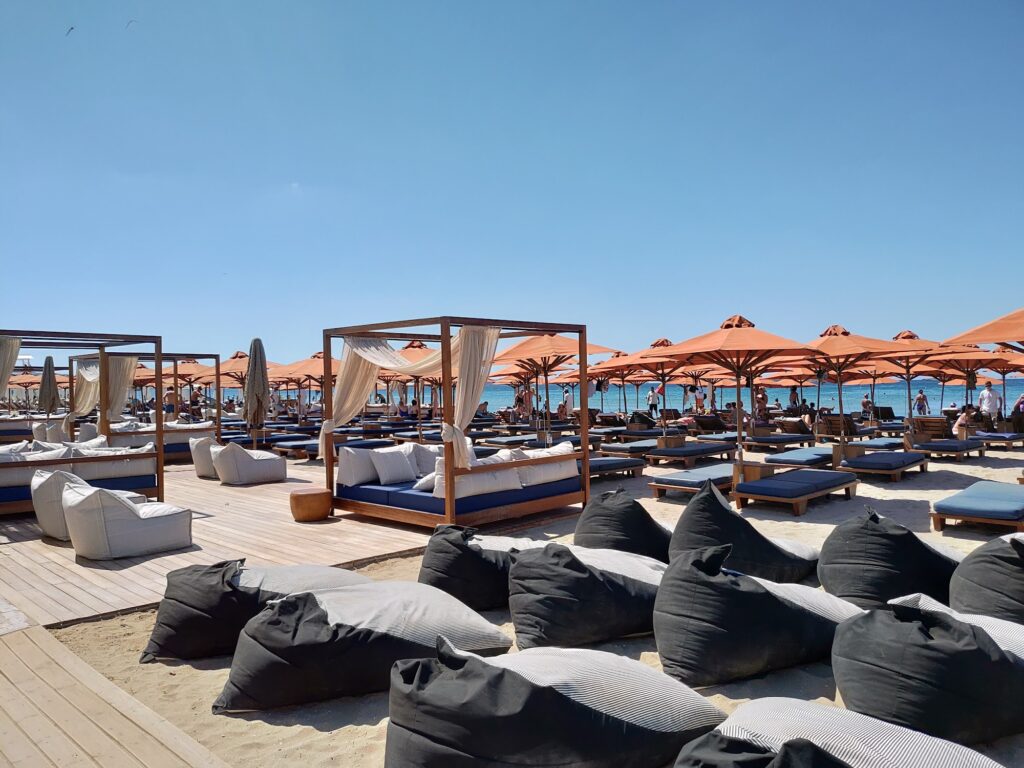
Voula actually has two separate organised sections — A’ to the north and B’ to the south — both managed by the Greek National Tourism Organisation, which means the facilities are standardised: sunbeds, umbrellas, showers, changing rooms, a snack bar, all present and reasonably maintained, and a modest entry fee in the region of €4 to €5 in peak season rather than the free-for-all I’d half expected from a public beach this close to the city. Both hold Blue Flag status. The town itself sits in what I came to think of as the sensible middle ground of this stretch of coast — south of Glyfada, which is busier and a little more commercial, north of Vouliagmeni, which is well-known and noticeably more expensive — and Voula quietly benefits from sitting between the two without trying to compete with either.
Getting There: T6 to Pikrodafni, Then Transfer to T7, All the Way to the Final Stop
Getting there by tram took longer than I expected, because it isn’t a single direct line the way I’d assumed. I took Line T6 from Syntagma and had to change at Pikrodafni onto Line T7, which then runs all the way down to Asklipieio Voulas — the actual final stop on the entire Athens Tram network. The full journey, door to door, took close to 45 minutes, and the return fare worked out to a few euros. From the final stop, it was a short walk of five minutes or so to reach the beachfront, past a café that looked like it served mostly locals rather than visitors.
By car, the drive from central Athens down Syngrou Avenue and onto coastal Poseidonos Avenue took 30 to 40 minutes, and there’s a large organised parking area at the beach entrance — though I’d plan to arrive early on a summer weekend, because it filled while I was still deciding where to put my towel.
The Beach: Coarse Sand and Some Rock, Shallow Gradual Entry, Two GNTO Sections, Volleyball and Waterslides
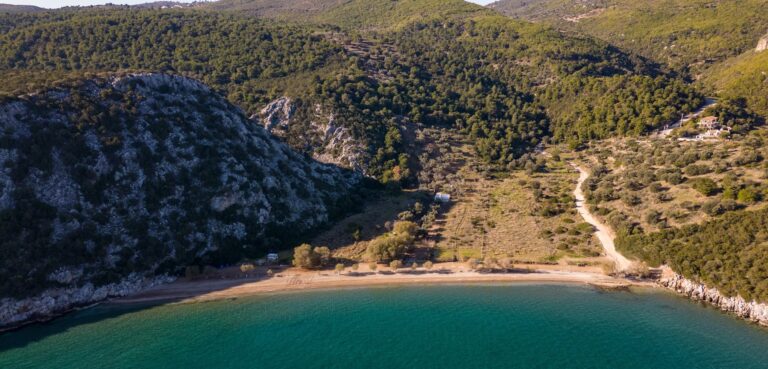
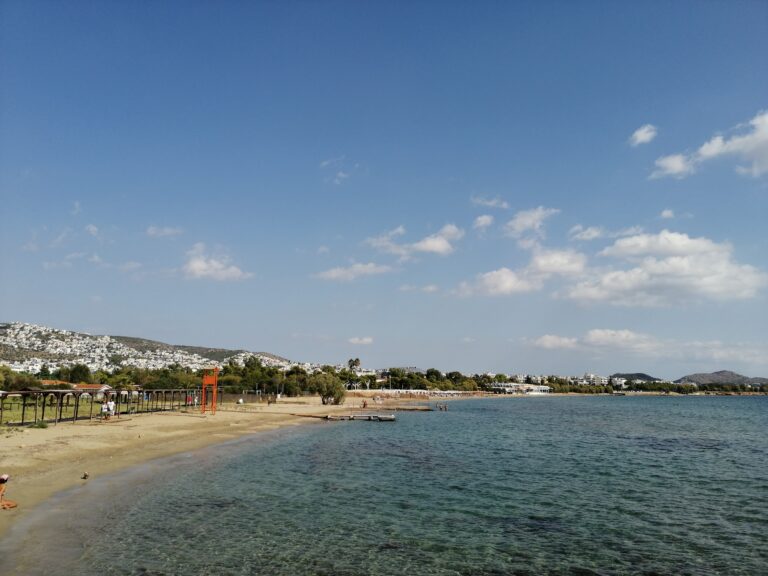
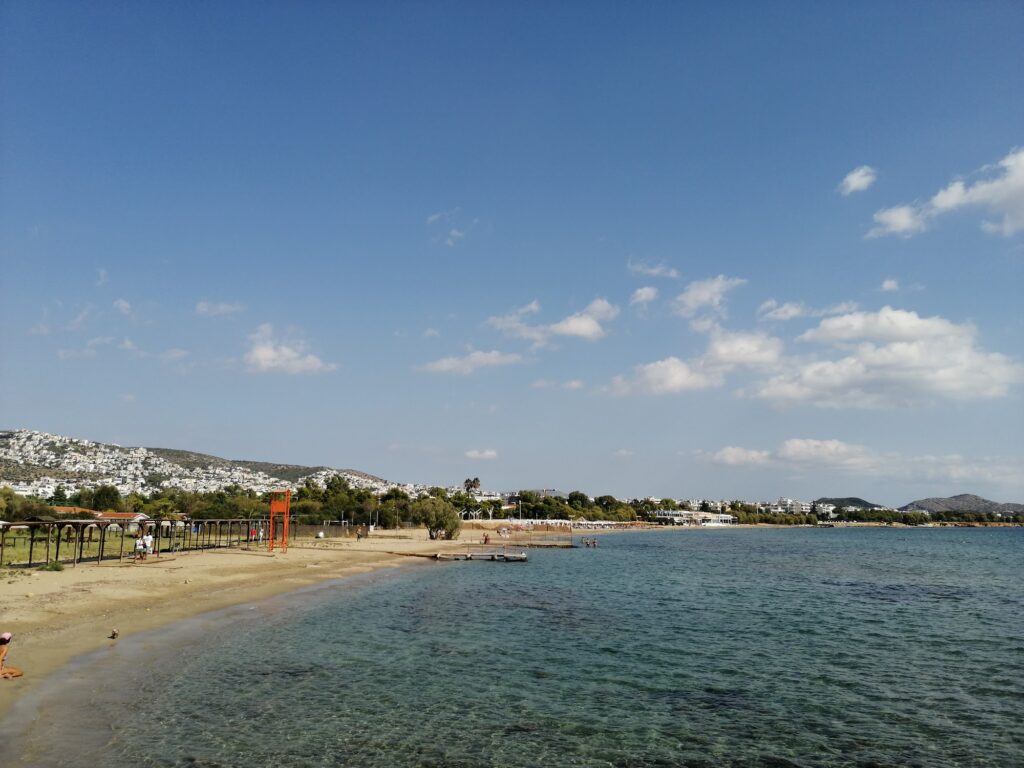
Once I got past my initial surprise at the texture underfoot, the actual swimming was exactly as advertised: a shallow, very gradual entry that made it obvious why this is such a popular spot for families. I waded out a long way before the water reached my chest, and the clarity held the whole way. Cliff faces frame parts of both sections, and the rockier patches I’d been warned about sit closer to those cliffs rather than across the whole beach — the section directly opposite the tram stop looked, from where I stood, like a longer and gentler sandy stretch better suited to small children, though I didn’t make it over there myself.
Beach volleyball courts, water sports rentals, an inflatable waterslide section, and a play area for children round out the facilities. Lifeguards were stationed and visibly attentive the entire time I was there.
The Pigeon Problem, and One Genuinely Good Coffee
I’ll mention this because it made me laugh more than it bothered me: one of the beach bars I sat at had a noticeable pigeon situation, drawn in by people feeding them sandwich crumbs from their sunbeds. It wasn’t dangerous, just a bit chaotic when ten or twenty birds descended on a stretch of beach at once. Elsewhere, at a quieter café closer to the tram stop, I had a Greek coffee that came with a free slice of cake and a couple of glasses of water without my asking — the kind of small, unprompted hospitality that made up for the birds entirely.
Continuing North: Kalamaki and Edem Beach
If you’re coming from further up the coast rather than heading straight to Voula, the same general tram corridor passes both Kalamaki Beach Alimos Athens Greece — the free Blue Flag stretch right across from its own tram stop, where Thucydides was born — and Edem Beach Athens Greece, the beach built around the century-old fish restaurant where you can swim while your catch cooks. I’d done both earlier in the same trip, and Voula, at the literal end of the line, felt like the natural final stop of a day spent working down the Athens Riviera one tram station at a time.
Voula Beach at the very end of the Athens Tram line is the coarser, rockier cousin of the soft-sand beaches further north — two GNTO-managed sections (A’ and B’), Blue Flag, a modest €4–5 entry fee, shallow gradual entry good for families despite the occasional sharp rock near the cliffs, beach volleyball, waterslides, and a children’s play area. Getting there means T6 to Pikrodafni then a transfer to T7 for the full 45-minute ride, or 30–40 minutes by car with organised parking. Watch out for the pigeons at the busier bars.
Take the tram all the way to the end. Don’t expect soft sand. Bring small change for the entry fee and watch your sandwich around the birds.
Map
Sorry, no records were found. Please adjust your search criteria and try again.
Sorry, unable to load the Maps API.
Near by places: