Sounio Beach: Below the Temple, Check the Water First
Profile
Sounio Beach: Below the Temple Where Aegeus Is Said to Have Jumped, Giving the Aegean Sea Its Name
Greece | Sounio | Lavreotiki Municipality, East Attica
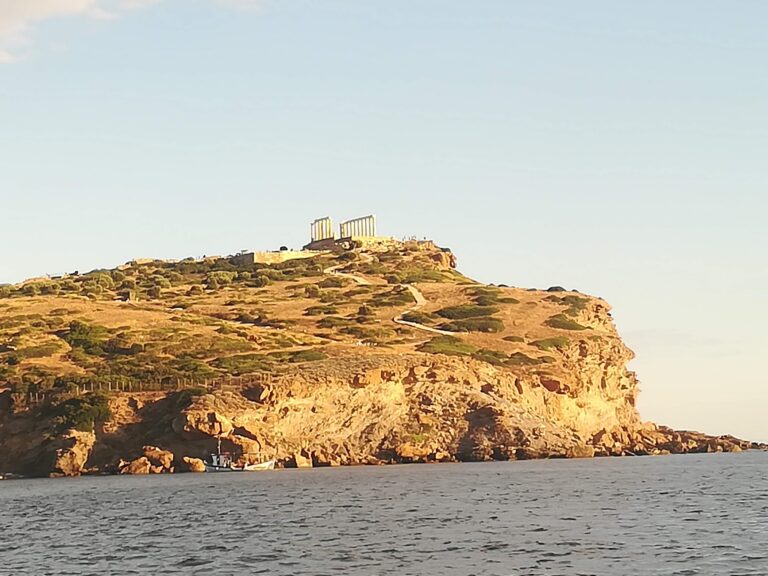
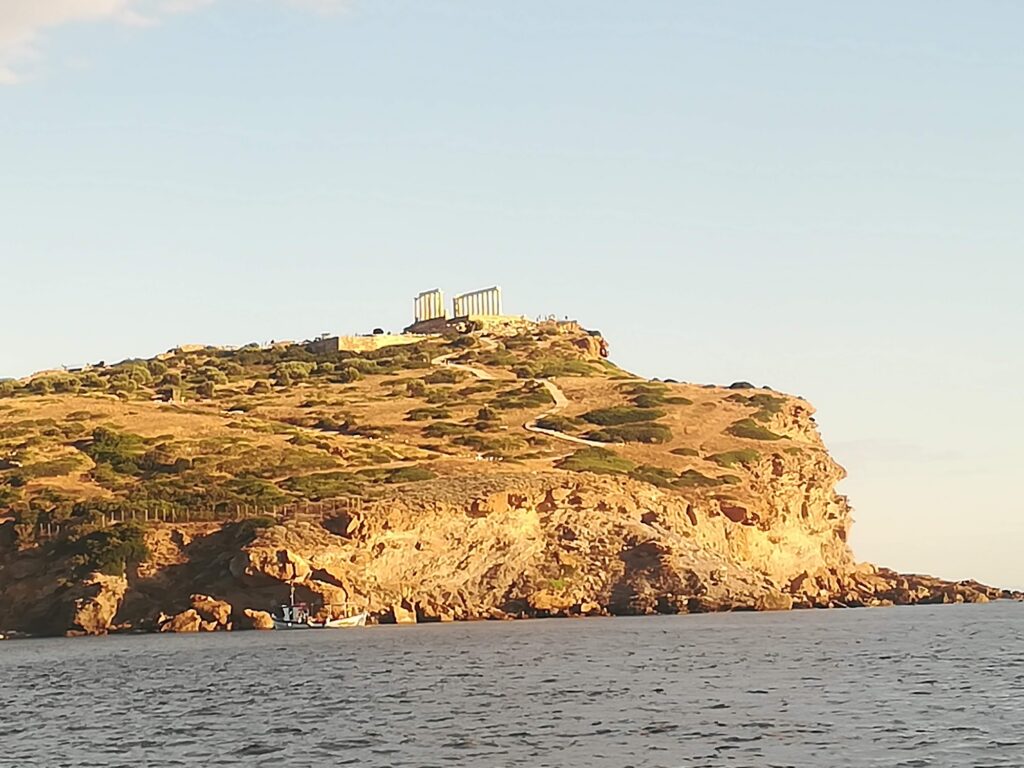
Below the Temple of Poseidon, on a marble column still standing after roughly 2,500 years, the word “Byron” is carved — etched, by tradition, during the poet Lord Byron’s visit in 1810, one of the more famous acts of casual vandalism in the history of European tourism. The temple itself, rebuilt around 444 to 440 BC during the age of Pericles, the same era that produced the Parthenon, replaced an earlier Archaic structure destroyed by Persian forces in 480 BC during Xerxes’s invasion. After defeating the Persian fleet at Salamis, the Athenians placed an entire captured enemy warship at Sounion as a trophy dedicated to Poseidon — a literal trophy of war set up at the very point where outgoing and returning Athenian ships made their final and first sighting of home.
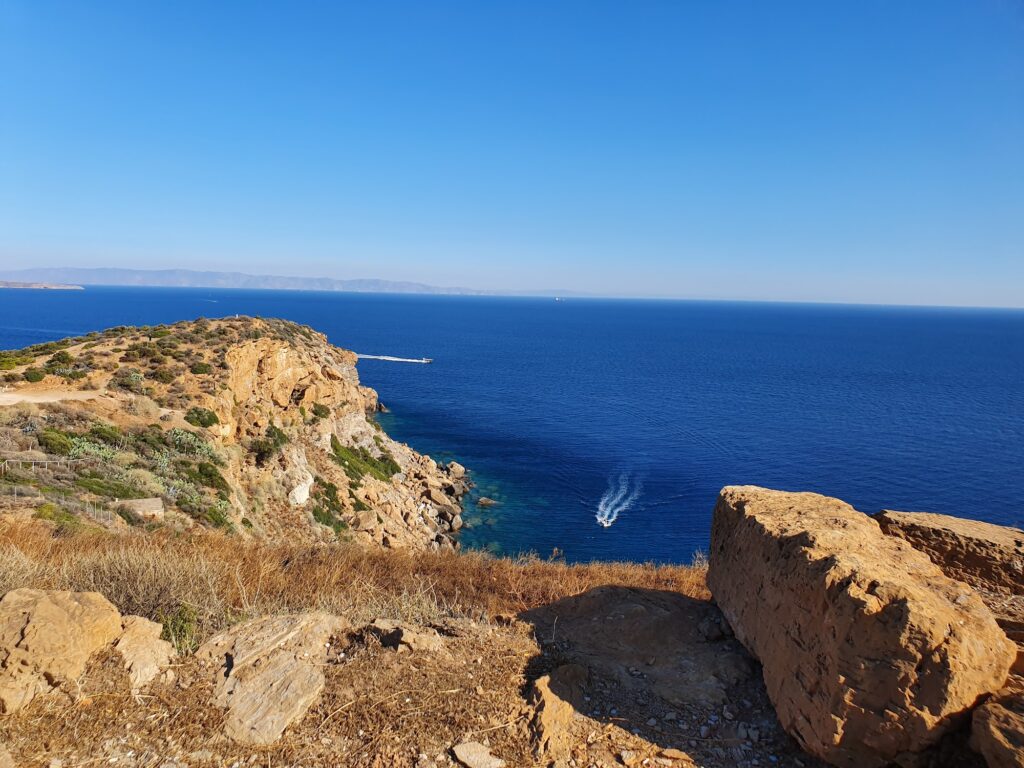
The mythology runs deeper still. According to tradition, this is where King Aegeus of Athens leapt to his death, having mistakenly believed his son Theseus had been killed by the Minotaur on Crete — Theseus had promised to hoist white sails on his return if he survived, but forgot to change them from black, and Aegeus, watching from this cape, despaired and threw himself into the sea, which has carried his name, the Aegean, ever since. Homer’s Odyssey places a different episode here too: Menelaus, returning from Troy, stopped at this temple to bury his helmsman Phrontis.
I want to pass along something I found that directly contradicts the postcard version of this beach. One detailed account describes arriving to find the sunbeds in poor condition, costing forty euros a set with almost no free space for anyone unwilling to pay, and — more seriously — the Greek Ministry of Health ordering a bathing ban at this stretch of coast over water quality concerns, with local authorities allegedly slow to post the required warning signs. I cannot verify how current or how widespread this issue is at the time anyone reads this, and other visitors report a perfectly pleasant swim with the temple visible above, but I’d genuinely recommend checking recent local conditions before assuming the water is fine, rather than relying purely on the view.
Getting There: 69 Kilometres From Athens, via the Sounio Coastal Road
The drive from central Athens follows the Athens-Sounio coastal road south through Vouliagmeni, Varkiza, Lagonisi, and Anavyssos, the full journey covering roughly 69 kilometres and taking about an hour and a half. From Athens International Airport, the cape is considerably closer, around 45 kilometres and 45 minutes, making it a genuinely practical final stop before a flight.
The KTEL Attikis intercity bus departs from Aigyptou Square, near Victoria metro station, taking roughly two hours to reach Sounio directly. The Temple of Poseidon itself opens daily from 9am until sunset, admission ten euros for adults, five for students and seniors, including the on-site archaeological museum.
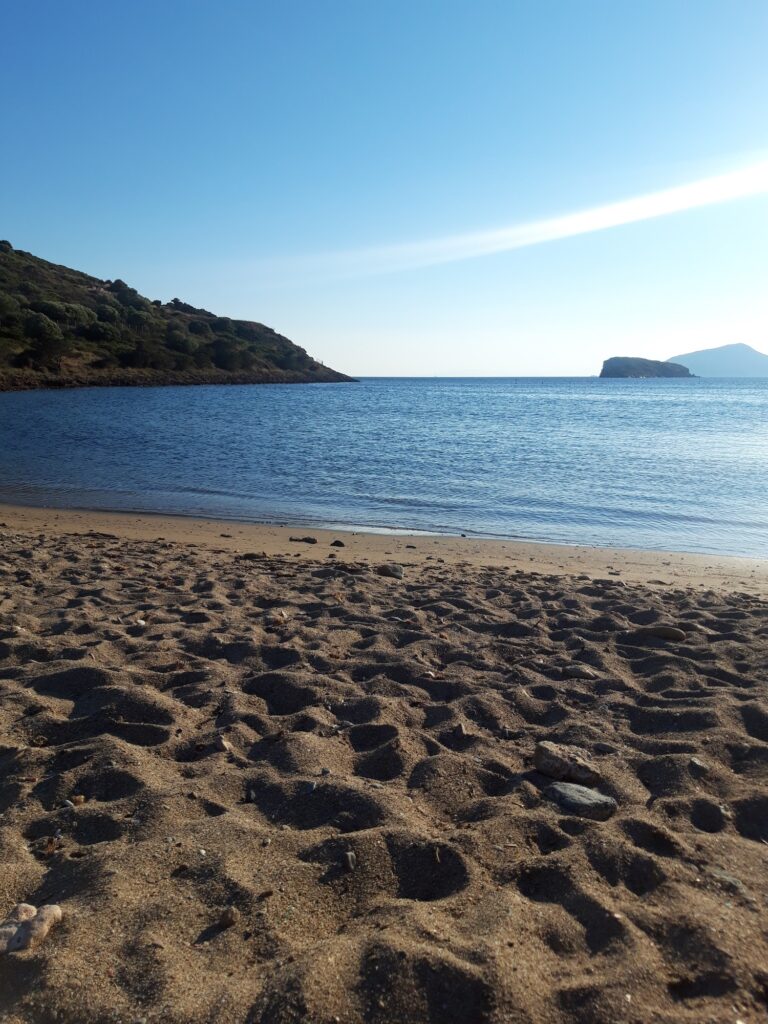
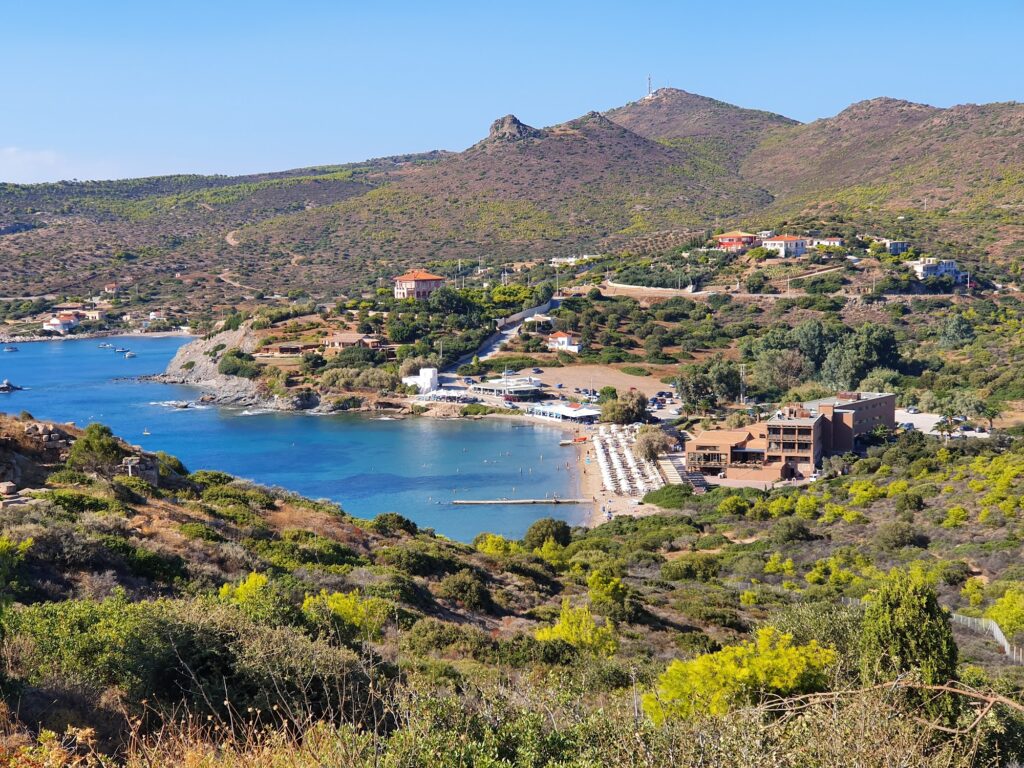
The Beach: Sand With Rocky Free Sections, Deepening at Points, a View of the Temple Above
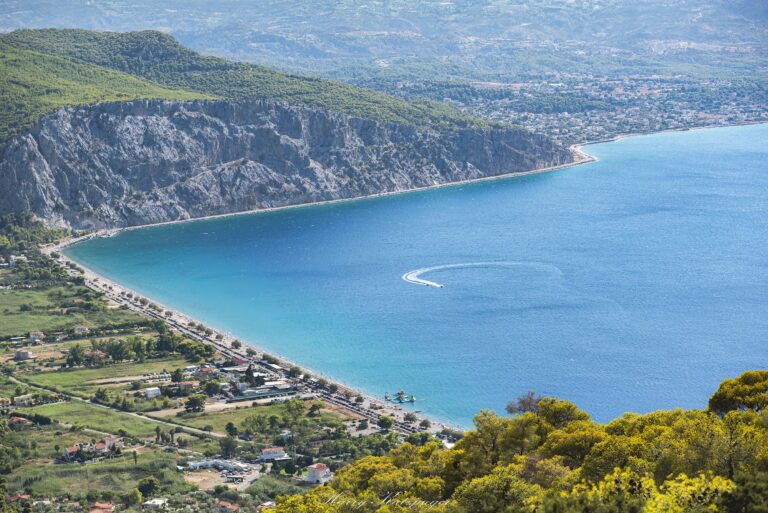
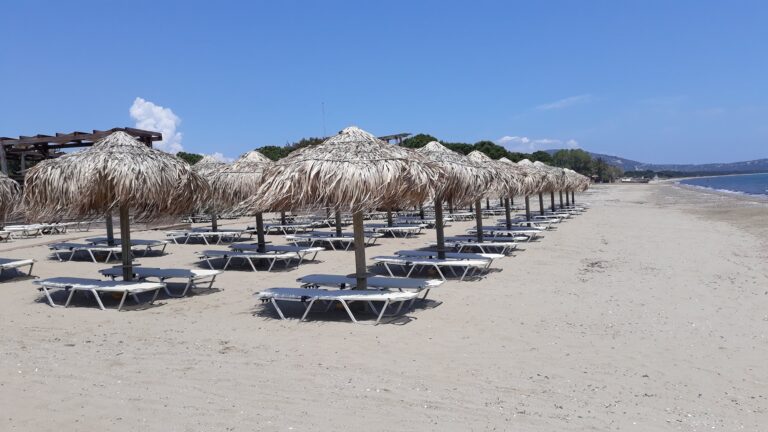
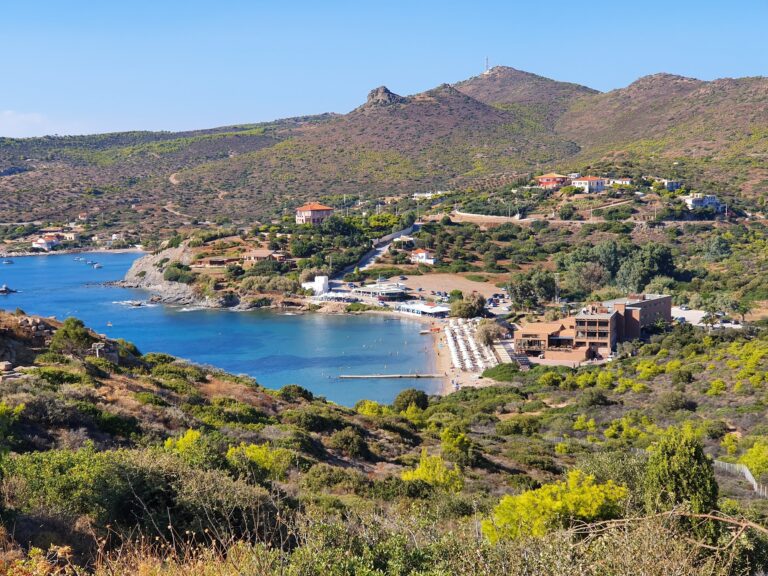
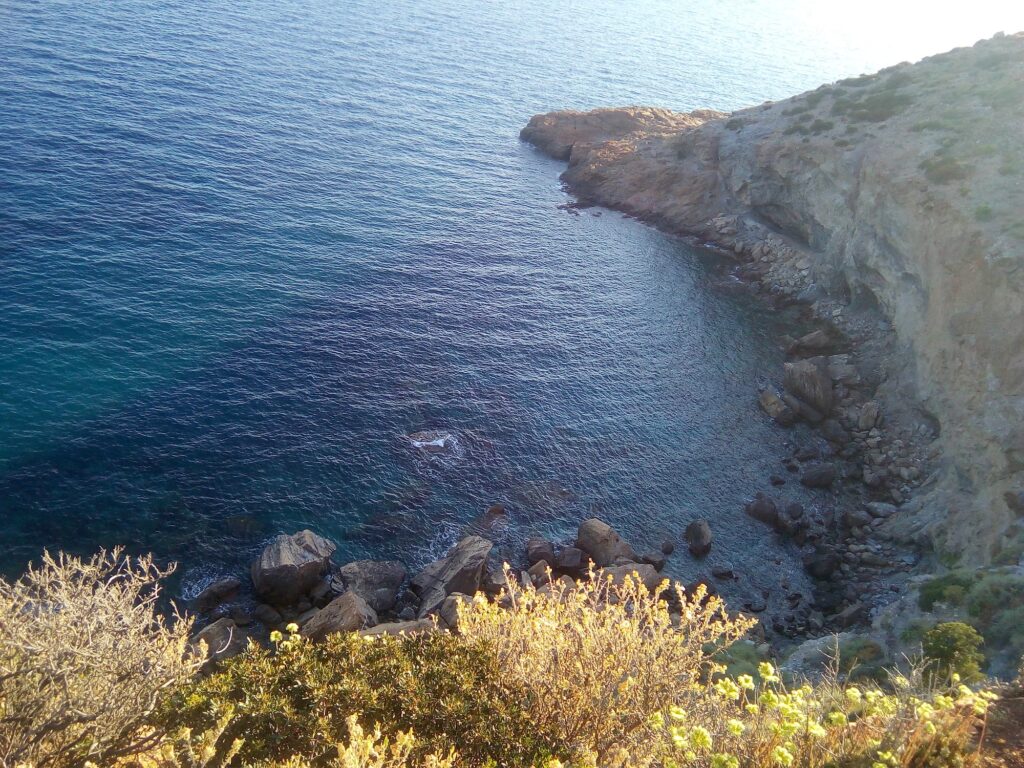
The beach beneath the temple mixes sandy paid sections, managed by establishments including the Aegeon Beach Hotel, with rockier free stretches for anyone preferring not to rent. The water deepens quickly at certain points, and I’d watch toddlers and younger children carefully given how fast the seabed drops in places. Two tavernas serve food directly by the water, and the rocky edges of the bay reward snorkelling on a calm, clean day.
The genuine highlight, regardless of the water quality question, is the view: swimming with the temple’s marble columns visible directly above, and staying through sunset when the same columns glow orange against the darkening sky — an experience several accounts single out as worth the visit on its own merits.
Charakas and KAPE Beach Nearby
A short distance back along the coastal road, Charakas Beach Keratea Attica Greece, faces the protected island of Patroklos and offers a sandier, more consistently family-friendly alternative. KAPE Beach Legrena Sounio Attica Greece, sits a little further north still, offering the unfacilitated, largely clothing-optional counterpoint to Sounio’s more developed and monument-adjacent stretch of sand.
Sounio Beach sits directly below the Temple of Poseidon, where Lord Byron carved his name into a column in 1810, where myth places King Aegeus’s fatal leap that gave the Aegean Sea its name, and where the Athenians once displayed a captured Persian trireme as a war trophy. Sand and rock, deepening quickly in places, paid and free sections both present, with a genuine and specific concern raised in at least one detailed account about water quality and a reported Ministry of Health bathing advisory — worth confirming current conditions before swimming rather than assuming the postcard view guarantees clean water. Sixty-nine kilometres from Athens, 45 from the airport, with Charakas and KAPE Beach both within easy reach along the same coastal road.
Drive the Sounio coastal road, or take the KTEL bus from Victoria. Check recent water quality reports before swimming. Stay for sunset regardless — the temple glowing above the water is the real reason to come.
Map
Sorry, no records were found. Please adjust your search criteria and try again.
Sorry, unable to load the Maps API.
Near by places: