Agios Nikolaos Anavyssos: A Chapel Once Damaged
Profile
Agios Nikolaos Beach, Anavyssos: A Chapel Damaged by an Explosion in 2005, on a Hill With Walls Reused Through Two Wars
Greece | Anavyssos | Saronikos Municipality, East Attica
The chapel that gives this beach its name has its own specific, recent history worth knowing before assuming it’s simply an old, untouched church. In 2005, an explosion severely damaged the small structure, destroying its frescoes, entrance, and other parts of the building; it has since been repaired and now stands in the form visitors see today. The chapel itself dates to the post-Byzantine period, a modest single-room building roughly 4.9 by 12.5 metres, set on a small peninsula separated from the rest of the coast by a narrow strip of sand.
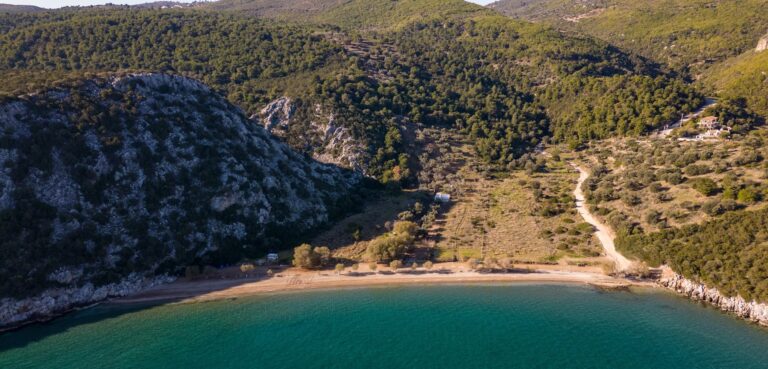
That peninsula carries history older than the chapel by a considerable margin. North and west of the church, the visible remains of a prehistoric settlement still survive, and it’s considered probable that this hill once held the fortress of Anaflystos, mentioned by the historian Xenophon. The same defensible position was put back to use far more recently: during the Second World War, the walls here were reoccupied for military purposes, a layering of ancient and twentieth-century conflict on the same small stretch of high ground above an otherwise quiet beach.
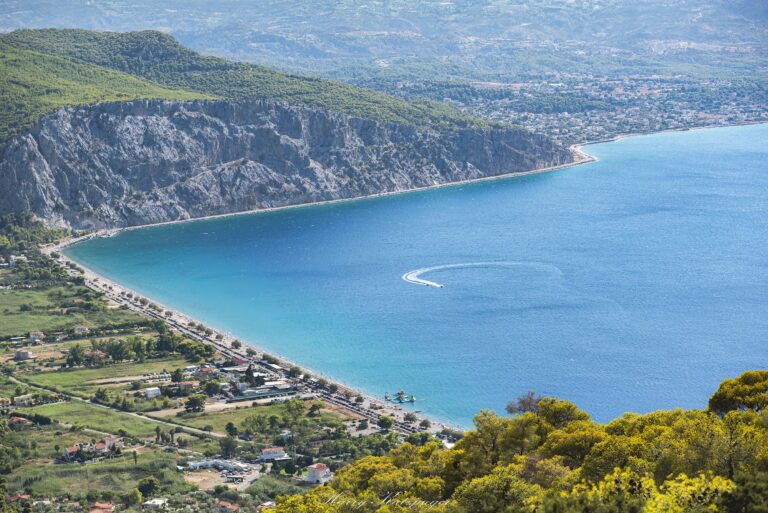
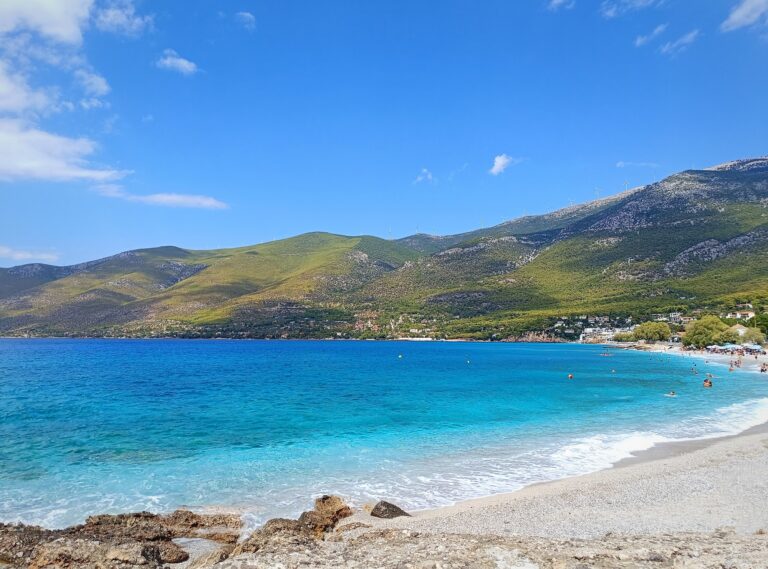
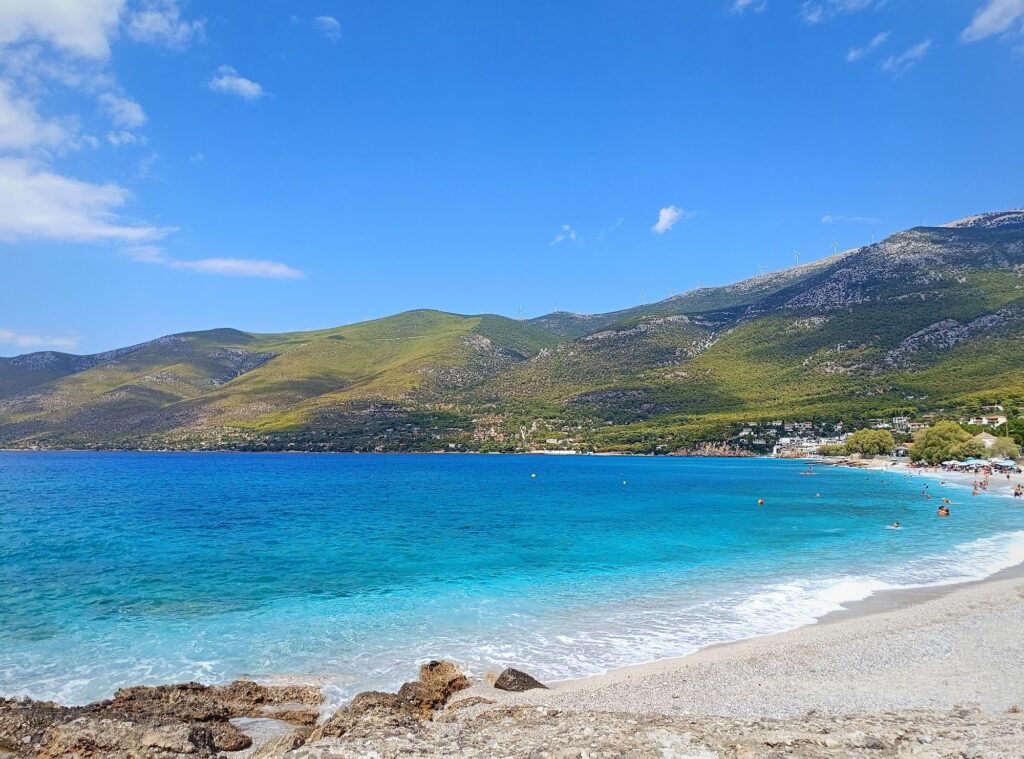
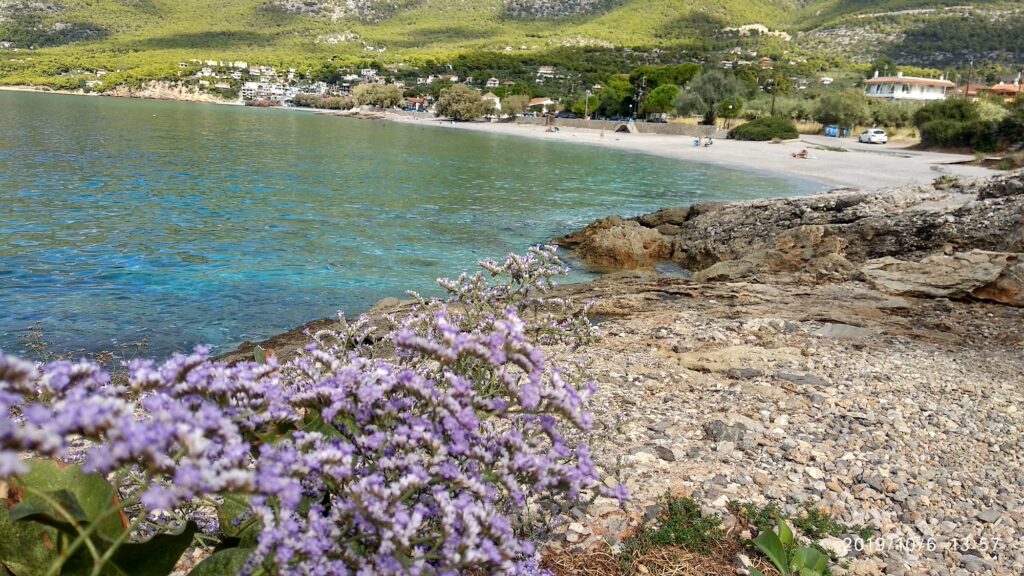
The beach itself sits at the foot of the GNTO School of Tourism Professions and the Anavyssos Nautical Sports Club, the narrow sandy isthmus creating what more than one account describes as an almost exotic landscape for Attica — a strip of sand connecting the mainland to what is, in effect, a small island. More than one local account compares the setting favourably to Balos beach in Crete or Bella Vraka in Sivota, comparisons I’d treat as enthusiastic rather than literal, though the basic geography genuinely is unusual for this stretch of coast.
Getting There: 50 Kilometres From Athens, via the Sounio Coastal Road
The drive from central Athens follows Leoforos Poseidonos south through Saronida and into Anavyssos, taking roughly an hour under normal traffic. The beach itself isn’t visible from the road; the marker to watch for is the sign announcing the Agios Nikolaos chapel, after which parking is available directly at the isthmus entrance, though I’d arrive earlier than planned on a July or August weekend, since the lot fills quickly.
The 122 bus connects to the 123, which reaches Anavyssos directly, a workable option for visitors without a car. From Athens International Airport, the beach sits around 30 kilometres away, making it a genuinely practical stop either before a flight or shortly after landing.
The Beach: Fine Pebbles, Two Coastlines, a Short Climb to the Chapel
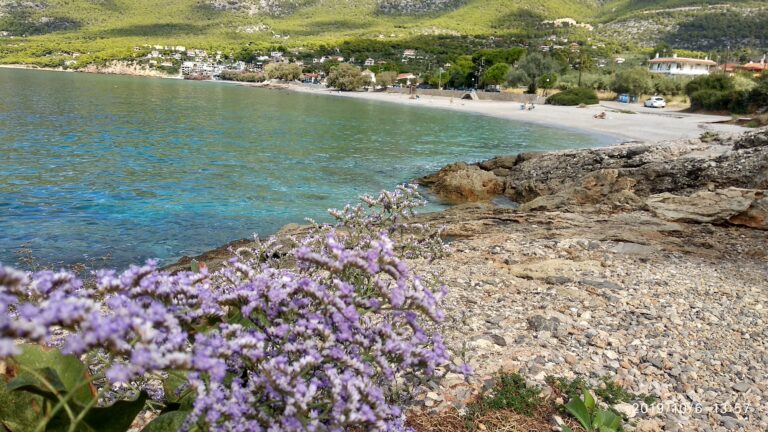
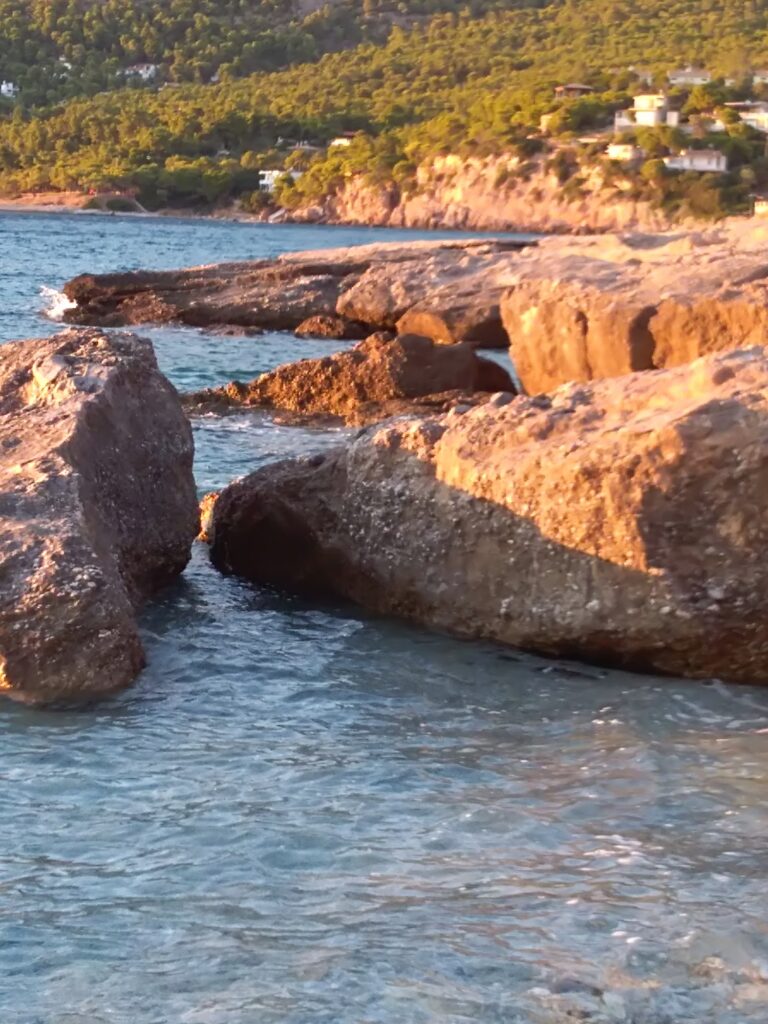
Because the beach sits on an isthmus, it effectively offers two shorelines, and depending on which way the wind is blowing, one side or the other tends to stay close to mirror-still — a practical detail worth knowing if conditions look rough on the side facing the road. The seabed mixes fine sand with rocky outcrops, water clear enough that the spot functions as a recognised, if modest, snorkelling location.
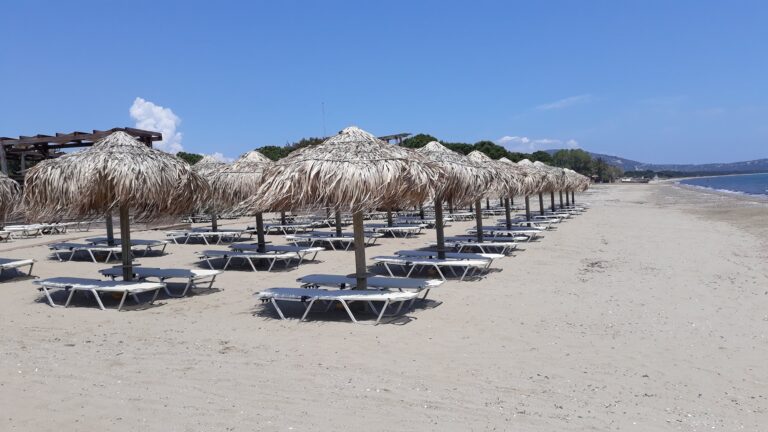
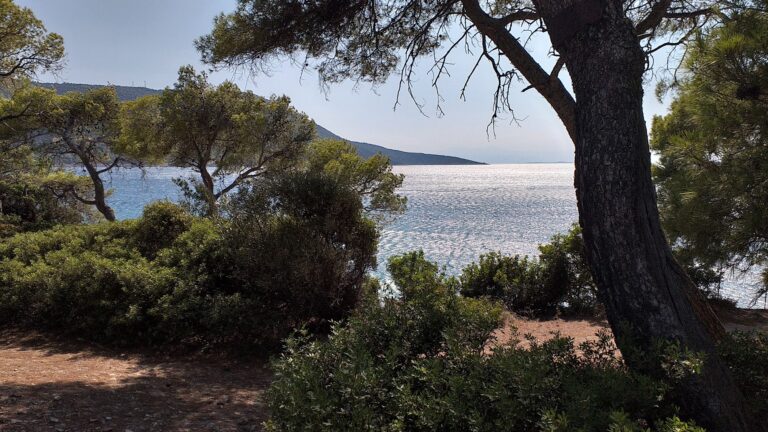
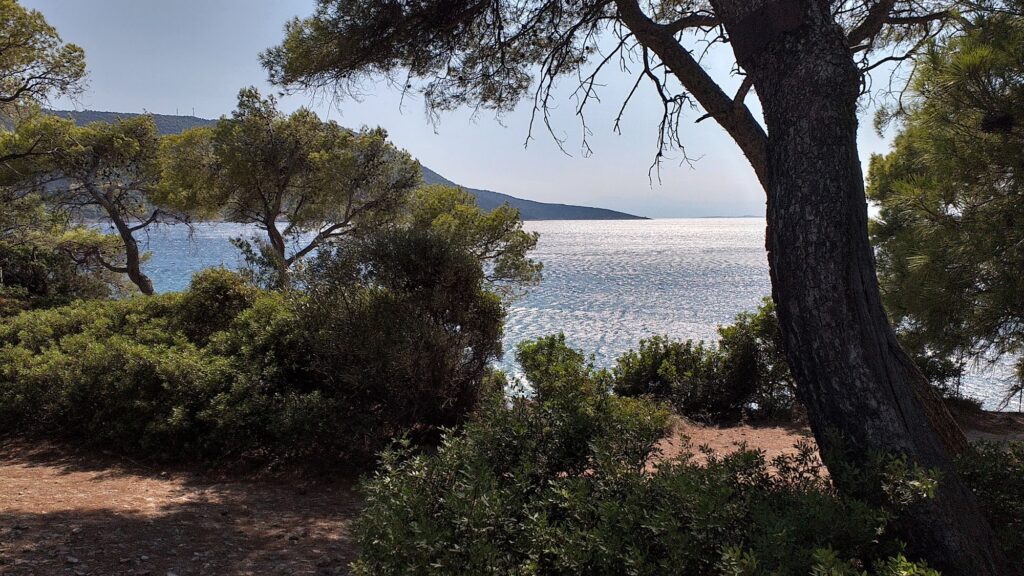
A beach bar with sunbeds operates on the right side of the strip, and the rest remains free for anyone bringing their own gear. The short climb up to the chapel itself is worth the few minutes it takes, the benches around the church offering a place to sit and take in the wider view before continuing further up to see the ancient wall remains for those interested in that layer of the site’s history.
Charakas Beach and the Wider Anavyssos Coast
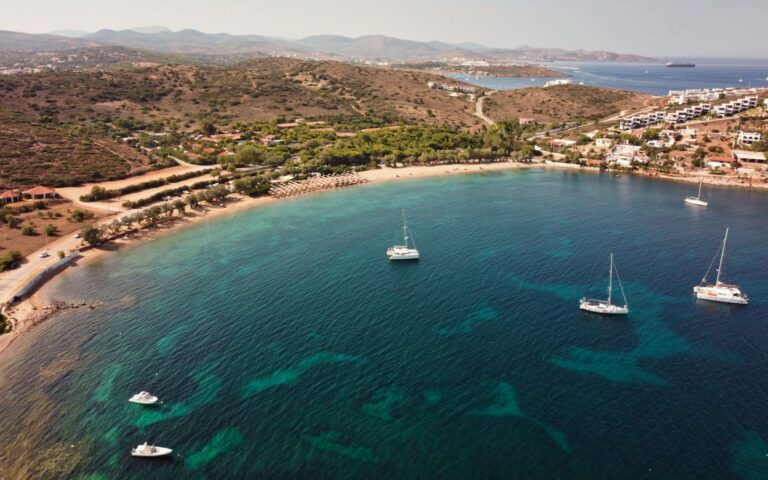
A short distance back along the same coastal road, Charakas Beach Keratea Attica Greece, offers another quiet, sandy stretch on this same general part of the Saronic Gulf, facing the protected island of Patroklos rather than the small peninsula and chapel that define Agios Nikolaos.
Agios Nikolaos Beach, in Anavyssos, sits beside a post-Byzantine chapel severely damaged by an explosion in 2005 and since repaired, on a small peninsula likely the site of the ancient fortress of Anaflystos mentioned by Xenophon, its defensive walls reused again during the Second World War. A narrow sandy isthmus connects the mainland to the chapel’s small hill, creating two effective shorelines depending on wind direction, fine pebbles and rocky outcrops underfoot, a beach bar on one side and free space on the other. Fifty kilometres from Athens via the Sounio coastal road, with Charakas Beach a short distance away for anyone extending the day along the same stretch of coast.
Drive the Sounio coastal road and watch for the chapel sign rather than the beach itself. Climb to the chapel and the ancient walls above it. Choose whichever side of the isthmus the wind has left calmer.
Map
Sorry, no records were found. Please adjust your search criteria and try again.
Sorry, unable to load the Maps API.
Near by places: