
Kalogerolimano Beach Corinthia: Monk's Cove, Pine, Blue
Profile
Kalogerolimano Beach, Pefkali, Corinthia: The Monk’s Harbour Cove in the Solygia Pine Forest, 90 Minutes From Athens, Adjacent to the Galataki Monastery That Gave It Its Name, With Amoni and Fragolimano Within Reach by Coastal Path
Greece | Pefkali | Saronikos Municipal Unit, Corinthia, Peloponnese
The name describes the place: kalogeros is the Greek word for a monk, and limano is the harbour. Kalogerolimano is the monk’s harbour — the sheltered cove on the Saronic coast of Corinthia that takes its name from the Monastery of Galataki, the medieval monastery that once controlled the land above it and whose monks used the natural harbour as their port. The monastery is nearby and still functioning. The cove is still sheltered and still clear.
Solygia is the ancient name of the area. In Thucydides, the Battle of Solygia (425 BC) is recorded: an Athenian force landed on this coast during the Peloponnesian War and fought the Corinthians on the ridge above the pine forest. The coastal strip of Corinthia south of Corinth toward Epidaurus — where Pefkali and Kalogerolimano sit — has this specific layer of Peloponnesian War geography under its modern pine forest identity.
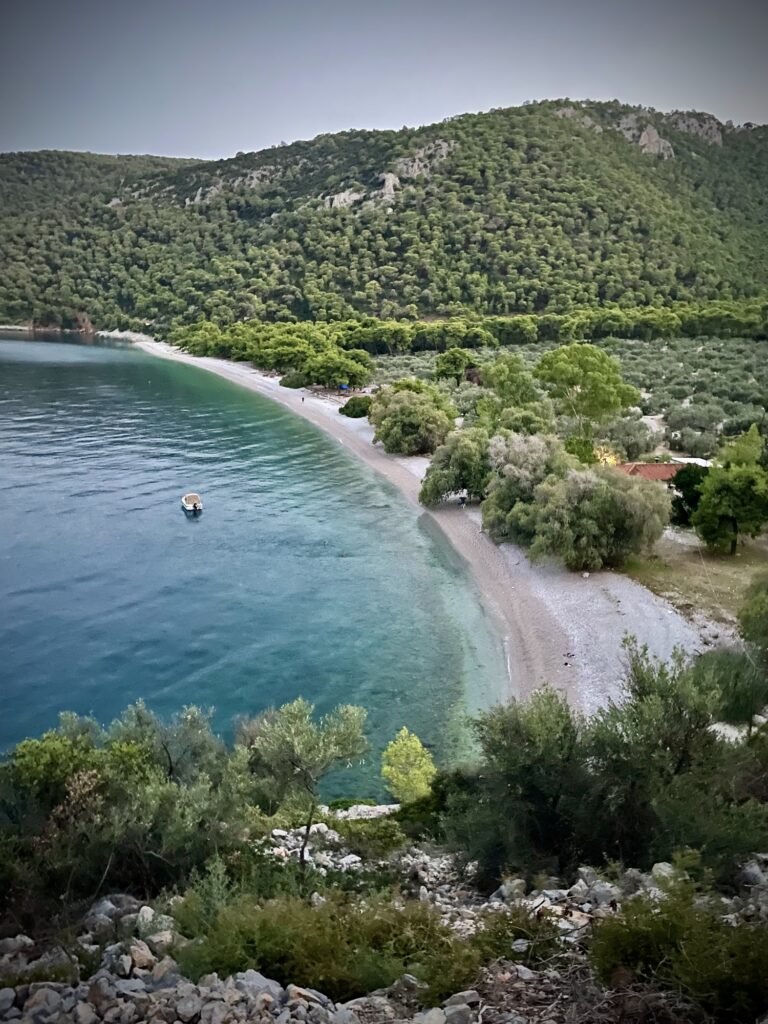
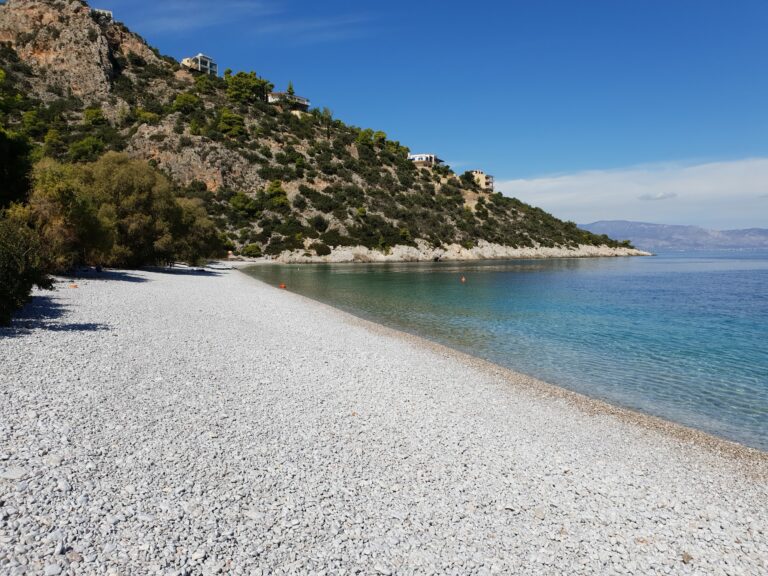
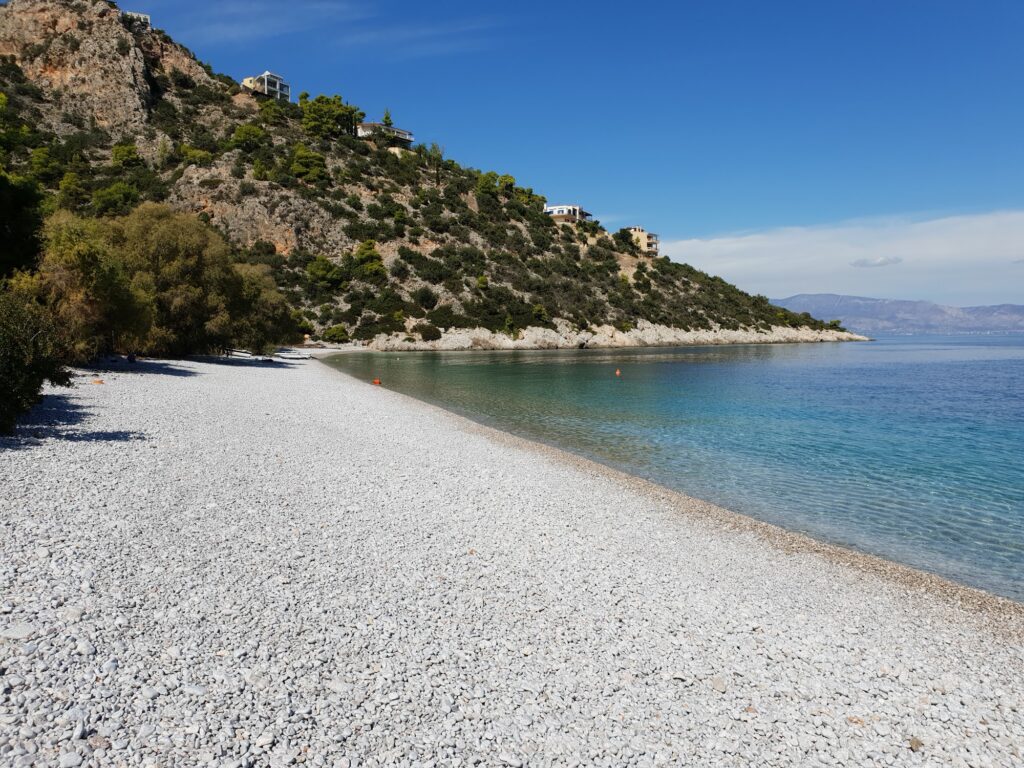
The AllAboutPeloponnisos guide calls it “the crown jewel” of the Solygia coast and “the definition of pristine beauty” — both statements that reflect the specific combination of qualities: white pebbles, neon-blue water, pine trees descending to the shoreline, no commercial infrastructure, and the absolute quiet that the absence of facilities preserves. This is a beach that remains beautiful because it has not been developed, not in spite of it.
Getting There: 90 Minutes From Athens Via Corinth and Epidaurus Road, 25 Minutes From Corinth, Follow Signs to Galataki and Pefkali — Bring Everything
From Athens, take the A8 (Olympia Odos) toward Corinth. At Corinth, follow the road south toward Epidaurus (National Road 70). After the Loutra Elenis settlement (10km from Corinth on the Saronic coast), follow signs for Galataki and Pefkali. The road winds through the pine forest and descends to the coast. From Corinth, the drive takes approximately 25 minutes.
The route passes through or near Sofiko — the village in the hills above Solygia known throughout the region for its traditional meat-feast tavernas, the specific post-beach dining destination that the AllAboutPeloponnisos three-day programme recommends for the evening after Kalogerolimano.
Bring absolutely everything: water, food, sun protection, and a personal umbrella. There are no facilities at the beach — no sunbeds, no umbrellas, no showers, no changing rooms, no canteen guaranteed. The occasional seasonal canteen may operate but cannot be relied upon. This is the fundamental preparation point.
The Beach: White Pebble, Neon-Blue Water, Pine Trees to the Shoreline, Zero Infrastructure, Photography Paradise
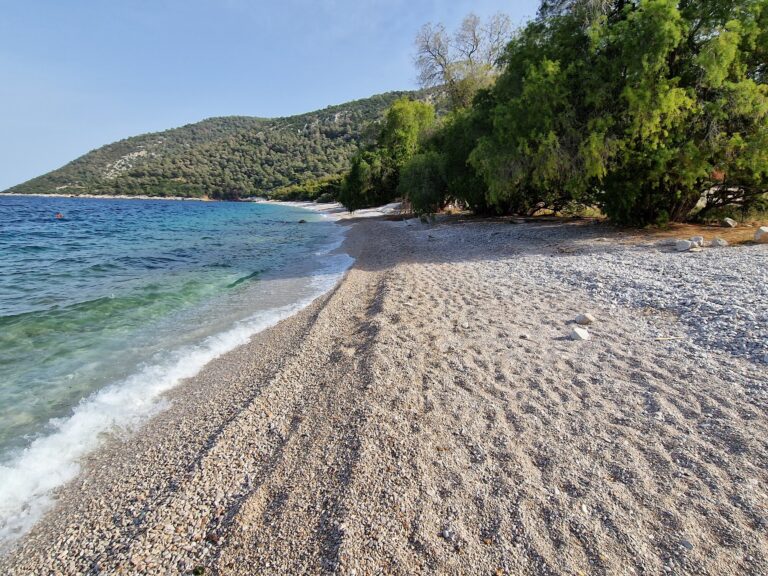
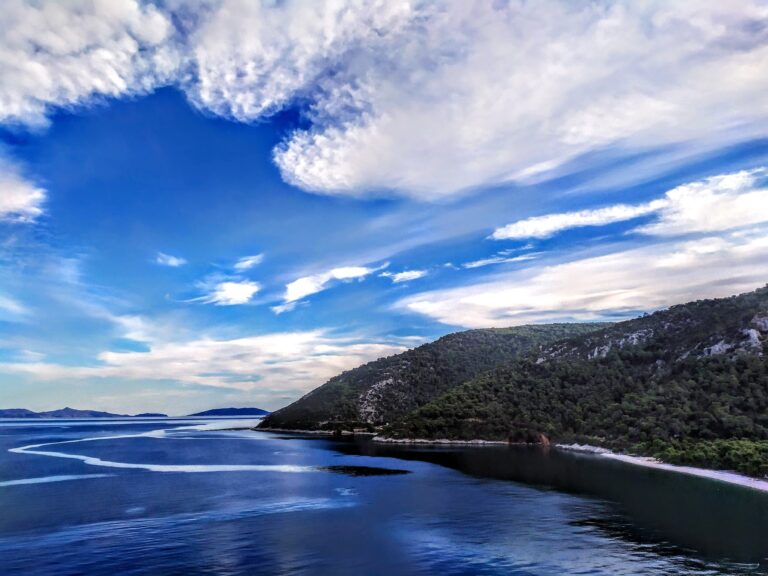
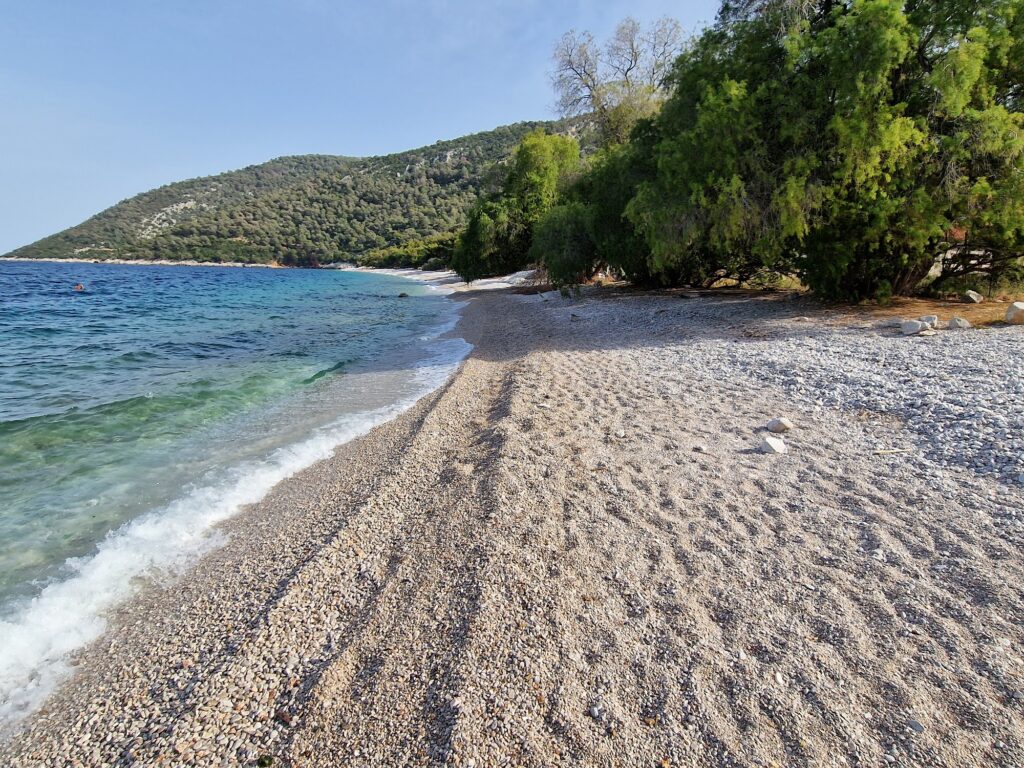
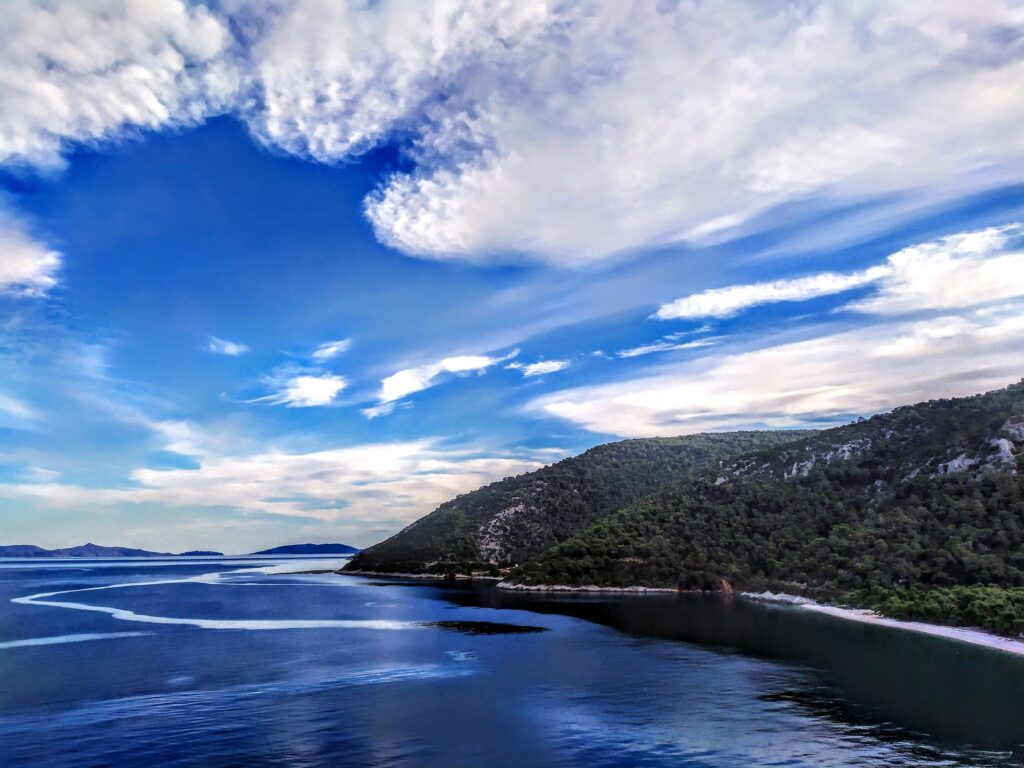
The beach at Kalogerolimano has the specific visual combination that wildlife and landscape photographers identify as “zero filters needed”: white pebbles, neon-blue water in the shallow sections transitioning to deep cobalt, and the dark green of the pine forest meeting the water at the shoreline edges. The contrast between the three colours in the same frame is the image that circulates from this location.
The water is pebble-entry with middle-depth increase — not the sharp drop of some Saronic coast beaches, but not the ultra-shallow lagoon entry of sandy family beaches. Water shoes are comfortable for the pebble surface. The snorkelling along the rocky reef edges of the enclosed cove is the specific underwater activity that the water clarity makes productive.
The silence — broken by cicadas and the gentle wave sound — is the quality that visitors who prioritise it over facilities specifically seek. No music, no crowds, no beach bar sound system. The absence of infrastructure is what preserves it.
The Galataki Monastery: The Source of the Name, Still Functioning
The Monastery of Galataki in the hills above Pefkali is the origin of the beach’s name. It is a functioning monastery, not a ruin or a museum — the monks of Galataki are still present, which means the community the harbour served continues in some form in the surrounding landscape. The monastery’s history extends back into the Byzantine period, and the control of the coastal land below it — including the natural harbour that became Kalogerolimano — was the medieval administrative fact that the name encodes.
Amoni Beach and Fragolimano: The Nearby Alternatives
Amoni beach — specifically Mikro Amoni (Small) and Megalo Amoni (Large) — is the more popular and organised beach in the same coastal area, within easy driving distance of Kalogerolimano. Amoni has beach bars, sunbeds, and the organised infrastructure that Kalogerolimano deliberately lacks. Visitors who find Kalogerolimano too remote or who need facilities use Amoni as the alternative.
Fragolimano is the third hidden cove in the same coastal sequence — another sheltered cove with similar pebble and clear water character, accessible from the coastal path and used by visitors who walk from Kalogerolimano to extend the beach day without returning to the car.
The AllAboutPeloponnisos three-day Solygia programme: Kalogerolimano on day one, Ancient Epidaurus (12km south, the theatre and sanctuary covered in the Kalamaki Beach Palaia Epidavros Greece article) on day two, Amoni or Fragolimano on day three.
The Battle of Solygia (425 BC): The Peloponnesian War Landing on This Shore
Thucydides records the Battle of Solygia in Book IV of his History of the Peloponnesian War. An Athenian expeditionary force — 60 ships, 2,000 hoplites — landed on the Solygia coast in 425 BC and engaged the Corinthians in a land battle on the ridge above the coastal pine forest. The Athenians won the engagement but withdrew to their ships without holding the territory. The specific ridge above the pine forest where Kalogerolimano sits is the ground where this battle was fought — the beach below is the landing point for the fleet.
Kalogerolimano Beach near Pefkali in Corinthia is the white pebble Monk’s Harbour cove in the Solygia pine forest — named after the adjacent functioning Monastery of Galataki, neon-blue water, pine trees to the shoreline, no infrastructure whatsoever (bring everything, no canteen guaranteed), photography paradise (zero filters needed: white pebble, neon blue, dark green pine in one frame), snorkelling at the reef edges, cicada silence, 90 minutes from Athens via Corinth (25 minutes from the city), Sofiko meat-feast tavernas for the evening, Amoni beach for the organised day alternative, Fragolimano cove by coastal path, and the Battle of Solygia (425 BC, Thucydides Book IV) fought on the ridge directly above.
Drive from Corinth. Bring everything. Choose the quiet.
Map
Sorry, no records were found. Please adjust your search criteria and try again.
Sorry, unable to load the Maps API.