
Lepitsa Beach Kilada: Sandy Sunset Shore Near Troy Port
Profile
Lepitsa Beach, Kilada: The Golden Sandy Shore Near Ancient Mases, Where Homer Sent Diomedes to Troy, One of Three Remaining Traditional Wooden Boat Yards in Greece, and the Franchthi Cave Has Evidence of Human Presence 40,000 Years Ago
Greece | Kilada | Kranidi Municipality, Ermionida, Argolida, Peloponnese
Kilada went to Troy. The ancient settlement here was called Mases — mentioned by Homer in the Iliad as one of the cities that sent ships to Troy under the command of Diomedes, the Argive king who was the finest warrior among the Greeks at Troy after Achilles. The 2nd-century AD geographer Pausanias described Mases as the secondary western port of Hermione (modern Ermioni). The settlement had the geography of a port — a natural harbour, a protected bay, the Argolic Gulf for access. The modern fishing village of Kilada occupies the same position.
The Franchthi Cave is on the northern coast of Kilada bay, visible from the water. It is one of the most important archaeological sites in Europe: inhabited by Neanderthals approximately 40,000 years ago, by Homo sapiens from at least 30,000 BC, and continuously through the Mesolithic and Neolithic periods. The critical find inside the cave is obsidian — volcanic glass from Milos, the Cycladic island 130 kilometres away — dated to approximately 13,000 BC. This obsidian is the earliest known evidence of deliberate sea voyaging in the Mediterranean. Someone crossed open sea to Milos 13,000 years before Troy, used the cave on this shore as their base, and left the evidence in the floor.
Kilada today is one of the most important fishing ports in the Argolid. The village has a shipyard — the Basimakopoulos yard — that still builds and repairs traditional wooden fishing boats, including the trexandiri, the specific traditional boat type associated with this region. There are only three such yards still operating in Greece.
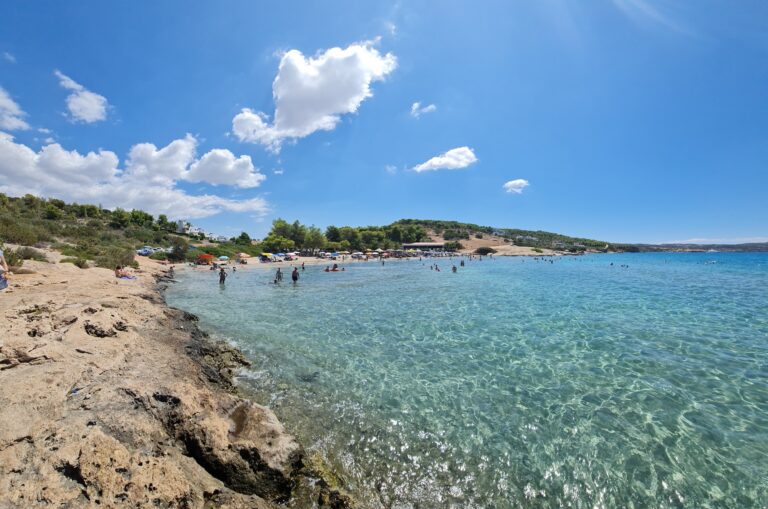
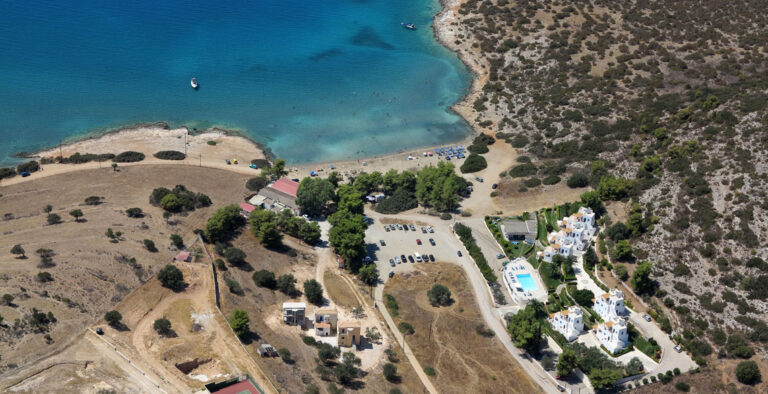
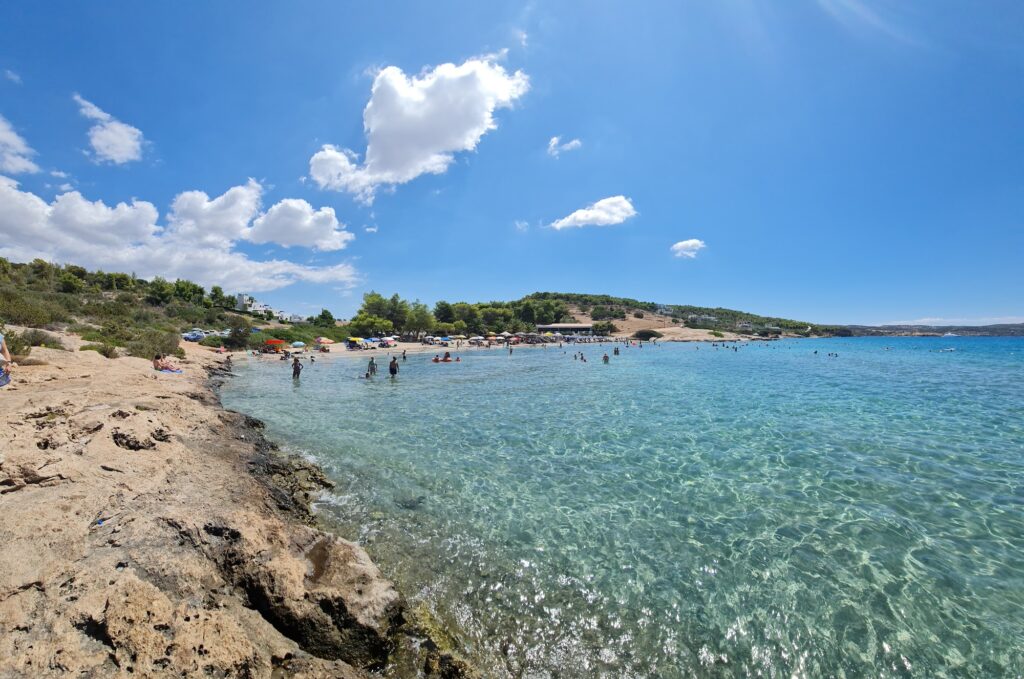
Lepitsa beach is 6 kilometres from Kilada village — the sandy beach that the village uses as its family swimming destination, and that the apartments and tavernas of the Lepitsa Sunset complex face. The sunset views across the Argolic Gulf toward the eastern Peloponnese coastline are the specific evening quality that the beach name references.
Getting There: 6km From Kilada, 9km From Porto Heli, 1 Hour From Nafplio, Road Slightly Rough in Final Section, Free Parking
From Kranidi (the main town of the municipality), Kilada is 3 kilometres south; Lepitsa beach is a further 3 kilometres from Kilada — approximately 10 minutes by car. From Porto Heli (9 kilometres), the drive takes approximately 15 minutes on the coastal road. From Nafplio, the scenic inland route takes approximately 1 hour through the Argolid interior.
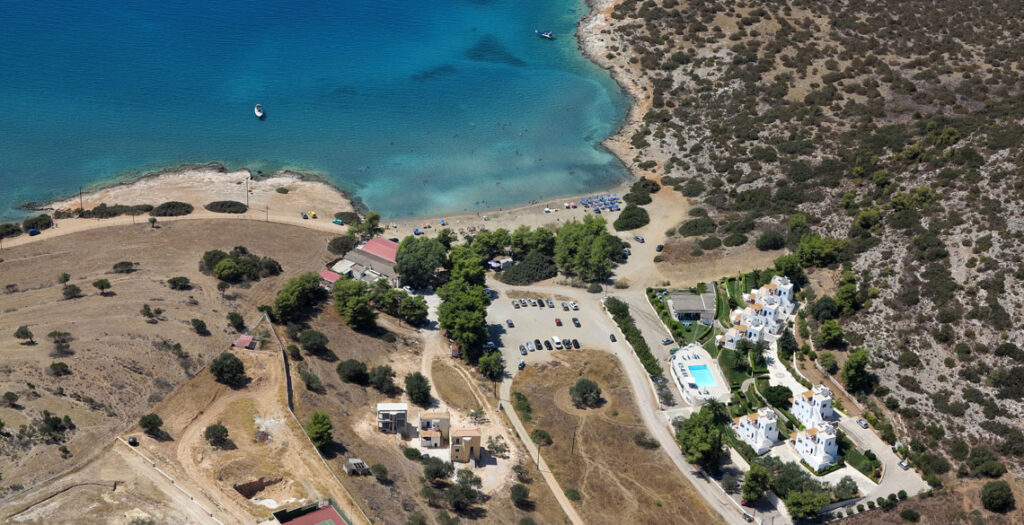
The road to the beach can be slightly rugged at the final section — managing it slowly is the practical advice. Free parking is available in a dedicated lot behind the beach.
The Beach: Golden Sand, Shallow 60–100m, Calm, Warm Even in Late Autumn, Beach Bar at the South End, Lifeguard in Season, Sunset Views
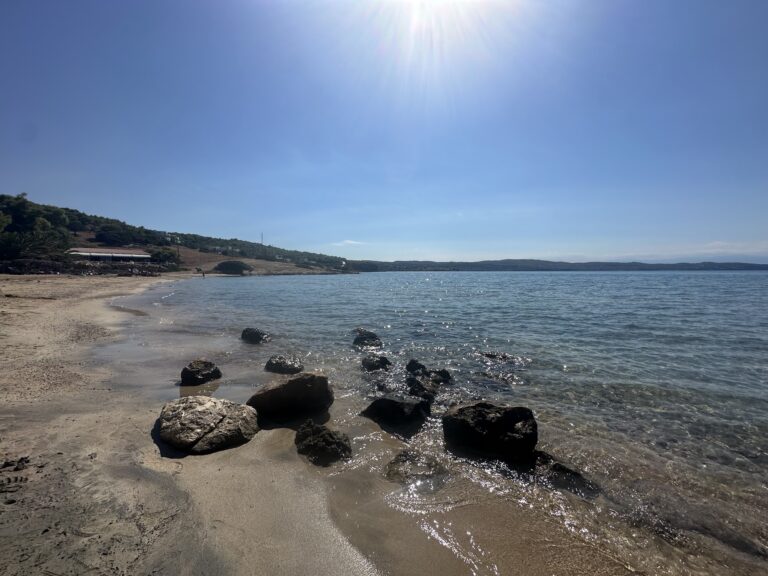
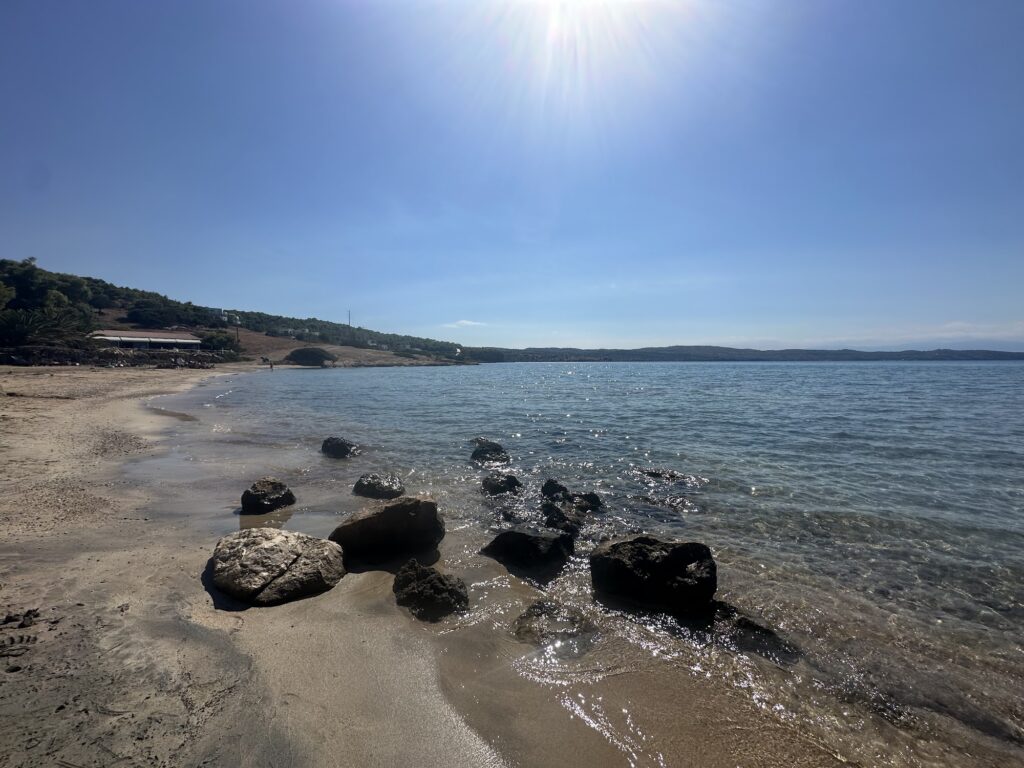
The beach is golden sand with very shallow water extending 60 to 100 metres from the shore before meaningful depth begins. The water is calm, the bay well-protected, the sea warm and clear. The specific quality noted by multiple accounts is that the water remains warm unusually late in the season — well into October, reflecting the sheltered southern Argolid position.
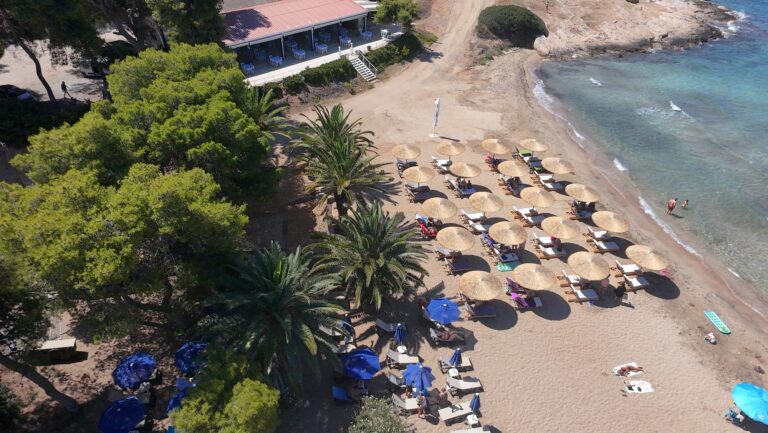
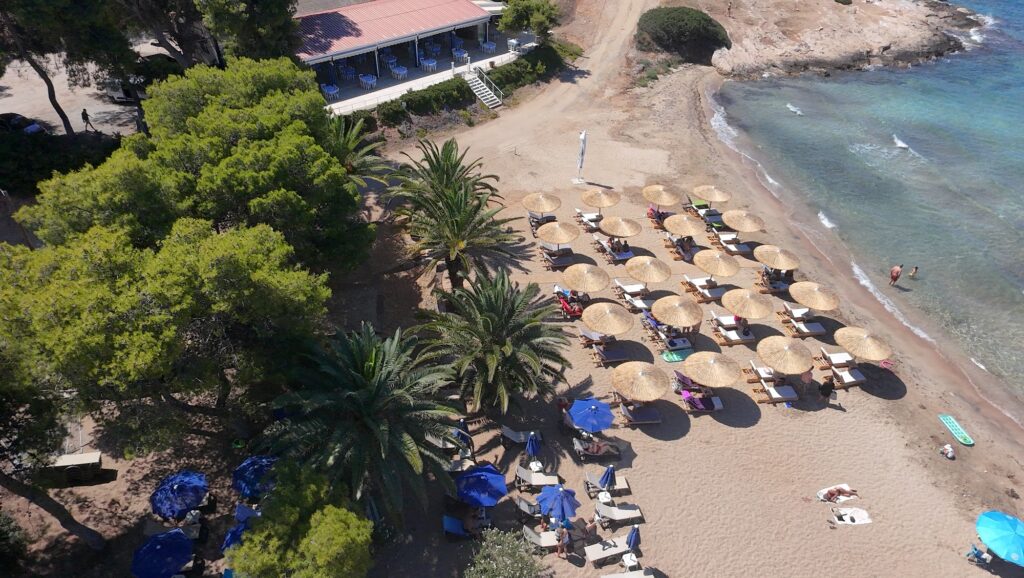
The beach bar at the southern end provides sunbeds and umbrellas. The Lepitsa Sunset hotel apartments are directly behind the beach with their own facilities and views. A fish taverna serves the waterfront. The lifeguard operates in peak season. The beach fills in July and August — arriving early on summer days is the standard advice.
The sunset views that give the beach its hotel its name are west-facing over the Argolic Gulf: the sun descends behind the opposite coastline, the water picks up the colour, and the fishing boats returning to Kilada harbour cross the bay in silhouette.
Kilada: The Fisherman’s Fiesta, the Shipyard, Ancient Mases
The annual Fisherman’s Fiesta in Kilada takes place on the second Saturday of August — fish, seafood, local wine, dancing, and live music at the harbour, organised by the fishing community and attended by residents and visitors from across the Ermionida region. The fishing tradition is not decorative: Kilada is genuinely one of the most significant fishing ports in the Argolid, with working boats built and maintained at the Basimakopoulos shipyard using the traditional wooden construction methods — the trexandiri hull form — that most Greek ports have abandoned.
The village is also known for its red shrimp and crawfish specialties — the specific seafood from the deeper Argolic Gulf waters that the Kilada fleet targets.
The Franchthi Cave: 40,000 Years of Human Presence, the Oldest Sea Voyage Evidence in the Mediterranean
The Franchthi Cave on the northern shore of Kilada bay is accessible by boat from the village and by foot from the north side of the bay. The cave is floodlit at night, visible from the Kilada waterfront restaurants as a backdrop to dinner. It spans 40,000 years of continuous human presence — from Neanderthal occupation through Homo sapiens settlement to the Neolithic period. The obsidian from Milos found in the cave layers dated to 13,000 BC is the oldest evidence of open-sea sailing in the Mediterranean, predating the Bronze Age maritime traditions by thousands of years.
Porto Heli and the Southern Argolid: The Sailing Circuit, Spetses and Hydra Within Reach
Porto Heli — 9 kilometres from Lepitsa — is the most exclusive sailing destination on the Greek mainland: a sheltered bay with a natural deep-water anchorage, used by private yachts, luxury charter boats, and international visitors. The Kilada Country Club golf course is in the same area. From Porto Heli, Spetses is visible and reachable in under 30 minutes by water taxi. Hydra is a short additional crossing. The combination of Lepitsa beach family day, Kilada fish dinner, and Spetses or Hydra by water taxi the following morning is the specific southern Argolid programme.
Tolo Beach Nafplio Greece — the 2km fine sandy beach 10km south of Nafplio with the three offshore islands — is approximately 1 hour north by car, within the same day circuit for visitors based at Lepitsa.
Kranidi: Briefly the Capital of Modern Greece
Kranidi — 7 kilometres from Porto Heli, the administrative centre of Ermionida — briefly served as a capital of modern Greece immediately after the liberation from Ottoman rule. The town has neoclassical houses, windmills, a traditional oil press, and the character of a prosperous 19th-century Peloponnese market town that never fully converted to tourism.
Lepitsa Beach near Kilada in Ermionida, Argolida is the golden sandy shore 6km from the village and 9km from Porto Heli — shallow 60–100 metres, warm even in late autumn, sunset views across the Argolic Gulf, beach bar and fish taverna at the south end, lifeguard in season, Franchthi Cave on the northern shore of Kilada bay (40,000 years of human presence, oldest sea voyage evidence in the Mediterranean at 13,000 BC), the Kilada traditional wooden boat shipyard (one of three remaining in Greece), the annual Fisherman’s Fiesta second Saturday of August, Spetses and Hydra within boat range, free parking, slightly rough final road section.
Drive south from Kranidi. Park at the beach. Stay for the sunset.
Map
Sorry, no records were found. Please adjust your search criteria and try again.
Sorry, unable to load the Maps API.