Psatha Beach: A Peninsula Named for a General
Profile
Psatha Beach: The Peninsula Named for a General Who Died Nearby
Greece | East Macedonia | Kavala | North Aegean
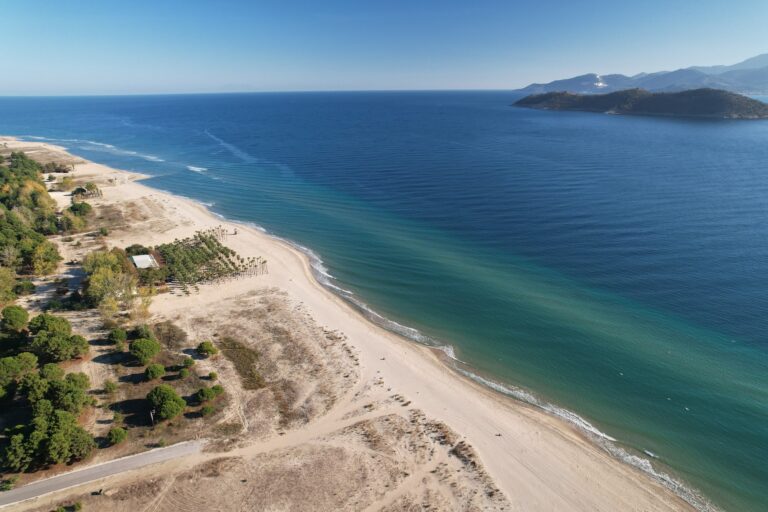
The peninsula holding Psatha Beach carries the name Vrasidas, after the Spartan general whose forces this ancient settlement chose to join during the Peloponnesian War, defecting from the Athenian alliance to side with him against Athens’ own interests in the region. Founded in the seventh century BC as Aisimi, a Thasian colony mentioned by Homer, the town’s political loyalties shifted enough over the centuries that its name eventually attached itself permanently to the land beneath it, regardless of how that particular military alliance ultimately played out for Brasidas himself further along this coast.
The Byzantine settlement that later grew on the same site caused genuine confusion for historians for years, appearing in different sources under four separate names across four centuries, Alektriopolis in the tenth, Alektropolis between the eleventh and thirteenth, and both Anaktoropolis and Eleftheropolis by the fourteenth, before archaeologists eventually pieced together that all four referred to the same fortified port controlling shipping between Thessaloniki and Constantinople.
Fine Sand and Pebbles Facing the North Aegean
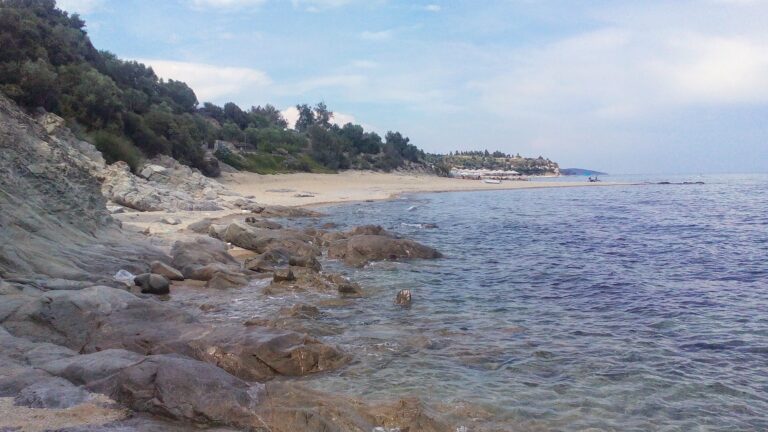
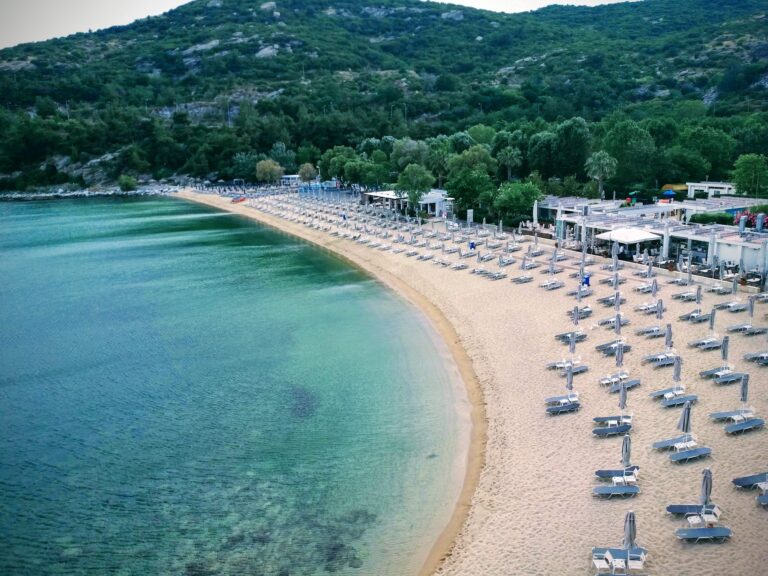
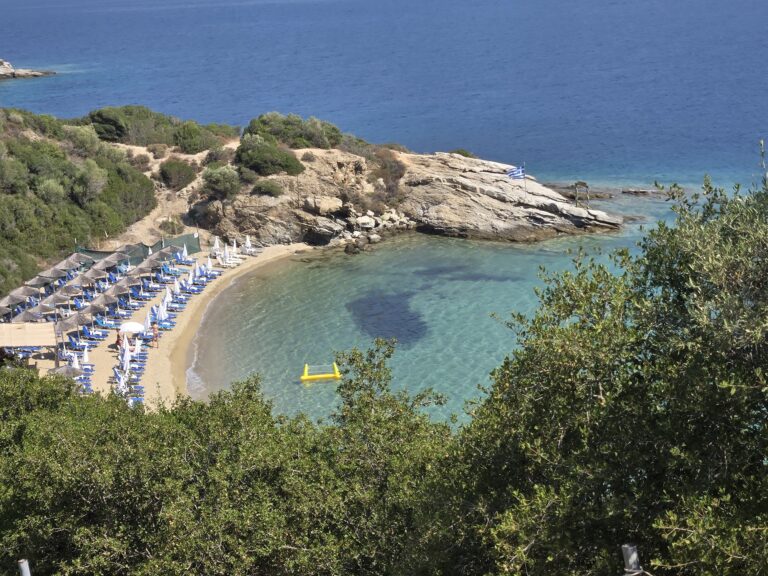
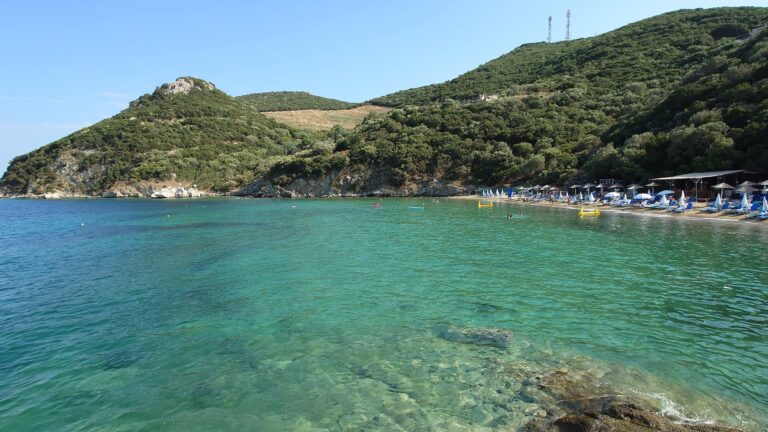
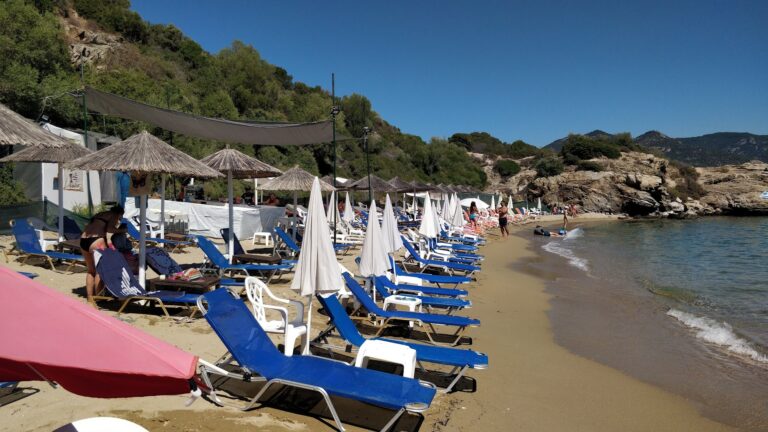
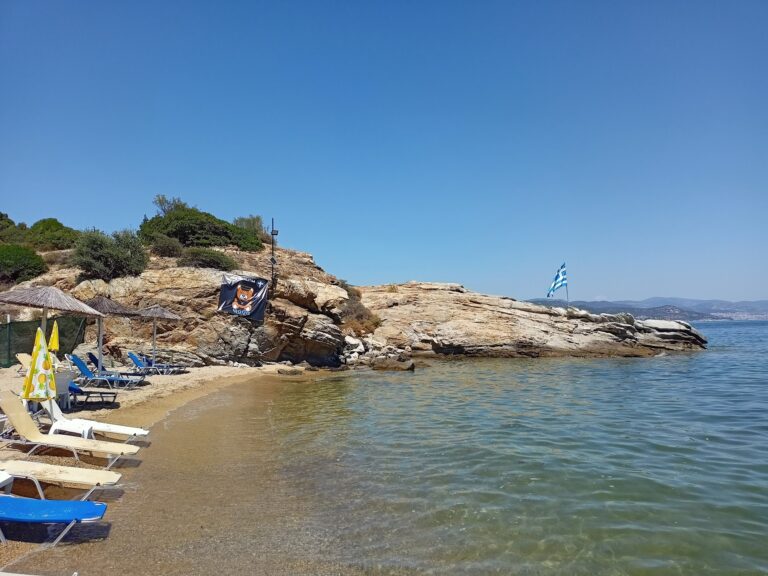
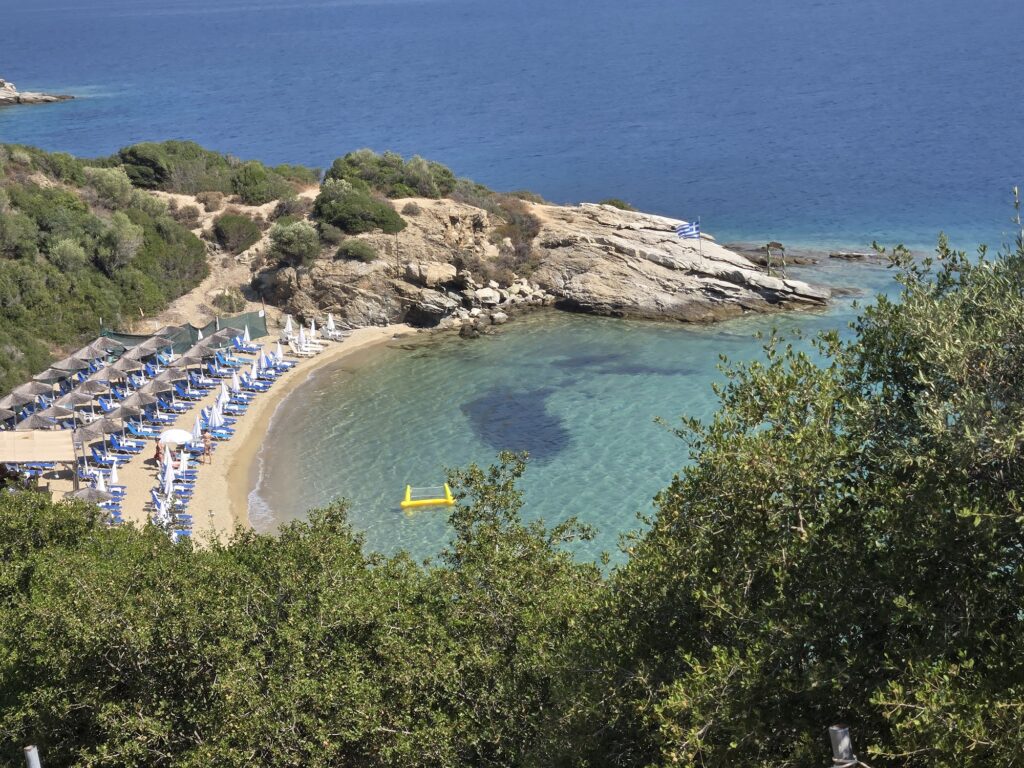
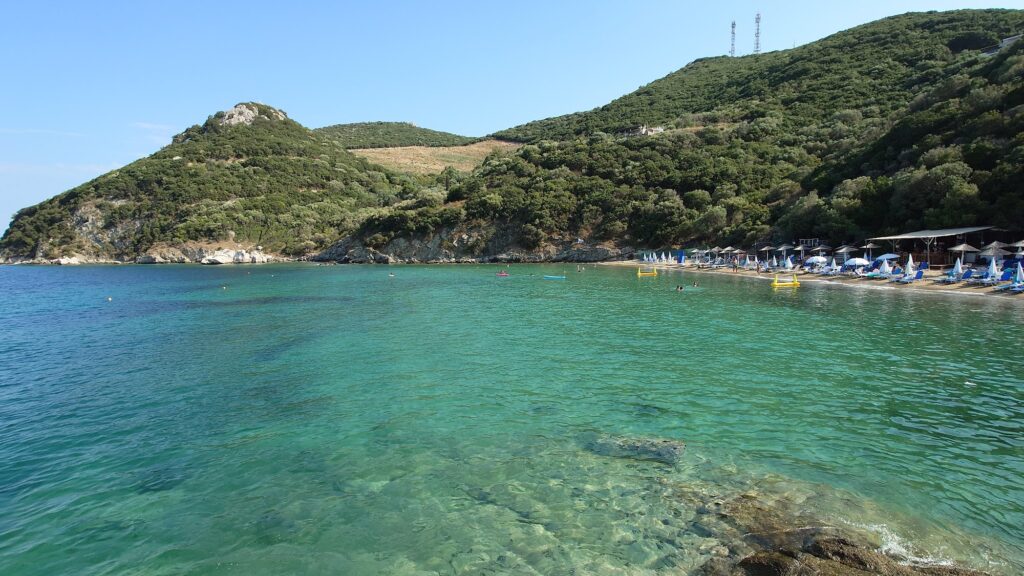
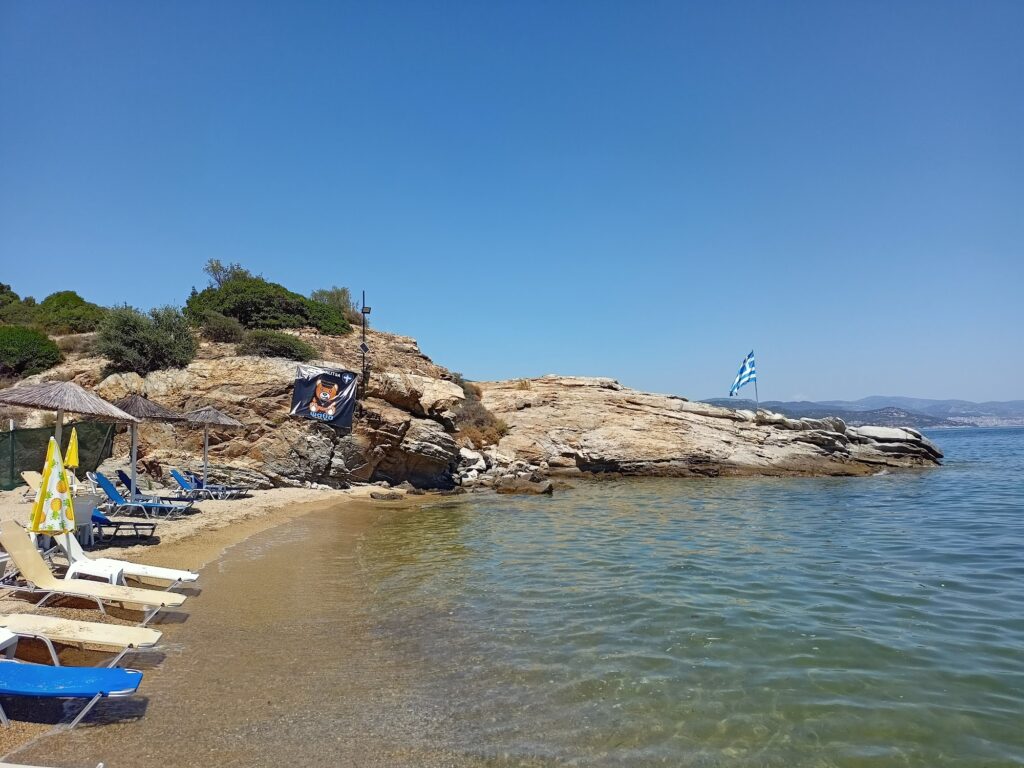
Psatha itself offers a genuinely pleasant mix of fine sand and smooth, sun-bleached pebbles, and I found the water exceptionally clear even on breezier days, the composition keeping visibility sharp for anyone bringing a mask for a morning swim. The bay’s gentle curve shelters it from the stronger northern winds that can trouble more exposed beaches along this coast, and I found the surface staying close to mirror-calm on most visits, ideal for the kind of unhurried, meditative swim that quieter beaches like this one tend to reward.
A Quieter Alternative to the Livelier Ammolofoi Crowd
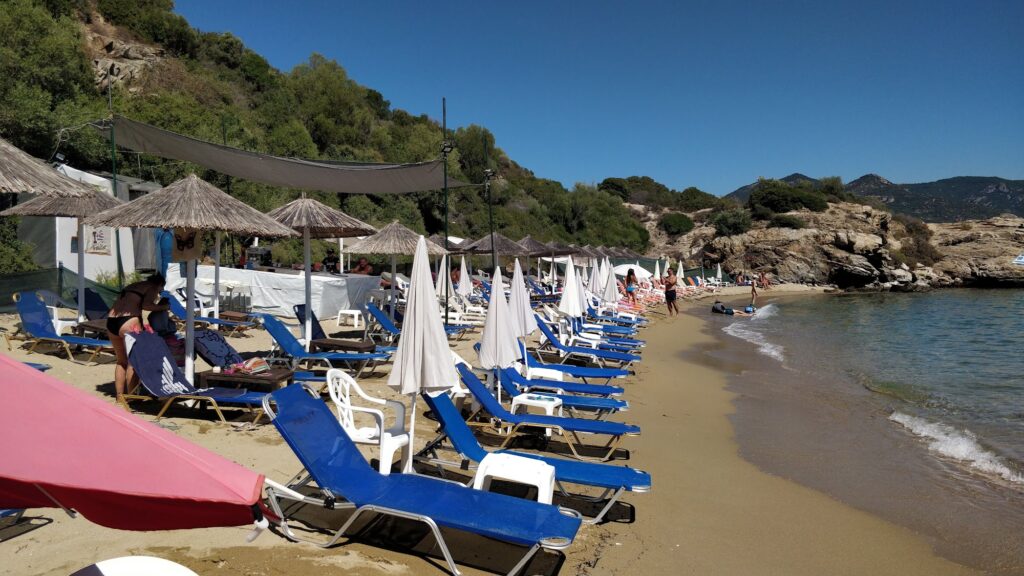
Where nearby Ammolofoi draws the bulk of the region’s beach-club energy, Psatha offers something considerably more intimate, and I found the pace here suited confident swimmers and snorkelers looking for genuine peace rather than a social scene. Given the beach’s generally low-key, lightly organized character, I’d expect dogs to be fine here on a leash following the standard rule for Greek beaches, with any specific managed sunbed sections requiring separate permission from the local establishment.
Getting There Along the Coastal Road From Kavala
Psatha sits roughly fifteen to twenty kilometers west of Kavala, reached by following the main coastal road toward Nea Peramos and watching for signage indicating Psatha or the neighboring Nea Iraklitsa area, a short paved access road leading directly from the main route to the beachfront; KTEL Kavalas buses run regular routes from the city’s central station toward the western beaches, with a request stop near Psatha or Nea Iraklitsa leaving a five-minute walk to the sand, and free parking in organized clearings behind the beach stays genuinely manageable even during peak summer.
Standing on Ground a General’s Name Outlived
By the time I packed up on my last evening at Psatha, I found myself thinking about how strangely durable a single name can be, a Spartan commander whose actual campaign in this region ended in his own death at Amphipolis, and yet whose name still marks this exact peninsula more than two thousand years later, considerably longer than either the Athenian alliance or the Byzantine port that later confused its own historians ever managed to last.
Map
Sorry, no records were found. Please adjust your search criteria and try again.
Sorry, unable to load the Maps API.
Near by places: