
Plaja Sulina Romania: Where the Danube Meets the Sea
Profile
Plaja Sulina, Romania: The Black Sea Beach at Romania’s Easternmost Point, Where the Danube Ends, Reachable Only by Boat, With Wild Horses on the Dunes and a Cemetery Where Six Religions Lie Side by Side
Romania | Sulina | Tulcea County, Danube Delta
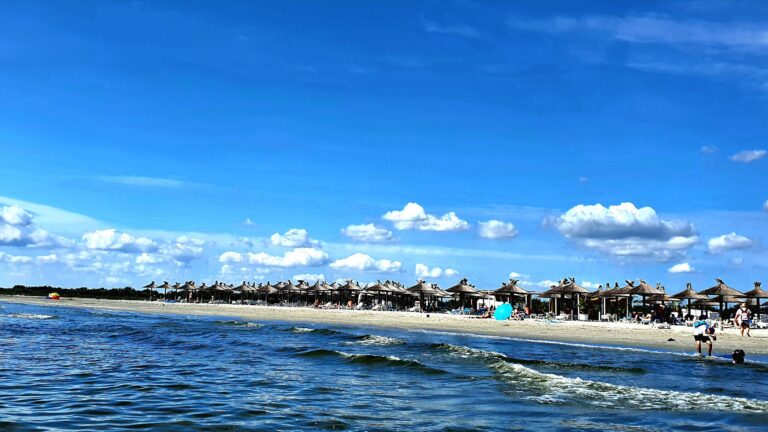
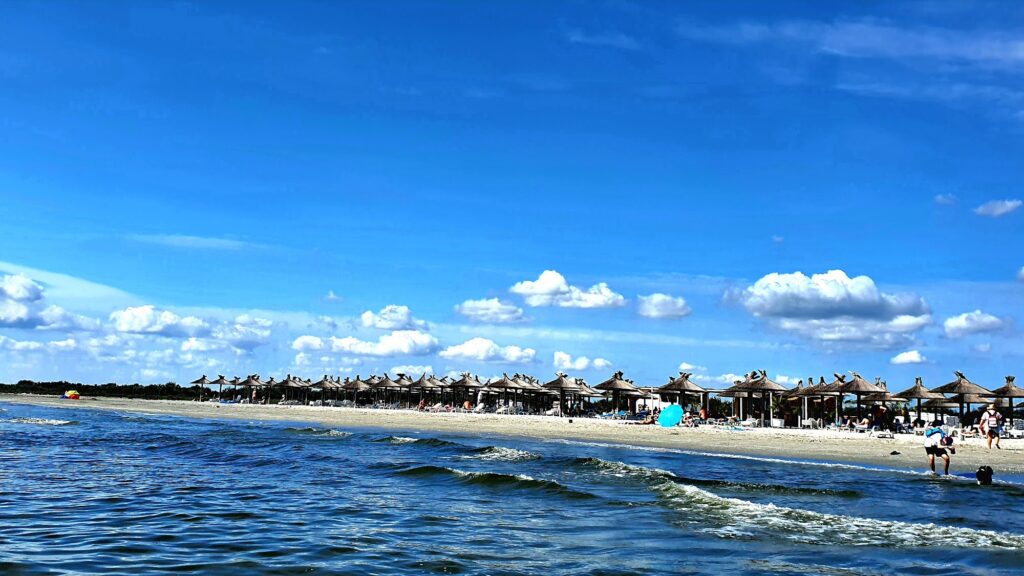
Sulina is the easternmost town in Romania and, by extension, the easternmost point of the European Union. It has no road connection to anywhere. The only way in is by boat up the Sulina arm of the Danube from Tulcea, the nearest city — approximately 1 to 1.5 hours on the fast water taxi, or up to 4 hours on the slower scheduled ferry. The town sits at the point where the Danube stops being a river and becomes the Black Sea, and the beach in front of it extends for approximately 40 kilometres northward along an uninhabited coastline backed by dunes, reed beds, and the vast wetland landscape of the Danube Delta Biosphere Reserve — the second largest river delta in Europe and a UNESCO World Heritage Site.
The beach sand is fine alluvial silt carried down from the river — the Danube deposits sediment at this mouth continuously, and the land at Sulina is geologically new. The salinity of the water is lower than normal Black Sea levels because of the volume of fresh water pouring in from the river branch. Swimmers notice the difference: the water feels softer and the texture of the swim is different from the open Black Sea further south. The water can be cold even in summer, which is the honest caveat that complements the scenery.
Wild cows and horses graze at the edges of the dunes. They are a regular presence along the beach — part of the specific visual character of the place that photographs of Plaja Sulina invariably include.
Getting There: Boat From Tulcea (1–1.5 Hours Fast Boat, 4 Hours Slow Ferry), Then Walk 2–3km, Taxi, or Bike From Town
The journey to Sulina starts in Tulcea, reached from Bucharest by train (approximately 4.5 hours) or car (around 3.5 hours). From Tulcea port, the fast water taxi takes 1 to 1.5 hours. The slower scheduled ferry, which stops at villages along the Sulina arm, takes up to 4 hours but offers a view of the delta landscape and the reed-lined banks that the speedboat skips.
From Sulina town, the beach is 2 to 3 kilometres east on a flat, straight paved road. Walking takes 25 minutes. Local taxis (there are a small number of vehicles in Sulina) and minibuses run to the beach entrance. Bicycle rental from guesthouses is the most popular option among returning visitors.
The Beach: 40km of Fine Sand, Mostly Uninhabited, Organised Central Section With Reed Umbrellas, Lifeguard Tower in Summer
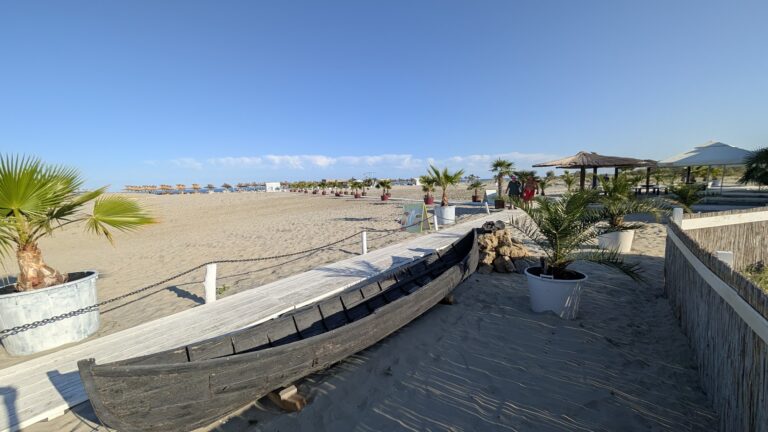
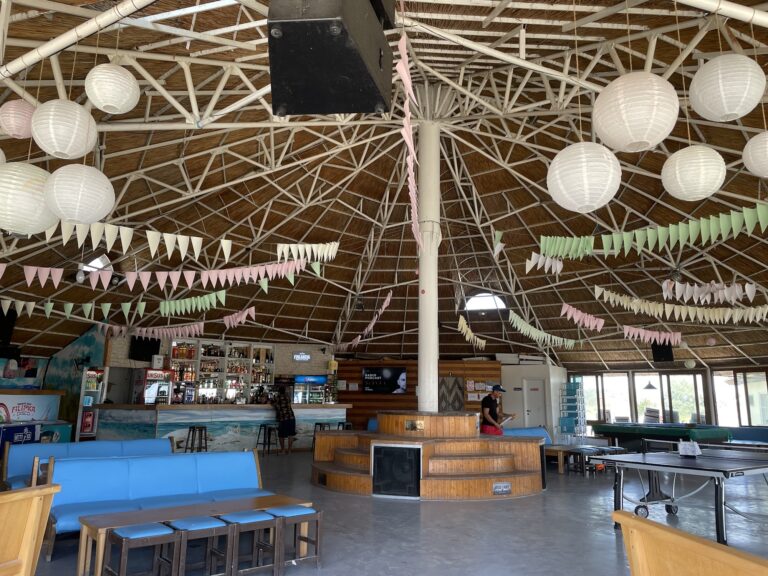
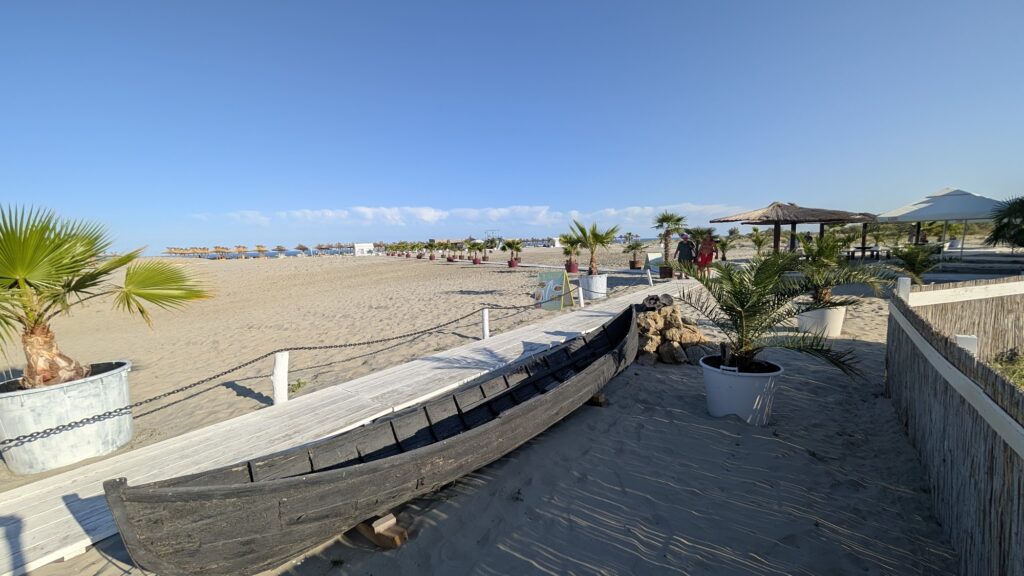
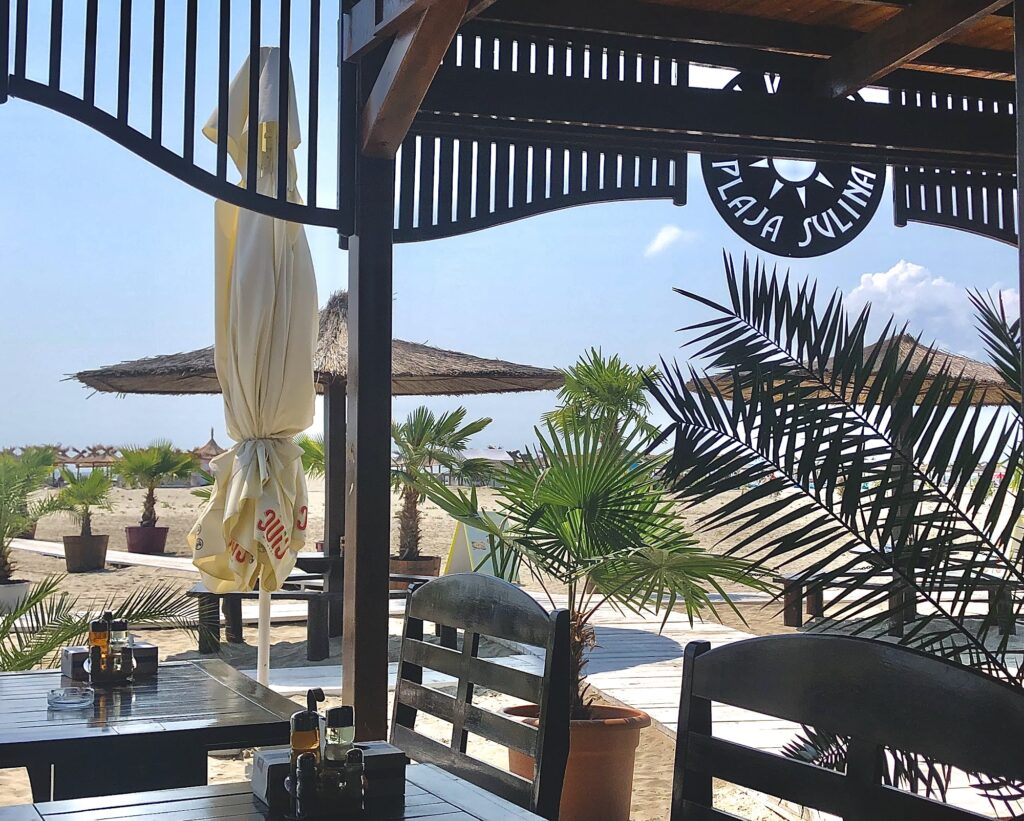
The organised section of the beach in front of the town has thatched reed umbrellas and wooden loungers for a daily fee, lifeguard tower surveillance in peak summer, showers, and basic changing cabins near the main wooden boardwalk access. This organised stretch is a small fraction of the total beach length. Beyond it in both directions the sand continues without interruption, uninhabited, backed by dunes and the delta wetland.
Jet skis are absent. The activities are sea kayaking, beach volleyball, walking, and birdwatching. Pelicans fly over from the delta. The Dalmatian pelican — one of the world’s largest flying birds — nests in the Danube Delta in its largest European colony.
Sulina Town: The Multicultural Cemetery, the 1802 Lighthouse, the European Danube Commission History
Sulina was documented over 1,000 years ago under the name Selina by Byzantine Emperor Constantine Porphyrogenetes. In the 19th century it served as the headquarters of the European Danube Commission, the international body that managed the Danube as a commercial waterway. Workers and traders from across Europe and the Middle East came to the town, and their presence is recorded in the cemetery where Anglican, Catholic, Protestant, Orthodox, Muslim and Jewish tombstones stand next to each other — the most visible evidence of the town’s cosmopolitan past.
The lighthouse at the centre of town was built in 1802 and restored in 1870 by the Danube Commission. The Greek Orthodox Church of Saint Nicholas on the waterfront and the old commission buildings on the main avenue complete the architectural picture of a town that was once significant and is now quiet.
Storceag: The Danube Delta Fisherman’s Soup
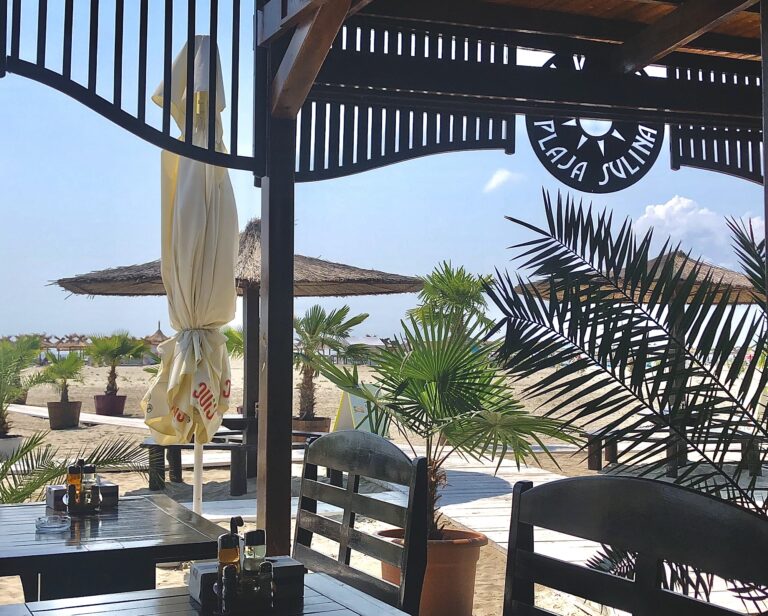
The local fish soup storceag is a Danube Delta dish made with freshwater fish, sour cream, and vegetables — a rich, specific recipe belonging to the Lipovan fishing communities who settled in the delta. The tavernas near the beach and along the town waterfront serve it with fresh fried fish from the morning catch. Eating storceag at a table near the water in Sulina is the meal that the place is for.
The Letea Forest: Wild Horses, Sand Dunes, Accessible by Boat From Sulina
Letea Forest — a unique subtropical forest growing on ancient sand dunes in the middle of the delta — is accessible by boat from Sulina. Wild horses have lived in the forest and surrounding meadows for centuries. The forest is strictly protected and can only be entered with a guide. Day trips are organised from Sulina town.
Plaja Sulina is the Black Sea beach at Romania’s easternmost point — reachable only by boat from Tulcea (fast water taxi 1–1.5 hours), 40km of mostly uninhabited fine alluvial sand, low-salinity water from the Danube (cold even in summer), wild horses and cows on the dunes, the multicultural cemetery in town where six religions lie together, the 1802 lighthouse, storceag soup at the waterfront tavernas, the Dalmatian pelican colony overhead, and the Letea Forest with wild horses by day trip boat.
Take the fast boat from Tulcea. Rent a bicycle in Sulina. Ride to the dunes.
Map
Sorry, no records were found. Please adjust your search criteria and try again.
Sorry, unable to load the Maps API.