Corbu Beach Romania: Free Wild Shore in the Biosphere
Profile
Corbu Beach, Romania: The Free Wild Black Sea Beach Inside the Danube Delta Biosphere Reserve, 5km of Dirt Road From the Village, With No Lifeguards and Full Open-Sea Conditions
Romania | Corbu Village | Constanța County, Dobruja
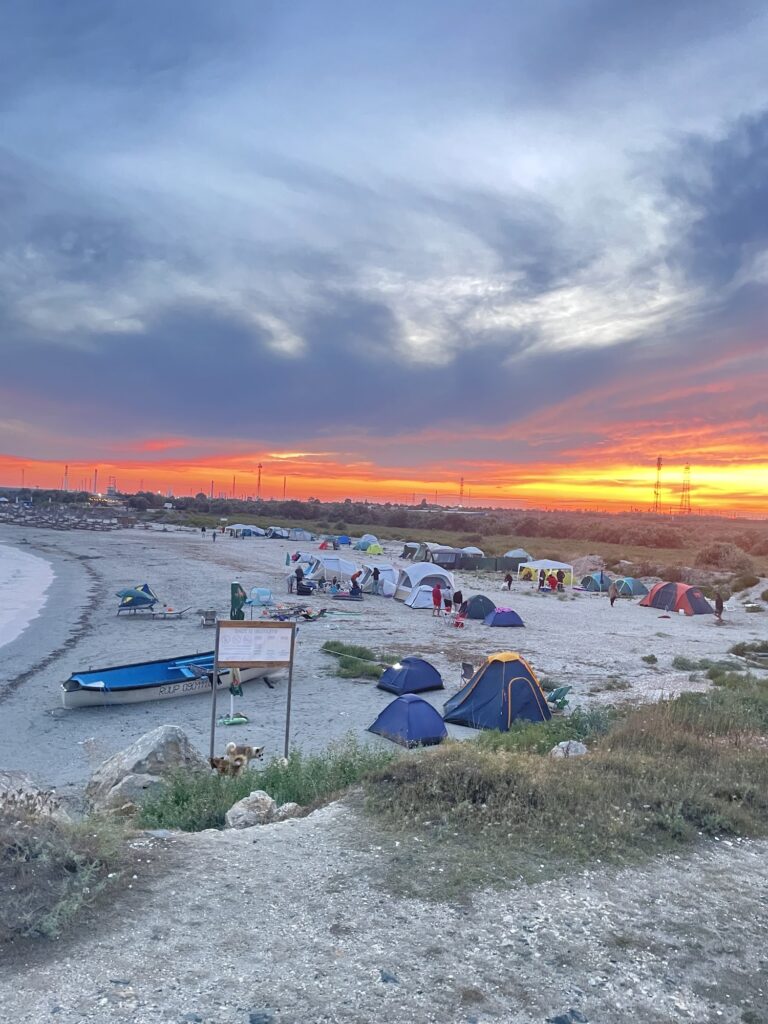
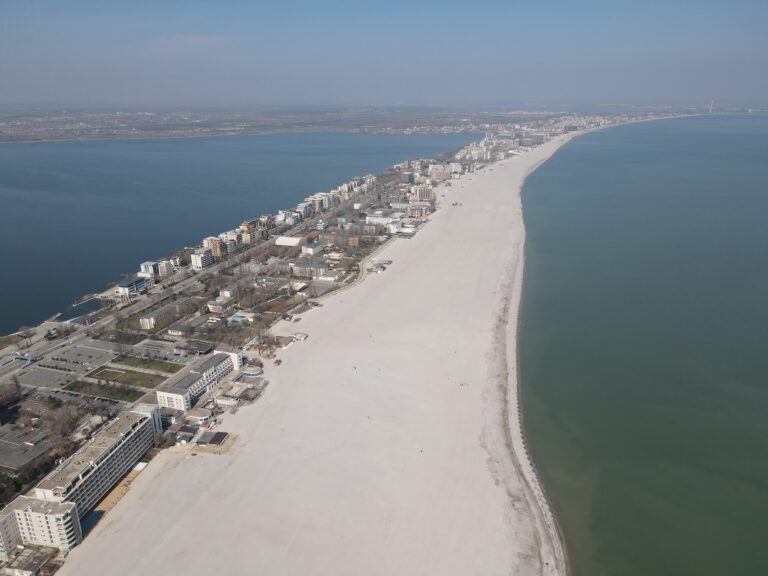
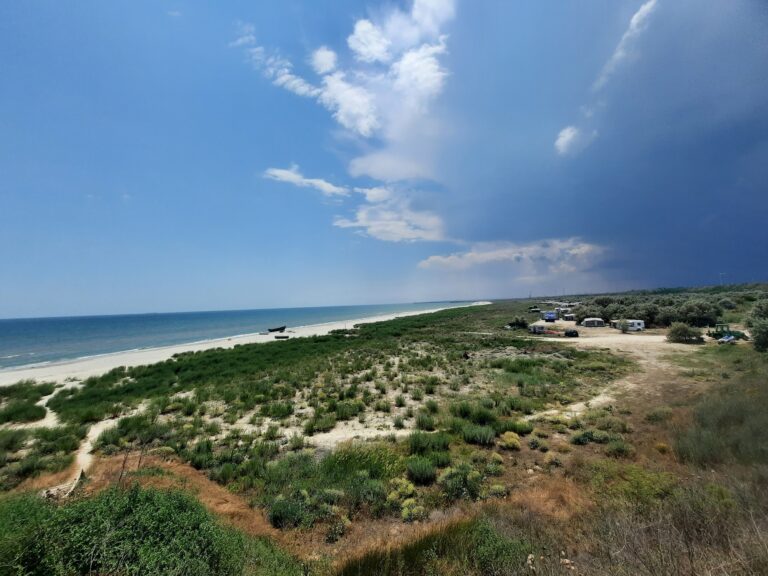
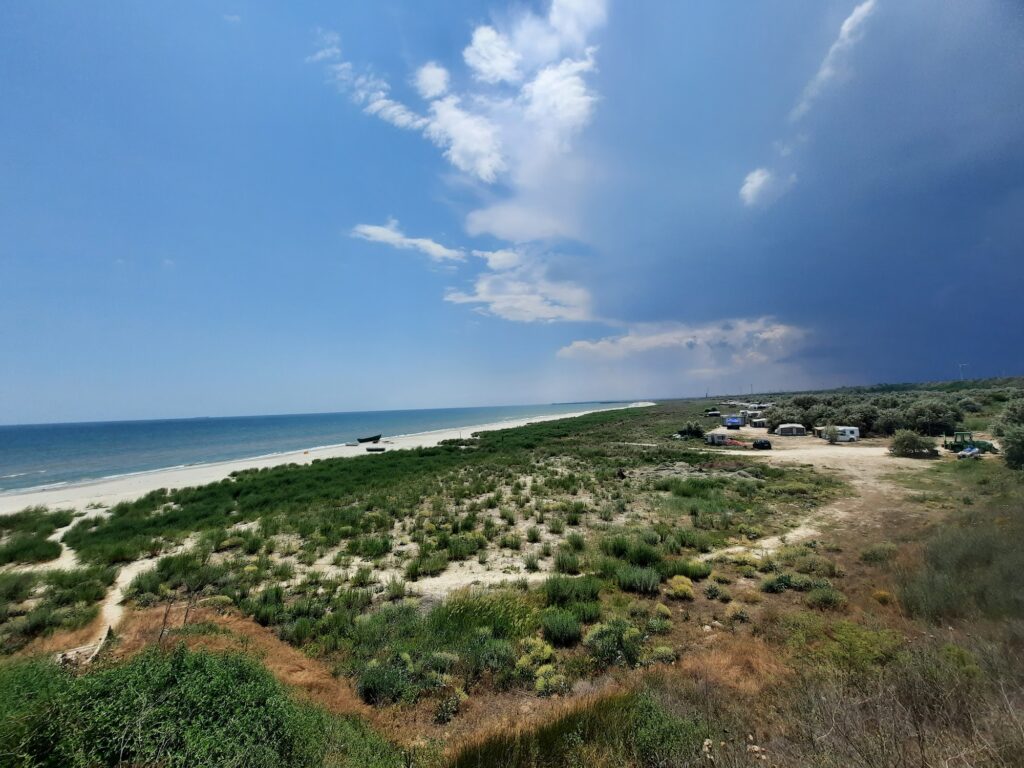
Corbu Beach belongs to the section of coastline inside the Danube Delta Biosphere Reserve where the beach exists in the condition it was in before the Romanian Riviera resorts were built. The village of Corbu is 25 kilometres north of Constanța, past Mamaia and past the industrial area of Năvodari. From the village, a 5-kilometre dirt road runs east through flat steppe landscape to the sea. There is no built infrastructure at the end of it.
The key practical clarification before anything else: Corbu Beach itself is free to access and does not require an ARBDD biosphere permit for most visitors, unlike the beaches deeper in the reserve at Vadu or Sfântu Gheorghe. A vehicle permit fee may apply if passing through certain reserve checkpoints on the access road — check current requirements at the village entry point. The beach is protected ecological territory under Natura 2000 and UNESCO heritage frameworks, which means no permanent construction, no commercial operators, and strictly no fires outside designated areas.
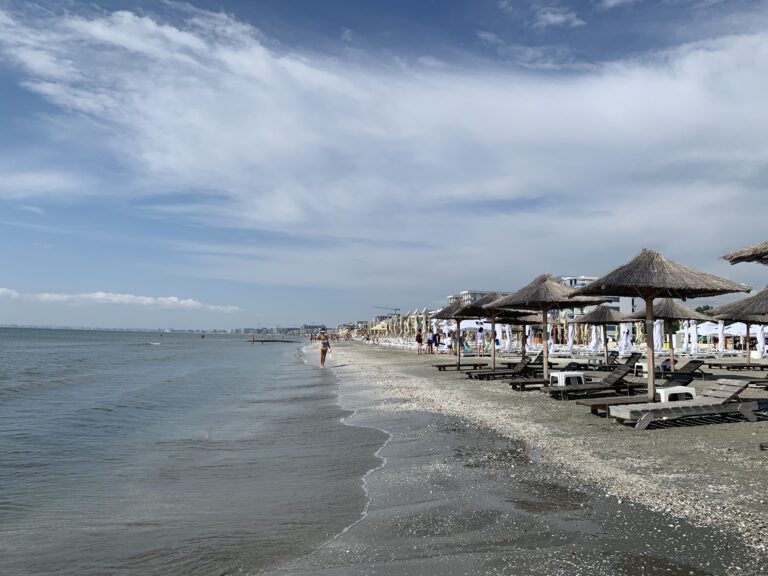
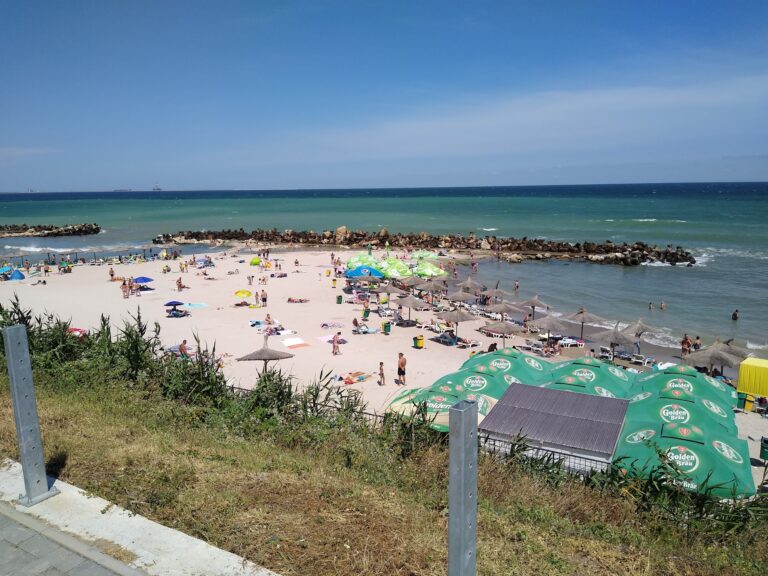
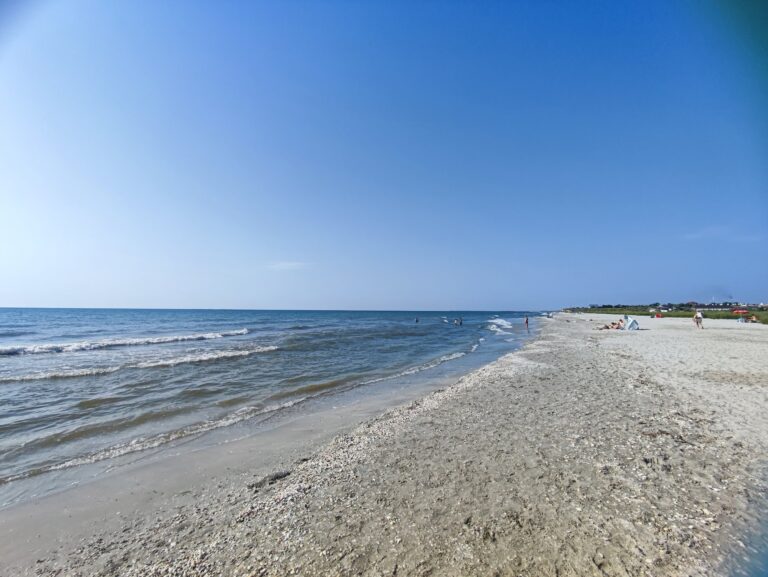
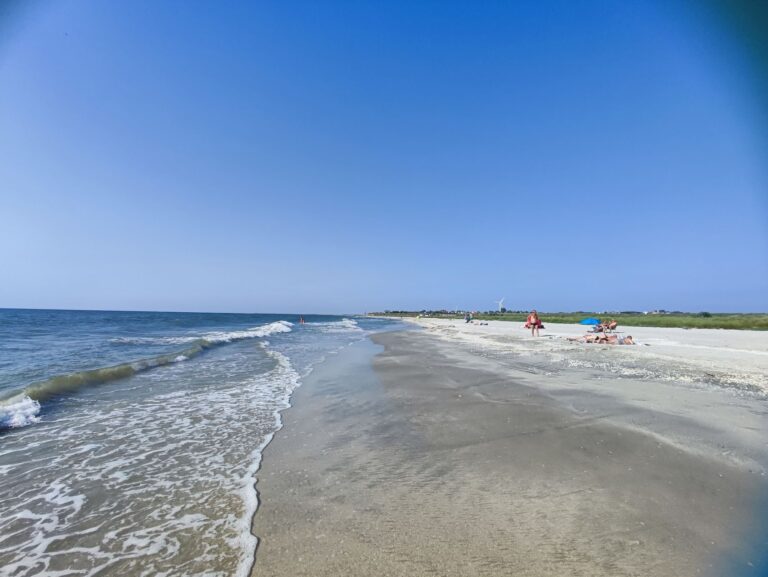
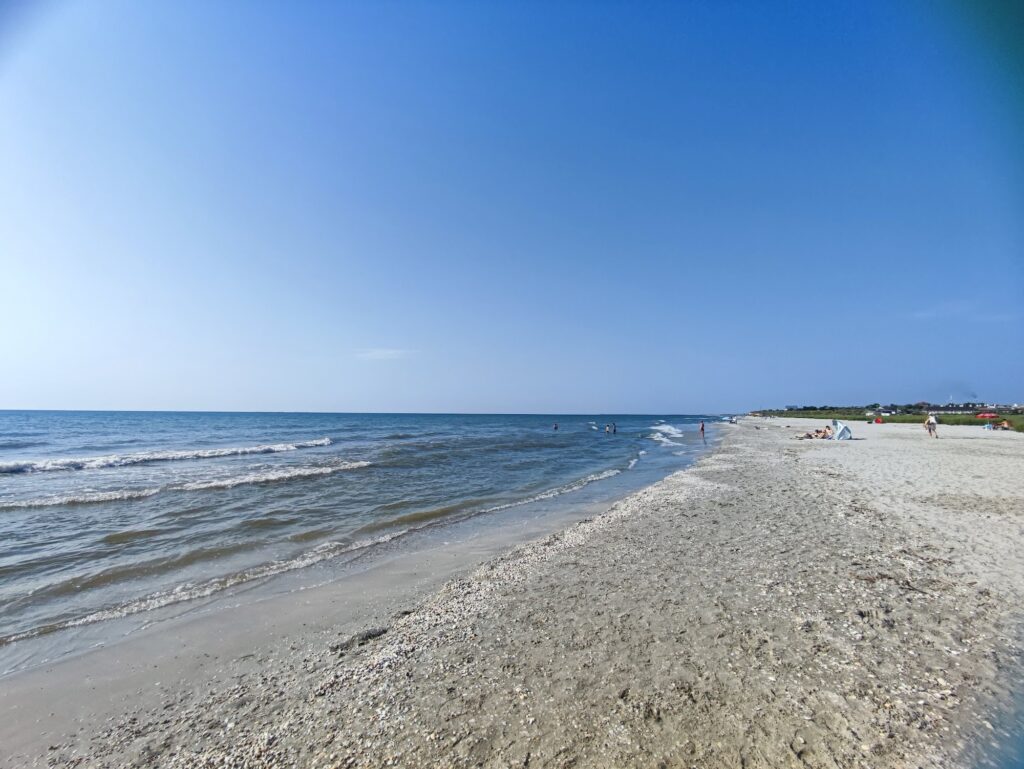
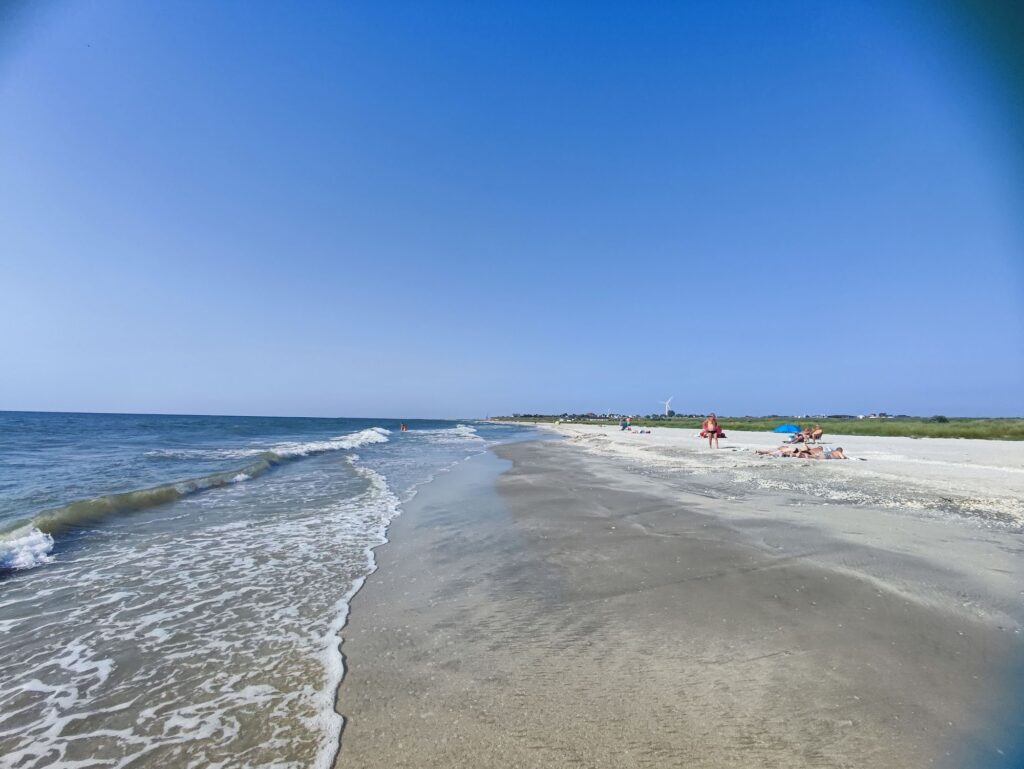
The sand is coarse and mixed with sea shells — the consistent texture visitors describe when arriving from the direction of Mamaia’s fine-grained resort beaches. The open Black Sea conditions are real: waves roll in unobstructed, the water deepens more quickly than at sheltered resort bays, and there are no lifeguards, no flags, and no rescue infrastructure. Kitesurfing and windsurfing thrive here precisely because the coast is open to full wind and wave action.
Getting There: 25km North of Constanța, 5km Dirt Road From Corbu Village, Mountain Bike Option From Năvodari
From Constanța, drive north past Mamaia and Năvodari for approximately 25 kilometres and follow signs into Corbu village. At the village, turn east onto the dirt road that leads through fields to the beach — 5 kilometres, passable in most standard cars in dry conditions but rough. Allow extra time after rain.
The minibus from Constanța Central Bus Station toward Săcele or Corbu stops in the village centre; from there, the 5-kilometre dirt track requires walking, cycling, or hitchhiking. Mountain bikes can be rented in the wider Năvodari area and the flat terrain from Năvodari Beach along the edge of Lake Corbu to the dunes is a specific cycling route that works well.
The Beach: Shell-Rich Coarse Sand, Open Sea Conditions, No Lifeguards, No Facilities — Bring Everything
The beach is wide and extends north and south without interruption. The shell density in the sand is noticeably higher than at managed resort beaches — beachcombers find intact and interesting shells here throughout the season. The coarse texture underfoot is different from the fine-powder consistency of commercial beach replenishment sand.
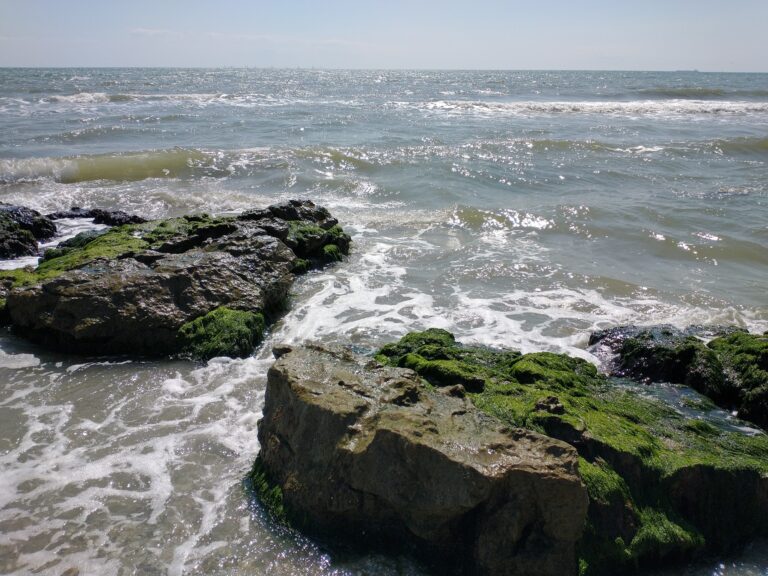
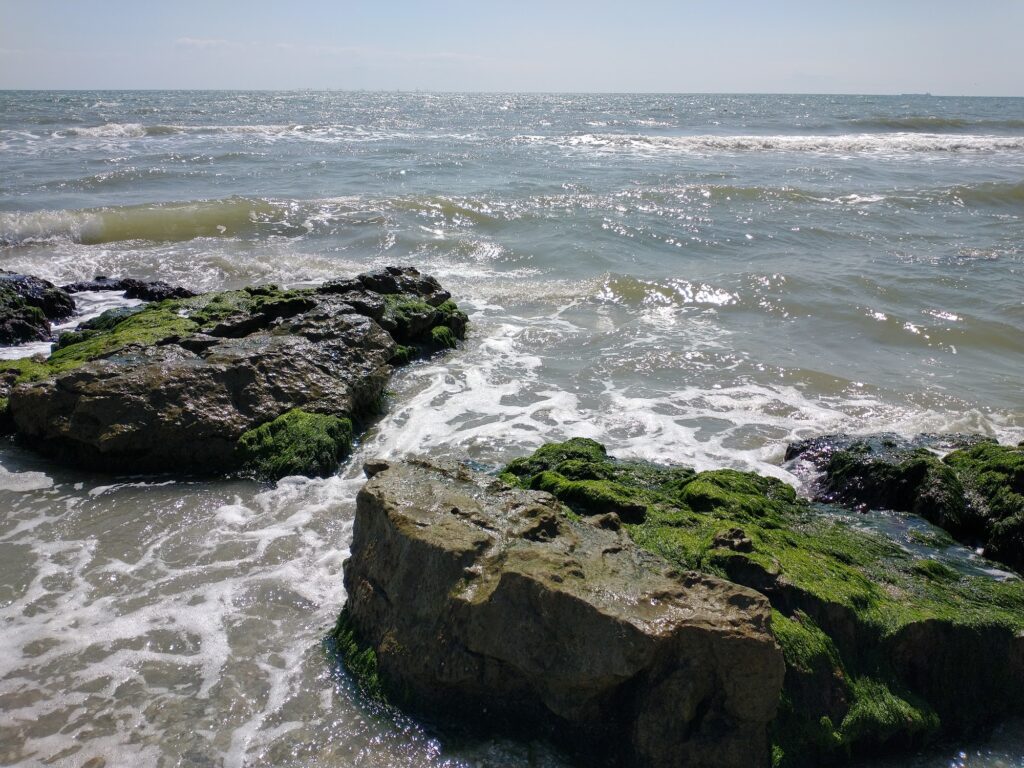
Swimming requires honest self-assessment. The waves are unfiltered Black Sea open ocean, the drop-off is faster than at sheltered bays, and nobody is watching. The beach is best for confident swimmers who understand current conditions and adjust accordingly. Children should not be left unattended near the water.
No facilities means no exceptions: no showers, no toilets, no changing rooms, no food or drink. Everything consumed must be carried in, and every piece of waste must be carried out. This is not an informal expectation — it is the ecological obligation that comes with visiting a protected biosphere reserve beach.
Kitesurfing and Windsurfing: The Open Coast Advantage
The same openness that makes swimming require care makes Corbu excellent for wind sports. Kiters and windsurfers use the beach specifically because the Black Sea coast here has unobstructed wind, space to launch and land, and no motorised water sports operators crowding the water. The wind-sport community at Corbu is active, particularly in the shoulder months when conditions are consistent.
The Cherhana: Traditional Fish Restaurant in the Village
A cherhana is a traditional Romanian fishing establishment that sells and cooks the catch on-site. Corbu village has one — the nearest food option to the beach, a few kilometres back along the dirt road, serving grilled carp, fish soup, and fried sprats from the local fishermen’s catch. The cherhana is the specific meal that the village context makes possible and that the beach itself cannot.
Vadu and Sfântu Gheorghe: The Permit-Required Delta Beaches Further North
Vadu and Sfântu Gheorghe are the other famous wild beaches inside the Danube Delta Biosphere Reserve further north, both accessible only by boat. Both require the ARBDD biosphere permit. They represent the deeper delta wilderness beach experience; Corbu is the road-accessible version — still wild, still protected, but reachable in a standard vehicle.
Corbu Beach in Romania is the free wild Black Sea shore inside the Danube Delta Biosphere Reserve — 25 kilometres north of Constanța, 5 kilometres of dirt road from Corbu village (no permit required for the beach itself, check vehicle fees at checkpoint), no lifeguards, no facilities (bring and carry out everything), coarse shell-rich sand, full open-sea conditions, excellent kitesurfing and windsurfing, the cherhana fish restaurant in the village for the meal, and Vadu and Sfântu Gheorghe the permit-required deeper delta alternatives further north.
Drive north past Năvodari. Turn into Corbu. Follow the dirt road to the end.
Map
Sorry, no records were found. Please adjust your search criteria and try again.
Sorry, unable to load the Maps API.
Near by places: