Hawaii Beach Sveti Nikola Island: Budva's Wild Escape
Profile
Hawaii Beach, Sveti Nikola Island, Budva: Montenegro’s Largest Island and the Name That Came from a Restaurant
Montenegro | Sveti Nikola Island | Budva
The Hawaii nickname came from a restaurant. The island of Sveti Nikola near Budva is almost universally referred to as “Hawaii.” This eponym originated from a famous restaurant of the same name that once stood on the island’s shores. The restaurant is gone. The name has stayed, attaching itself so completely to the island’s identity that most visitors, and many residents, use it without knowing or caring about the origin. The water colour that the limestone seabed produces in the Adriatic light is genuinely reminiscent of the Pacific photographs that the name evokes — not a marketing invention but an accidental accuracy. The name stuck because the visual was right.
Sveti Nikola Island is 2 kilometres long, covers 47 hectares, and is Montenegro’s largest island, positioned 1 kilometre off the coast of Budva. It is a natural reserve. No accommodation exists on the island, there are no roads, and no motor vehicles. The island has three beaches with a total length of 800 metres, plus numerous small coves in the rock. The interior forest is home to deer, mouflons, wild rabbits, pheasants, and a variety of birds. The Church of St. Nicholas (Crkva Sv. Nikole) on the island’s northern tip was built at the end of the 11th century, and the island takes its official name from the saint who was considered the protector of sailors — the naming logic that connects every lighthouse, cape chapel, and maritime settlement that dedicated a church to Nicholas throughout the Adriatic and the Mediterranean.
Getting There: €3–€7 Return Boat from Slovenska Beach, Every 30 Minutes, Last Boat 19:00
The taxi boat service from Budva to Sveti Nikola is the only practical transport — there is no bridge, no ferry schedule in the formal sense, and no alternative except kayak or private boat. Water taxis depart from the main Budva waterfront, from the marina area near the Old Town and from Slovenska Plaža during summer (June through September). Boats run every 15 to 30 minutes during peak hours. The crossing takes approximately 10 minutes. Round-trip tickets cost €3 to €7 per person, with children often at reduced rates. The last return boats typically depart at 19:00.
The return ticket is valid for use with the company that sold it. Keep the ticket and board the ship of the same company — the company’s name is on the ticket. The boat leaves you at the same place it dropped you. Losing the return ticket or attempting to board a different company’s boat produces the specific administrative complication that visitor accounts consistently warn about. The practical advice: buy the ticket, keep it visibly accessible, and confirm the last departure time with the boat operator on arrival.
The boat from Slovenska Beach is the standard departure point — walk along the Budva beach promenade looking for the “Hawaii” signs and the boat operators selling tickets. The Magic Stars operator has been consistently recommended in visitor accounts for running on schedule and making the return run reliably every 30 minutes until the evening.
By kayak, the 1-kilometre crossing from Budva’s beaches takes 20 to 30 minutes depending on conditions and the paddler’s ability. Kayak rental is available from operators on the Budva beaches. The kayak arrival allows exploration of the island’s coves without the boat schedule constraint — the practical advantage for those who want to stay beyond the last organised taxi boat departure.
The island is also connected to the mainland by a narrow isthmus called Tunja — approximately half a metre deep at low tide — and locals and visitors willing to wade occasionally make the crossing on foot during optimal tidal conditions.
The Three Beaches: Main Eastern Beach, Halfmoon, and Laguna
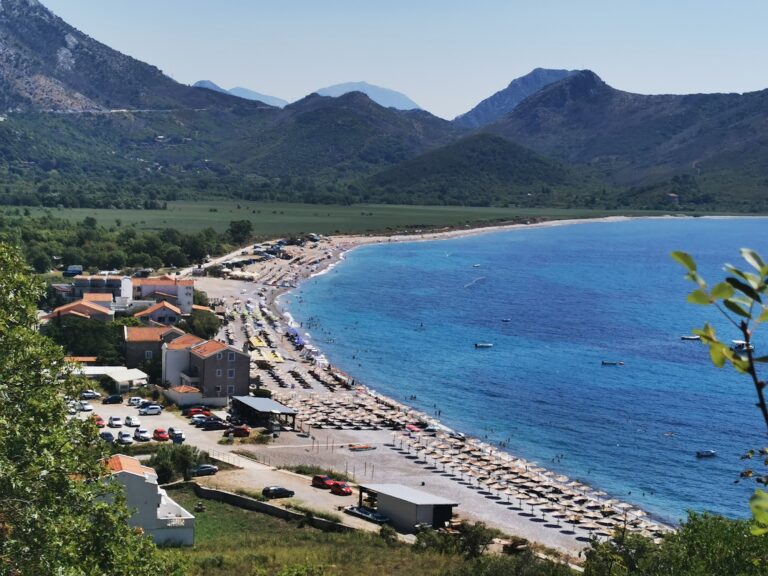
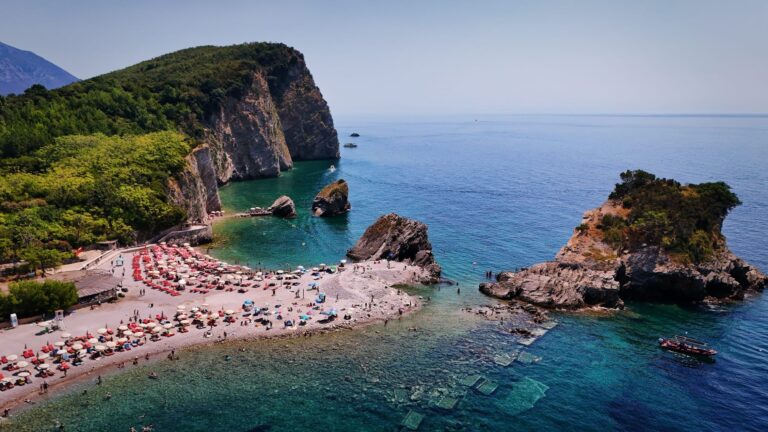
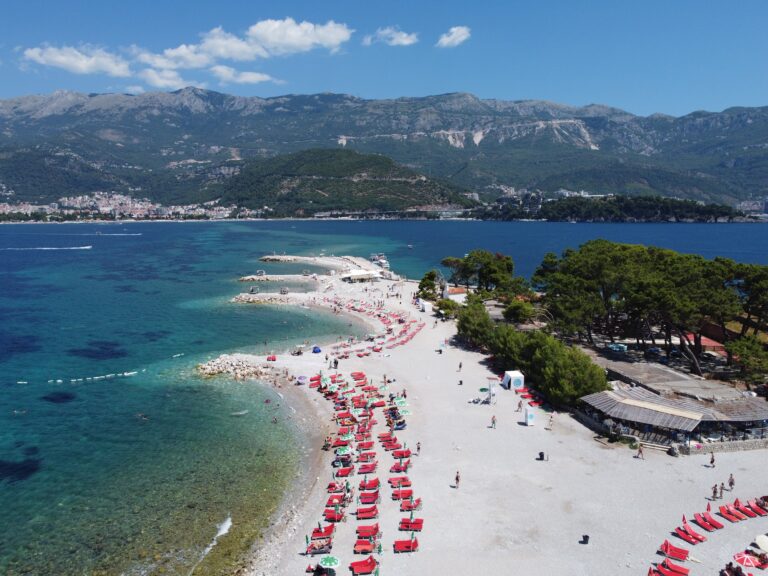
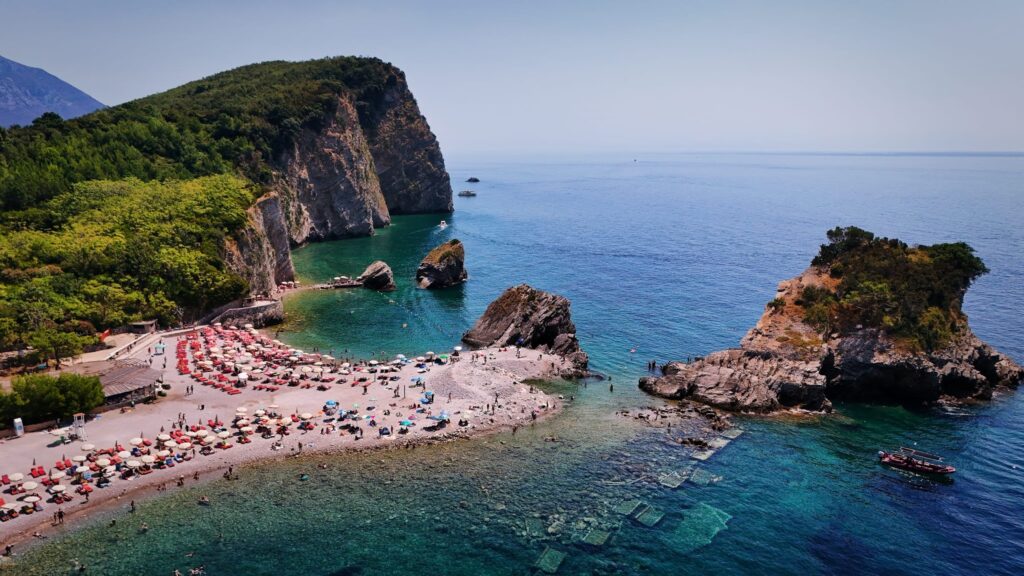
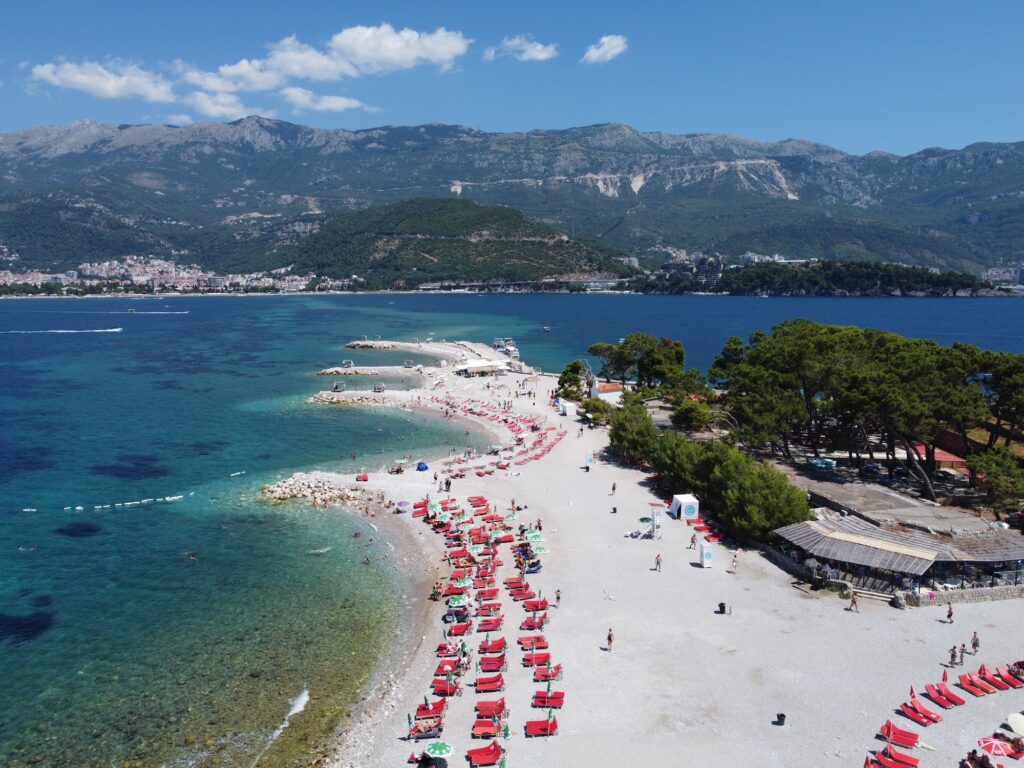
Sveti Nikola has three main beaches. The largest is on the eastern shore facing Budva — a mix of sand, pebble, and rock along the sheltered side of the island. This is where the water taxis land and where the beach bars and sun lounger rentals are concentrated. The water is clear and relatively shallow, suitable for families with children. The second beach is at the southern tip, accessible by a path from the main beach — smaller and rockier, with deeper water close to the shore, excellent for confident swimmers and snorkellers. The third beach is on the northwestern shore, facing the open sea.
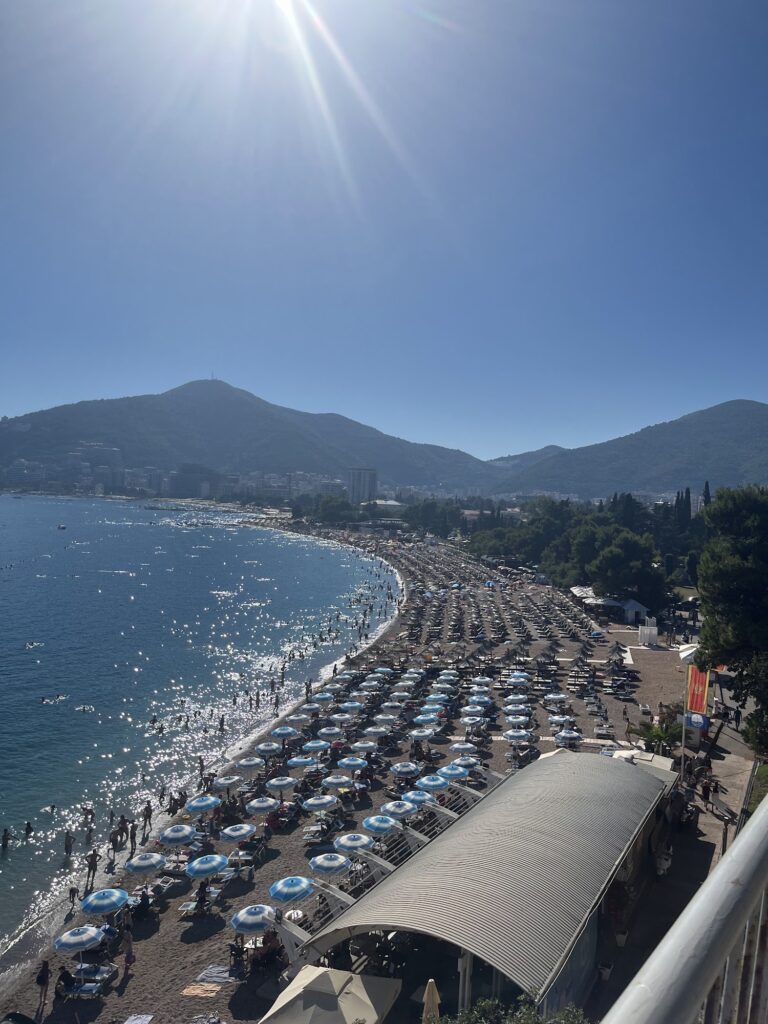
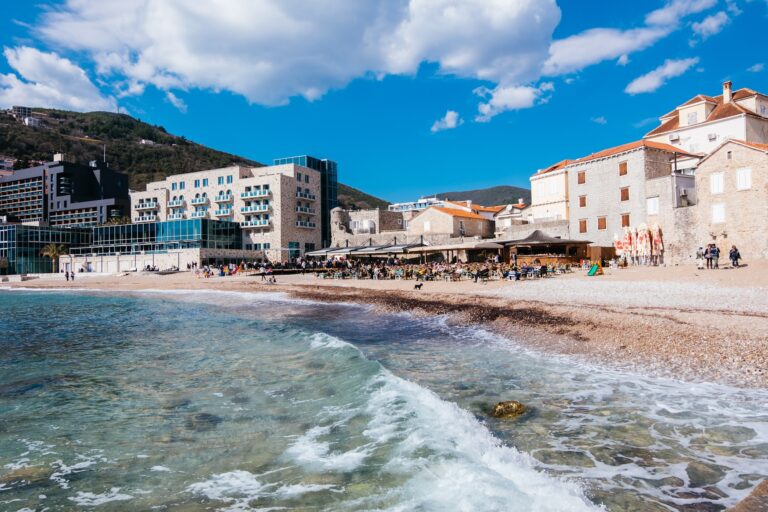
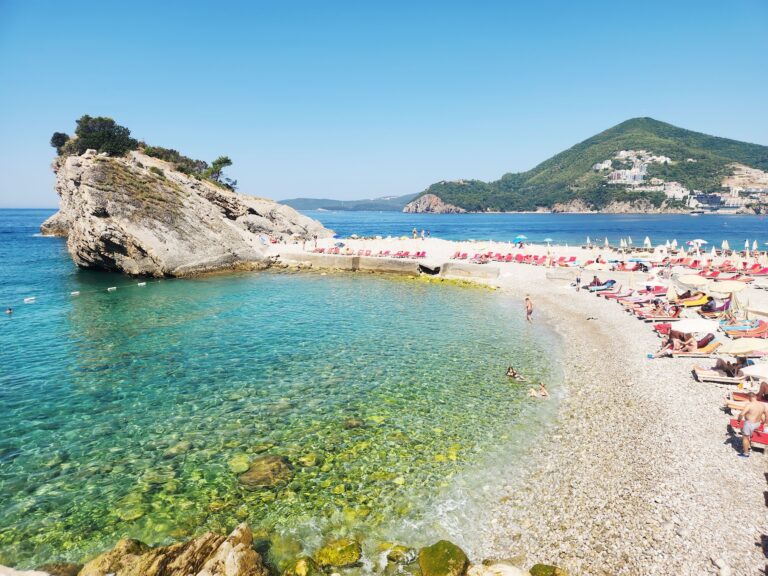
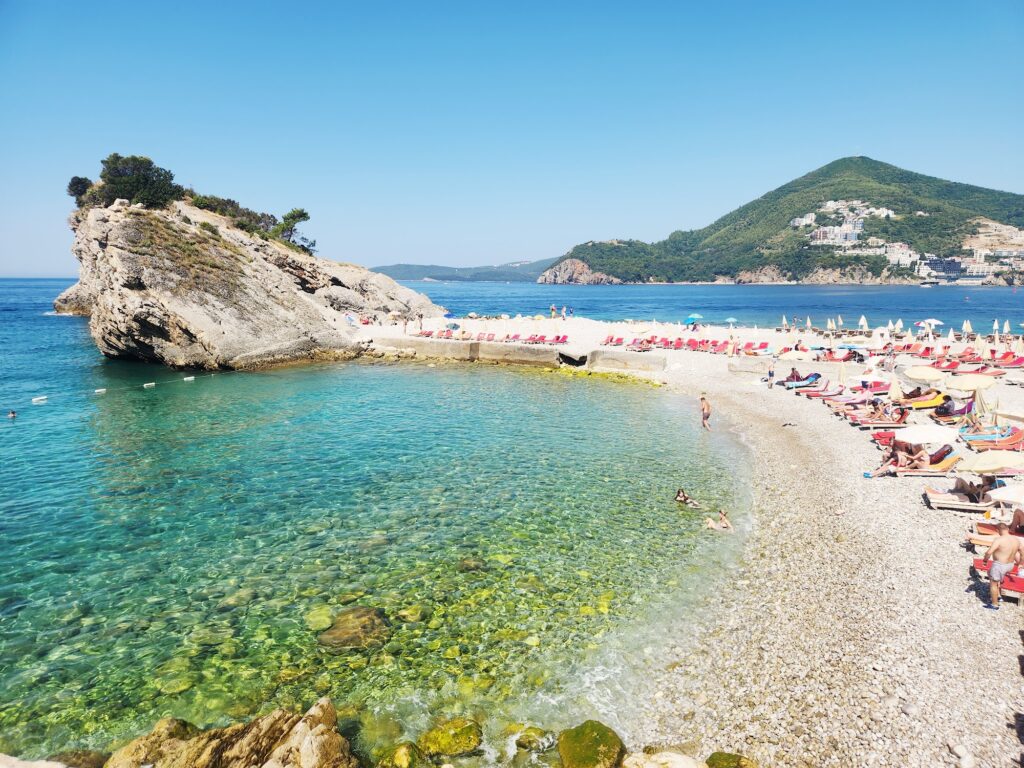
The main eastern beach — the Hawaii Beach that the article title references, the landing point for the taxi boats — is the most organised of the three: sun loungers (€10 to €20 per set), beach bars under trees, the BBQ seafood restaurant, and the view back across the channel to Budva Old Town. The 800 metres of total beach is spread across three sections; the eastern main beach is the largest individual section.
Halfmoon Beach is named for its crescent shape and is specifically where the “Hawaii” visual quality is most intense — white stones under the turquoise water, the colour that the photographs of the island are taken for. Take the 09:00 boat to secure the best loungers at Halfmoon Beach.
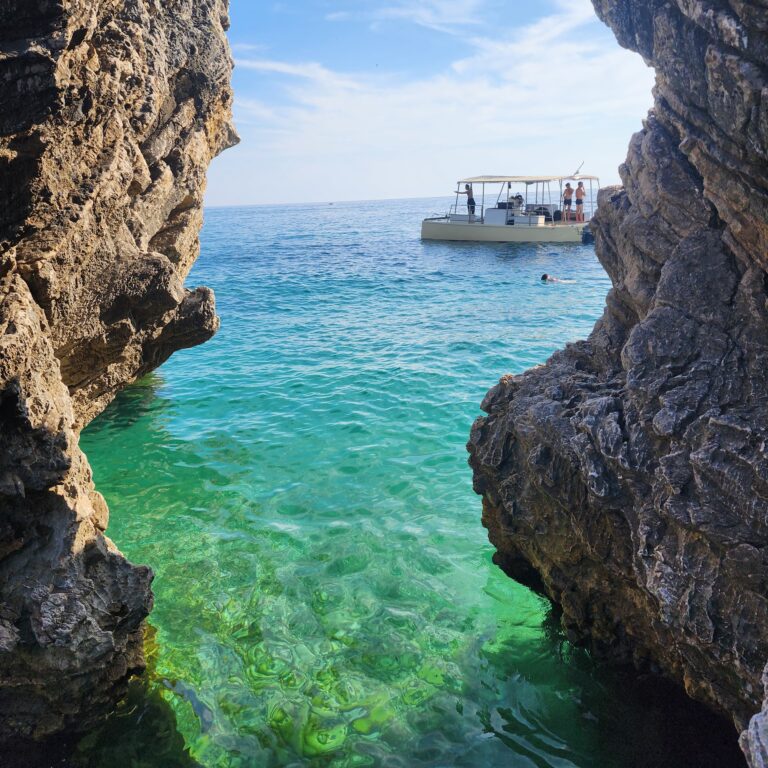
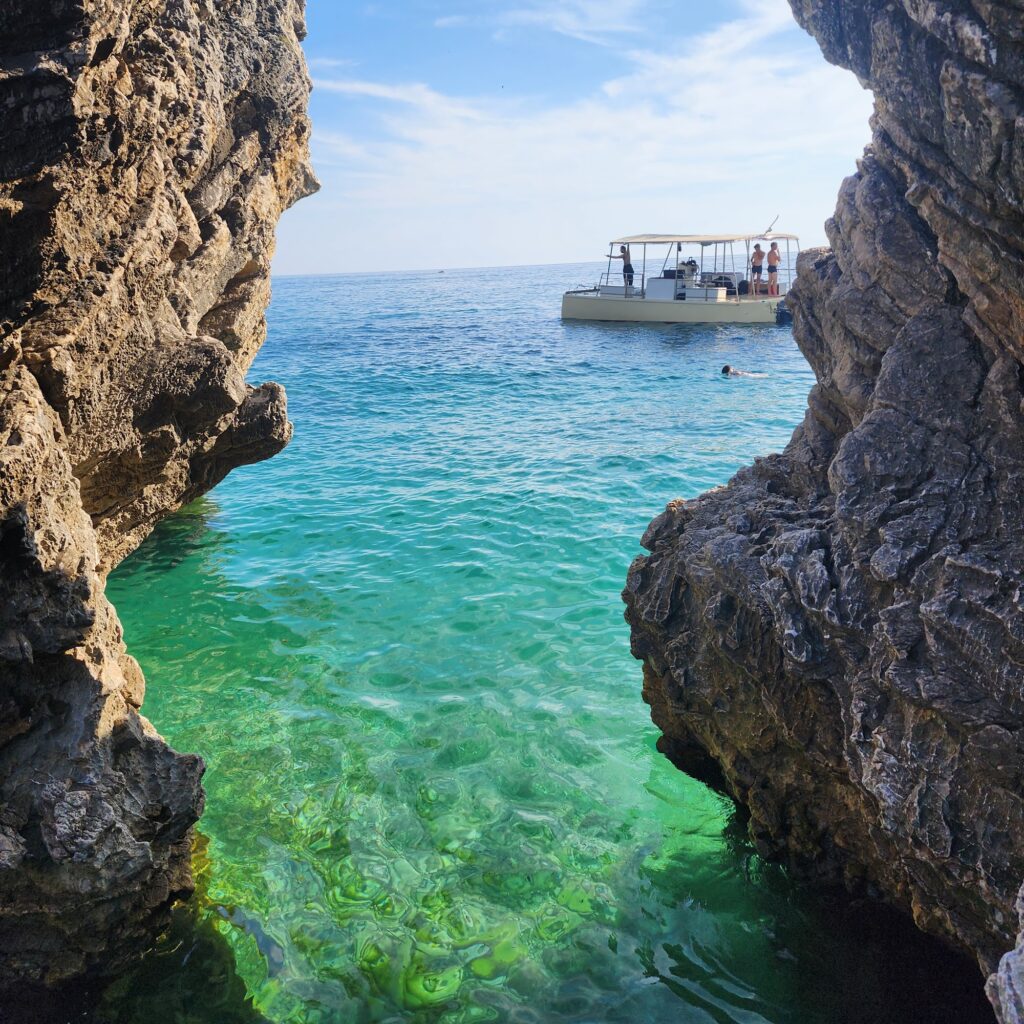
Beyond the three main beaches, the southern cliffs of the island have small coves accessible only by water — the “secret beaches” that the source article and visitor accounts reference, reached by the €20 private boat taxi rather than the €3 shuttle. These untouched coves are the undeveloped extreme of what the island offers.
The Natural Reserve Status: Deer, Mouflons, and the 11th-Century Church
The island’s interior forest of pine, cypress, and olive trees is a protected natural reserve. The wildlife population — deer, mouflons (the wild sheep species native to the islands of the western Mediterranean), wild rabbits, pheasants, and birds — moves through the forest without the motor vehicle or human residential pressure that mainland habitats face. The deer in particular are frequently encountered on the island’s interior paths, which are the subject of an ongoing development programme by Budva municipality including 3 kilometres of marked paths and picnic areas.
The Church of St. Nicholas near the island’s northern tip is among the oldest surviving ecclesiastical buildings on the Montenegrin coast. Local lore holds that the graves scattered around the tiny, whitewashed church are those of crusaders who died of an unknown epidemic while camped on the island. The church itself may date to as early as 1096. The combination of the 11th-century church, the crusader grave tradition, and the wildlife interior gives the island a dimension that the beach and bar characterisation of its tourist marketing does not fully capture.
No Accommodation, No Roads, Day Trip Only
The island is day-trip only. There is no accommodation, no hotel, no camping provision, and no option to remain overnight. All visitors must return to the mainland by the last boat departure. The island has no roads and no motor vehicles — movement is on foot only, and the 2-kilometre length makes the full exploration of the island’s main accessible areas a 3 to 4-hour walk depending on the number of swimming stops.
The island’s car-free, vehicle-free character is the specific quality that Lonely Planet identifies as the escape it provides from the developed mainland: you’ll have more chance of escaping the tourist crowds, discarded rubbish, and blaring pop music if you hire a kayak and look for a secluded cove on the far side of the island.
The beach bars on the main eastern beach do play music throughout the day — the visitor accounts are consistent on this as the one commercial intrusion on the otherwise natural island experience. The coves away from the main beach are the quieter option.
Sveti Nikola in the Budva Area Programme
Sveti Nikola is the natural counterpoint to Budva’s organised beach culture — the uninhabited island visible from every beach and promenade in the city, 10 minutes by boat, accessible for €3 to €7, with clear water, deer in the trees, an 11th-century church, and the specific quietness that no Budva mainland beach can provide within the same distance from the town centre.
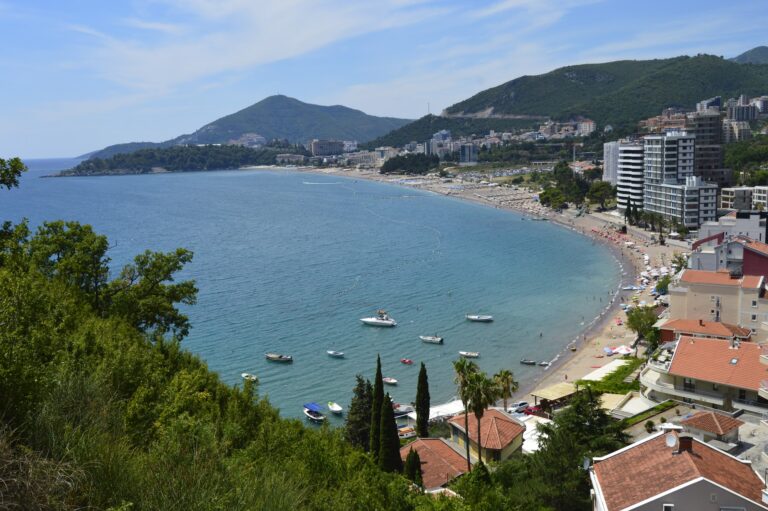
The boat trip itself is part of the Budva area programme — the view from the water looking back at Budva Old Town from the channel between the island and the mainland is one of the more dramatic available views of the city, and the sea approach to the island’s beaches is a different perspective on the Adriatic from any of the mainland beach experiences.
Hawaii Beach on Sveti Nikola Island near Budva is the rocky pebble beach on Montenegro’s largest island — 1 kilometre from the mainland, named for a restaurant that no longer exists, three beaches totalling 800 metres, €3 to €7 return by boat every 30 minutes from Slovenska Beach, last boat at 19:00 (keep the return ticket), deer and mouflons in the pine forest interior, the 11th-century church of St. Nicholas, and the quiet coves on the far side accessible only by private boat or kayak.
Take the 09:00 boat. Keep the return ticket. Bring water shoes.
Map
Sorry, no records were found. Please adjust your search criteria and try again.
Sorry, unable to load the Maps API.
Near by places: