Agia Paraskevi Beach Skiathos: Swans and Bus Stop 16
Profile
Agia Paraskevi Beach (Platanias), Skiathos: The Halfway-Point South Coast Beach Where Swans Walk Along the Shoreline, at Bus Stop 16
Greece | Platanias | Skiathos, Northern Sporades
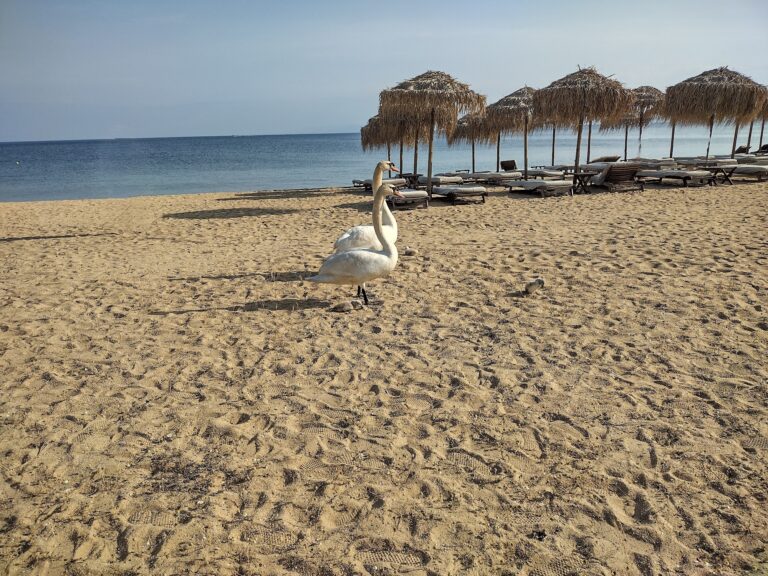
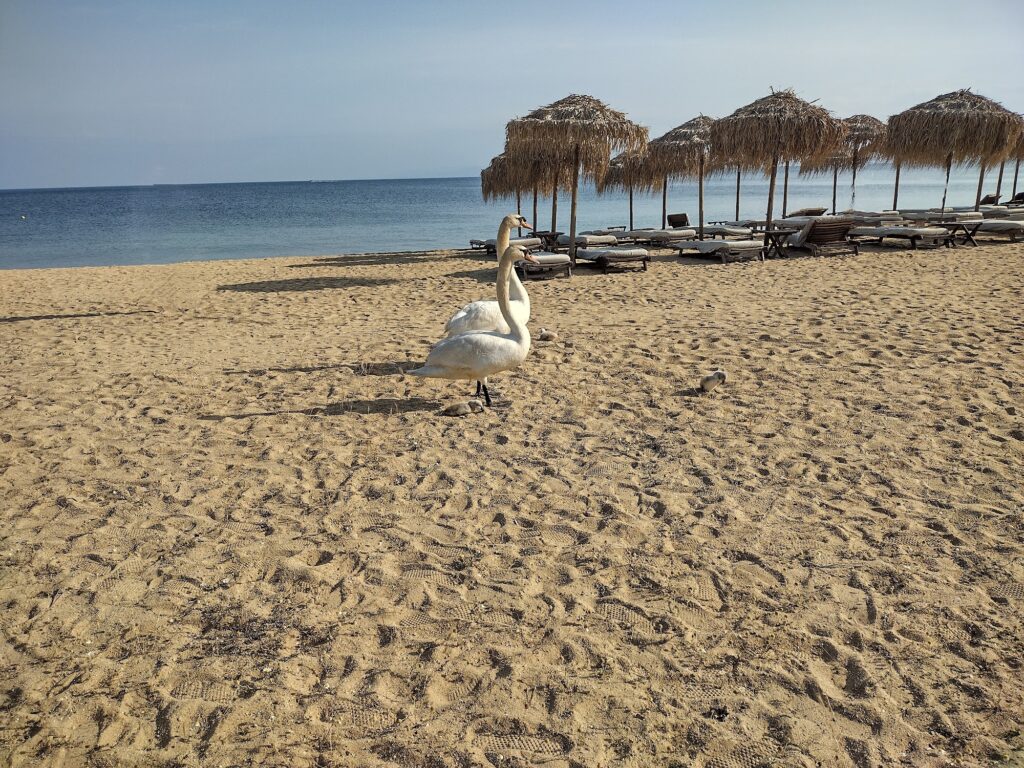
What makes Agia Paraskevi special is watching the swans each day going up and down the beach.
The swans are not at the lagoon behind the beach — that is Koukounaries and Strofilia Lagoon further west. The swans at Agia Paraskevi walk along the shoreline itself, moving up and down the beach among the swimmers and sunbathers. The specific character note that distinguishes this beach from every other on Skiathos: the swans are on the sand.
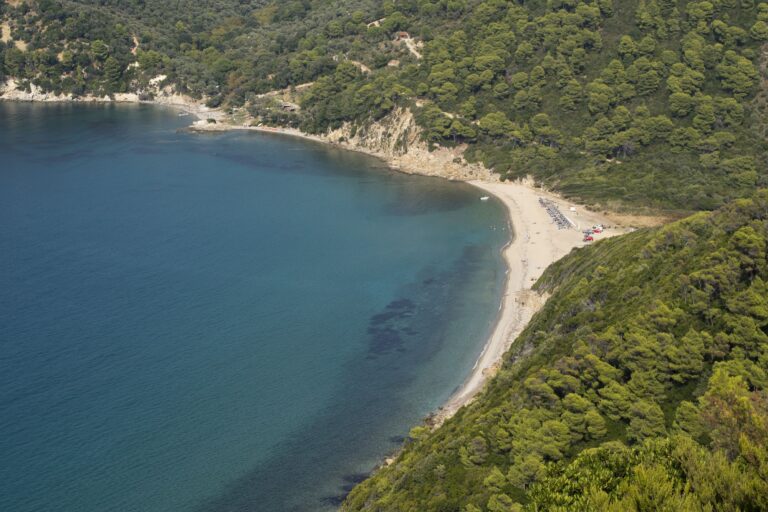
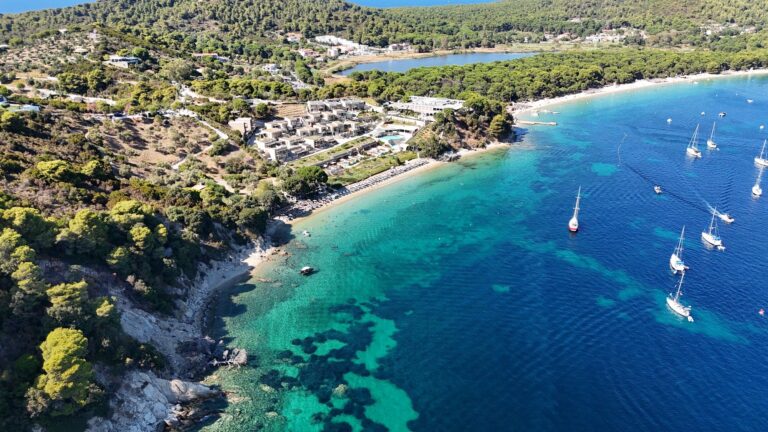
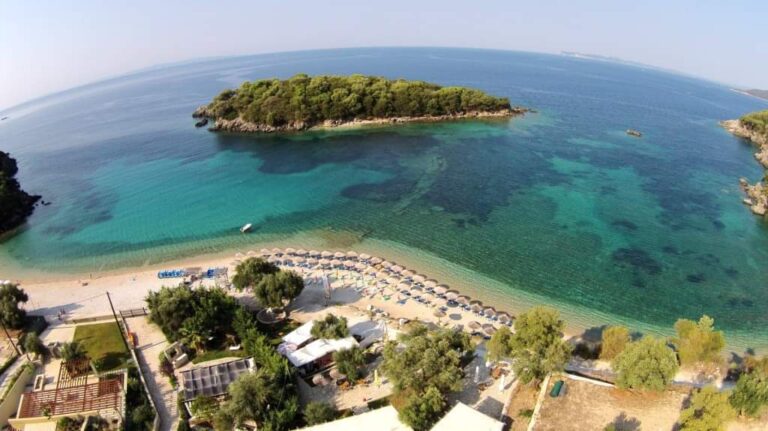
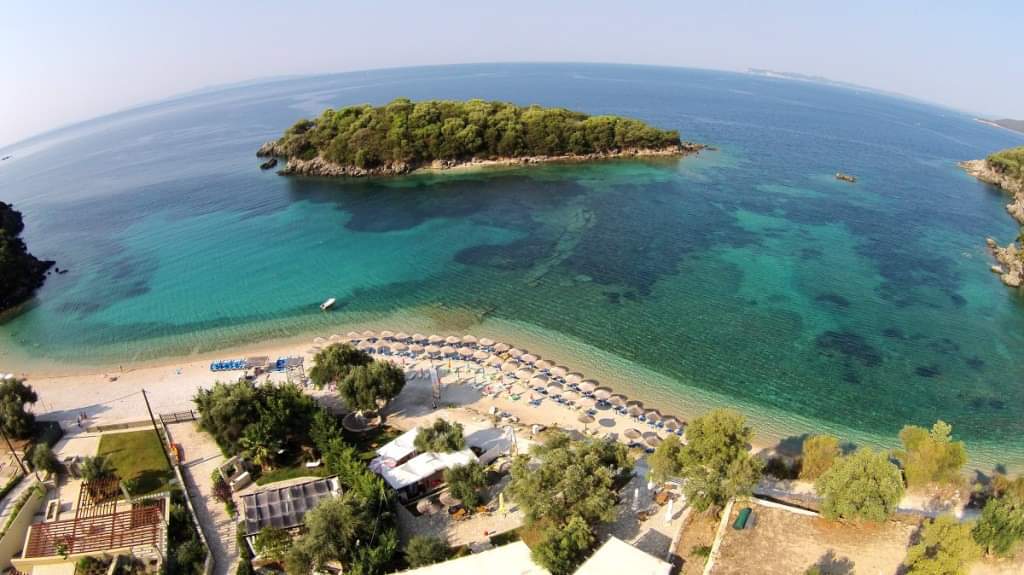
Agia Paraskevi is a large sandy beach facing south, located about halfway across the island of Skiathos. The beach is 7 kilometres from Skiathos Town and the Platanias valley sits behind it. Agia Paraskevi is the area around the church at bus stop 16 and is named after the church. Platanias is the name of the valley that has a lot of the accommodation. The two names refer to the same resort area; the beach is Agia Paraskevi, the accommodation valley behind it is Platanias.
Every year on the 26th of July a typical Greek bustling feast is organised in the yard of the little chapel in honour of the Saint, with local dances and plenty of food and drinks.
Getting There: Bus Stop 16 (Princess Hotel), Halfway Along the Route, 15 Minutes from Either End
AP is on the middle of the bus route so you’re 15 minutes away from either end of the island.
The Skiathos bus runs from Skiathos Town (stop 0) to Koukounaries (stop 26) every 10 to 20 minutes in summer. Stop 16 is labelled Agia Paraskevi / Princess Hotel on the official bus stop list — the Princess Resort is the landmark that the bus navigates by. From Skiathos Town, the journey to stop 16 takes approximately 15 minutes.
Single tickets: €1.60 to €2. Purchased on the bus. Cash only — keep small change available.
By car from Skiathos Town, the drive takes approximately 10 to 15 minutes (7km) along the main coastal road. Several parking areas are near the beach, though they fill on summer weekday mornings. The main coastal road is not walkable in most sections — no footpaths — which makes the bus the practical transport for visitors without a vehicle.
The Beach: Large, Sandy, South-Facing, Shallow, No Shade Except One Corner
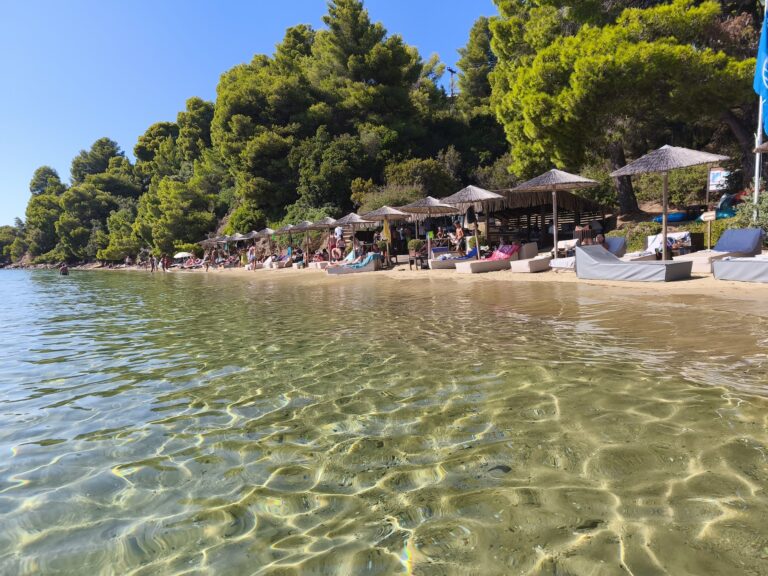
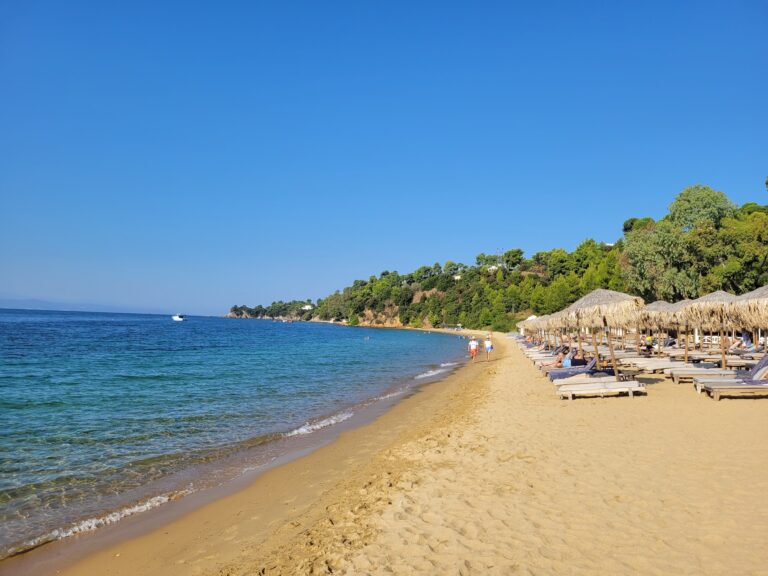
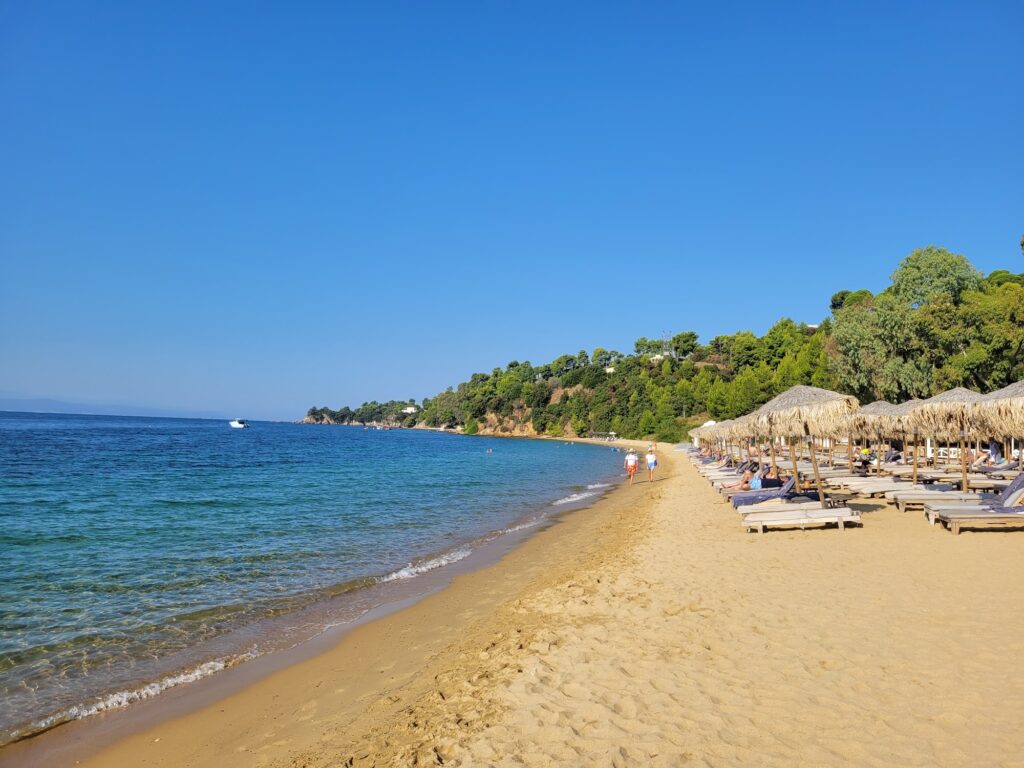
Agia Paraskevi is a large sandy beach facing south, equipped with services and umbrellas while still leaving space for wide free areas. There are also two bars. This beach has no shade throughout the day, except in the small corner to the west before the rocks that, if free, can offer you the experience of resting in a small patch of beach under the trees at water’s edge.
The one shaded corner — the specific westward edge before the rocks, where trees reach the waterline — is the specific premium position that fills earliest on hot days. The majority of the beach is fully exposed from morning to evening. Renting an umbrella is the practical provision for midday.
The water is clear and calm — the south-facing orientation gives Agia Paraskevi the same protection from the northerly Meltemi that Koukounaries and the other south coast beaches enjoy. The gradual sandy seabed makes it the family beach that accounts consistently describe: shallow for a good distance, no sudden depth, no rocks at the entry.
Long and spacious beach with plenty of free beach. The free zone exists alongside the organised sunbed sections — visitors with their own equipment have room to use it without paying.
The Swans: On the Shoreline, Not in a Lagoon
The swans at Agia Paraskevi are the specific observation that distinguishes the experience from the account of any other Skiathos beach. The swans at Koukounaries are in the Strofilia Lagoon behind the pine forest — visible with a walk, not from the sunbed. At Agia Paraskevi, the swans are on the beach itself, walking along the waterline. The visitors sitting on sunbeds in the front row are at the same level as the birds walking past.
The source of the swans — whether escapees from the Koukounaries lagoon colony, a separate local population, or birds from accommodation ponds in the Platanias valley — is not definitively explained in local sources. They are consistently documented by visitor accounts and appear to be a regular, reliable presence.
The Chapel and the 26 July Feast
The small chapel of Agia Paraskevi — after which both the beach and the resort area are named — holds an annual feast on 26 July, the feast day of Saint Paraskevi. A typical Greek bustling feast is organised in the yard of the little chapel in honour of the Saint, with local dances and plenty of food and drinks.
The chapel is the specific cultural landmark of the area — the naming source, the feast-day reason, and the visual anchor of a beach resort that would otherwise be identified only by its hotel names and bus stop number.
Platanias Valley: Accommodation, Tavernas, and the Island’s Mid-Point
There are a few fantastic tavernas, a couple of bars and supermarkets. The road between the Platanias and Orsa tavernas leads up to the valley and some of the best tavernas in the area.
The Platanias valley behind the beach is the mid-island accommodation zone — the specific location for visitors who want to be equidistant from Skiathos Town and Koukounaries, with beach access and a taverna strip in walking distance. 15 minutes by bus in either direction covers the full south coast.
Kolios Beach: The Smaller Alternative at Bus Stop 14-15
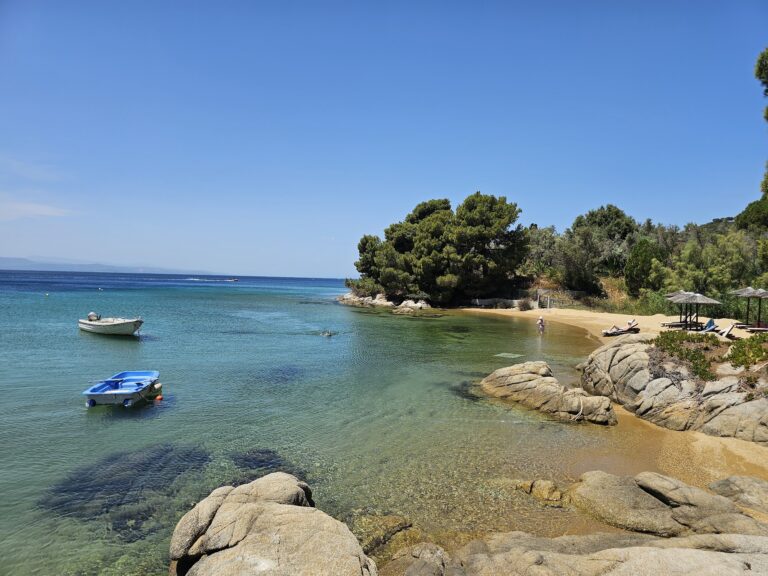
Kolios Beach is between Vromolimnos and Agia Paraskevi, at bus stops 14 or 15. It is smaller and usually has boats moored in front of it. The two beaches serve different characters: Agia Paraskevi for the wide, organised, swan-patrolled family beach; Kolios for a smaller, quieter alternative one stop earlier.
Agia Paraskevi Beach (Platanias) on Skiathos is the halfway-point south coast beach at bus stop 16 — swans walking the shoreline daily, large sandy south-facing bay, no shade except the one shaded corner to the west (which fills first), 7 kilometres from Skiathos Town, 15 minutes by bus in either direction to either end of the island, the chapel feast on 26 July with local dances and food, and the Platanias valley behind with the best mid-island tavernas.
Take the bus to stop 16. Walk to the shaded corner first.
Watch for the swans.
Map
Sorry, no records were found. Please adjust your search criteria and try again.
Sorry, unable to load the Maps API.
Near by places: