Agios Fokas, Kos: A Cape 75 Metres Above the Sea
Profile
Agios Fokas, Kos: The Cape Itself Stands 75 Metres Above the Sea
Greece | Agios Fokas | Kos, Dodecanese
The cape that gives Agios Fokas its name is a genuinely dramatic piece of geography — a steep arm of rock rising 75 metres above sea level, and a small church dedicated to Saint Phocas, dating to the Byzantine period, once stood right at its highest point. I find that detail worth knowing before anything else about the beach itself, since the name attaches to a real, physical landmark rather than just a vague sense of place.
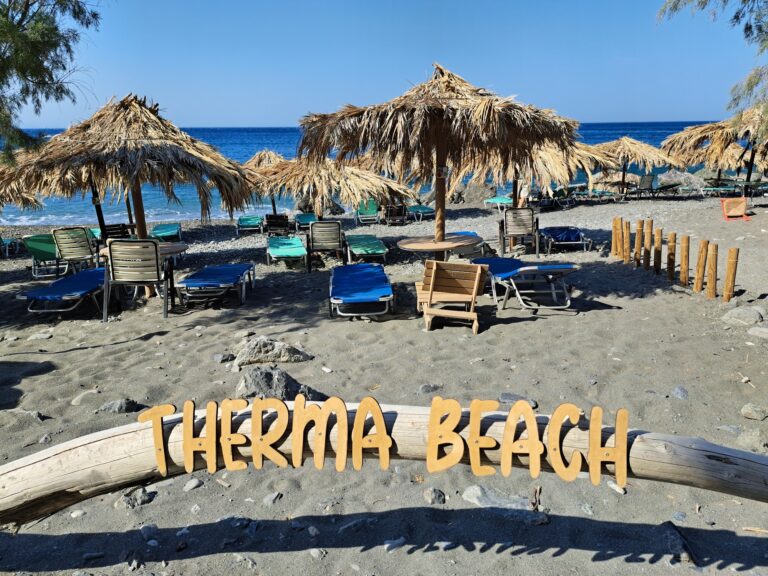
Agios Fokas and Therma, the famous hot spring beach, are genuinely separate destinations, roughly three kilometres apart along the same coast. Agios Fokas itself is closer to Kos Town, calmer, and built around its own stretch of pebble and deep water rather than the volcanic pools that make Therma famous. I covered the springs themselves separately at Therma Beach Kos, and I’d treat the two as a natural pairing for a single day rather than confusing one for the other.
Getting There: 8 Kilometres From Kos Town, via Psalidi
I followed the main coastal road south from the harbour in Kos Town, passing through Psalidi before reaching Agios Fokas itself — the drive took ten to fifteen minutes, the road well-paved and following the curve of the coastline the whole way with genuinely good sea views throughout. A flat, scenic cycling path also connects the two towns, a route I’d recommend over driving if the weather and your own fitness cooperate.
Line 1 buses run from the main station in Kos Town, stopping at several points along the Agios Fokas coast — a straightforward, convenient option for anyone without a car. Free parking sits in organised lots behind the beach bars and hotels.
The Beach: Pebble and Fine Sand, Deep Water Close to Shore
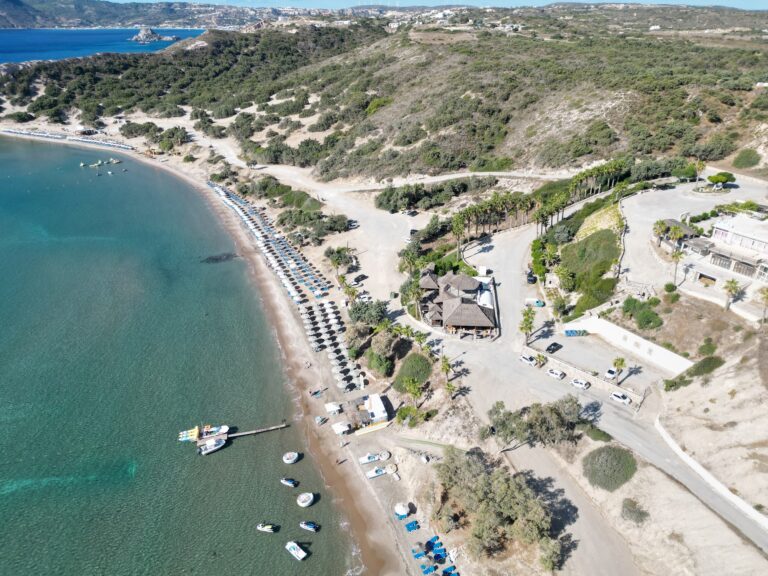
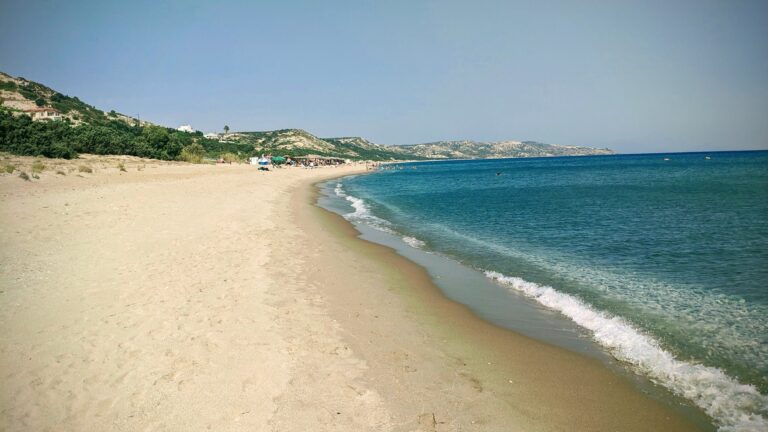
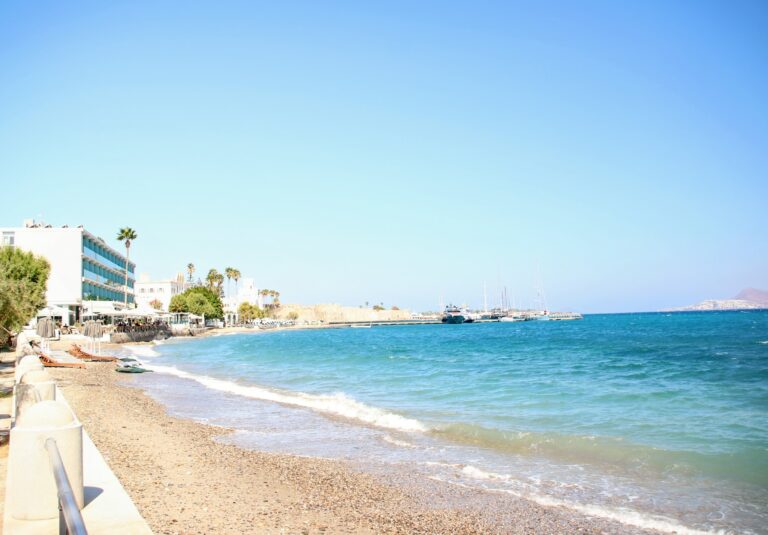
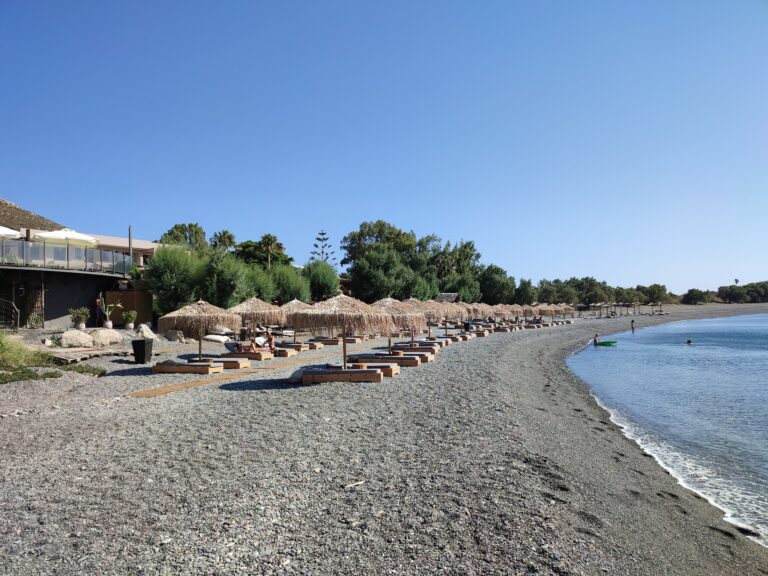
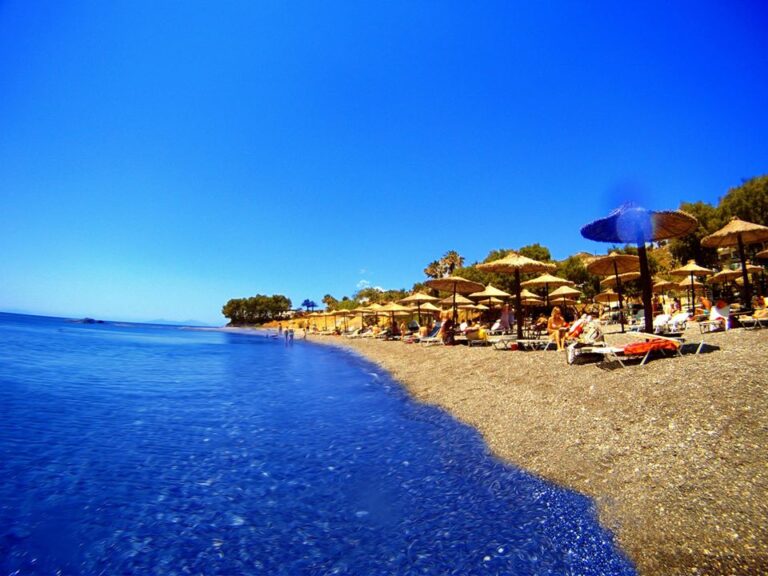
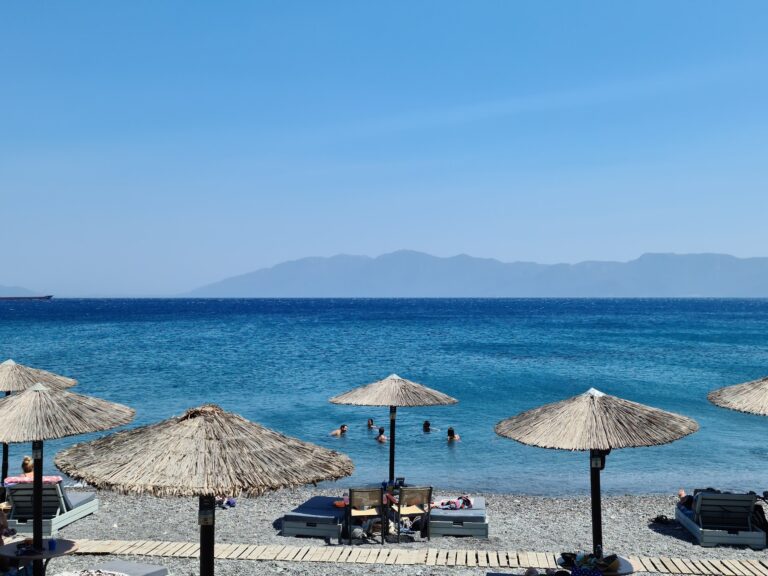
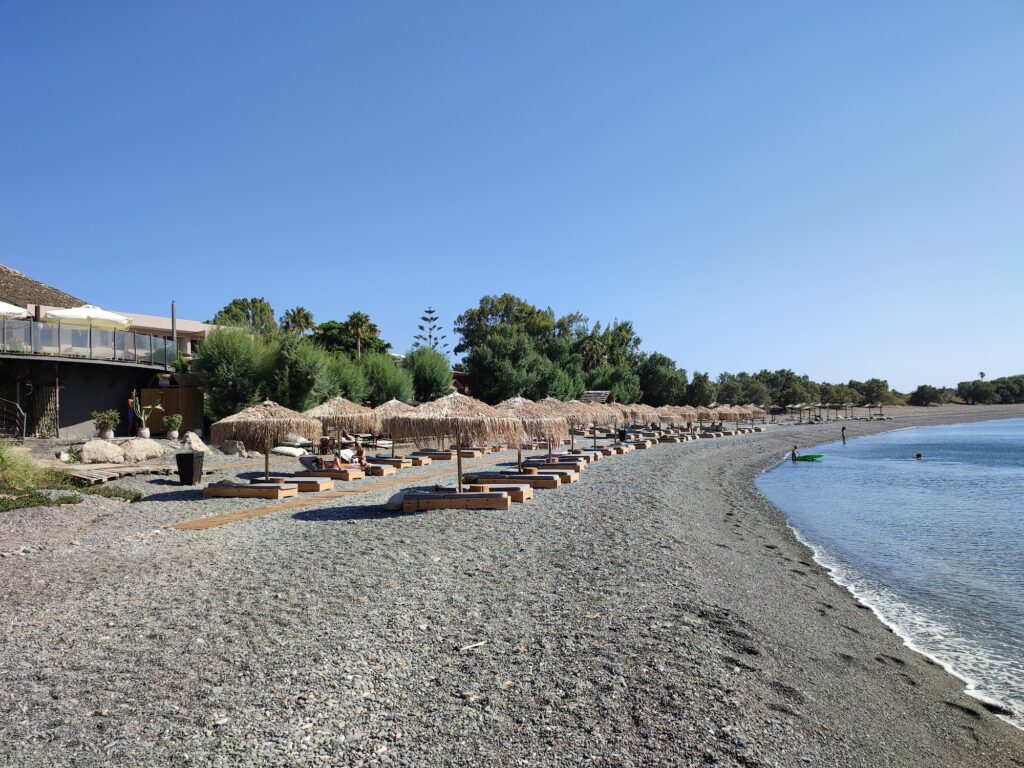
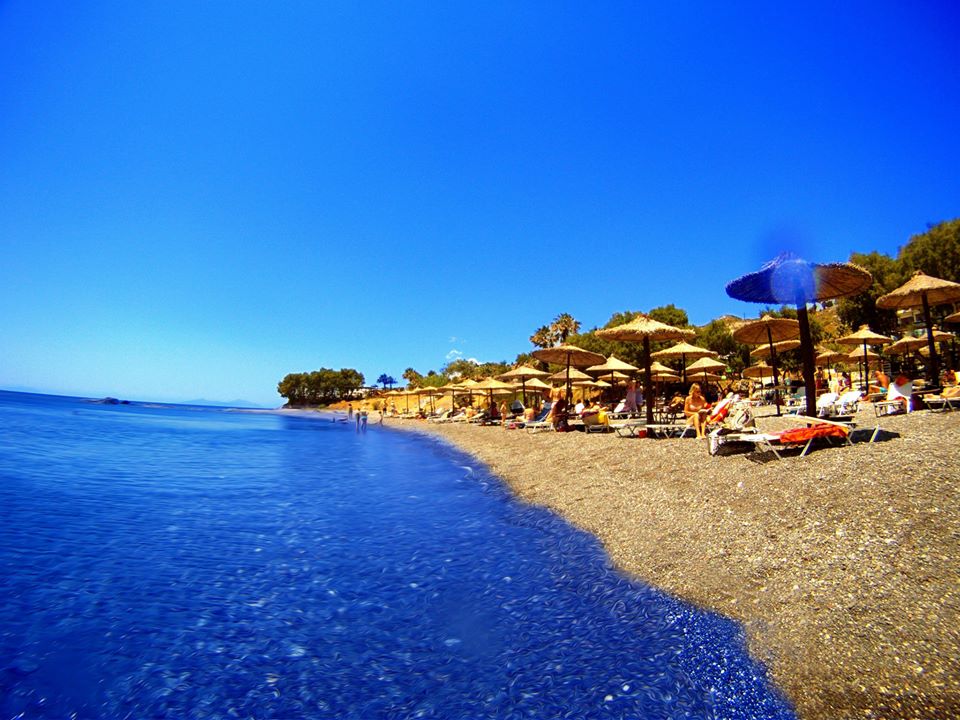
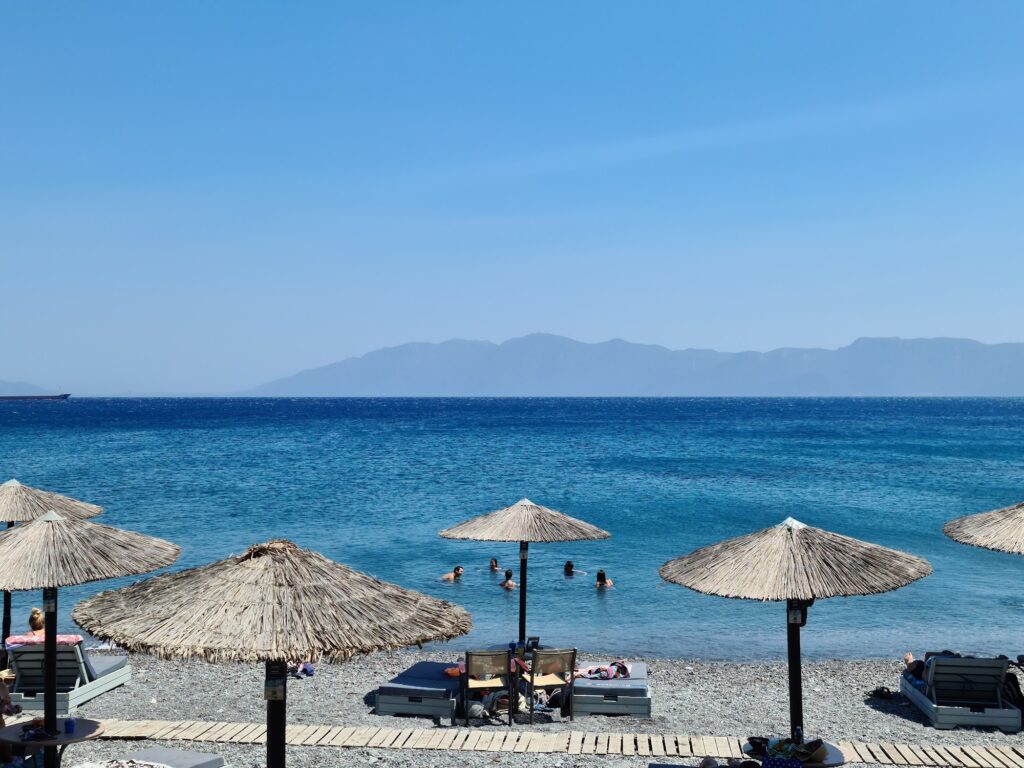
The shore mixes smooth, dark pebbles with patches of fine sand, and the water here deepens noticeably faster than the shallow lagoons found on Kos’s western side — a genuine, invigorating swim rather than a long, gentle wade. I’d recommend this stretch specifically for snorkelling, since the depth close to shore brings interesting underwater terrain within easy reach without needing to swim far out.
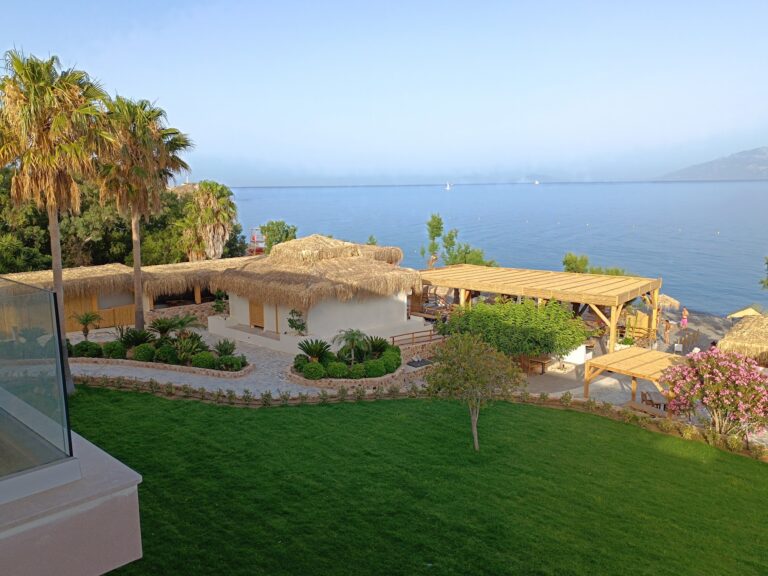
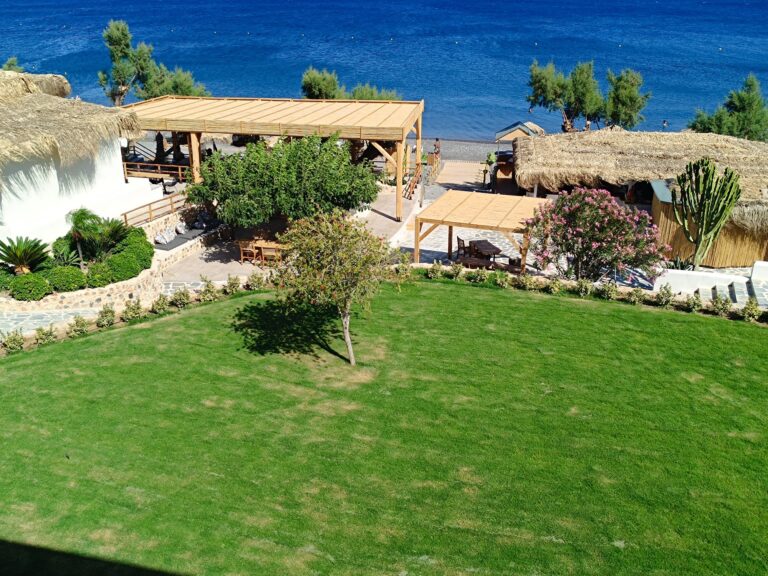
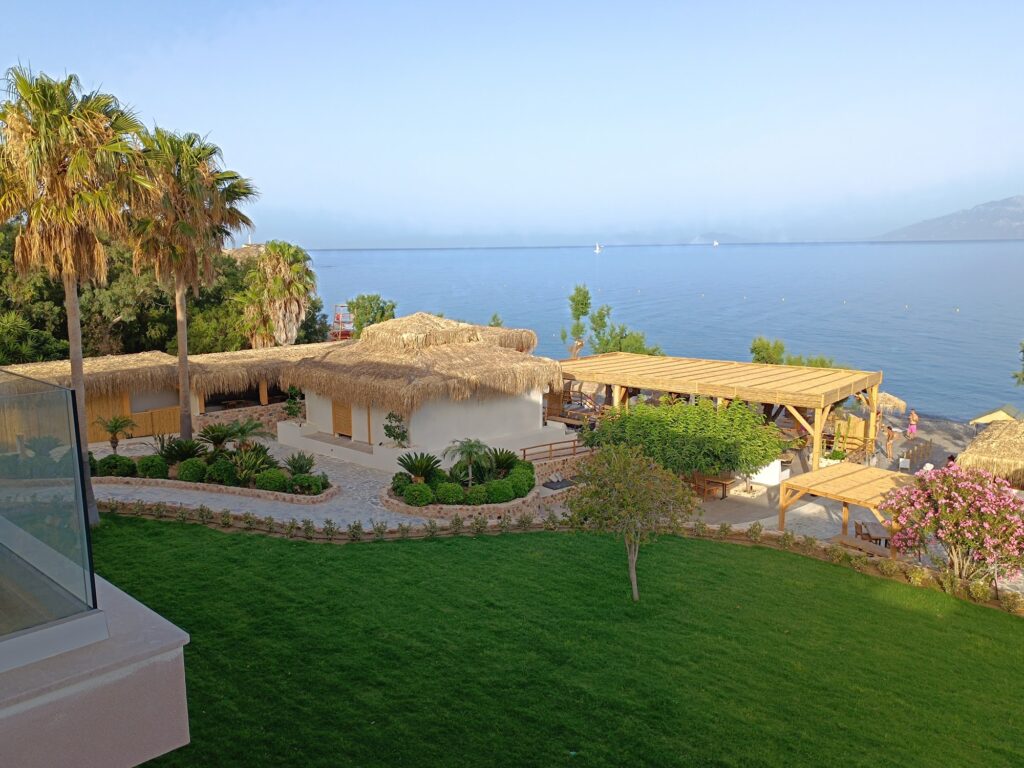
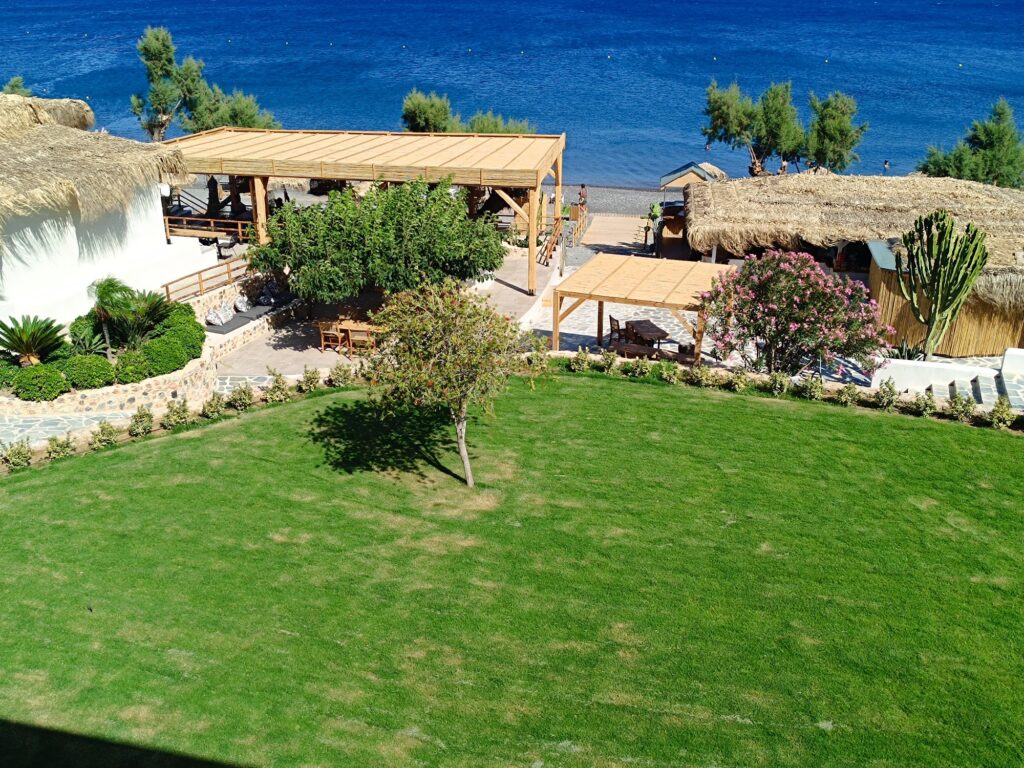
Organised sections offer sunbeds and umbrellas from the beach clubs working this stretch, with tavernas and contemporary bars close enough for an easy meal, the view across the strait taking in the coast of Turkey on a clear day. The area sits close to several of the island’s more prestigious resorts, giving this stretch a slightly more polished, settled character than some of the wilder beaches further along toward Therma.
Agios Fokas, on Kos’s southeastern coast, takes its name from a small Byzantine-era church that once stood atop a 75-metre cape at the same spot. The beach itself is pebble and fine sand, deep and good for snorkelling, with organised sections and a calmer, more settled character than its more famous neighbour. The Therma hot springs sit three kilometres further along the same coast — a genuinely separate destination worth its own visit rather than something to expect directly at Agios Fokas itself. Eight kilometres from Kos Town, reachable by car, bike, or Line 1 bus.
Drive or cycle the coastal road south through Psalidi. Bring a mask for the deeper water close to shore. Continue three kilometres further if the hot springs at Therma are what you’re actually after.
Map
Sorry, no records were found. Please adjust your search criteria and try again.
Sorry, unable to load the Maps API.
Near by places: