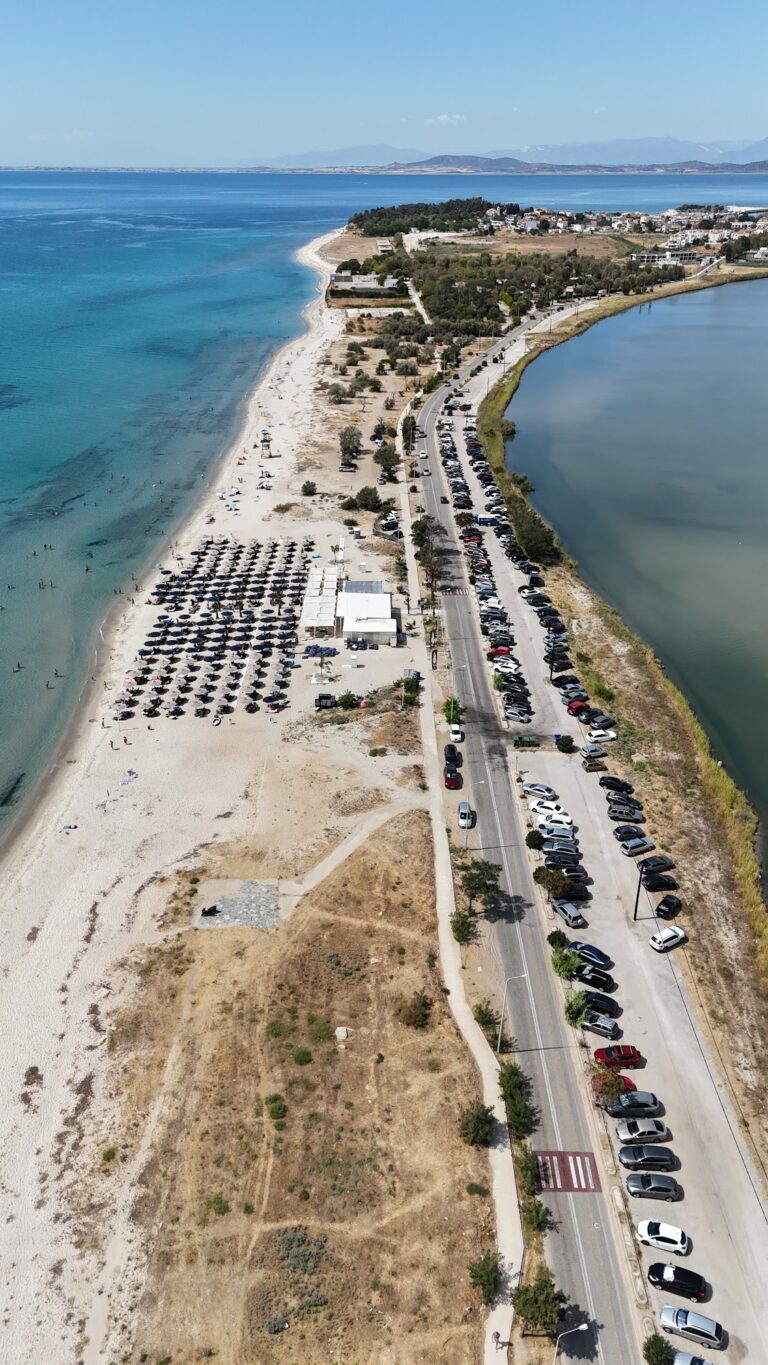
Arogi Fanari Beach: The Livelier Side of Thrace's Shore
Profile
Arogi Beach, Fanari, Thrace: The Livelier, More Beach Bar–Intensive Continuation of the Fanari Coastline, 2km East of the Fishing Port
Greece | Arogi | Rodopi Regional Unit, Thrace
Arogi Beach and Fanari Beach are two parts of the same long, continuous coastline. Arogi Beach is considered the natural continuation of Fanari Beach. Both are sandy, have shallow waters, and are awarded Blue Flags. Arogi is often described as slightly more lively with more beach bars, while Fanari Beach, especially near the port, can be quieter. Since they are connected, you can easily walk between them and choose the spot that best fits your vibe for the day.
The distinction is the operational character: Fanari port is the fishing village with the working harbour, the morning catch, and the quieter section of the beach adjacent to the village infrastructure. Arogi — 2 kilometres east — is the organised beach bar strip, the summer music, the plush sunbeds, and the more cosmopolitan beach club atmosphere.
Arogi village, named independently from the beach, sits just behind the shoreline. The coastline here is part of the broader Fanari beach zone that makes the Rodopi coast the leading summer destination in Thrace — the combination of long Blue Flag beaches, the Vistonida flamingo lagoon immediately behind, the fishing port culture of Fanari 2 kilometres west, and the proximity to Komotini and the Egnatia highway.
Getting There: 25km from Komotini, Egnatia Exit Messis/Fanari, Free Parking Behind the Beach Bars
From Komotini, drive south approximately 25 kilometres, following signs for Fanari/Arogi. The road passes through the flat agricultural plain of the Thracian coast — tobacco fields, sunflower crops, and the occasional glimpse of the Vistonida lagoon.
From the Egnatia Odos (A2), take the Messis/Fanari exit. The road is well-signed to the coast.
Free parking is available directly behind the beach bars and along the coastal road. The beach is accessible and popular for visitors arriving by car from Komotini, Xanthi, and increasingly from Bulgaria, Romania, and Serbia — the cross-border visitor base that characterises the Fanari area.
The Beach: Same Blue Flag Sandy Shoreline as Fanari, More Beach Bar Concentration, Organised and Free Sections
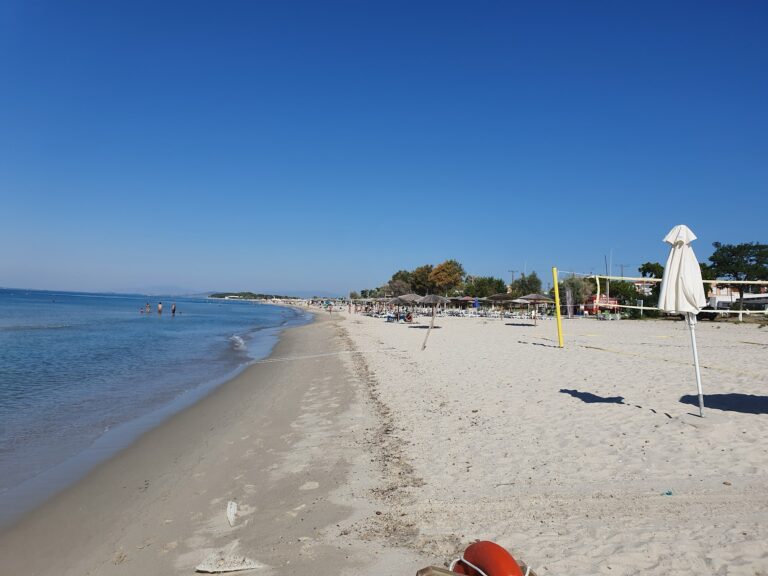
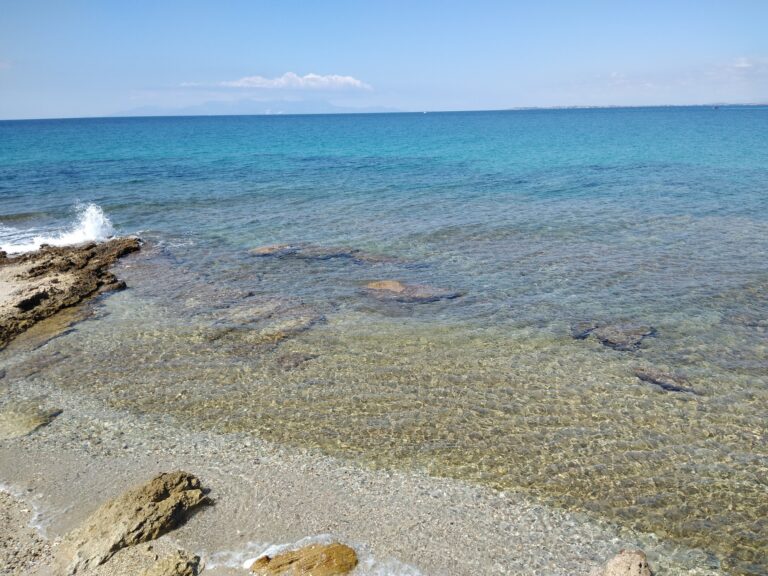
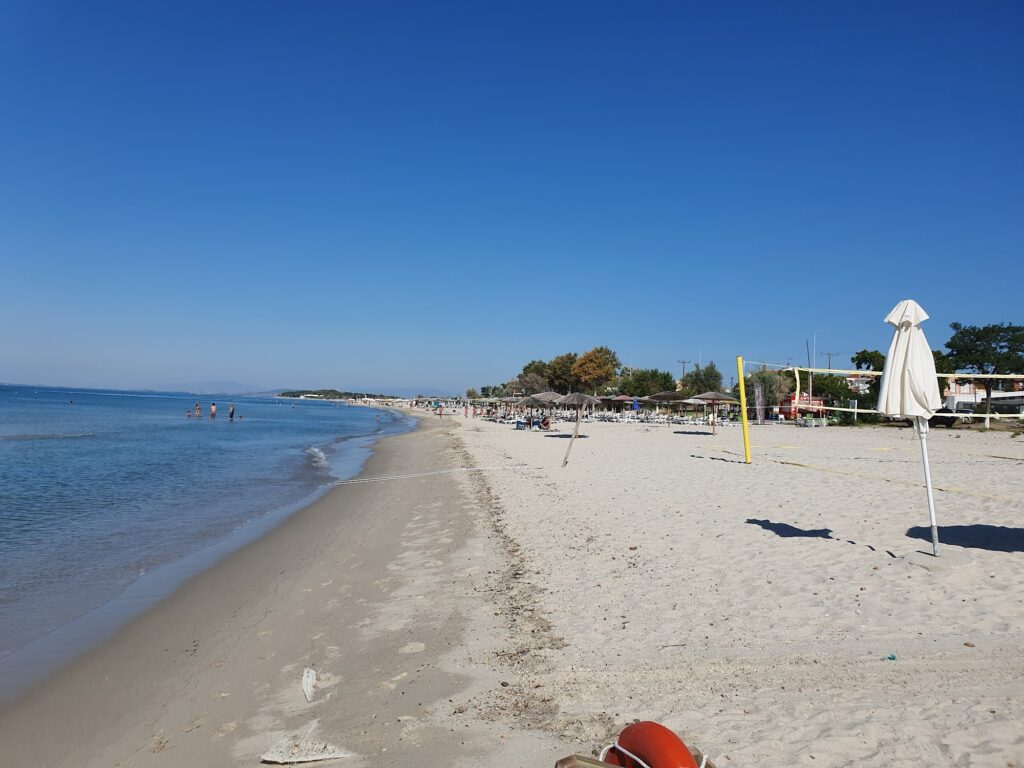
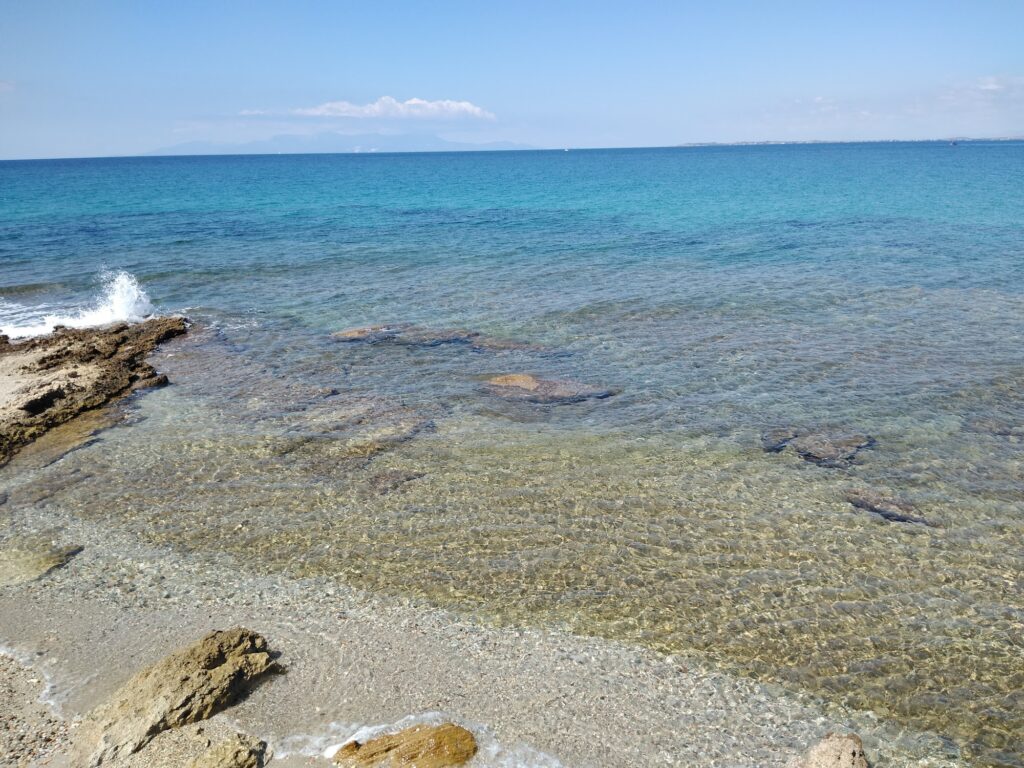
The beaches in Fanari are characterised by long, wide stretches of fine golden sand and clear, turquoise waters. The main beaches, Fanari and Arogi, are well-organised with beach bars offering sunbeds and umbrellas, but they are large enough to have quiet, unorganised sections as well. The water entry is generally very gentle and shallow.
The shallow water at Arogi — warmer than the open Aegean because the shallowness allows the sun to heat it throughout the day — is the specific family safety quality that the Thracian coastal plain beaches share. The gradual sandy seabed, the absence of rocks at the entry, and the gentle currents make Arogi consistently recommended for families with young children.
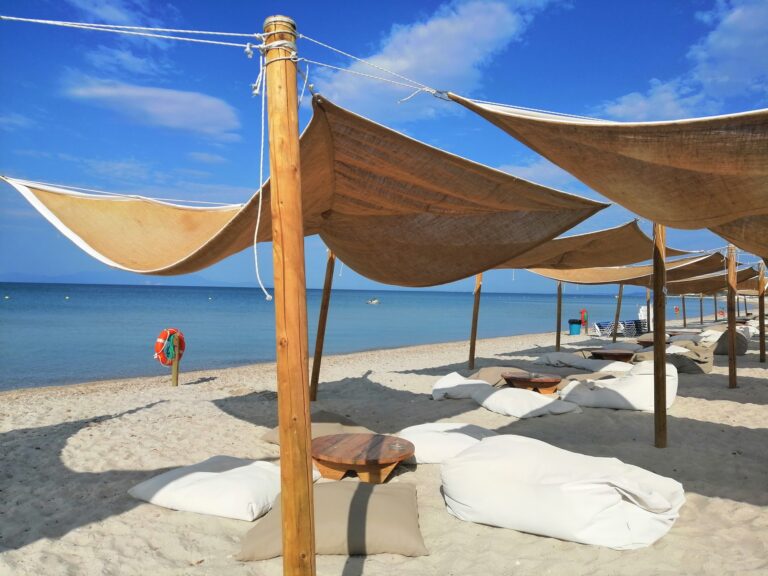
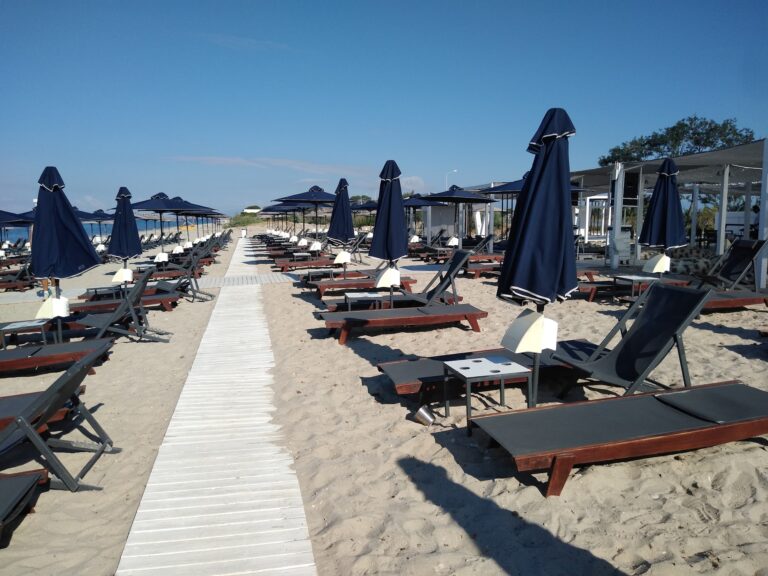
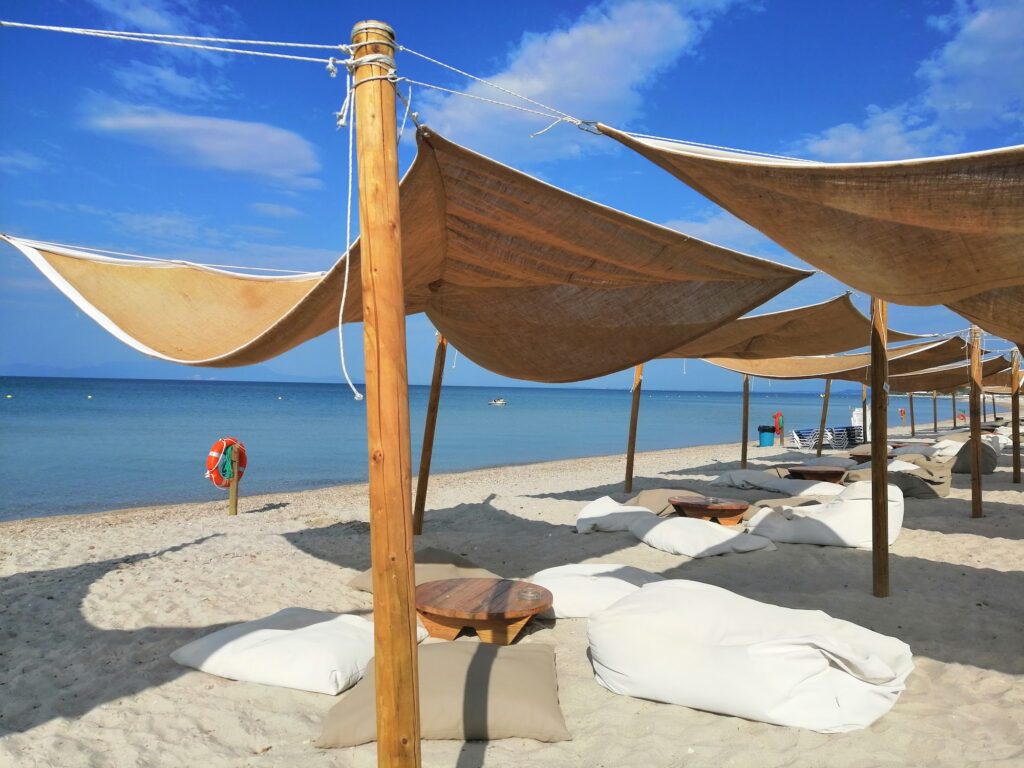
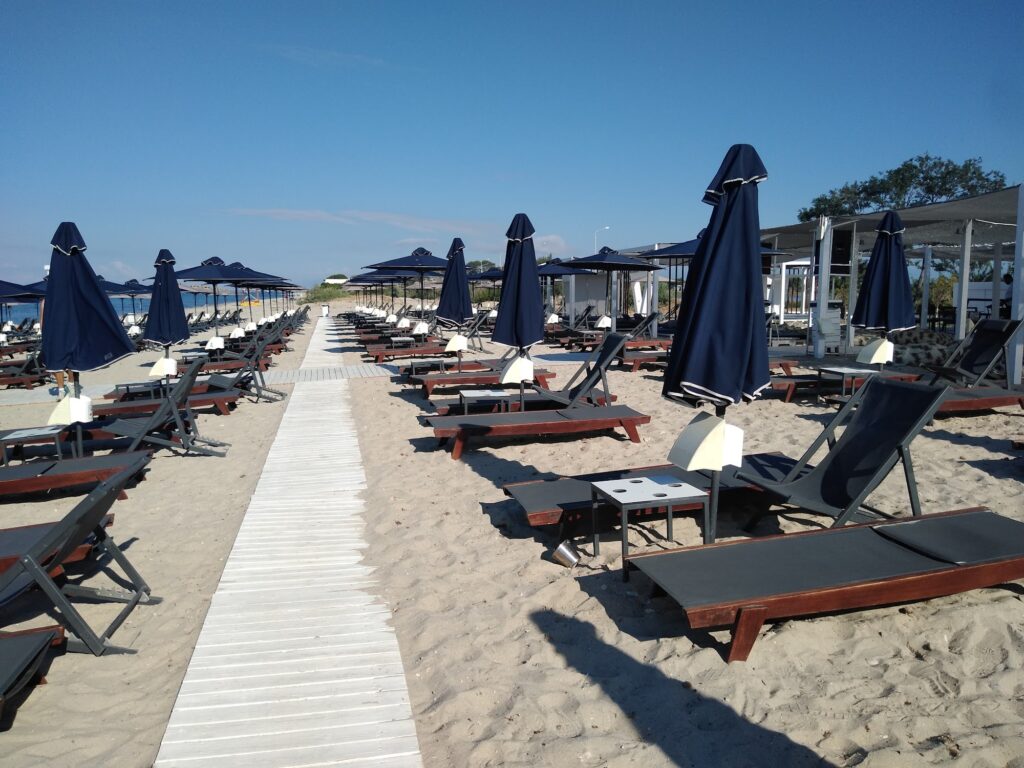
The beach bar section is the social centre — the beach clubs with plush sunbeds, umbrellas, and waiter service are the specific provision that makes Arogi the more animated section of the Fanari coastline. Sunbeds and umbrellas are often free with a food or drink order; the beach bars operate on the standard Greek summer formula.
The Atmosphere: Lively Without Being Loud, Thracian Hospitality, Sunset Music Sessions
Arogi is not a party beach in the Mykonos sense — it is the lively end of a family-oriented and nature-adjacent coastal zone. The beach clubs play mid-tempo lounge music through the afternoon, transitioning to more upbeat sets as the sunset approaches.
Fanari is known for its relaxed, calm, and nonchalant atmosphere. It is not a major party destination like some Greek islands. While there are lively beach bars with music, the overall vibe is more geared towards tranquil relaxation, family holidays, and enjoying the natural scenery.
The Thracian hospitality note is consistent: the Thrace region of northern Greece maintains a more personal, less transactional tourist culture than the heavily visited island destinations.
The Ismarida Lake and Vistonida Connection
Arogi is flanked by the Lake Ismarida and the Vistonida wetlands. Driving toward Arogi from Komotini, the road passes alongside Lake Vistonida — the fourth largest lake in Greece, a Ramsar-listed wetland and flamingo habitat. The flamingos are visible from the road, particularly in late October when the flocks are at peak numbers, but present throughout the year.
The Porto Lagos floating monastery — the 16th-century church on two small lagoon islets connected to the shore by wooden bridges, one of the most unusual sacred sites in northern Greece — is 17 kilometres northwest of Arogi, accessible as an afternoon excursion from the beach base.
Mesi Beach: The Wild Alternative Beyond Arogi
Mesi Beach, located a few kilometres east of Arogi, is a large, mostly wild beach known for its clean water and tranquil atmosphere.
The beach sequence along the Rodopi coastline — Fanari port (quiet, fishing village) → Arogi (organised beach bar, lively) → Mesi (wild, clean, tranquil) — covers the full spectrum of the northern Thrace beach character in a single coastal stretch. Visitors who start at Arogi for the beach bar infrastructure and find the music or crowd level unsuitable can drive or walk east to Mesi for immediate quiet.
Komotini: The Regional Capital, Museum, and the Route North
Komotini — 25 kilometres north of Arogi — is the regional capital of Rodopi: a multicultural city with the largest Muslim minority population of any mainland Greek city, a significant Turkish cultural heritage visible in the mosques, bazaar, and architecture, and the Archaeological Museum of Komotini with finds from prehistoric Thrace through the Byzantine period. The Philosophical Faculty of the Democritus University of Thrace is based here, giving the city a student population that drives its café and bar culture.
Arogi Beach near Fanari in Rodopi, Thrace is the livelier, more beach-bar-intensive 2-kilometre continuation of the Fanari coastline — the same Blue Flag sandy shallow water as Fanari port (2km west), more organised sunbed zones and beach club atmosphere, flamingos in Vistonida on the drive from Komotini, free parking behind the beach bars, 25 kilometres from Komotini on the Egnatia exit, Mesi Beach the wild alternative a few kilometres further east, and Porto Lagos monastery 17 kilometres northwest.
Walk west 2 kilometres for the fishing port character. Walk east a few kilometres for the quiet.
Arogi is the balance point between them.
Map
Sorry, no records were found. Please adjust your search criteria and try again.
Sorry, unable to load the Maps API.
Near by places: