Gritsa Beach Litochoro: Blue Flag Shore Below Olympus
Profile
Gritsa Beach, Litochoro, Pieria: The Blue Flag Beach at the Port of the Town Below Mount Olympus, 2km of Sand Running South to Plaka With the Mountain’s Peaks Reflected in the Harbour at Golden Hour
Greece | Gritsa | Litochoro, Pieria, Central Macedonia
Litochoro sits 5 kilometres inland from the coast, at an altitude of 300 metres, with Mount Olympus rising directly behind it. The town is the conventional base for climbing the mountain — the Enipeas Gorge trail starts at the edge of the town, and the mountaineering refuge is a day’s walk above. What most climbing guides don’t emphasise is that the coast is 5 kilometres east, and the combination of a morning in the gorge and an afternoon at the beach is the specific Litochoro programme that the locals use and the visitors who know the area use.
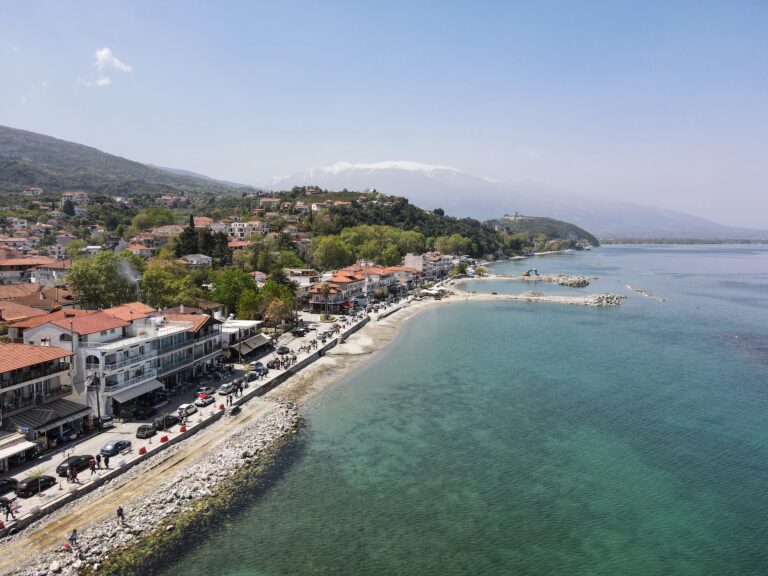
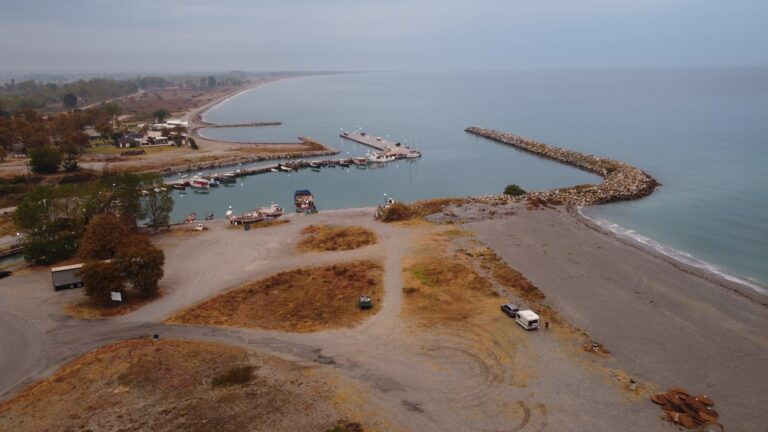
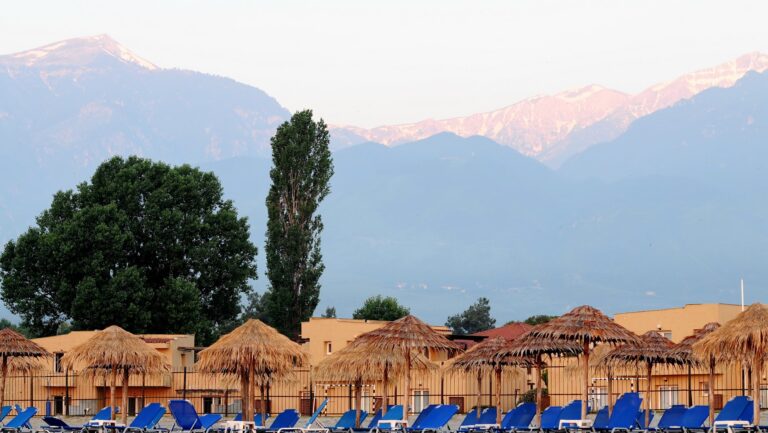
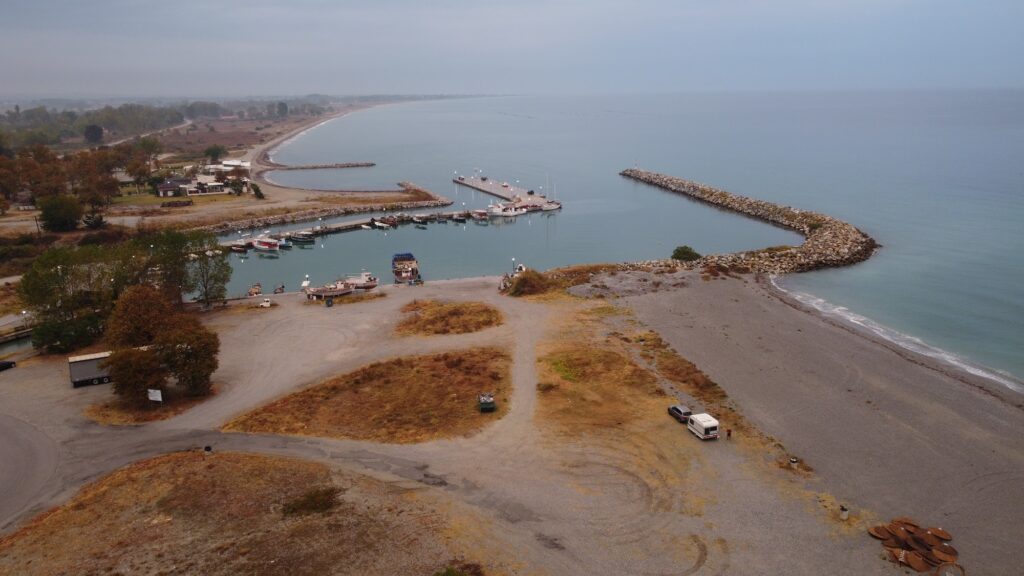
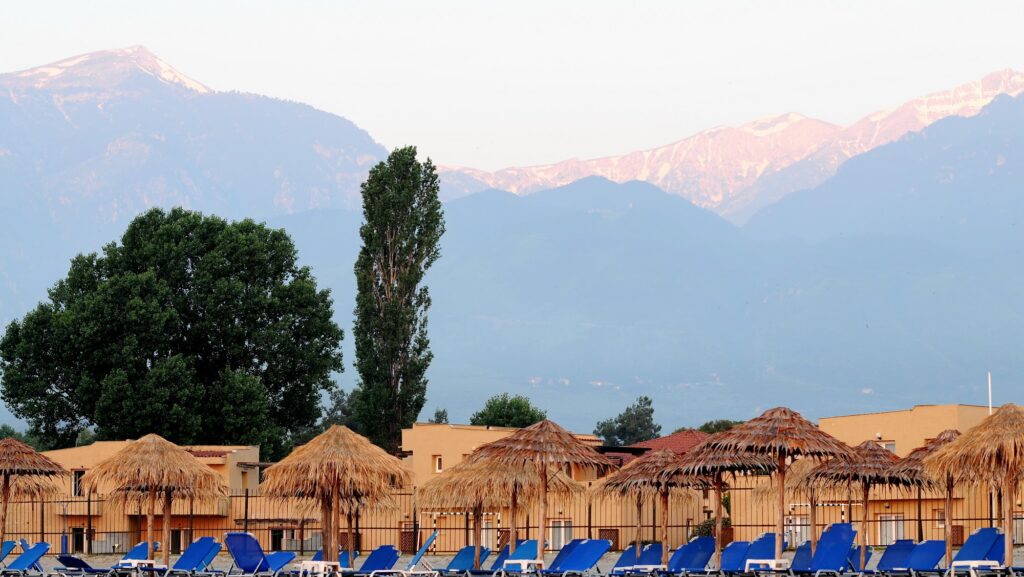
Gritsa is the coastal area north of Plaka Litochorou, extending from Plaka in the south to Variko in the north, and it serves as the restricted-capacity port of Litochoro. The small fishing harbour has Mount Olympus visible behind it — the peaks reflected in the calm harbour water at golden hour is the image that appears on every post about the area from people who were there in late afternoon. The mountain stands 2,919 metres above sea level; the harbour water is at sea level. The vertical distance visible in that single photograph is remarkable.
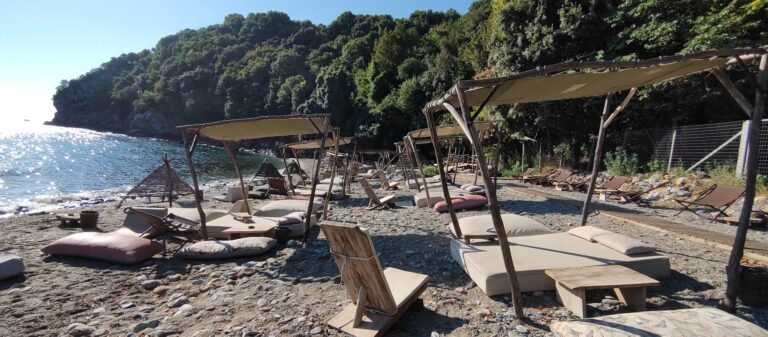
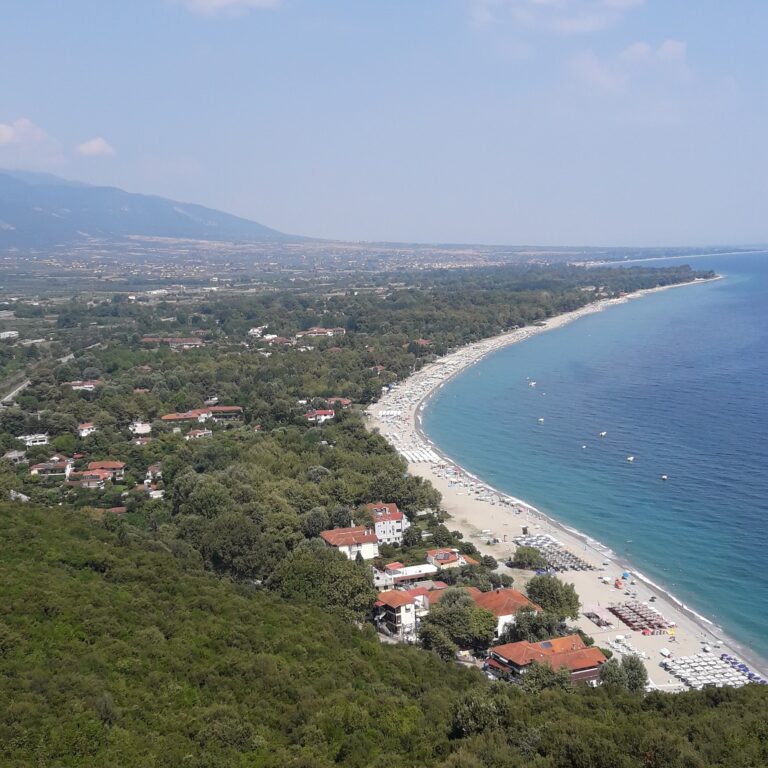
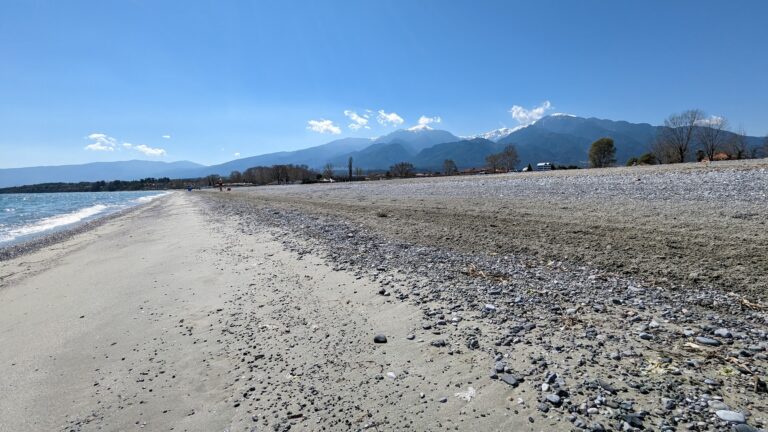
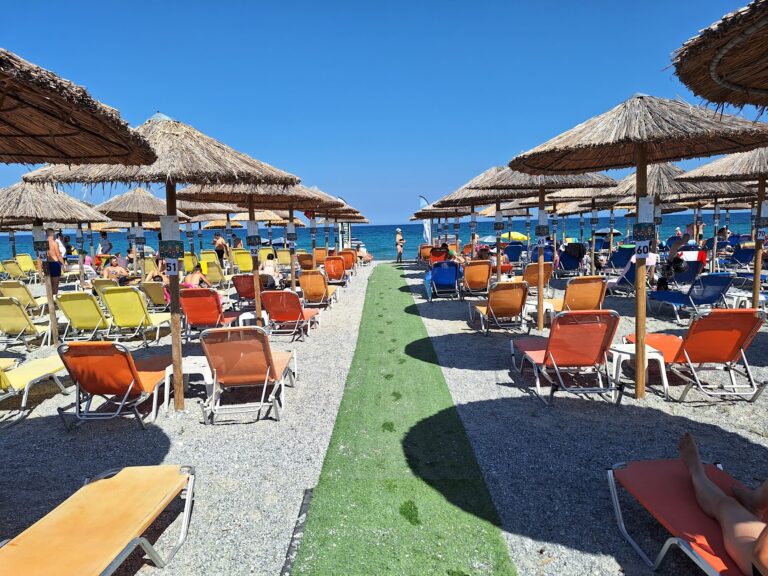
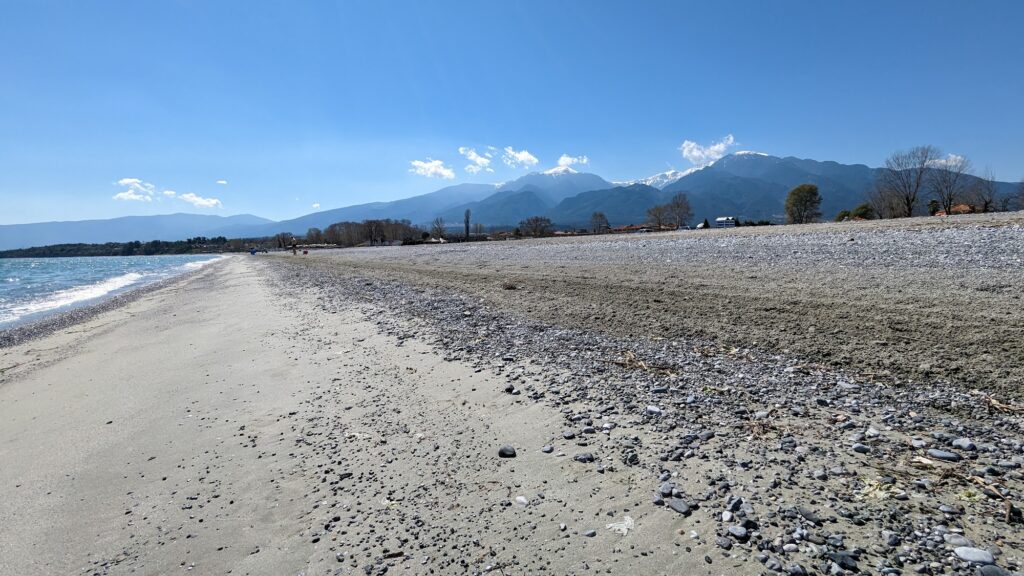
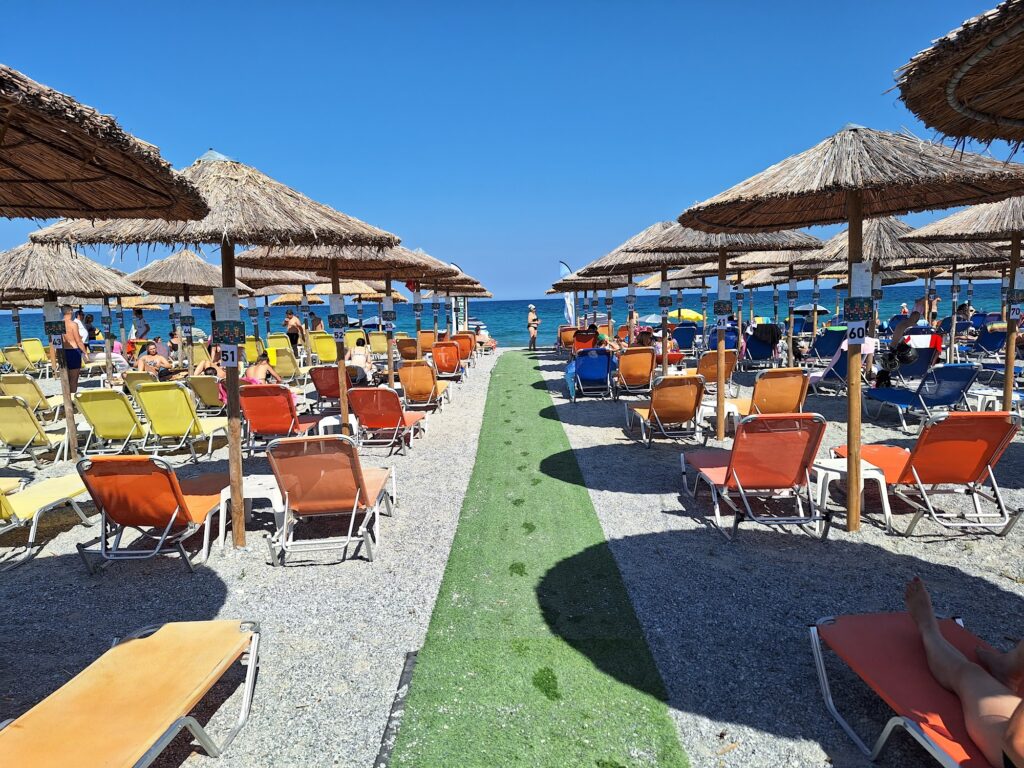
The beach has a Blue Flag and runs for 2 kilometres. The sand is a combination of pebbles and fine sand, the water clear and refreshing from the constant movement of the Thermaic Gulf. Tourist infrastructure is noticeably less developed here than at Plaka to the south, which makes Gritsa the quieter of the two. The Dion Palace Resort hotel sits in the area; otherwise, accommodation is mostly cottages and smaller guesthouses.
Getting There: 90km From Thessaloniki, E75 Exit for Litochoro, 5km East to the Coast, Bus From Katerini
The E75 Athens–Thessaloniki motorway passes through Pieria with a dedicated Litochoro interchange. From the motorway, the coast is 5 kilometres east. From Thessaloniki, the drive takes approximately 1 hour. From Katerini city, 15 to 20 minutes. From Thessaloniki Airport, roughly 90 kilometres.
The bus from Katerini to Litochoro takes 30 to 40 minutes; from the bus stop in Litochoro town a further 20-minute walk east reaches the coast, or a short taxi. The beach is also accessible directly by the road that runs along the coast between Leptokarya in the south and Variko in the north.
Parking is available near the beach and along the harbour road, typically free.
The Beach: 2km Blue Flag, Sandy and Pebble Mix, Clear Water, Less Crowded Than Plaka
The beach stretches 2 kilometres from Gritsa south to Plaka Litochorou, and the distinction between the two sections is simply a matter of how much commercial development sits behind the sand. Gritsa has fewer beach bars, fewer hotels, and noticeably fewer visitors than Plaka. For visitors who want the Mount Olympus backdrop and the clean water without the organised resort density, Gritsa is the logical choice.
The water is consistently described as clean and blue, the seabed a mix of sand and pebbles that stabilises the water’s clarity. The sea is open to the Thermaic Gulf to the north, which means occasional wind-driven waves on rough days but generally calm conditions in the mornings.
The Seafood Tavernas at the Harbour: Daily Catch, Pierian Mussels, Local Wine
The fishing harbour at Gritsa is small but working. The seafood tavernas alongside it serve what was caught that day. Pierian mussels — the Thermaic Gulf mussel farms are among the most productive in Greece — appear on most menus here. Grilled fish, octopus, and local wine from the Pieria foothills complete the picture.
The taverna experience at Gritsa is the village version rather than the resort version — unpretentious, priced for local customers, and directly connected to the boats tied up outside.
The Archaeological Site of Dion: The Sacred City of the Macedonian Kings, 10 Minutes South
Dion — the ancient sacred city of the Macedonian kingdom, where Philip II and Alexander the Great made offerings to Zeus before military campaigns — is approximately 10 minutes south by car. The archaeological site includes the sanctuary of Zeus Olympios, temples to Isis and Demeter, a Roman theatre, and an excellent museum. The mosaic floors, the statues, and the scale of the excavated city make Dion one of the most significant and least crowded major archaeological sites in northern Greece.
A Gritsa beach morning and a Dion afternoon is the specific combination that the area’s geography makes possible and that most visitors who take it remember as one of the better days in Greece.
Mount Olympus: The Mountain Visible From the Beach
Mount Olympus at 2,919 metres is the highest mountain in Greece and the mythological home of the twelve Olympian gods. From the beach at Gritsa, the mountain is the western skyline. The summit is sometimes snow-capped into June. The gorge trail from Litochoro town reaches the refuge at Spilios Agapitos (2,100 metres) in approximately 5 to 6 hours on foot — this is the start of serious climbing, not the summit. The summit (Mytikas, the highest peak) requires a further steep scramble from the refuge.
Gritsa Beach at Litochoro, Pieria is the 2-kilometre Blue Flag beach at the port of the town below Mount Olympus — less crowded and less developed than Plaka Litochorou to the south, sandy and pebble mix with clean Thermaic Gulf water, the fishing harbour with daily-catch seafood tavernas and Pierian mussels, Mount Olympus peaks reflected in the harbour water at golden hour, 90 kilometres from Thessaloniki Airport, and the Dion archaeological site of the Macedonian kings 10 minutes south.
Take the E75 exit for Litochoro. Drive east to the coast. Swim in the morning. Go to Dion in the afternoon.
Map
Sorry, no records were found. Please adjust your search criteria and try again.
Sorry, unable to load the Maps API.
Near by places: