Ammoudara, Heraklion: Where the Old Coastline Was
Profile
Ammoudara, Heraklion: A Line of Rocks 50 Metres Offshore Marks Where the Coast Used to Be
Greece | Ammoudara | Heraklion, Crete
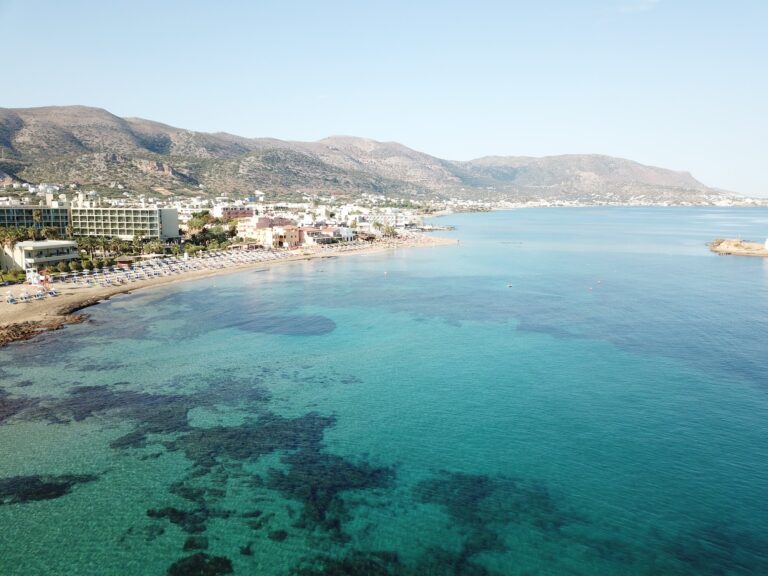
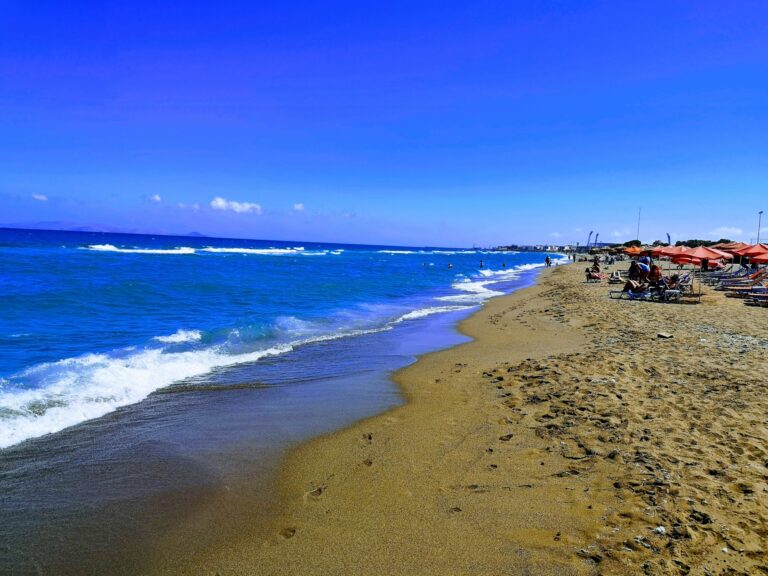
I waded out at Ammoudara and found, a good way before the water got properly deep, a line of rock running parallel to the shore, roughly 50 metres out. It isn’t an accident or a manmade breakwater — it’s believed to mark where the coastline of Crete actually sat in ancient times, before the sea reshaped this stretch into what it is today. I find that a genuinely striking thing to swim over, a fixed line in the water marking a shoreline that no longer exists, visible to anyone who wades out far enough to find it.
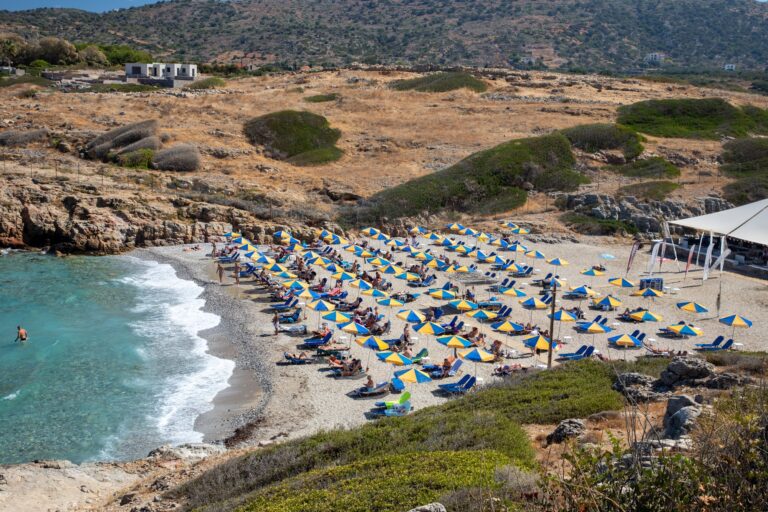
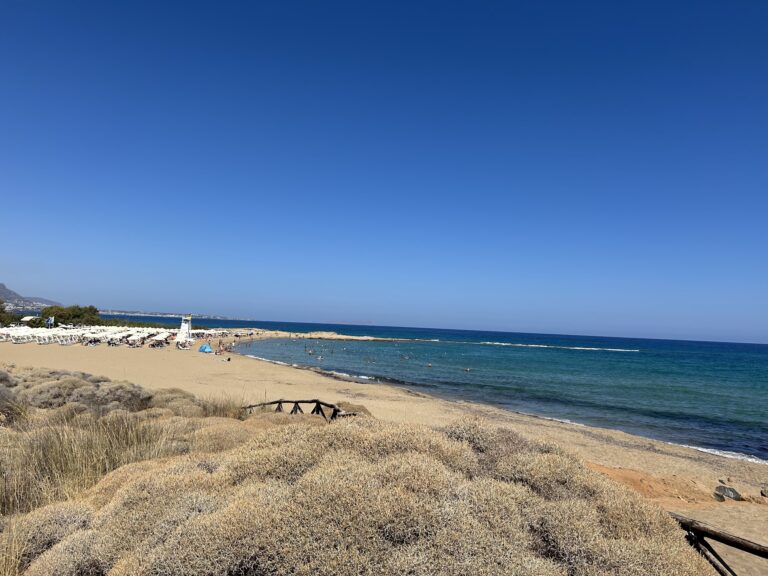
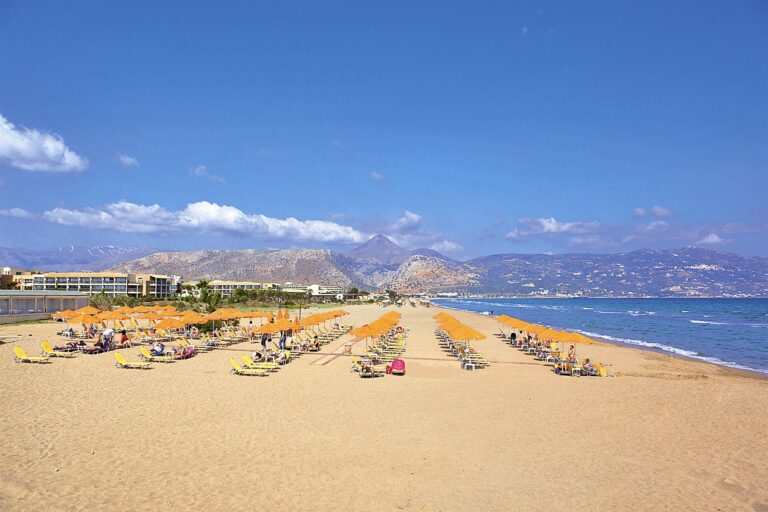
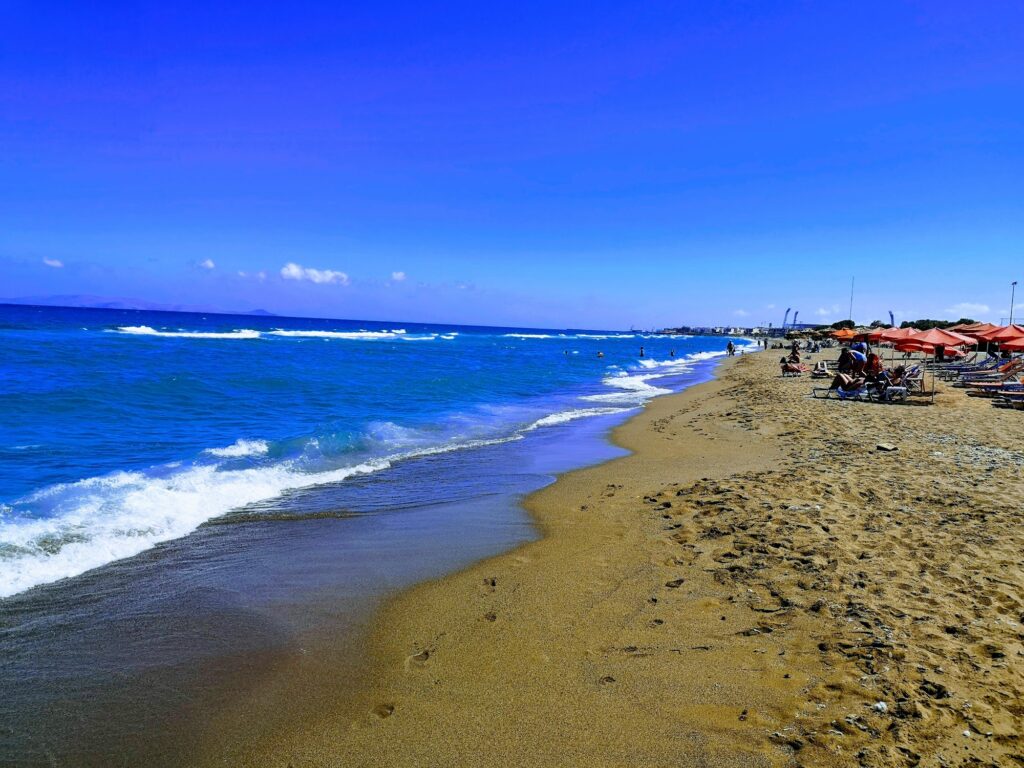
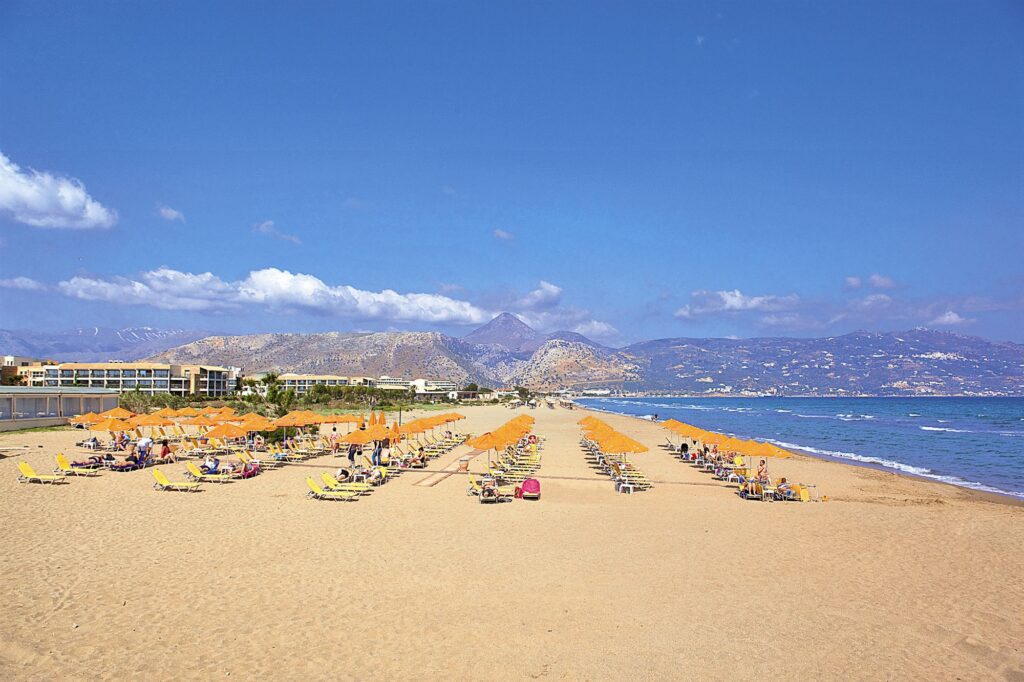
The beach itself runs a full seven kilometres, starting about a kilometre west of central Heraklion at the mouth of the Giofyros river and continuing all the way to the Almyros river. Ammoudara has effectively become a suburb of the city now, and the character of the beach shifts noticeably depending on which stretch you’re standing on. Closer to Heraklion, the sand is busier and more developed, organised sections running one after another with sunbeds, beach bars, and a steady crowd through summer. Further west, past the Pancretan Stadium, things quiet down considerably, and the stretch continuing toward the Xeropotamos wetland and its dunes offers something closer to solitude if that’s what you’re after.
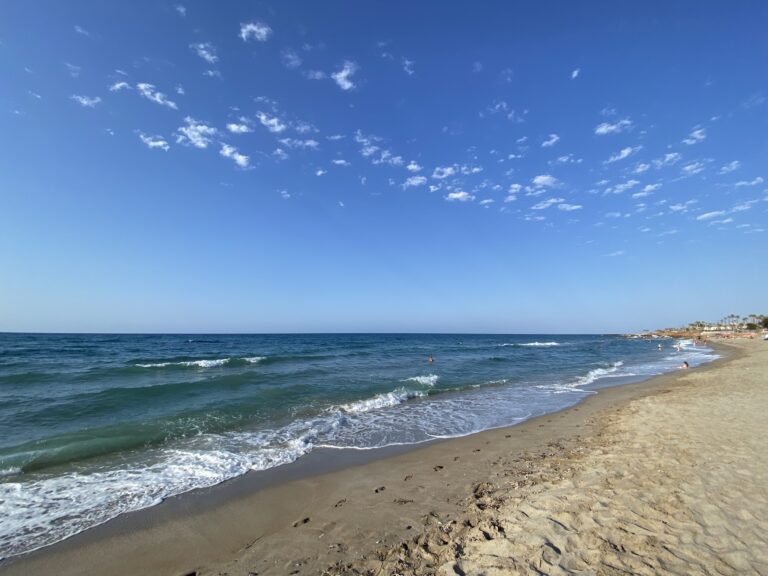
The name itself comes straight from the Greek word for sand, ammos — about as literal as a beach name gets, and entirely fitting for seven kilometres of fine, brownish-gold sand that doesn’t really need a more poetic title.
Getting There: Ten Minutes From Heraklion, Bus No. 6 the Easy Way In
I took the blue Bus No. 6 from the central station, the same route running along Andrea Papandreou Avenue, with buses every fifteen to twenty minutes and a fare of about one euro seventy — genuinely the most straightforward way to reach the beach without dealing with parking. By car, the coastal road heading west from the Pancretan Stadium area gets you there directly, with free street parking available in the side roads leading down to the shore, though I’d expect more competition for a space the closer you get to the busiest central stretch.
From Heraklion International Airport, the beach sits about nine kilometres away, a fifteen-minute taxi ride running somewhere in the region of twenty to twenty-five euros — genuinely close enough to make this a realistic first or last stop on a trip to Crete.
The Beach: Fine Brownish Sand, Steady Wind, a Genuine Windsurfing Scene
The seabed slopes gradually enough that I’d recommend this without hesitation for families with smaller children, the water shallow for a good distance before it deepens. Ammoudara’s open exposure brings steady wind through most of the year, and that wind is exactly why this stretch has built up a genuine reputation among windsurfers and kitesurfers — several dedicated centres operate along the beach, offering both equipment rental and lessons for anyone wanting to try either sport for the first time.
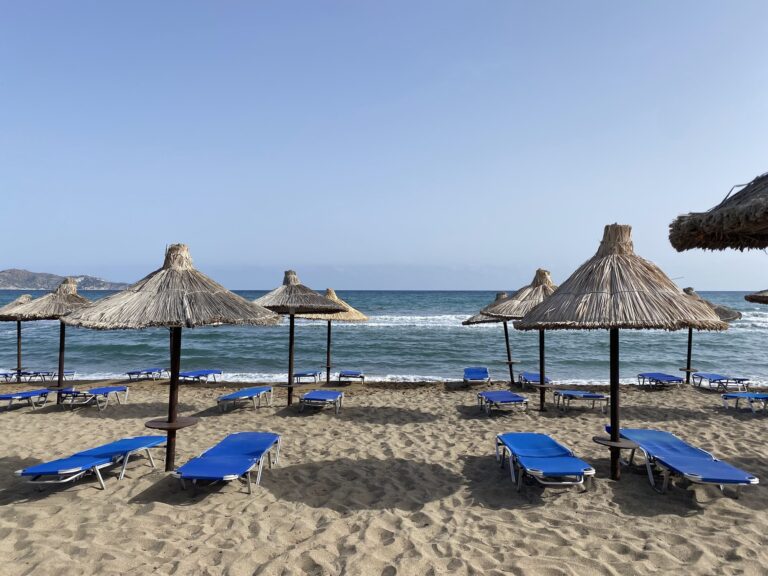
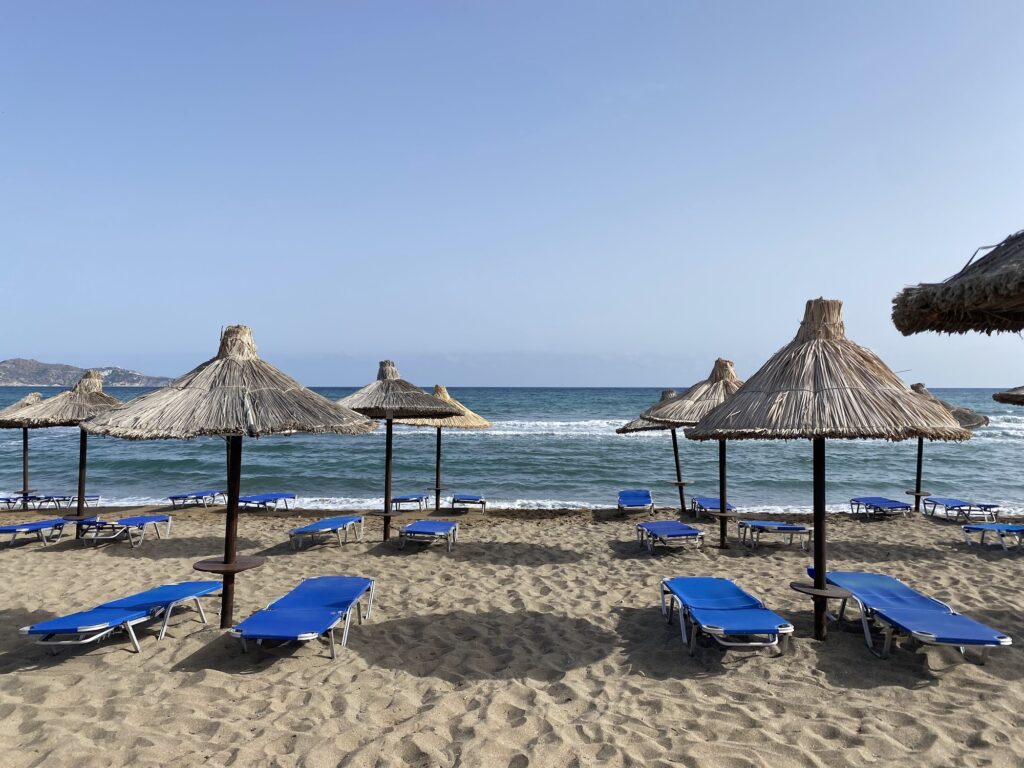
The beach holds Blue Flag certification, and amenities run the full range along the busier eastern stretch — sunbeds and umbrellas from beach bars including Heaven and Kooba, often free with the purchase of a drink, alongside changing cabins, showers, and lifeguard towers spaced along the full seven kilometres. Tavernas and cafés line the coastal road behind the sand, serving fresh seafood and Cretan specialities, and I’d genuinely recommend walking a little further from the most obviously touristic stretch to find a quieter, more local kitchen.
What Sits Nearby
Ammoudara’s location makes it a practical base for exploring further afield. The Palace of Knossos, Heraklion’s Archaeological Museum, and the Almyros Gorge all sit within easy reach, and several boat tours and parasailing operators run directly from the beach itself for anyone wanting to see the Heraklion coastline from the water rather than the sand.
Ammoudara, stretching seven kilometres west from central Heraklion, carries a parallel rocky strip roughly 50 metres offshore marking the ancient Cretan coastline — a genuine, swimmable piece of geological history rather than a manufactured feature. The sand is fine and brownish-gold, the entry gentle, and the beach holds Blue Flag certification with a strong, well-established windsurfing and kitesurfing scene thanks to steady year-round wind. The eastern stretch toward the city is busier and fully organised; the western stretch toward the Xeropotamos dunes offers a genuinely quieter alternative. Ten minutes from Heraklion centre by Bus No. 6, fifteen from the airport.
Take Bus No. 6 for the easy way in, or drive and park in the side roads. Swim out far enough to find the rocky strip and the ancient coastline it marks. Head west past the Pancretan Stadium if the busier eastern stretch isn’t what you’re after.
Map
Sorry, no records were found. Please adjust your search criteria and try again.
Sorry, unable to load the Maps API.
Near by places: