Lastovo Archipelago Nature Park: Croatia's Remote Isle
Profile
Lastovo Archipelago Nature Park: The Woodiest Island, the Darkest Sky, and the Furthest Inhabited Point from the Croatian Mainland
Croatia | Lastovo Island | South Dalmatia
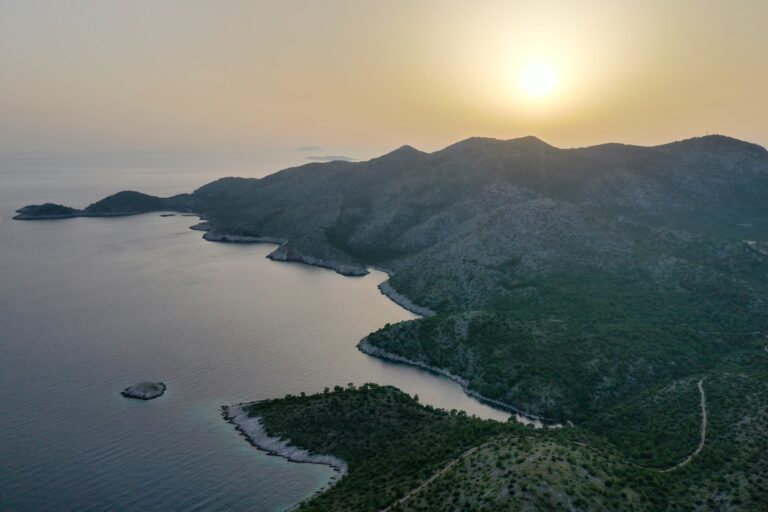
Lastovo is the most distant inhabited island from the Croatian mainland. The ferry from Split takes approximately five hours. This is not a fact to mention in passing — it is the organising condition of every aspect of life on the island and of every visit to it. The distance from the mainland is why the water is the clearest in the Adriatic. It is why 70% of the island’s surface is forested — there was never the development pressure that stripped the mainland coast. It is why the light pollution is low enough to see the Milky Way from the hills. It is why the population is small, the ferry schedule is limited, and the pace of life is, as every visitor account notes, genuinely slow rather than performatively slow.
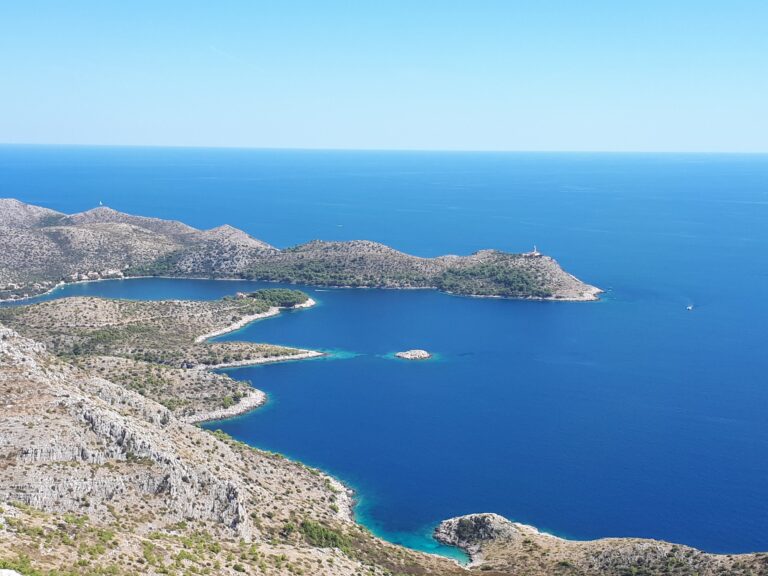
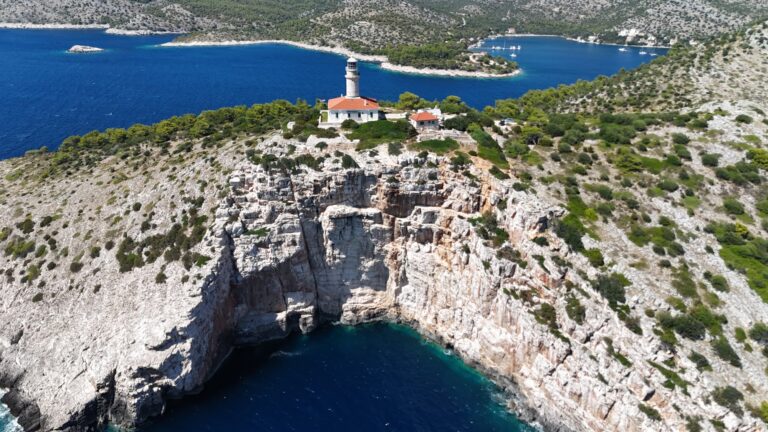
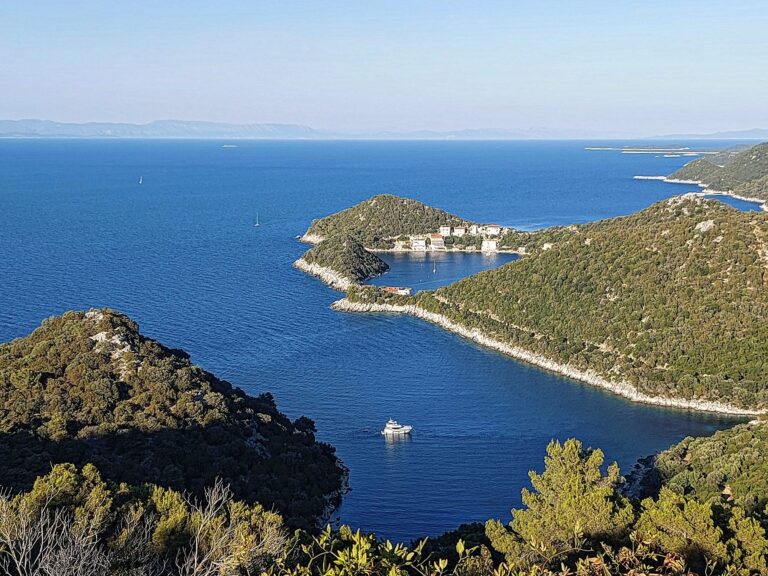
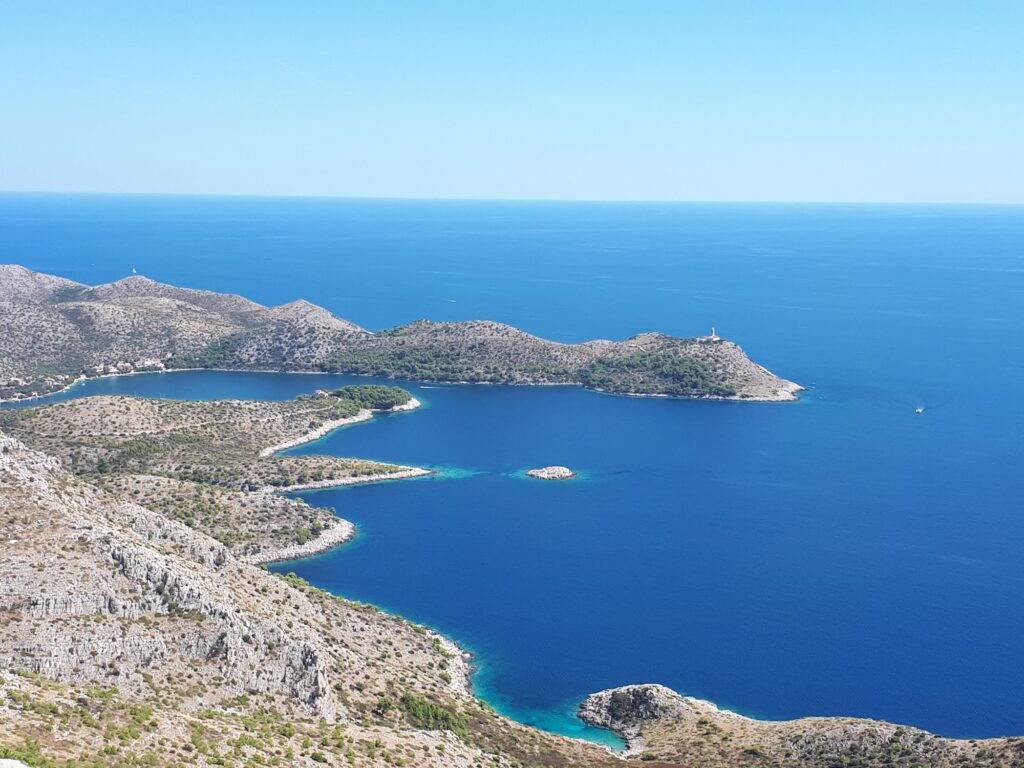
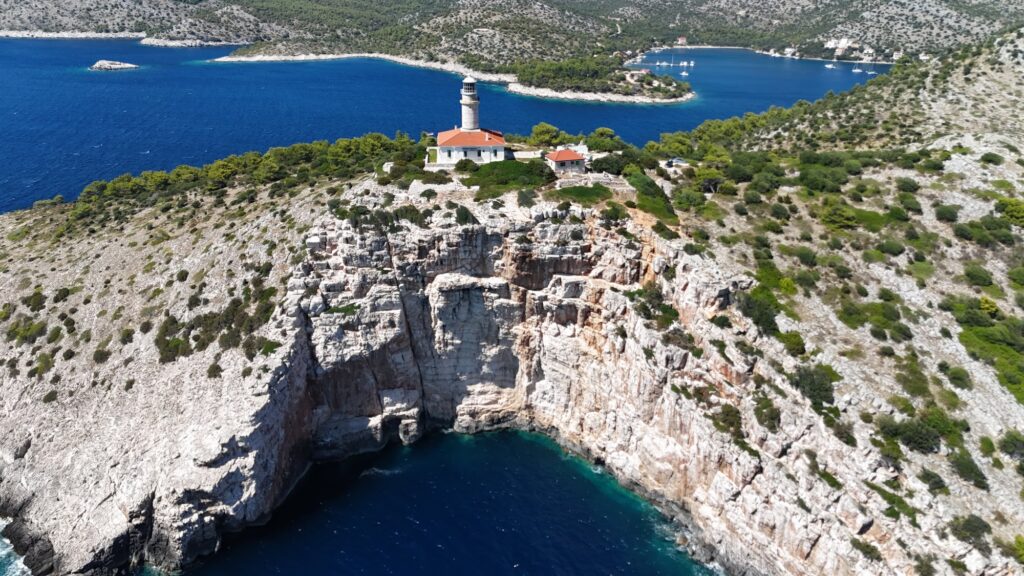
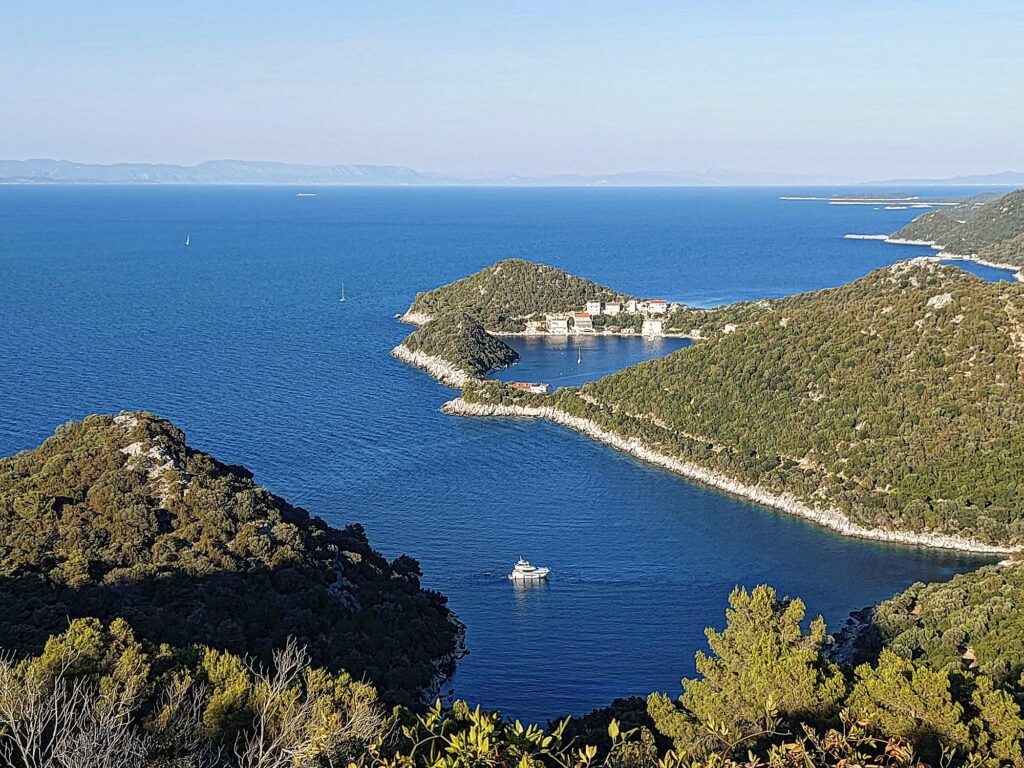
The Lastovo archipelago consists of 46 islands, islets, and rocks. The island of Lastovo is the largest and only inhabited one. The nature park covers 196 square kilometres — 53 on land and 143 of sea surface. Approximately 70% of the island is covered with forest, making it the woodiest Croatian island after Mljet. The forest is Aleppo pine and holm oak and strawberry tree — the Mediterranean macchia at its densest and most intact. The archipelago became a nature park on 29 September 2006, the eleventh nature park in Croatia.
Getting There: The Five-Hour Ferry from Split, by Catamaran, or by Private Boat
The Jadrolinija ferry from Split to Ubli on Lastovo covers the furthest scheduled ferry route in the Croatian network — the island’s position in the far south of the Dalmatian chain, south of Korčula and west of the Pelješac peninsula, placing it at the limit of the practical day-return journey from any major port. The ferry takes approximately 5 hours; the catamaran is faster but operates on a more restricted schedule. The route also serves Hvar, Vela Luka on Korčula, and Ubli via connections, and connections from Dubrovnik are also possible, covering Korčula and Lastovo.
Visitor accounts are consistent on one specific advice: do not come for a weekend. The ferry journey times and the limited schedule mean that a meaningful visit to Lastovo requires a minimum of a week. Coming for three or four days is possible but leaves most of the island’s coves, trails, and surrounding islets unexplored. Coming by private boat — from Korčula, Mljet, or Vis — is the way that the sailing community uses the island, and the archipelago’s numerous protected anchorages make it one of the most rewarding sailing destinations in the Adriatic.
Freshwater is limited on the island — the limestone karst does not retain it, and locals obtain drinking water by desalinating brackish water. Bringing your own water supply is the visitor advice that the more experienced travel accounts emphasise. The only hotel on the island is in Pasadur. Private accommodation is available in the island’s settlements. The infrastructure is limited and intentionally so.
The Swimming and the Beaches: Skrivena Luka, Kopište, Saplun, and the Wild Coves
The swimming at Lastovo is defined by the same qualities that the distance from the mainland produces: water visibility that regularly exceeds 30 metres, the Posidonia oceanica seagrass meadows in the shallow coastal areas that are the most reliable indicator of pristine Adriatic water quality, and the marine biodiversity of a protected area where 330 invertebrate species have been documented including gold coral and red coral.
Skrivena Luka — the name means Hidden Harbour — is the bay on the southern side of the island that provides the best all-round protection from wind. The southern bay of Veliki Lago offers well-protected anchorage, and Skrivena Luka offers the best protection from bora and west winds. The bay has the specific enclosed character that the name describes — a narrow entrance that opens into a broad, calm basin surrounded by the Aleppo pine slopes of the southern island coast.
The sandy beaches of the archipelago are on the surrounding islets rather than on Lastovo itself. Kopište and Saplun are the most attractive sandy beaches of the surrounding islets. Reaching them requires a boat — either a rented vessel from the island’s settlements or a water taxi — which is the specific access condition that makes the sandy coves of the outer archipelago feel genuinely remote.
For pebble beaches on the main island, Mihajla and Lučica are the named coves with accessible pebble shores and clear water for swimming.
The Yugoslav Military History: Restricted Zone Until 1990
Lastovo was a restricted Yugoslav military zone from after World War II until the dissolution of Yugoslavia — closed to tourists from abroad and accessible to Yugoslav citizens only with special permission. The island’s military infrastructure, which included submarine tunnels, ammunition storage points, and the remains of military installations in the bays, is now accessible as part of the hiking and exploration programme that the nature park manages. The ex-JNA (Yugoslav People’s Army) installations are specifically mentioned by visitor accounts as historical features worth exploring on foot.
The military closure is the reason that Lastovo was undeveloped through the peak decades of Yugoslav and early post-Yugoslav coastal tourism development — the period during which Hvar, Brač, Korčula, and the rest of the Dalmatian island chain built their tourist infrastructure. Lastovo missed that development pressure entirely, and the intact forest cover, the unbuilt coastline, and the absence of resort infrastructure are the direct result.
The Dark Sky: Stargazing at Croatia’s Most Isolated Point
Lastovo is known to amateur astronomers for its low light pollution and open view to the south. On clear nights from the hills, you can see the night sky full of stars and the Milky Way particularly well. The combination of the island’s distance from the mainland, the small resident population (fewer than 800 people), and the open southern horizon toward Italy makes the night sky at Lastovo the darkest of any inhabited Croatian island. The source article’s characterisation of this as “one of the darkest skies in Europe” is consistent with what the astronomical community notes about the South Dalmatian archipelago’s light pollution conditions.
The hill of Hum at 417 metres is the highest point on the island and provides the most complete panoramic night view — the full southern horizon open toward the open Mediterranean, the lights of Korčula visible to the north, and the Milky Way arc crossing overhead on clear summer nights.
The Poklad Carnival: The 15th-Century Pirate Ritual
The Poklad carnival is the annual folk ritual of Lastovo that revives the memory of a 15th-century event — the account varies in specific detail across sources, but the core narrative is that Lastovo islanders repelled or were attacked by Turkish or Catalan pirates, and the carnival that commemorates this event involves the public ritual burning of an effigy dressed as a pirate, followed by folk dance, traditional costumes, and the community gathering that makes the carnival the most attended annual event on the island. The date is linked to the Shrove Tuesday calendar. It is a UNESCO Intangible Cultural Heritage designation candidate and is the most specific cultural identity marker of Lastovo as a distinct island community.
The Fumari: Lastovo’s Architectural Landmark
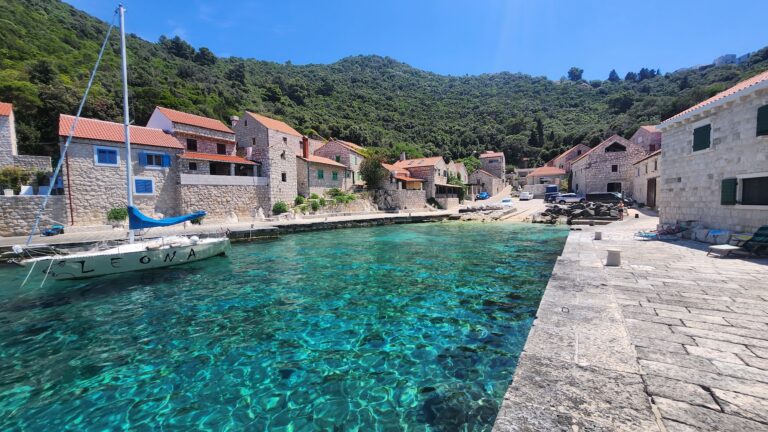
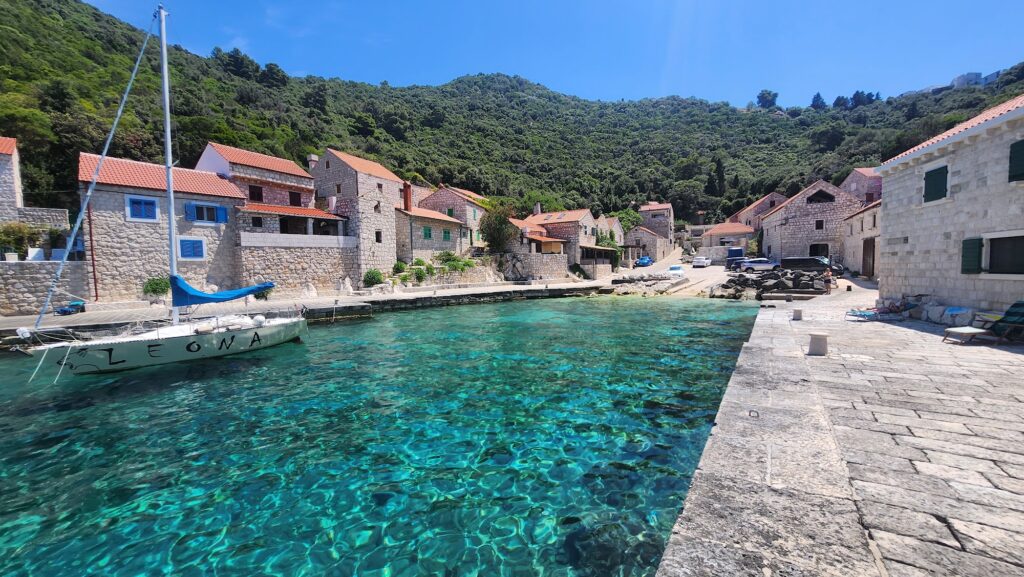
The fumari — the decorative Renaissance chimneys of the Lastovo town buildings — are the architectural feature that distinguishes the island’s main settlement from every other town on the Dalmatian coast. The chimneys are tall, ornamental, and multi-tiered, with a specific Venetian Renaissance form found nowhere else in Croatia in this concentration. The town of Lastovo is entirely protected as a cultural monument because of its Renaissance architecture and amphitheatrical building style — the houses arranged in terraces on the hillside facing the valley, with the fumari projecting above the rooflines.
Lastovo Lobster, Sardines, and the Zero-Mile Kitchen
Lastovo lobster is the specific food reputation of the island — the Adriatic spiny lobster (Palinurus elephas) that the Lastovo waters support in greater numbers than most parts of the coast, partly because of the protected marine status of the archipelago and partly because of the water quality that the distance from the mainland maintains. The lobster is served grilled or in the buzara broth at the island’s konobas, and the freshness of the ingredient — caught from boats that still working according to a traditional fishing culture that the military closure preserved — is the specific quality that visitor accounts identify as the memorable thing about eating on Lastovo.
The sardines on a spit (srdela na ražnju) are the simpler version of the same zero-distance kitchen — fish from the sea in front of the konoba, grilled outdoors, with the island’s own olive oil.
Lastovo Archipelago Nature Park is the furthest inhabited island from the Croatian mainland, the woodiest island after Mljet, the clearest water in the Adriatic, the darkest sky of any inhabited island in the country, and the annual burning of a pirate effigy in February.
Take the five-hour ferry from Split. Bring your own water. Come for at least a week.
The Milky Way will be visible from Hum on a clear night.
Map
Sorry, no records were found. Please adjust your search criteria and try again.
Sorry, unable to load the Maps API.
Near by places: