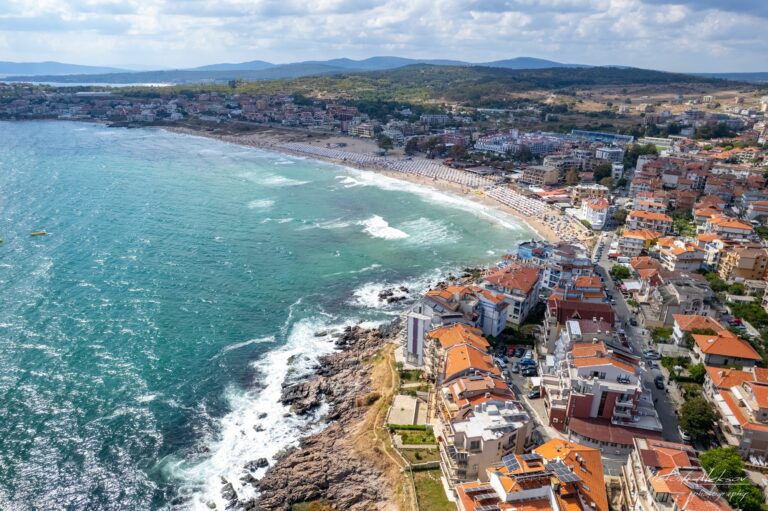
Sozopol Central Beach Bulgaria: Below Ancient Walls
Profile
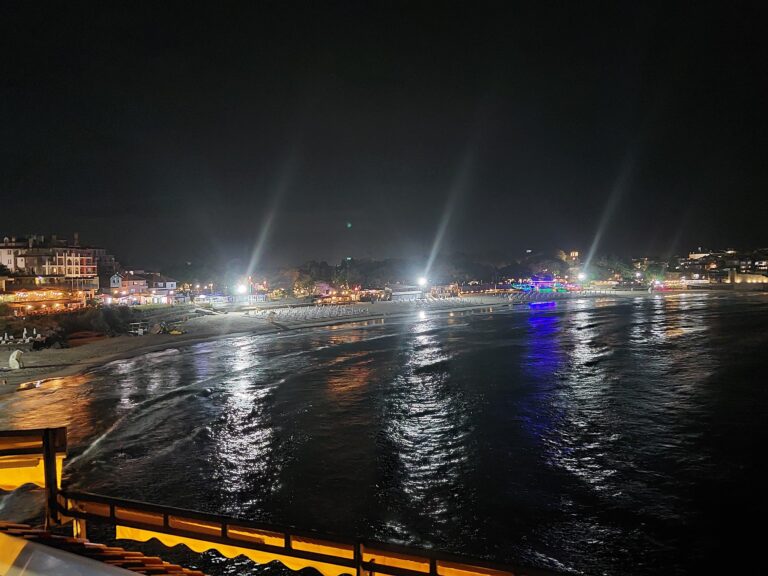
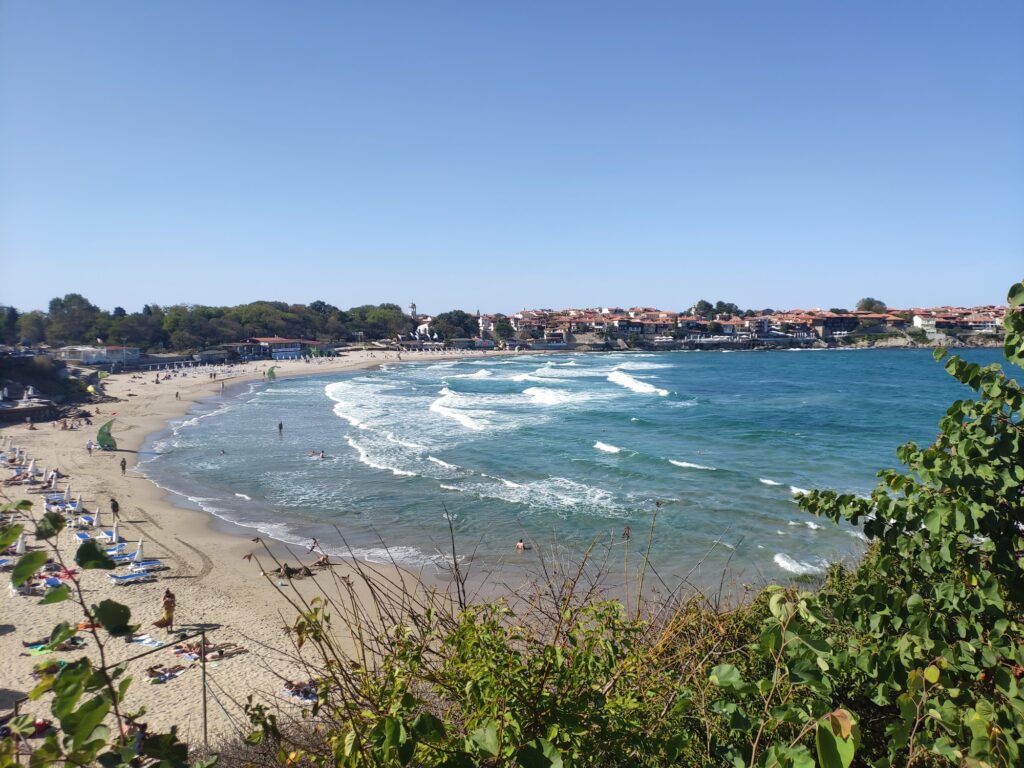
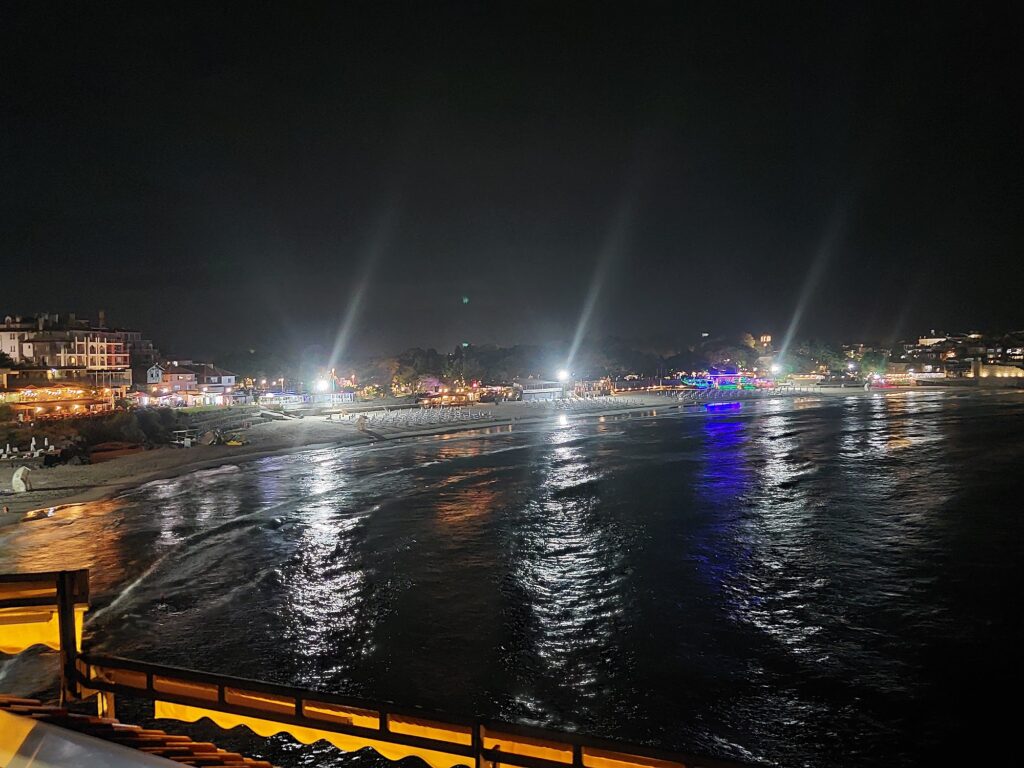
Sozopol Central Beach, Bulgaria: The Town Beach Below the 6th-Century Fortress Walls of Apollonia Pontica, Where the Relics of Saint John the Baptist Were Found Offshore
Bulgaria | Sozopol | Burgas Province, Southern Black Sea Coast
Sozopol was founded by Greek colonists from Miletus in the 7th century BC as Apollonia Pontica — the Apollonia of the Black Sea. The fortress walls that tower above the central beach were first built at the end of the 6th century BC; archaeological studies confirmed this chronology when the wall foundations were excavated. The town was subsequently Byzantine, Bulgarian, Ottoman, and finally Bulgarian again — each period leaving a layer visible in the old town today.
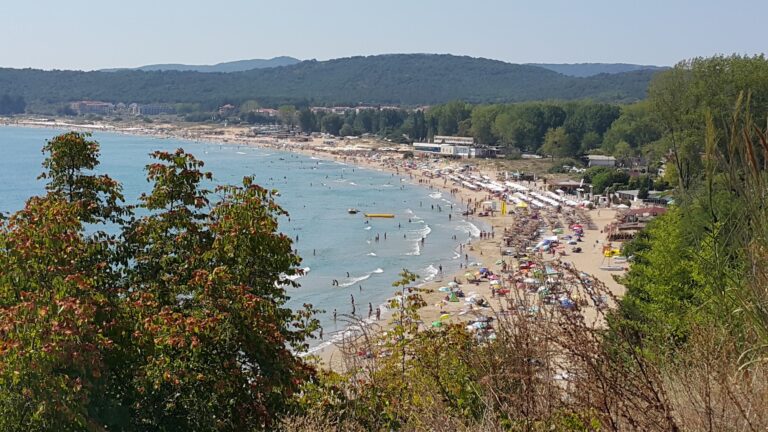
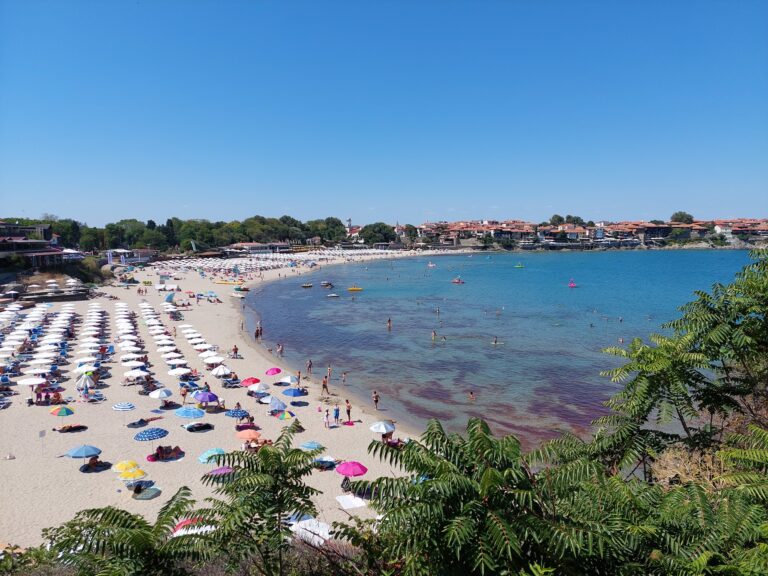
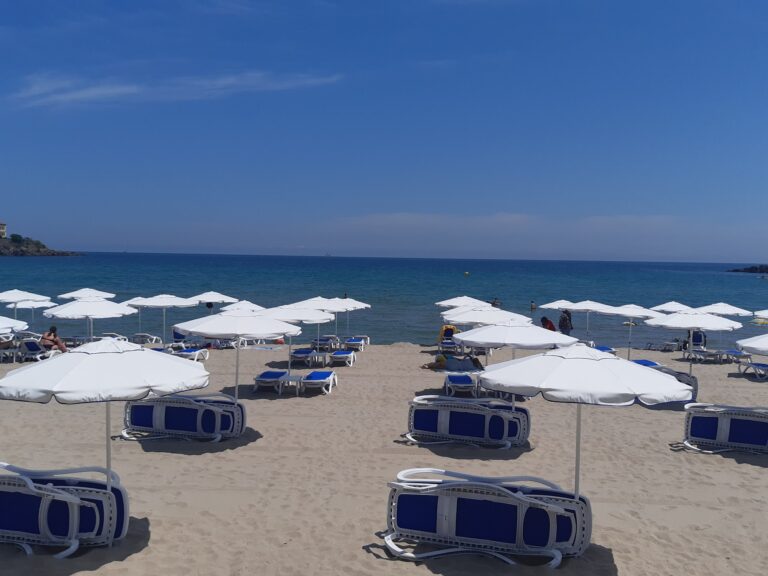
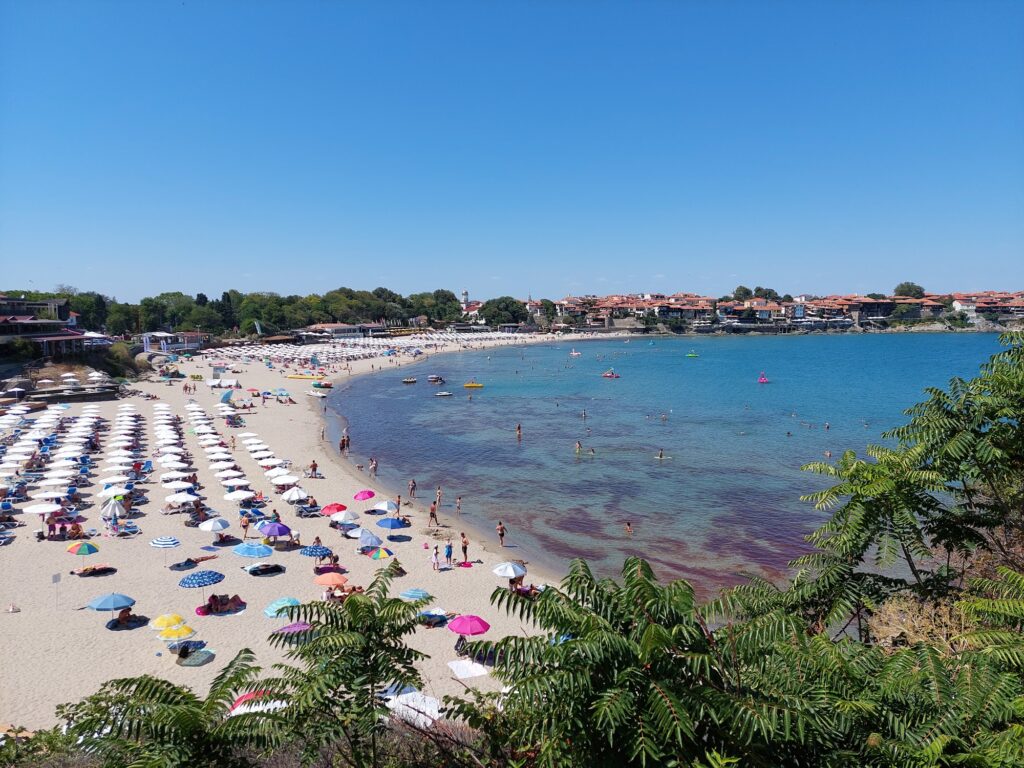
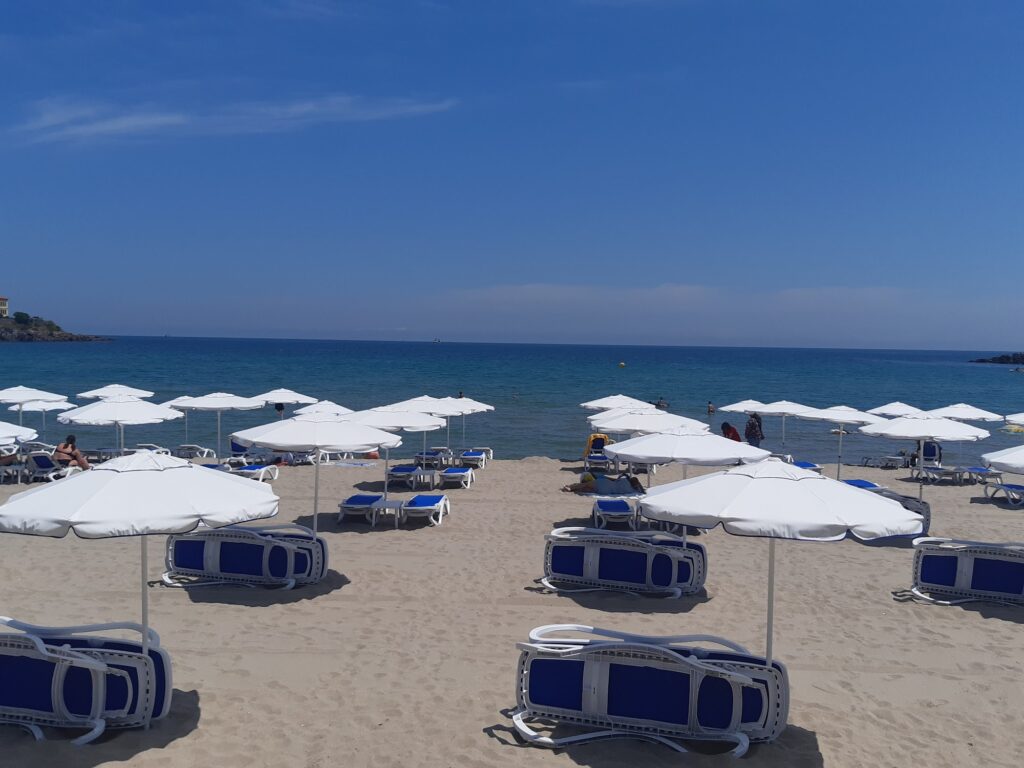
The central beach has a big strip. Big part of it is occupied by paid parasols, but there is also a zone for placing your own beach towel and parasol. Water is clean, shallow, warm, and still.
Sozopol boasts two superb beaches with lovely swimming — the central beach in the Old Town and the Harmani (New Town) Beach. Both are organised beaches which are very clean with excellent swimming in crystal clear water.
The honest context: The town is a small one, but in the active season it is overcrowded all the time, so are its streets, eateries and shops. The central beach is the most popular and most convenient beach in Sozopol — and consequently the most crowded in July and August. The combination of the old town atmosphere and the beach access makes it a specific Bulgarian Black Sea experience that is distinct from the resort beaches further north.
Getting There: 35km from Burgas by Bus, 30 Minutes, Street-Level Beach Access from the Old Town
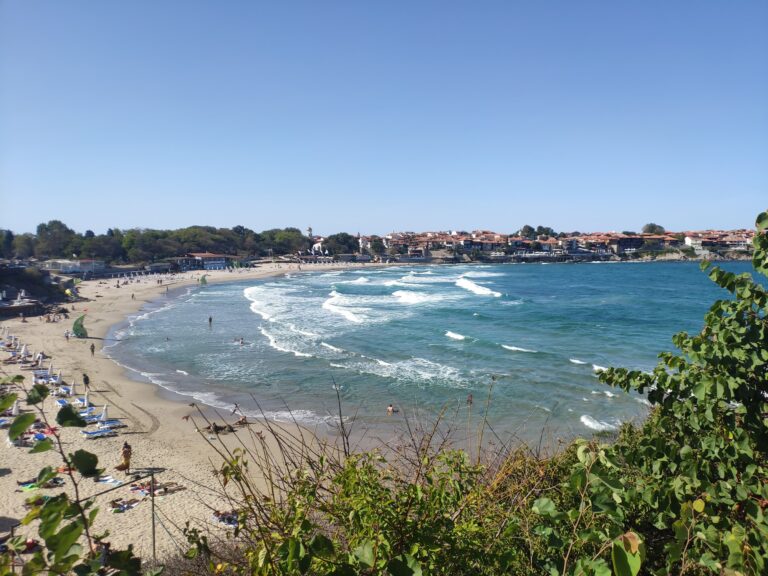
Sozopol Central Beach is situated on a picturesque bay along the Bulgarian Black Sea coast, a small but historic town located 35km south of Burgas.
From Burgas, the bus to Sozopol takes approximately 30 to 40 minutes and runs frequently throughout the day. The main bus station in Sozopol is a few hundred metres from the beach entrance. From Burgas International Airport, the drive takes approximately 40 minutes.
From the Old Town: the beach is a 5-minute walk down the cobblestone streets toward the southern gate of the old town. The old town is built on a peninsula — the beach is on the town’s eastern (bay) side, and the sea fortress wall is at the edge between the old town streets and the beach.
Parking in the old town is restricted. Large paid parking lots in the New Town section are a 10-minute walk from the beach.
The Beach: Shallow, Warm, Clean, Paid Sections and Free Zone, Overcrowded July–August
The golden sand beach is free to access. There are loungers and umbrellas you can rent. The water is shallow and warm. The sheltered bay position keeps the water calmer than the more exposed southern beaches.
The paid parasol sections occupy a large proportion of the beach but the free zone exists and is accessible. Coming late in the afternoon provides better access to the free sections as some paid groups depart.
The beach is suitable for young children — the very shallow gradual entry creates the extended wading zone that the source article accurately describes. The sand is clean and fine.
Some caution about early crowding during peak season but appreciate the quieter times before tourist influx. May, June, and September are the months when the beach and the old town are most enjoyable — the full summer atmosphere is present but the crowd pressure is manageable.
The Fortress Walls: 6th Century BC to Medieval, the South Wall Museum, the Archway
The fortress walls of Sozopol stand as a majestic testament to the town’s rich history, dating back to the late antique and medieval periods.
At the north end of the Balkan Peninsula, there are fragments of a fortress wall with an archway. Archaeological studies showed that the wall was built at the end of the 6th century. Also, there was a small necropolis from the 14th century in the area.
The South Fortress Wall museum is embedded into the old town structure — accessible from the beach side and from the old town streets above. The restaurant terraces along the inner face of the fortress wall are the specific dining experience of Sozopol: tables on the terraced face of the ancient wall, the sea and the beach visible below.
Saint John the Baptist: The Relics, Sveti Ivan Island, the Apollonia Arts Festival
Sveti Ivan Island — visible from the central beach — is the island where archaeologists discovered Saint John the Baptist relics in 2010: a small stone box containing bones, including a tooth and finger bone, confirmed by radiocarbon dating to the 1st century AD. The discovery made international news and significantly increased religious tourism to Sozopol and to the Saint Zosimo Church in the old town where the relics are now kept.
The Apollonia Arts Festival in September — named after the town’s ancient Greek name — is the specific annual cultural programme that animates the old town’s amphitheatre, streets, and waterfront. Theatre, concerts, and exhibitions in the ancient setting of the peninsula is the specific programme that makes September one of the best months to visit.
The Harmani Beach: The New Town Alternative
Harmani (New Town) Beach is the other organised beach in Sozopol, very clean with excellent swimming in crystal clear water.
Harmani Beach is on the other side of the peninsula from the central beach — the New Town beach with more space and more amenities but less of the fortress wall backdrop. Visitors staying in the New Town area use Harmani; visitors in the Old Town use the central beach.
Ravadinovo Castle: 15 Minutes South, the Modern Gothic Construction
Ravadinovo Castle — the private neo-Gothic castle construction that has become one of the most popular attractions in the Sozopol area — is approximately 15 minutes south by car. It was started by a Bulgarian businessman in 1995 and is still expanding. The specific Sozopol day combination: old town and central beach in the morning, Ravadinovo Castle in the afternoon.
Sozopol Central Beach in Bulgaria is the town beach below the 6th-century BC fortress walls of the ancient Greek colony Apollonia Pontica — shallow, warm, clean, overcrowded in July and August (plan for May, June, or September), paid parasol sections and free zone, 5-minute walk from the old town cobblestone streets, 35 kilometres from Burgas by bus in 30 minutes, the Saint John the Baptist relics visible on Sveti Ivan island offshore, and the Apollonia Arts Festival in September in the old town.
Take the bus from Burgas. Walk down to the beach from the old town gate.
Come back in September for the festival.
Map
Sorry, no records were found. Please adjust your search criteria and try again.
Sorry, unable to load the Maps API.
Near by places: