Paralia Alissou: An Olive Tree Older Than Nations
Profile
Paralia Alissou: An Olive Tree Older Than Most European Countries Stands Just Behind the Sand
Greece | Alissos | Western Achaea, Peloponnese
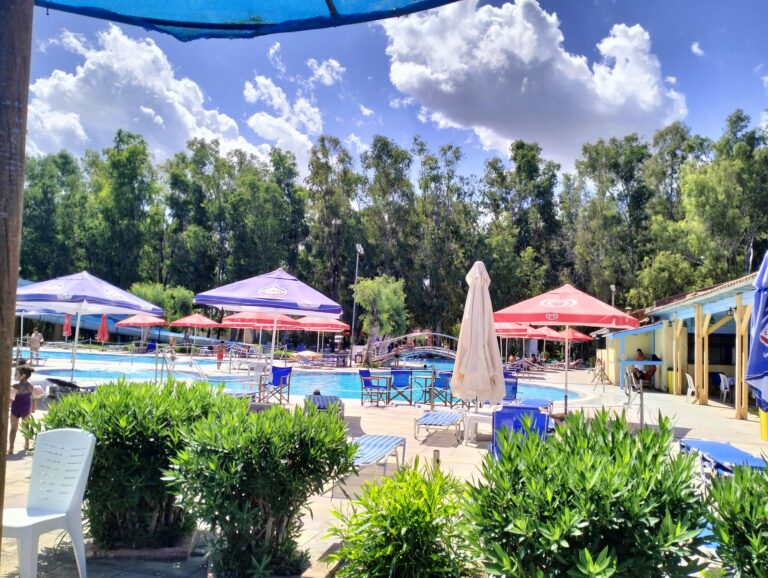
Behind the beach at Kato Alissos, an olive tree estimated at over 1,100 years old still stands, shading part of a small campsite restaurant — a living thing that predates most of the political map of modern Europe. I find trees like this more affecting than almost any ruin; a stone building tells you it was built once and maintained, but a tree this old has simply kept growing, season after season, through every change of ruler this stretch of coast has seen.
And there have been several. During the period of Frankish rule in the late Middle Ages, Alissos carried a different name entirely — Lisarea, recorded in the Chronicle of the Morea as a fief of the Barony of Akova. In the late 1270s, it was held by Margaret of Lisarea, a cousin of Walter of Rosières, the baron of Akova himself, who married Geoffrey II of Briel. The fief later passed to their daughter Helen and her husband Vilain II of Aulnay, who became Baron of Arcadia — a small, specific thread of medieval Crusader-era politics running directly through this otherwise quiet stretch of coast, long before anyone came here purely to swim.
The modern village of Alissos sits split into several distinct settlements — Alissos itself, Kamenitsa, Profitis Elissaios, and Paralia Alissou, the coastal one most visitors actually mean. The old National Road 9 between Patras and Pyrgos, along with the railway line connecting the same two cities, both run directly between Alissos and its own coastal namesake — a useful detail if you’re navigating by older maps or signage that might not distinguish clearly between the inland and seaside versions of the same name.
Getting There: 17 to 21 Kilometres From Patras
I followed the New National Road (E55) south from Patras toward Pyrgos, taking the exit for Kato Alissos — the drive ran about twenty to twenty-five minutes depending on traffic leaving the city. The Patras Suburban Railway also serves stations along this same stretch, connecting through to Kaminia, with the final leg of the journey sometimes covered by replacement buses depending on which sections of track are currently running.
Free public parking sits near the beach access points and around the local taverna areas, giving easy, uncomplicated access to the sand without much searching.
The Beach: Four Kilometres of Sand and Pebble, Shallow and Family-Friendly
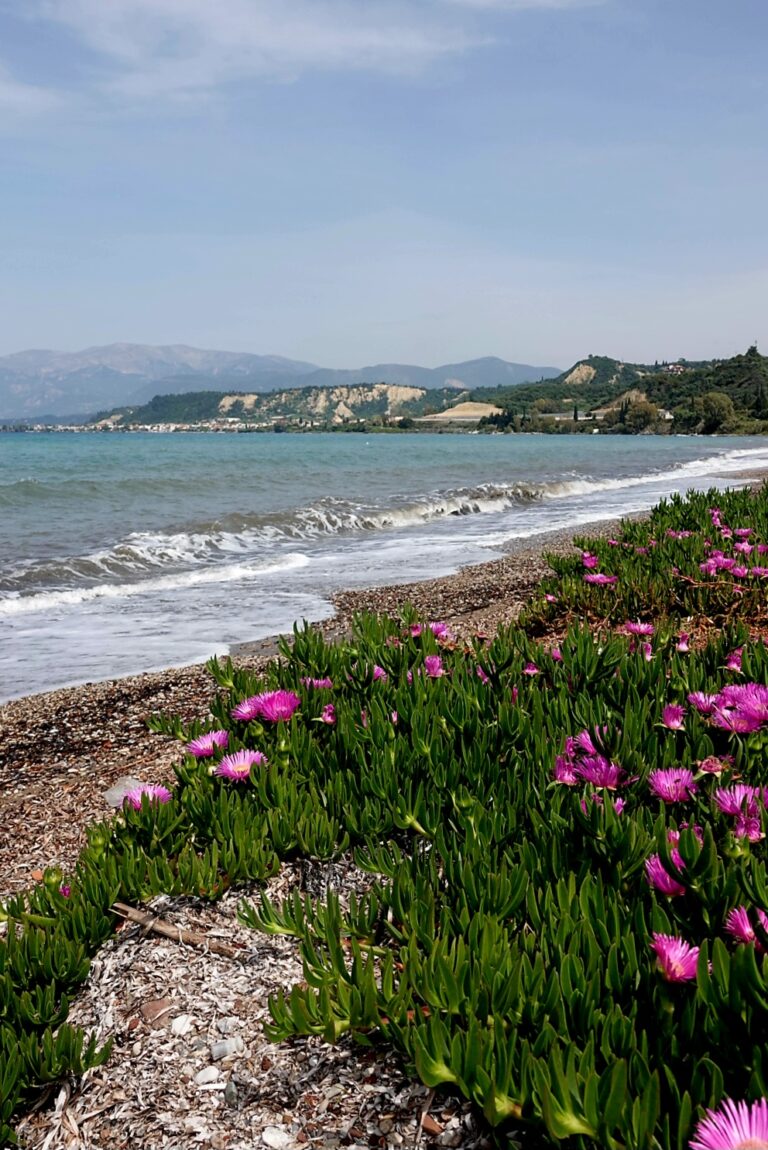
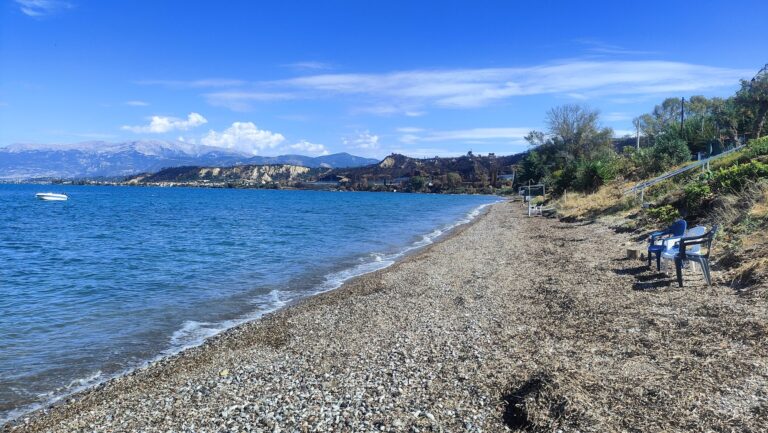
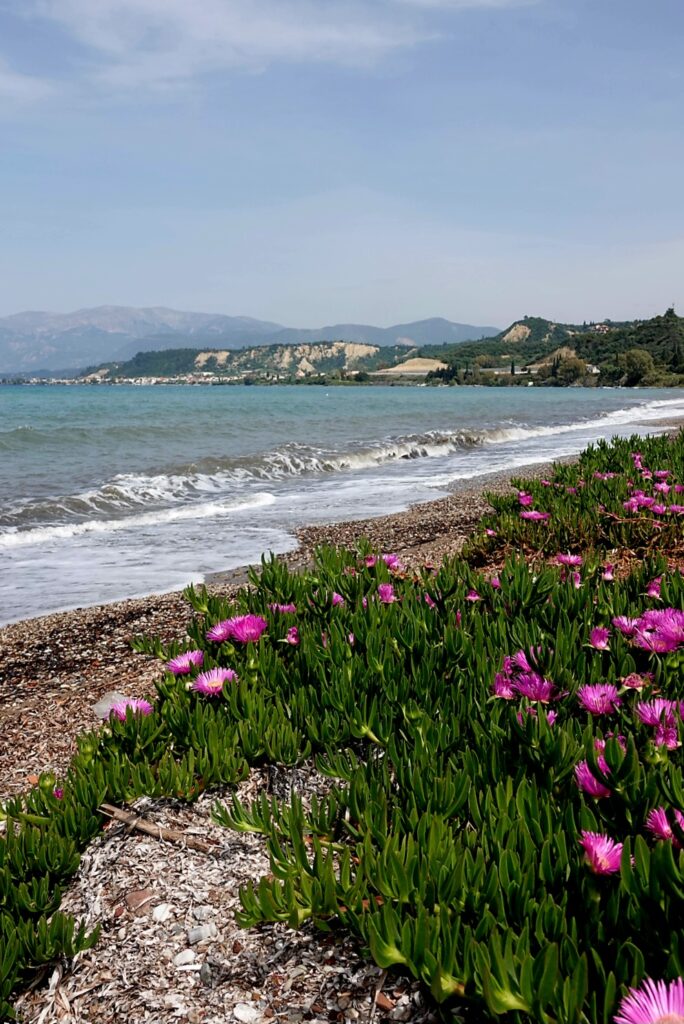
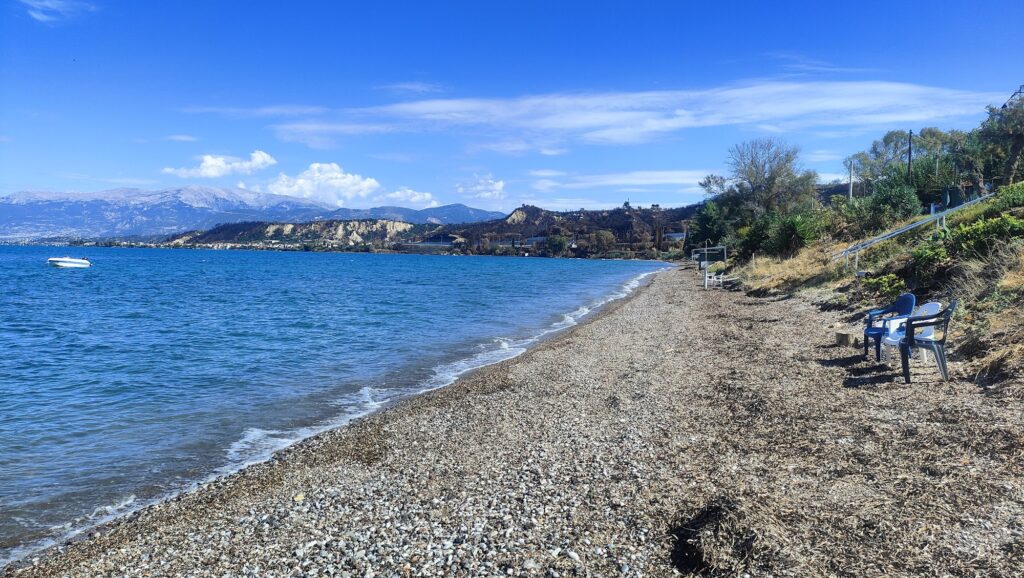
Alissos beach runs a genuinely long four kilometres, wide and sandy with smooth, colourful pebbles mixed in, facing the open Gulf of Patras directly. The water stays clean and well-circulated thanks to that open exposure, and the seabed mixes sand with patches of rock — decent for casual snorkelling close to shore, though I’d bring water shoes given the pebbles right at the water’s edge.
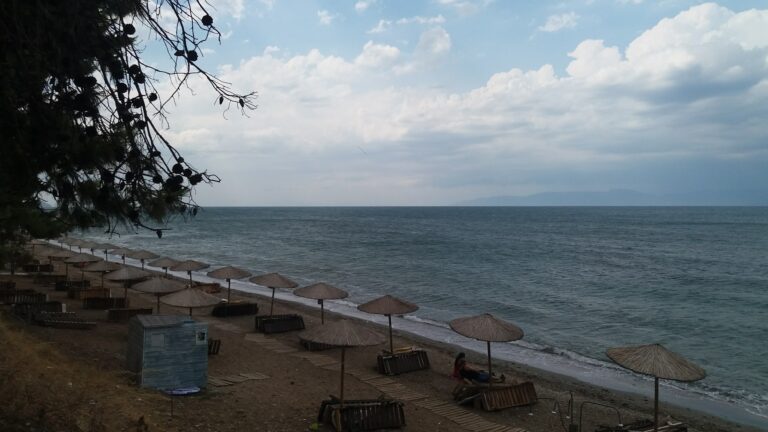
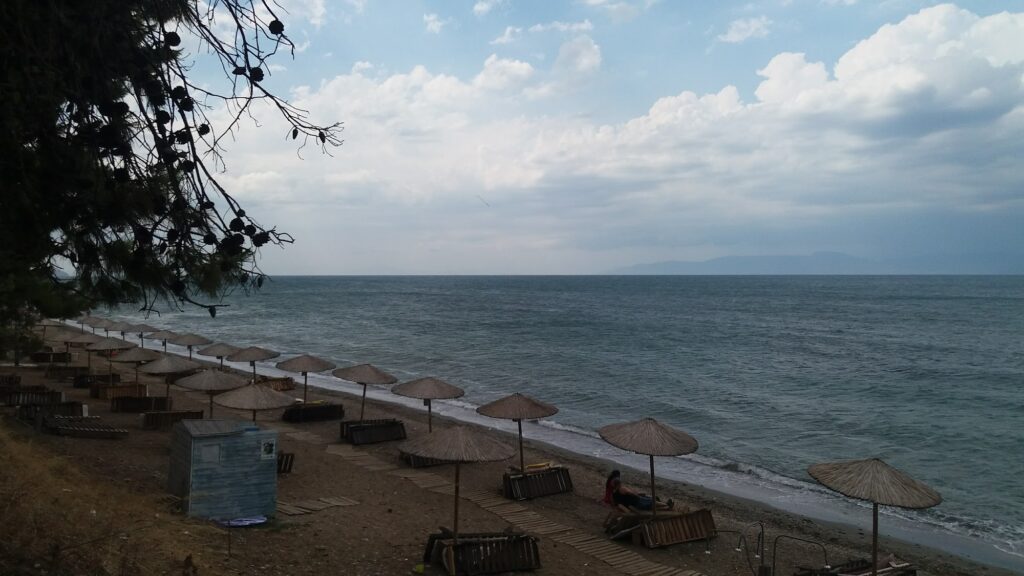
Sunbeds and umbrellas occupy organised sections run by local establishments, with showers and changing cabins along the access points, and beach tennis and volleyball courts give active travellers something beyond swimming. Tavernas sit close enough to the sand that food and shade are always within easy reach, and the gentle, mostly calm water makes this a genuinely comfortable beach for families with younger children, without any steep paths or difficult access to navigate.
Paralia Alissou, on the Gulf of Patras, sits beside an olive tree estimated at over 1,100 years old, still standing today in a small campsite behind the beach. The village carries real medieval weight too, known as Lisarea under Frankish rule and tied directly to the Barony of Akova through a documented 1270s succession. The beach itself runs four kilometres of sand and pebble, shallow and calm, well organised with sunbeds, tavernas, and sport courts, genuinely easy for families. Seventeen to twenty-one kilometres from Patras, reached by car via the E55 or by the Patras Suburban Railway.
Take the Kato Alissos exit off the E55 from Patras. Visit the ancient olive tree at the campsite behind the beach. Bring water shoes for the pebbled shoreline, and settle in for a long, easy day on one of the wider beaches in this part of the Peloponnese.
Map
Sorry, no records were found. Please adjust your search criteria and try again.
Sorry, unable to load the Maps API.
Near by places: