Zorkos Beach Andros: Past Alcibiades' Repaired Wall
Profile
Zorkos Beach, Andros: Past the Hill Where an Exiled Athenian General Once Repaired the Walls
Greece | Varidi | Andros, Cyclades
The route to Zorkos from Gavrio passes directly below Kastrí, the hill on the left as ferries enter the harbour, where the remains of ancient walls repaired by the exiled Athenian general Alcibiades during his time on Andros are still visible — the same fragment of classical history I encountered researching Chrissi Ammos Golden Sand Beach Gavrio Andros Greece elsewhere on this same stretch of coast. Further along the same general area, near Agios Petros village, a remarkably well-preserved pirate watchtower, or fryktoria, dates to the fourth or third century BC, and the Venetian fortress of Ostodosia, also called the Tower of Makrotantalo, stands near Pyrgos beach, comparable in design to the larger castle in Andros Town itself though smaller in scale.
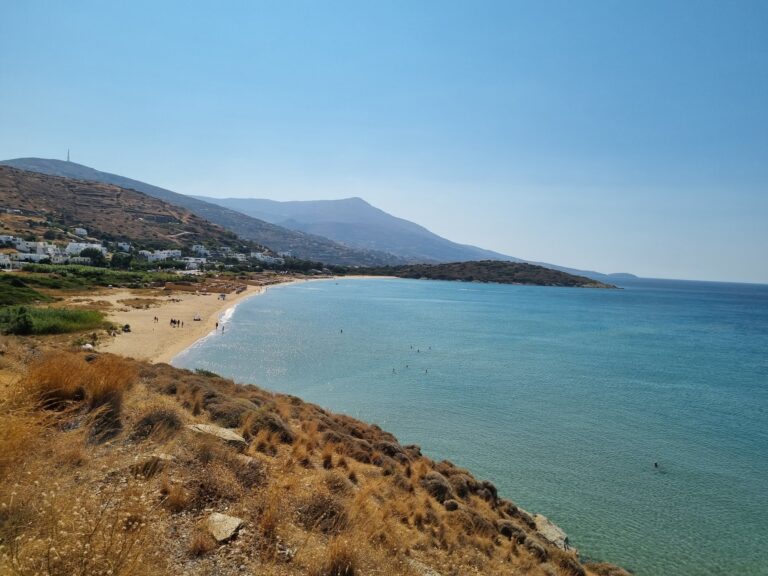
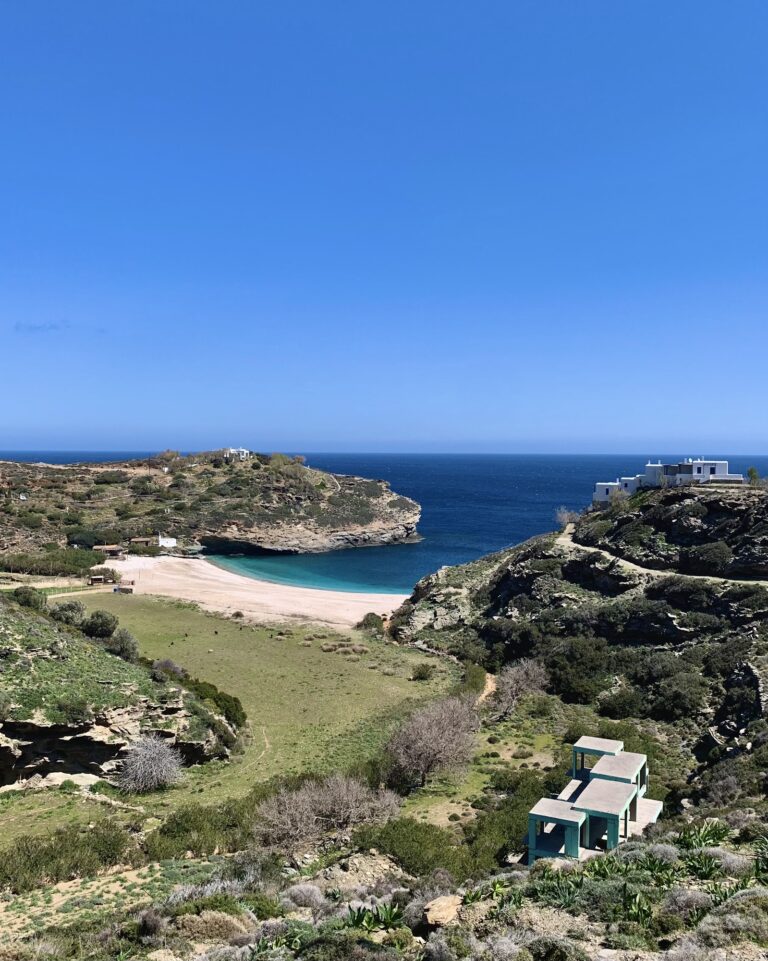
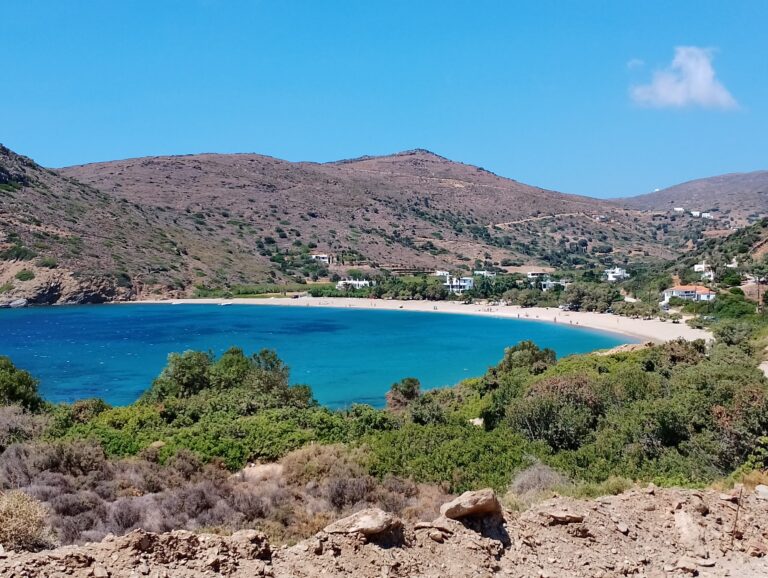
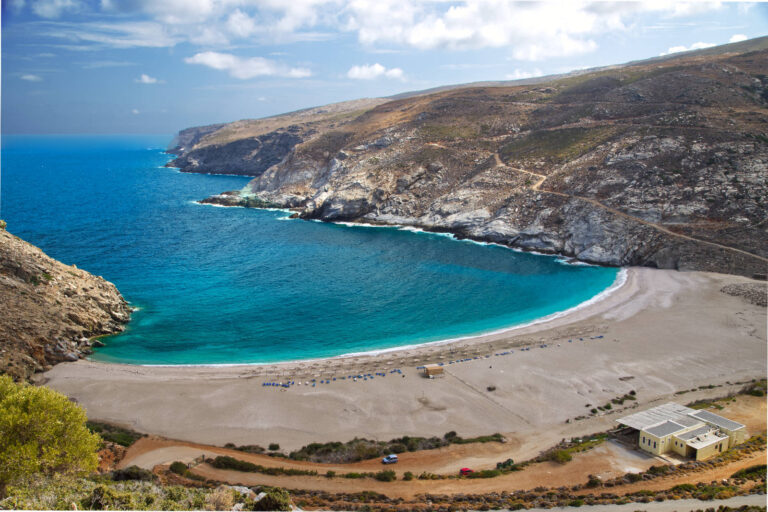
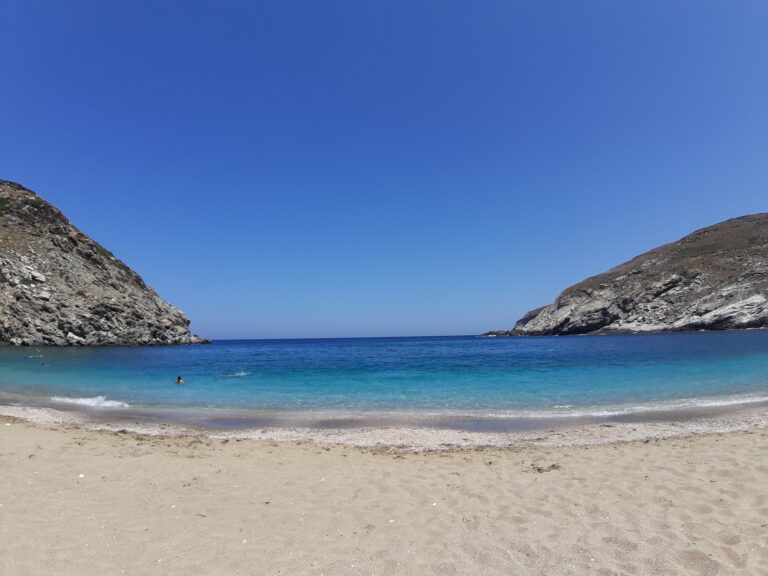
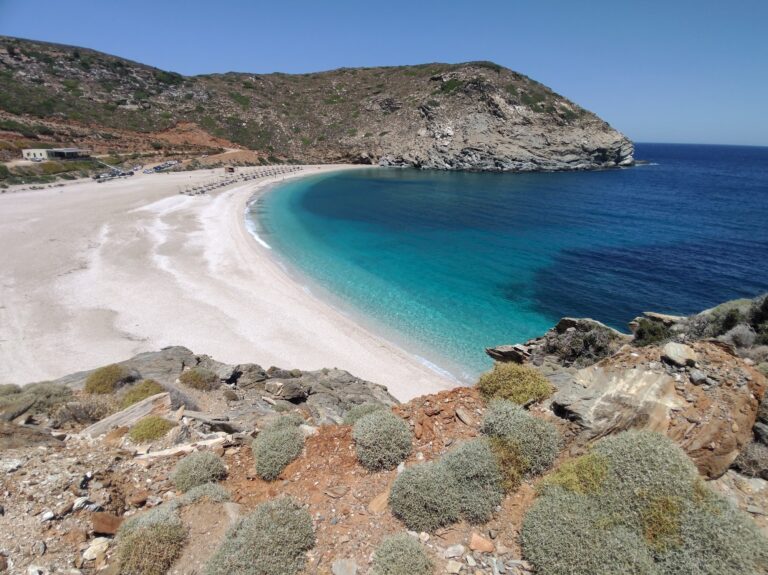
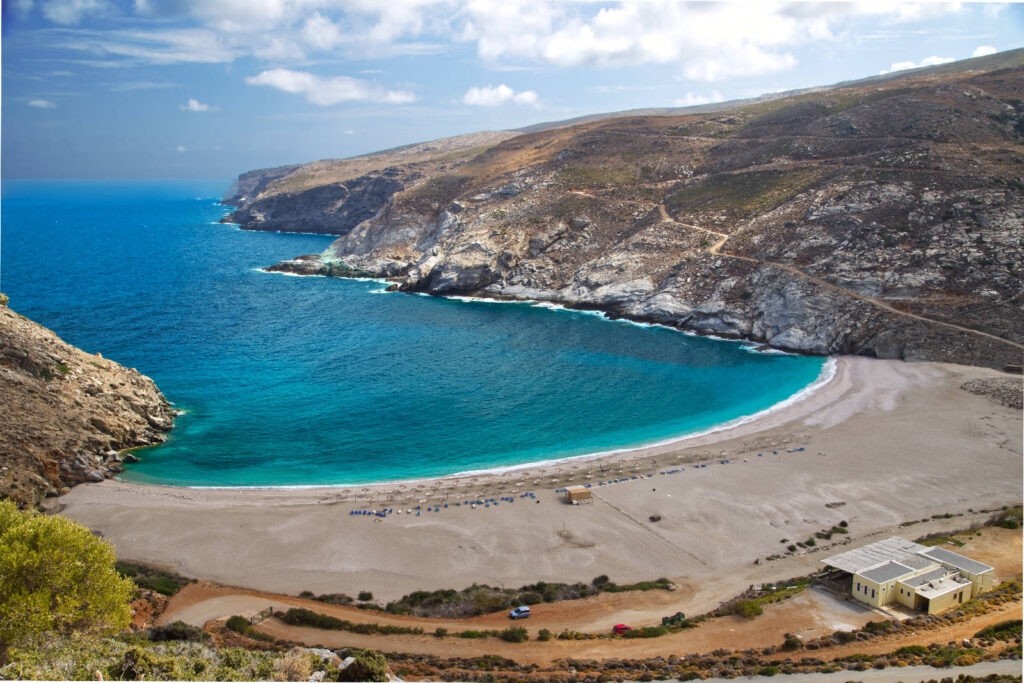
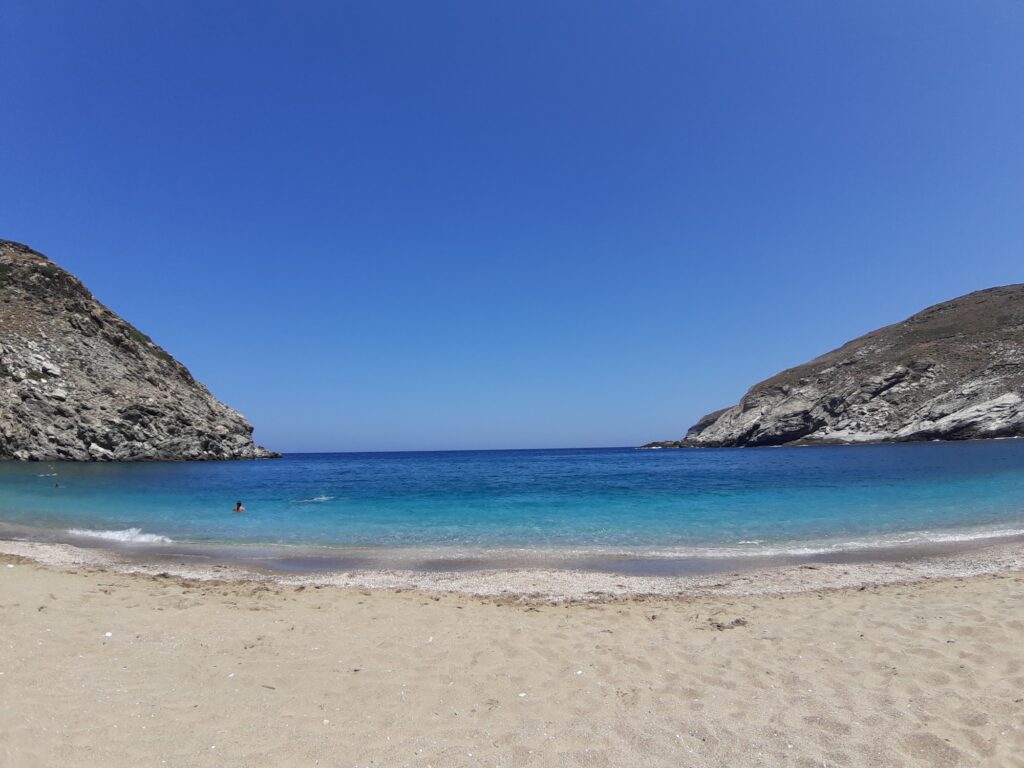
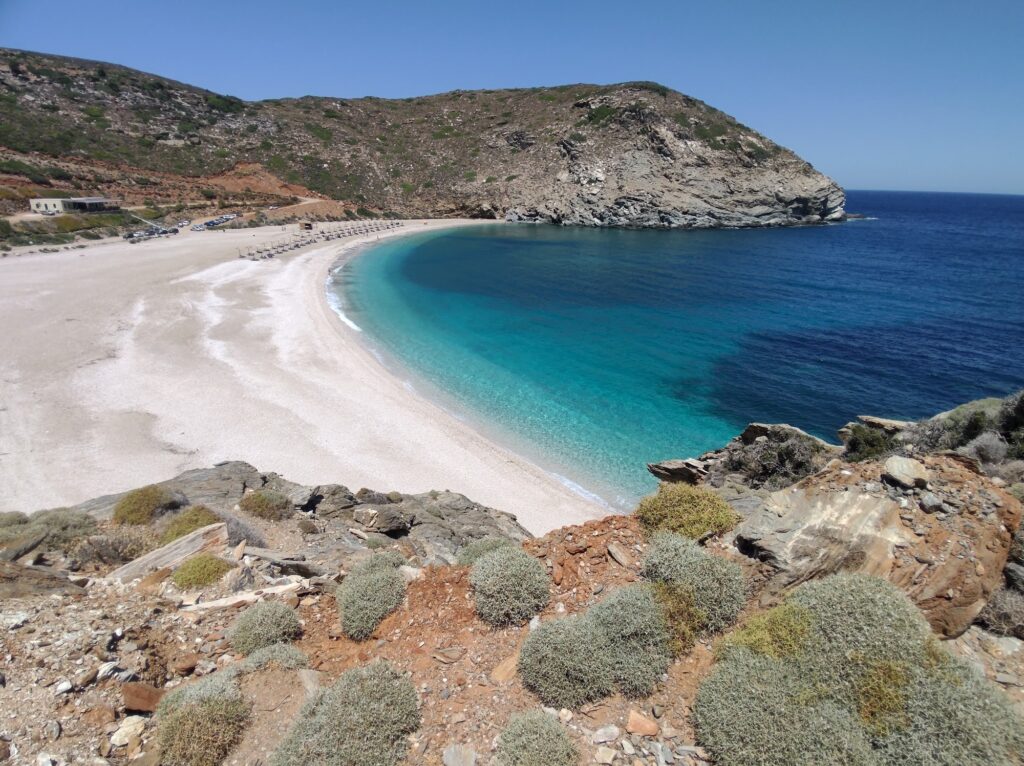
Zorkos itself sits roughly 17 kilometres north of Gavrio, in the northeastern part of the island, reached via the villages of Ano Fellos, Makrotantalo, and Varidi. The beach is long, genuinely long enough that even a full crowd rarely makes it feel crowded, divided roughly in character between coarse golden sand at one end and pebbles at the other, the water shifting through turquoise, blue, and a deeper indigo the further out I swam. The depth increases quickly rather than gradually, which several accounts specifically recommend as a strength for confident swimmers rather than a drawback, though it makes the beach less suited to small children needing a gradual entry.
I want to record one genuinely unpleasant detail rather than pass over it, because I think it matters more than the scenery: one direct visitor account describes arriving to find the beach uncomfortably crowded, the on-site taverna not yet open well past mid-morning, and — most troublingly — other visitors deliberately pulling jellyfish out of the water to die slowly in the sun. I have no way of confirming how common this is, but it is the kind of behaviour worth being aware of and actively not participating in, regardless of how the rest of a visit goes.
Getting There: 17 Kilometres From Gavrio, Mostly Paved, the Final Stretch on Gravel
From Gavrio, the route follows the road toward Varidi, passing through Ano Fellos and Makrotantalo along the way. Most of the drive is on asphalt, with the final two to five kilometres — accounts vary slightly on the exact distance — continuing on a well-maintained dirt or gravel road, manageable by any standard car without difficulty. There is no public transport to Zorkos, so a car or motorbike is necessary.
Parking is informal, along the road as it reaches the beach and near the taverna itself. The drive from Batsi covers roughly 24 kilometres, and from Chora, the island’s capital, the full distance reaches about 49 kilometres.
The Beach: Long, Golden and Pebbled, Deep Water, Genuinely Exposed to Wind
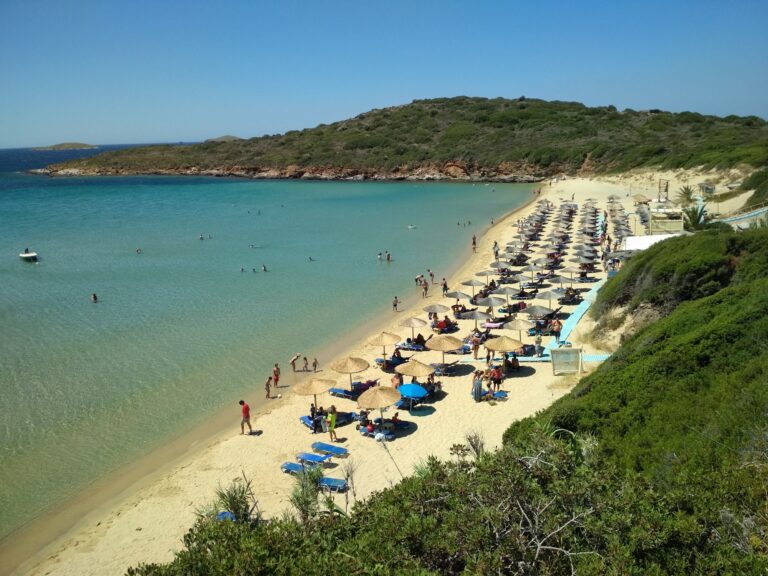
The beach divides loosely into an organised section, equipped through to around mid-September with sunbeds and umbrellas, and a much larger free stretch for anyone bringing their own gear. Large rocks at the edges provide natural shade for a fortunate few, while the beach bar serves everyone else. Where the sand ends, fragrant vegetation begins, and in the quieter hours of late afternoon, several accounts describe a near-total silence broken only by the waves — a specific, almost startling stillness that more than one visitor singles out as the beach’s defining quality once the crowds thin.
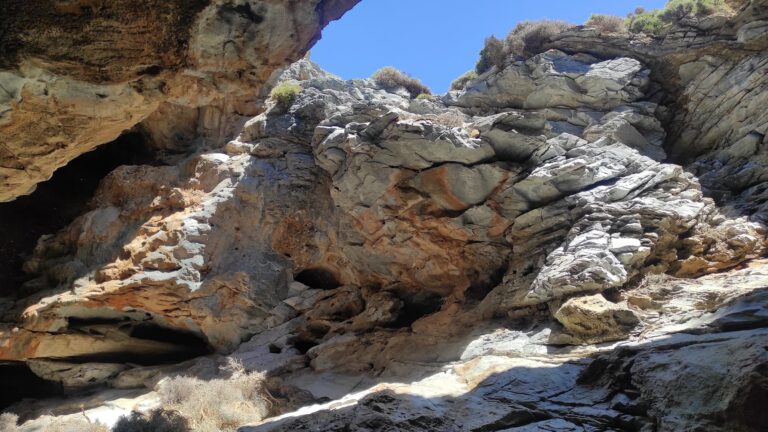
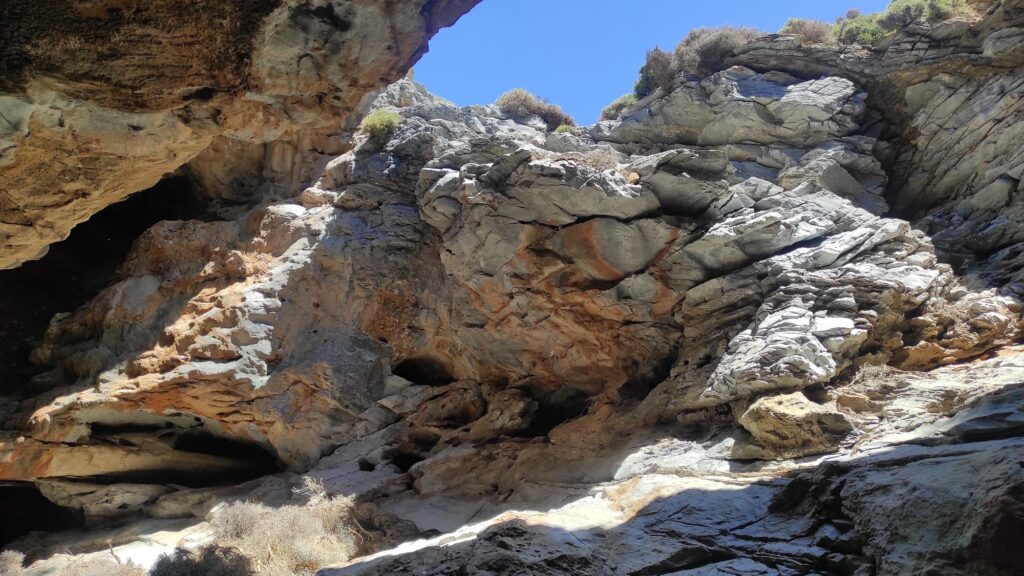
The bay is genuinely and consistently described as exposed to wind, particularly in the afternoon, and I would check conditions before committing to the drive rather than assuming calm water on arrival. Rocky formations at the edges of the bay offer caves and diving points for those equipped for snorkelling, the clarity of the water rewarding the effort on calmer days.
Zorkos Beach, 17 kilometres north of Gavrio on Andros, sits past Kastrí hill, where the exiled Athenian general Alcibiades repaired ancient walls, and near both a fourth-century BC pirate watchtower at Agios Petros and the Venetian fortress of Ostodosia. The beach itself is long, golden sand giving way to pebble, water that deepens quickly, partly organised and largely free, genuinely exposed to wind especially in the afternoon, and capable of near-total silence once the day’s visitors thin out. A taverna operates on site, though one direct account describes it opening later than expected and the beach itself uncomfortably crowded on a bad day — worth weighing against the more common praise the location receives. Mostly paved road from Gavrio, no public transport, a car or motorbike required.
Drive via Fellos and Varidi. Check the wind forecast before committing. Stay into the late afternoon if you want the silence the beach is known for.
Map
Sorry, no records were found. Please adjust your search criteria and try again.
Sorry, unable to load the Maps API.
Near by places: