Agios Giannakis Beach Parga: No Facilities, Bring All
Profile
Agios Giannakis Beach, Parga: The 100-Metre Gravel Cove With No Lifeguard, No Showers, and No Sunbeds, Ranked 22nd of 101 Epirus Beaches Precisely Because It Has None of Those Things
Greece | Agia Kyriaki | Parga Municipality, Preveza, Epirus
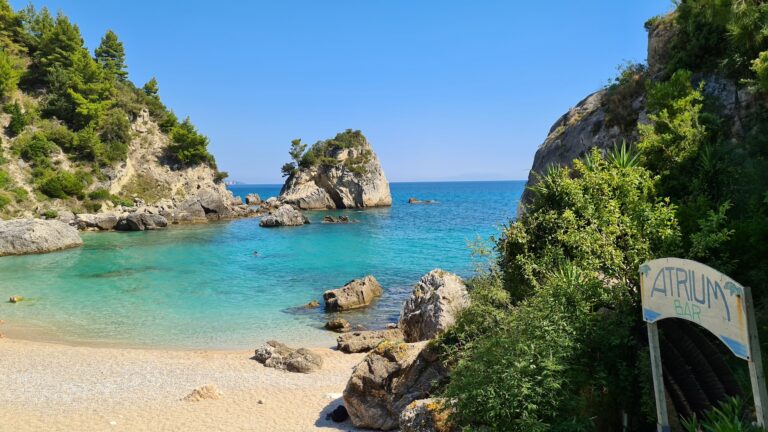
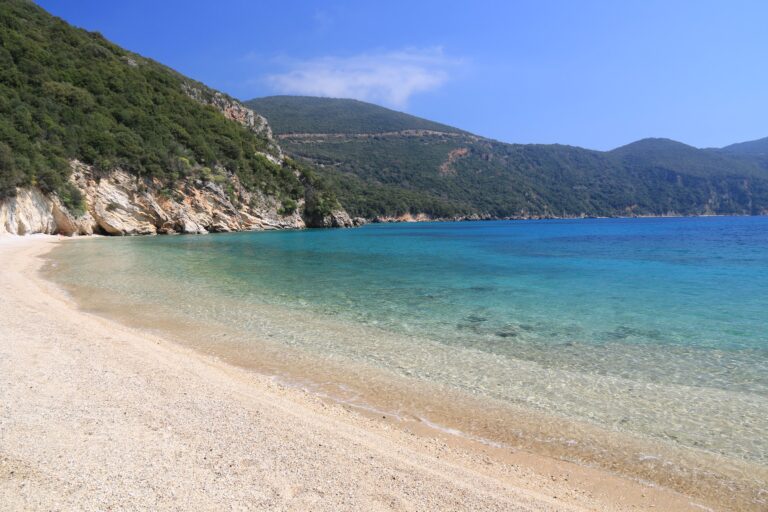
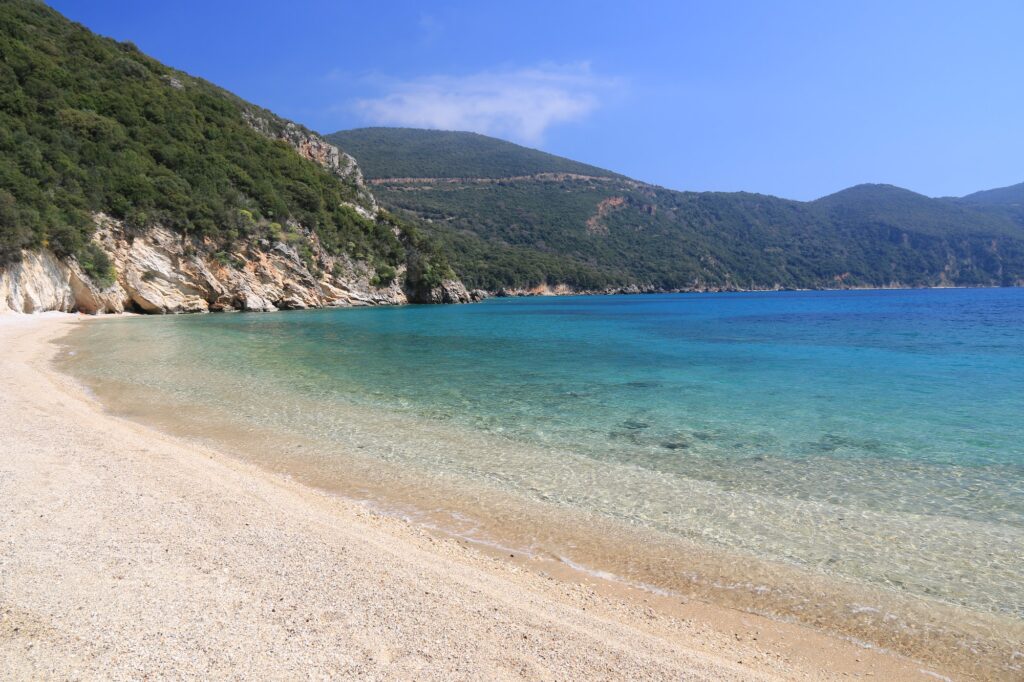
Agios Giannakis — locally shortened to Ai Giannakis — is approximately 100 metres long, covered in fine gravel, in a small bay enclosed by steep cliffs and emerald hills that block the wind almost completely. Every independent account of the beach agrees on a specific point worth stating plainly before anything else: there is no lifeguard, no shower, no sunbeds or umbrellas for rent on most days, and frequently no facilities of any kind beyond a seasonal canteen that operates only during peak summer. This is the opposite of an organised resort beach, and its appeal is built entirely on that absence rather than in spite of it.
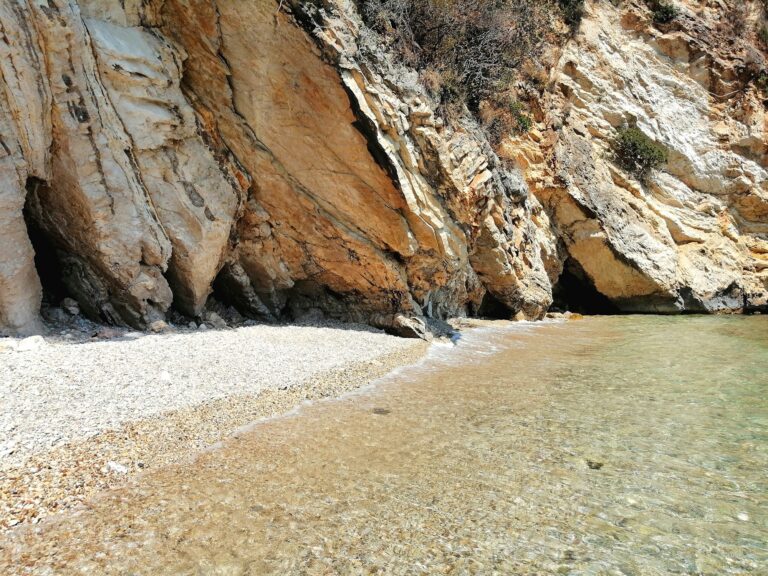
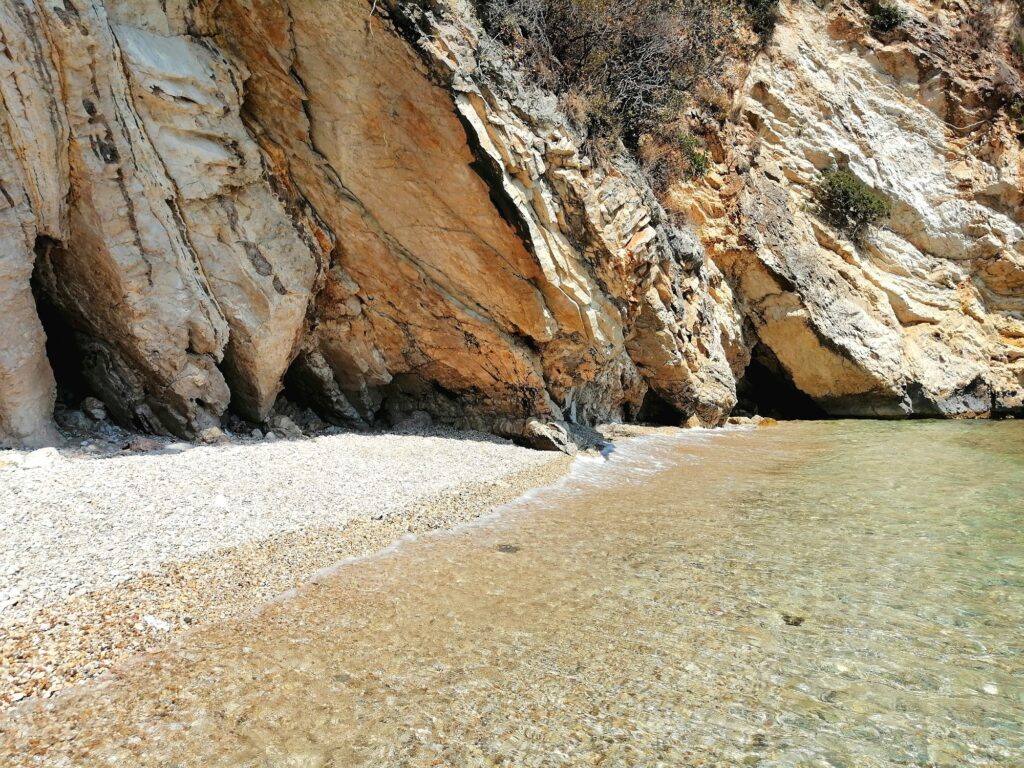
The water is crystal clear, the seabed gravel both at the shoreline and beneath the surface, decreasing gently enough that water shoes — while genuinely useful for comfort on the stones — are not strictly required for entry. The bay’s enclosed geometry, steep cliffs on both sides meeting light yellow rock at the water’s edge, creates the specific shelter from wind that makes Agios Giannakis calm even on days when the open coast nearby is choppier. A small church, dedicated to the saint the beach takes its name from, sits on the hill above — visible from the water, a modest landmark rather than a major pilgrimage site, but a fixed point that every regular visitor eventually mentions.
The beach ranks 22nd among 101 beaches across the entire Epirus region — a strong position for somewhere this small and unfacilitated, reflecting water clarity and setting rather than infrastructure. Distances cited across different sources vary between 6 and 9 kilometres from Parga, depending on the exact route counted; the practical distinction that matters more than the precise figure is that it sits closer to the village of Agia Kyriaki than to Parga itself, with Agia Kyriaki’s 1.7-kilometre proximity making it the realistic base for food, accommodation, and supplies before the descent.
Getting There: Paved Road From Agia Kyriaki, Small Parking Lot (Arrive Early in Peak Season), or the Walking Trail From the Village
From Parga, follow the main road south toward Preveza and take the marked turn-off for Agios Giannakis, winding down through olive groves with views opening onto the bay below as the road descends. The route is paved the entire way, manageable in any standard car.
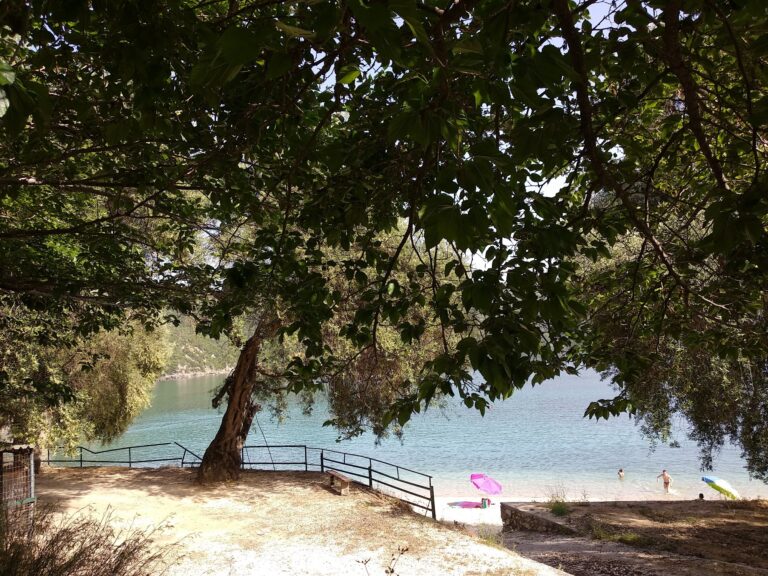
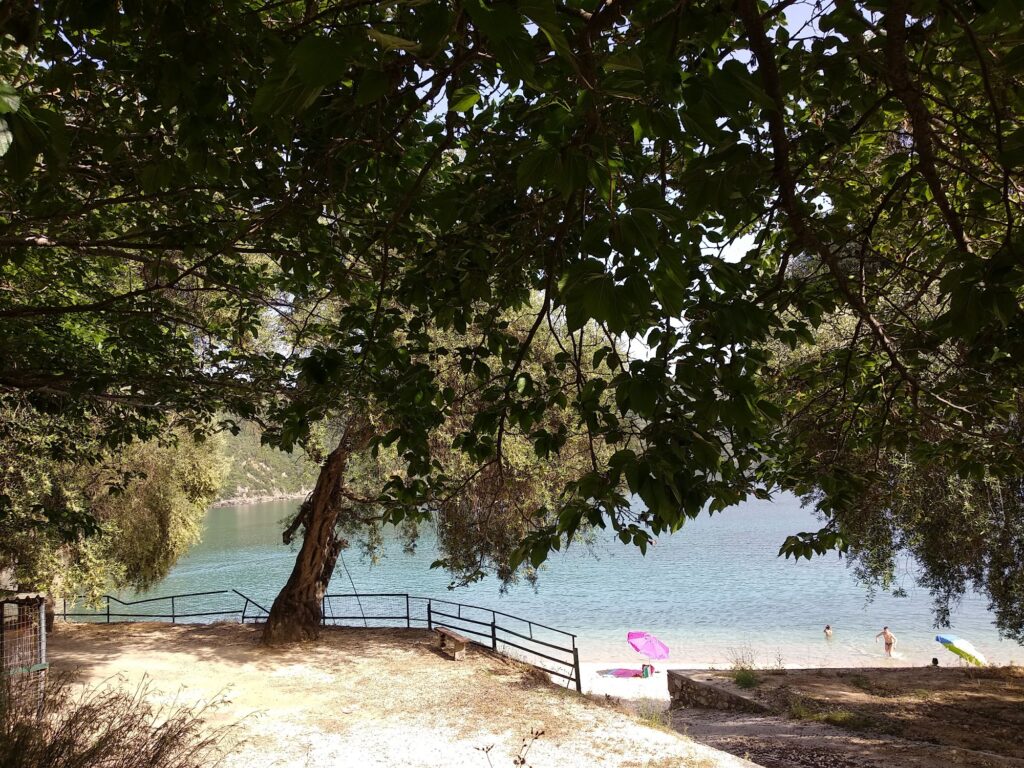
A scenic walking trail also connects the beach directly to Agia Kyriaki village for visitors without a car or who simply prefer arriving on foot through the olive terraces.
Parking is in a small dedicated lot near the beach entrance — genuinely small, not merely modest, and in July and August it fills well before midday. Arriving before 11:00am is the specific, repeated advice across multiple sources, not a general courtesy but a practical necessity given how few spaces exist.
The Beach: 100m Gravel Cove, Gentle Gravel Seabed, No Facilities — Bring Everything, Suitable for Children Despite the Lack of Services
The combination of a gently decreasing seabed and an enclosed, wind-sheltered bay makes Agios Giannakis genuinely suitable for children and older visitors despite having no staffed safety presence — the water itself is forgiving even though no one is watching it professionally. Visitors should plan accordingly: bring water, food, sun protection, your own umbrella or shade solution, and water shoes for comfort on the gravel.
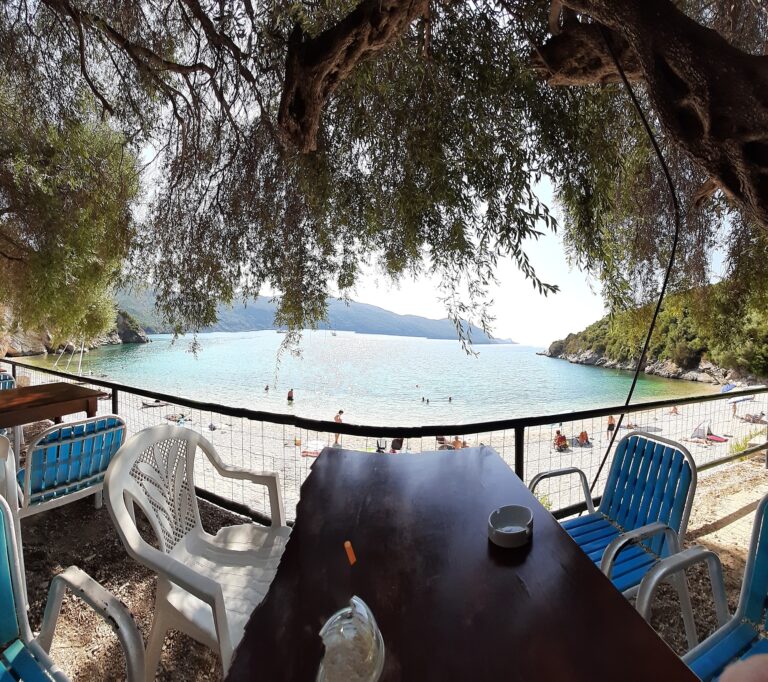
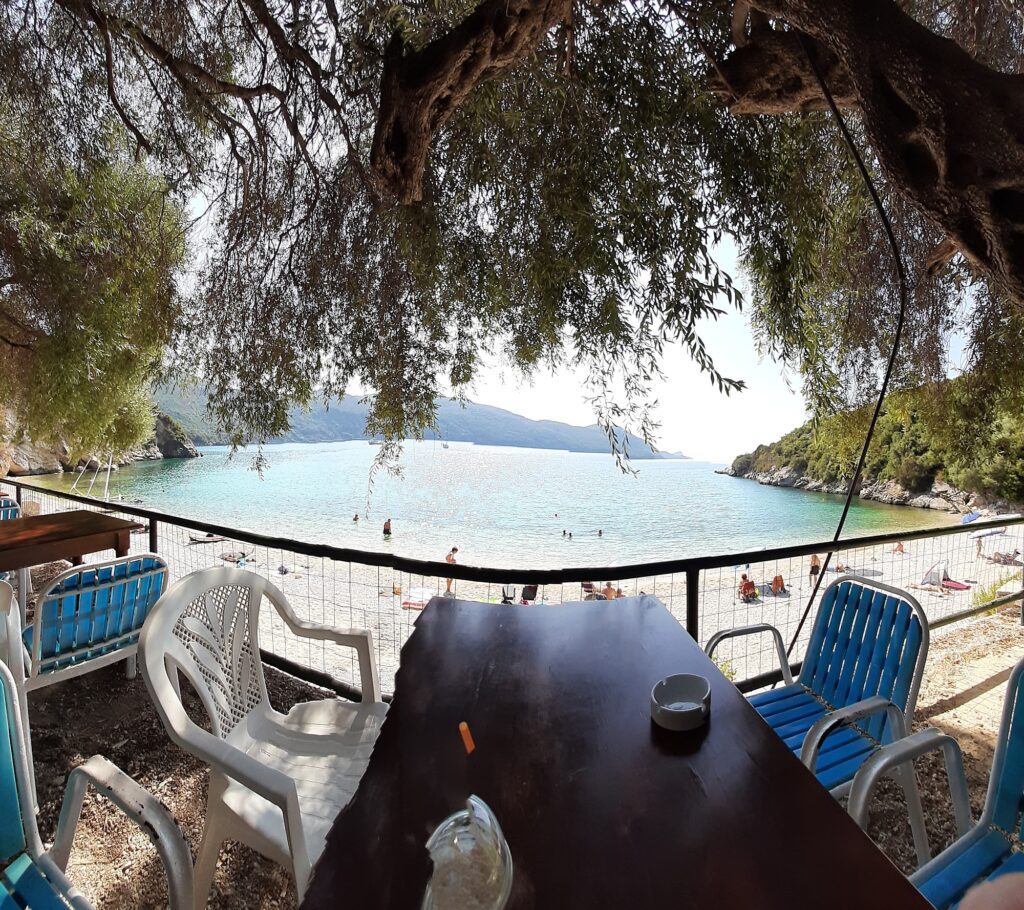
The seasonal canteen, when it operates, provides basic drinks and light food along with a handful of shaded seating arrangements directly on the beach — the single concession to organisation that the location makes, and one that cannot be relied upon outside peak months.
Snorkelling: Rocky Edges, Marine Life, Clear Water Throughout the Bay
The rocky formations flanking both sides of the cove are specifically recommended for snorkelling — the underwater limestone crevices shelter a genuinely varied range of small Mediterranean fish, visible easily given the consistent clarity of the enclosed bay. No equipment rental exists on site; a mask and fins brought from elsewhere are the only way to access this aspect of the beach.
Agia Kyriaki, Lichnos, and the Wider Parga Beach Sequence
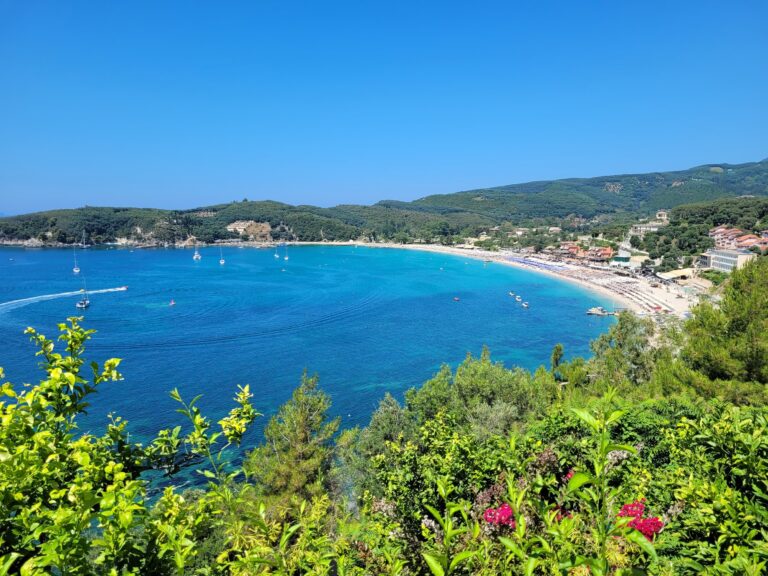
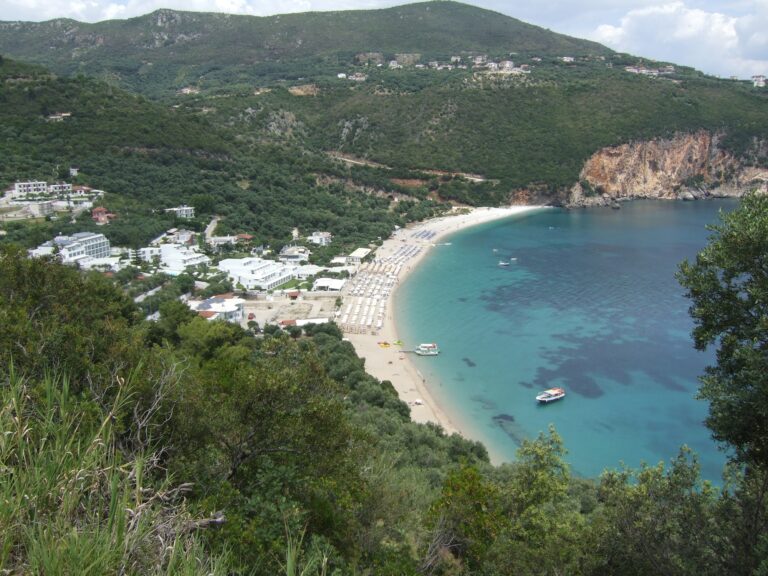
Agia Kyriaki, the nearest village, has the restaurants, market, and accommodation that Agios Giannakis itself lacks entirely. From a base there, the wider Parga beach sequence is within easy reach: Lichnos (also called Agia Kyriaki beach by some sources, 2–3km away), Valtos (the largest and most cosmopolitan beach in the area, starting behind Parga’s Venetian castle and running to the port), and Krioneri, closer to Parga itself. Skala Beach Parga Greece and Ammoudia Beach Preveza Greece, sit further along the same general coastal stretch toward the Acheron river mouth.
Agios Giannakis Beach (Ai Giannakis) near Agia Kyriaki is the 100-metre gravel cove ranked 22nd of 101 Epirus beaches — no lifeguard, no showers, no sunbeds for rent most of the season, only a seasonal canteen when it operates, bring everything including water shoes. Gently decreasing gravel seabed despite the lack of staffed safety, wind-sheltered enclosed bay, a small chapel on the hill above, excellent snorkelling at the rocky edges, 6–9km from Parga depending on the route, 1.7km from Agia Kyriaki village (the practical base), small parking lot filling before midday in peak season, accessible also by walking trail from the village.
Drive or walk from Agia Kyriaki. Arrive before 11am. Bring everything you need — nobody here will sell it to you.
Map
Sorry, no records were found. Please adjust your search criteria and try again.
Sorry, unable to load the Maps API.
Near by places: