
Romanos Beach Pylos: Costa Navarino, Dunes, Battle 1827
Profile
Romanos Beach, Pylos: The Dune-Backed Ionian Shore Beside Costa Navarino, Named for the Bay Where the 1827 Naval Battle Effectively Secured Greek Independence, Divided Into Peninsulas and Smaller Coves
Greece | Romanos | Pylos-Nestor Municipality, Messenia, Peloponnese
The bay takes its name from the Battle of Navarino, fought on 20 October 1827 in the waters just south of where Romanos beach now sits. A combined British, French, and Russian fleet destroyed the Ottoman-Egyptian navy in the bay — the decisive naval engagement that broke Ottoman naval power in the Mediterranean and effectively secured Greek independence three years before it was formally recognised. The bay that gives Costa Navarino its name is the same body of water visible from Romanos beach today, the Ionian stretching toward the horizon where the fleets once fought.
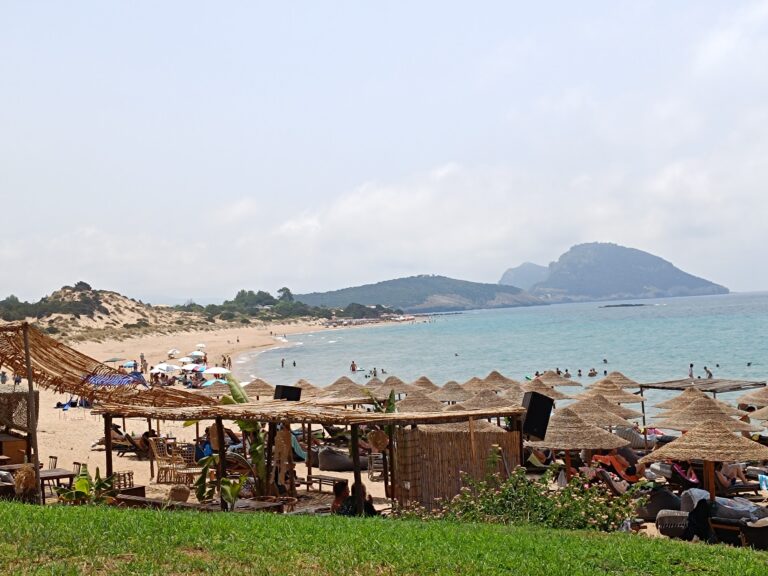
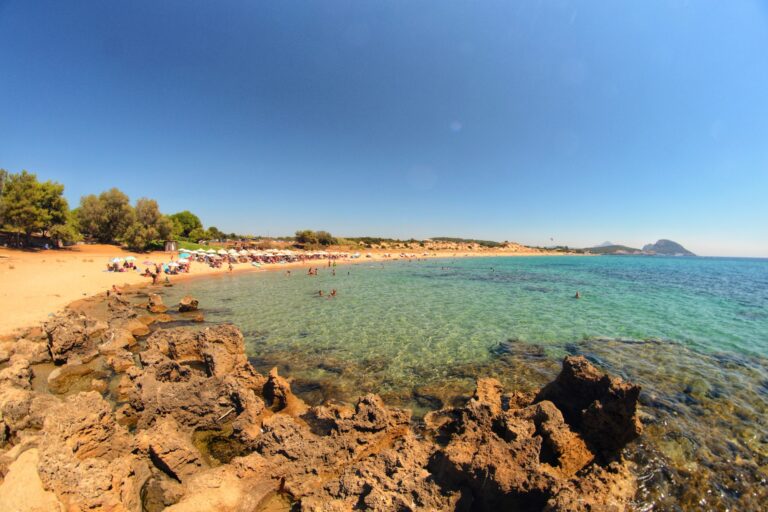
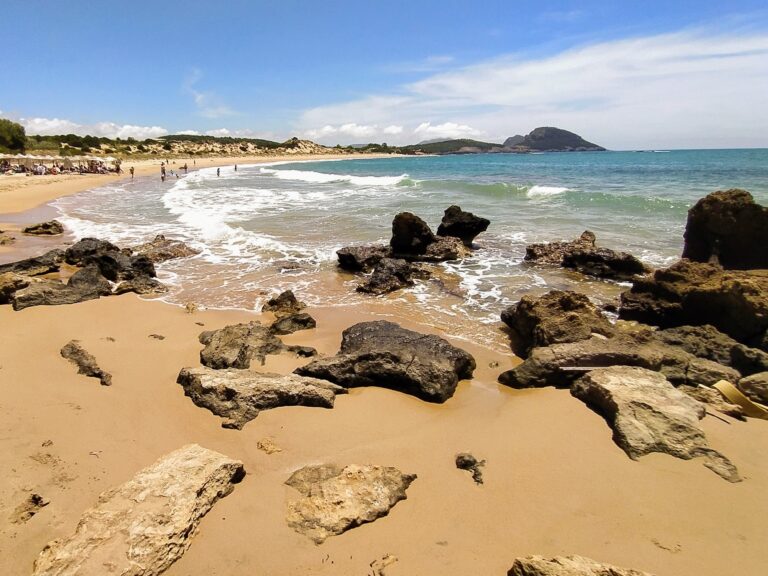
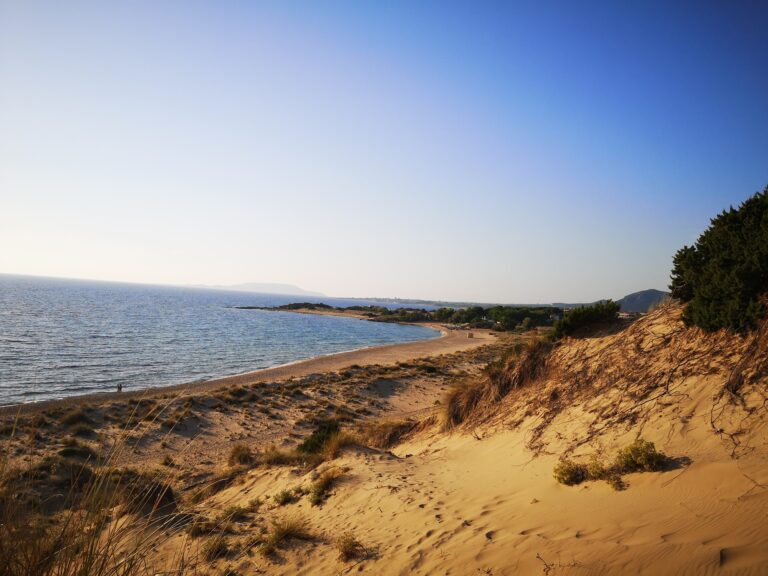
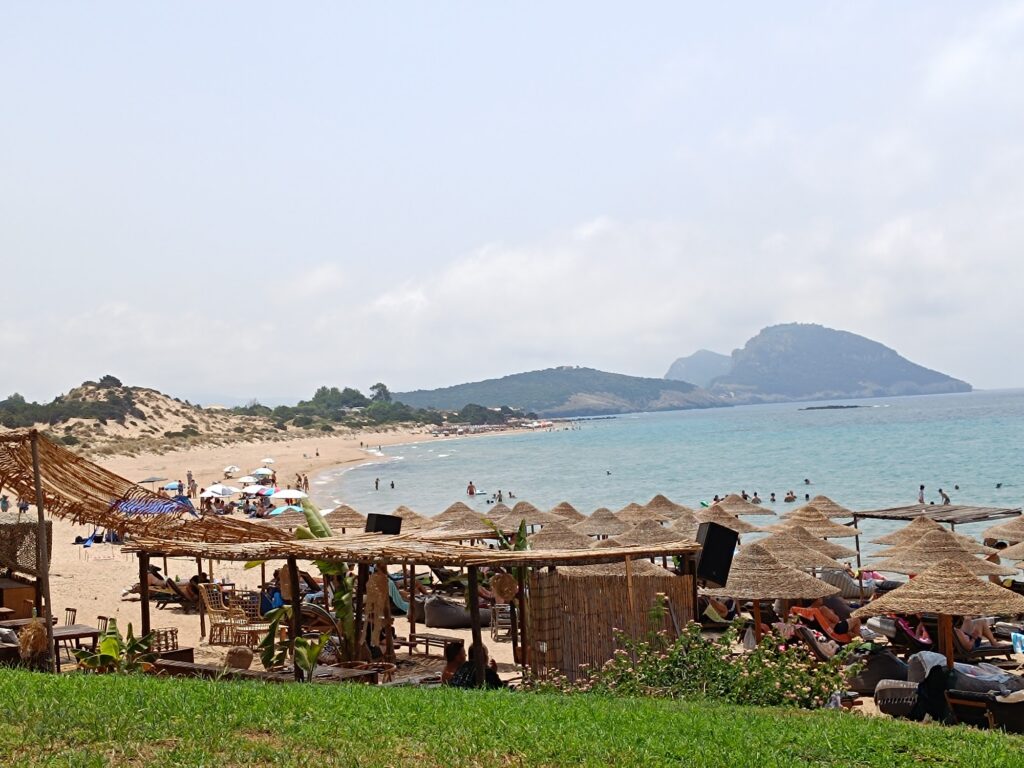
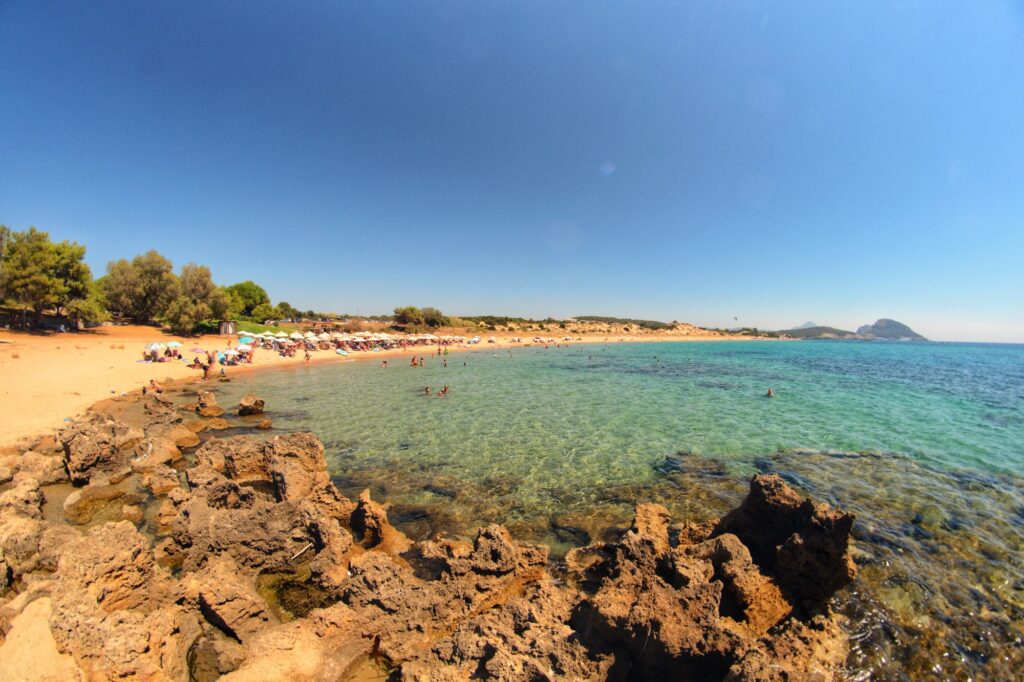
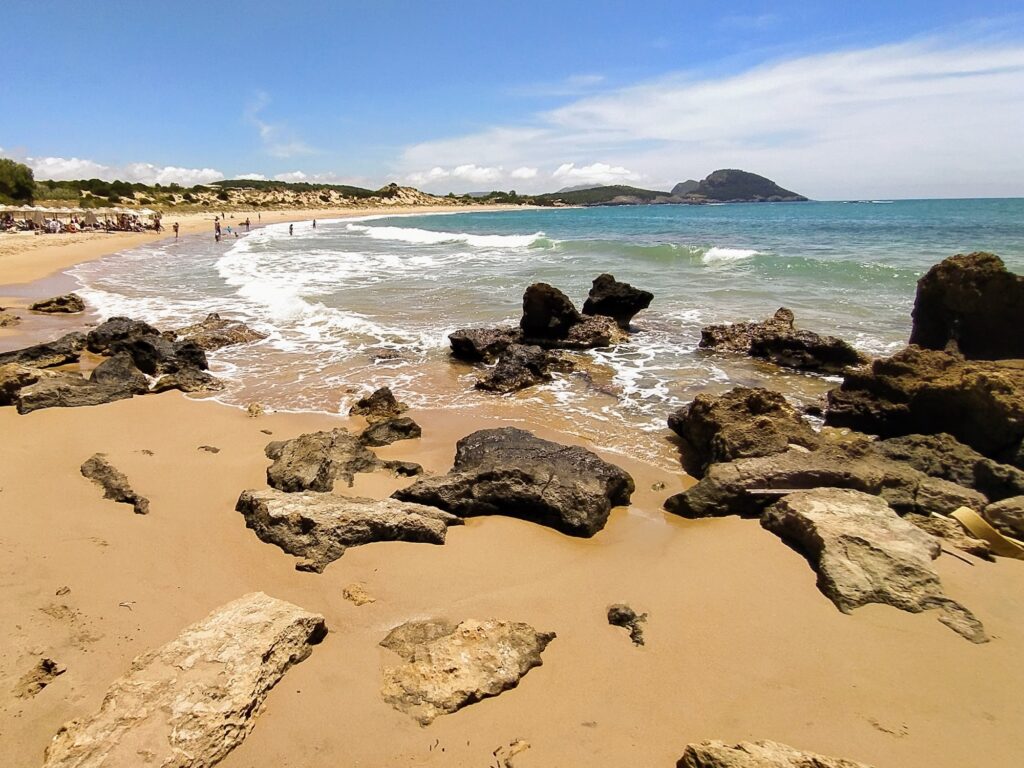
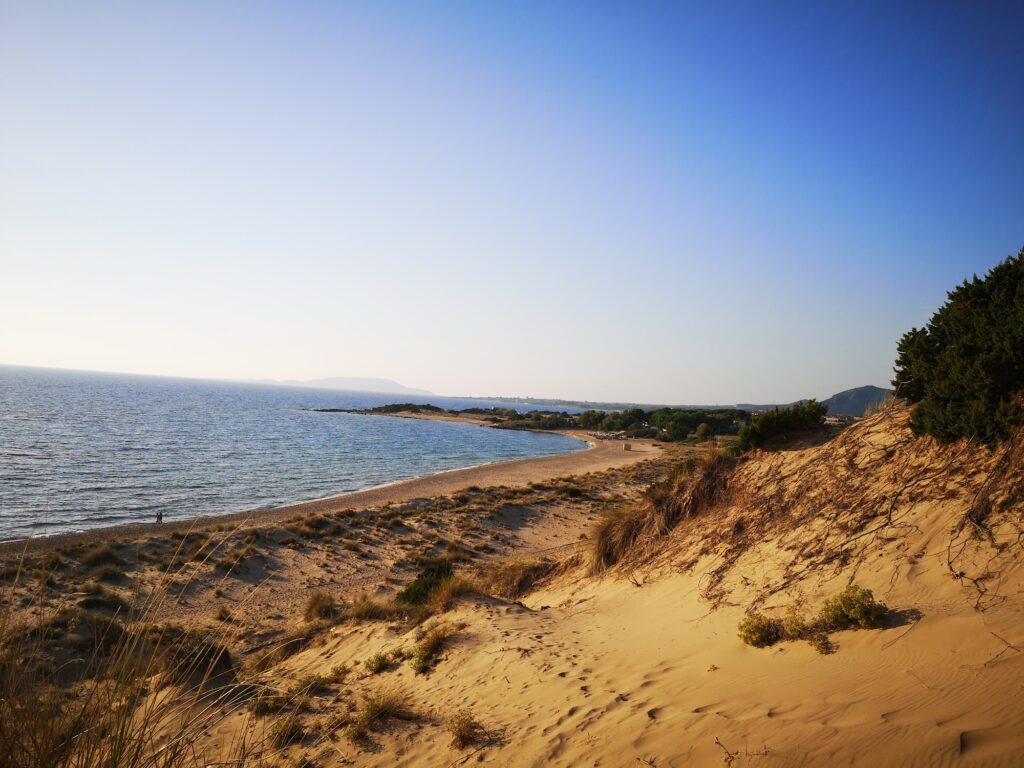
Romanos beach is divided into peninsulas and smaller coves rather than running as a single continuous shore — sandy throughout, the water crystal clear, the dunes behind it tall enough to separate sections of the beach from each other visually as well as physically. The Costa Navarino resort complex — The Romanos Luxury Collection Resort and The Westin Resort at the Navarino Dunes site — sits immediately behind the beach, its golf courses (The Dunes Course specifically takes its name from the dune topography that also shapes the beach) occupying the land between the resort buildings and the shore.
Caretta caretta sea turtles nest on Romanos — part of the broader Messenian coastal range that the loggerheads use, distinct from but related to the more concentrated Kyparissia Bay nesting habitat covered elsewhere in this series. Dunes Beach, the specific section closest to the resort, holds a Blue Flag award.
The honest calibration that any accurate account of Romanos has to include: the beach’s popularity and the resort development around it mean that the organised sections can be genuinely crowded in peak July and August — sunbeds packed closely, premium pricing (in the region of €15 per umbrella), and the specific congestion that a major luxury resort destination generates on its doorstep beach. Visitors who want the quieter version of Romanos should aim for the early morning, the off-peak shoulder season, or the less organised peninsula sections away from the main resort frontage.
Getting There: 15 Minutes North of Pylos (15km), 50 Minutes From Kalamata Airport, Parking Near the Access Points, Path Through the Dunes
From Pylos, drive north toward Gargalianoi for approximately 15 kilometres — 20 minutes. From Kalamata Airport, the drive is approximately 50 minutes through the olive-rich Messenian plain. Parking is available near the beach access points; a maintained path leads through the dunes to the shoreline.
The Beach: Large, Sandy, Divided Into Peninsulas and Coves, Crystal Clear, Open Ionian, Windsurfing Afternoons, Organised Sections Can Be Crowded in Peak Season
The beach is large and sandy, with a moderate entry — shallow enough for wading, deep enough for swimming within a few metres. The division into peninsulas and smaller coves means visitors can find genuinely different characters within the same beach: the busier organised section near the resort frontage, and quieter unorganised pockets further along.
The open Ionian orientation produces steady afternoon breezes that make Romanos a recognised windsurfing location. Morning hours are calmer, suited to paddleboarding and kayaking toward the Navarino Dunes.
Voidokilia: 15 Minutes South, the Omega Beach, Paleokastro, the Thrasymedes Tholos Tomb
Voidokilia — 15 minutes south of Romanos — is one of the most photographed beaches in Greece: a near-perfect semicircle (the name means “cow’s belly,” describing the shape) of pale sand against turquoise water, sitting below the Paleokastro fortress and beside the Thrasymedes Tholos Tomb — a Mycenaean burial site over 3,000 years old, associated by local tradition with King Nestor and his son Thrasymedes, the Homeric figures whose kingdom covered this part of Messenia. Voidokilia has no facilities — bring everything — and the access road is narrow; arriving early avoids both the crowds and the difficult parking that accumulate by midday.
Gialova Lagoon and the Navarino Bay Resort Sites
Gialova Lagoon, between Romanos and Voidokilia, is a wetland of significant ecological value, now positioned between the Navarino Bay golf resort and the Navarino Dunes resort — the specific squeeze that resort development has placed on a previously undeveloped wetland. Navarino Bay, the second Costa Navarino site, holds the Mandarin Oriental and W Costa Navarino resorts and The Bay Course golf course, two holes of which play along the historic Battle of Navarino waters.
Romanos Beach at Pylos in Messenia is the large sandy dune-backed Ionian shore beside Costa Navarino — named for the bay of the 1827 naval battle that effectively secured Greek independence, divided into peninsulas and smaller coves, Caretta caretta nesting, Dunes Beach section Blue Flag awarded, organised sections genuinely crowded in peak season (€15 sunbeds, arrive early for space), open Ionian with afternoon windsurfing winds, Voidokilia 15 minutes south (the omega beach, Paleokastro, the Thrasymedes Tholos Tomb), Gialova Lagoon between the resort sites, 15km from Pylos, 50 minutes from Kalamata Airport.
Drive from Pylos. Arrive early for space. Walk to the quieter peninsula sections. Continue to Voidokilia for the afternoon.
Map
Sorry, no records were found. Please adjust your search criteria and try again.
Sorry, unable to load the Maps API.