Portorož: "Port of Roses" Isn't About the Flowers
Profile
Portorož: The “Port of Roses” Has Almost Nothing to Do With Flowers
Slovenia | Portorož | Piran, Slovenian Istria
I went in assuming Portorož — “port of roses” — was a straightforward tribute to flowers, and it isn’t. The name traces back to a 13th-century church, Sancta Maria Roxe, St Mary of the Rosary, which stood near the bay; in 1251 the bay itself was named after the church, recorded as Portus sanctae Mariae de Rosa. The actual rose garden everyone photographs along the promenade today — more than 120 varieties, with cultivation dating to 1887 — came centuries later, almost certainly inspired by the town’s own name rather than the other way around. It’s a lovely garden regardless, but the connection between the roses and the name is closer to a coincidence dressed up as an origin story than a real cause and effect.
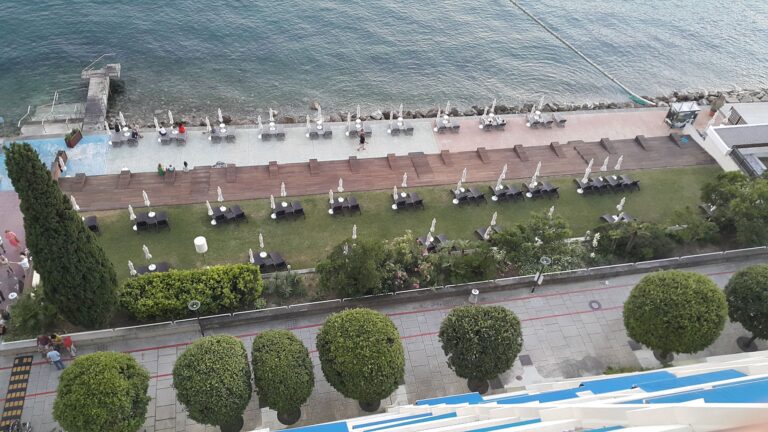
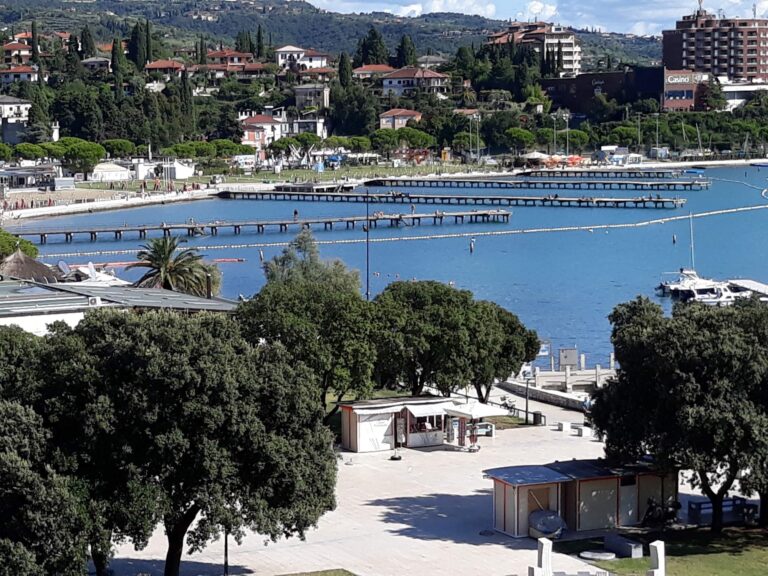
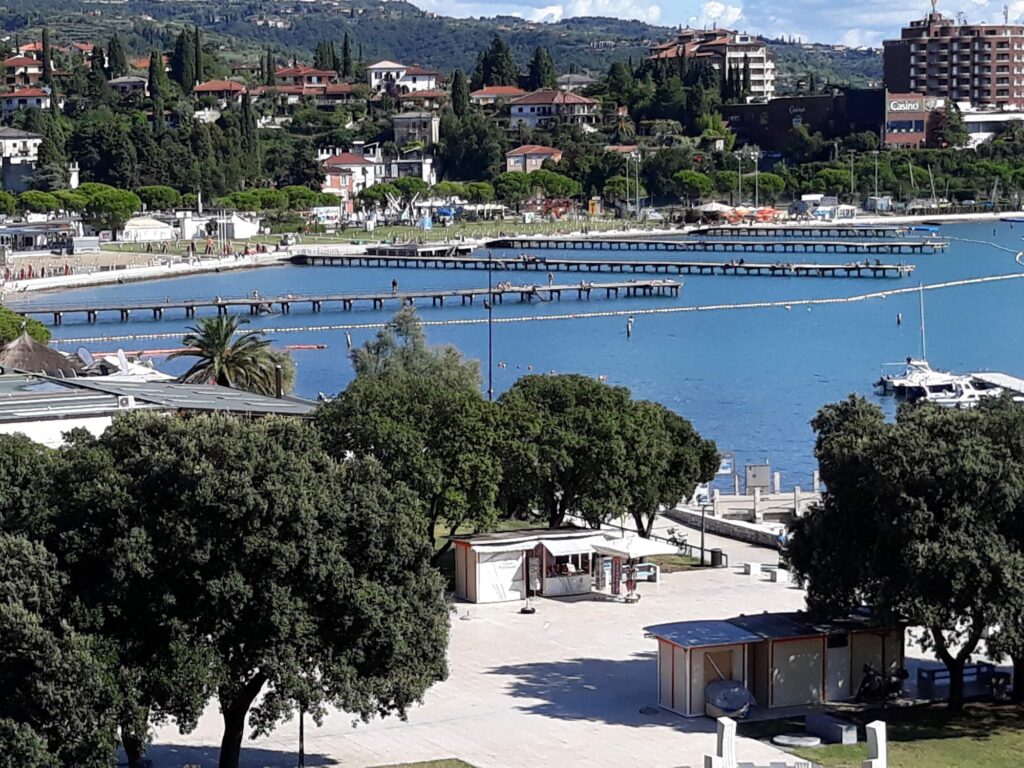
I also heard, more than once from locals rather than in any official brochure, a far less romantic nickname some Slovenes use for the place: Portobeton — port of concrete. It’s a pointed bit of local irony, and standing on the wide, flat promenade surrounded by hotel towers and casino signage, I understood exactly where it comes from. Portorož doesn’t have the Venetian old town that Piran or Izola offer, and it doesn’t pretend to. What it offers instead is something closer to a modern spa resort that happens to sit on the Adriatic, and I think it’s more honest to describe it that way than to oversell the charm.
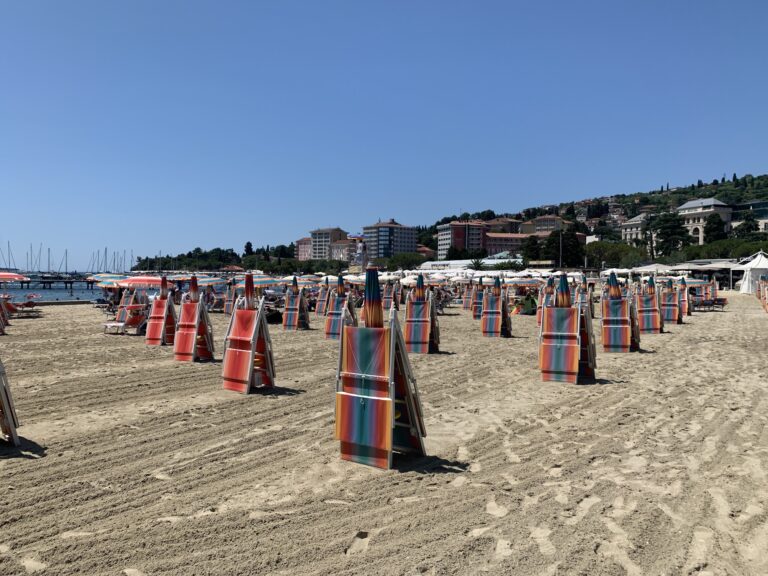
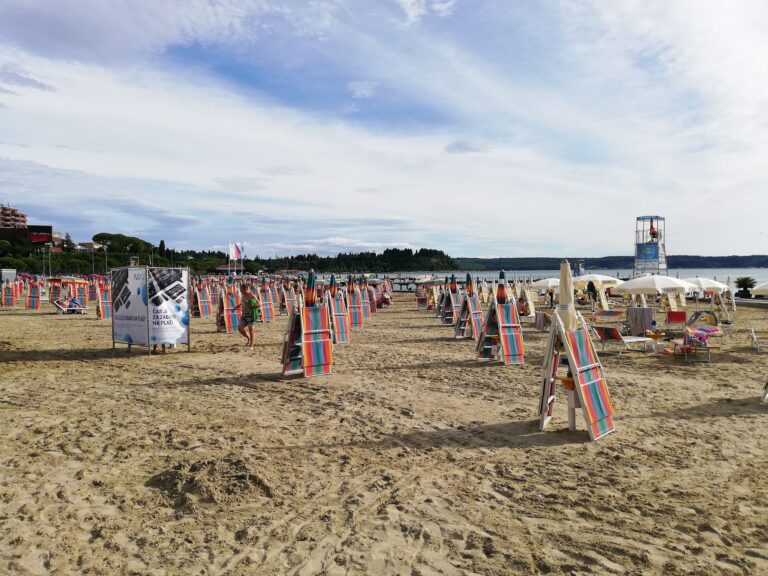
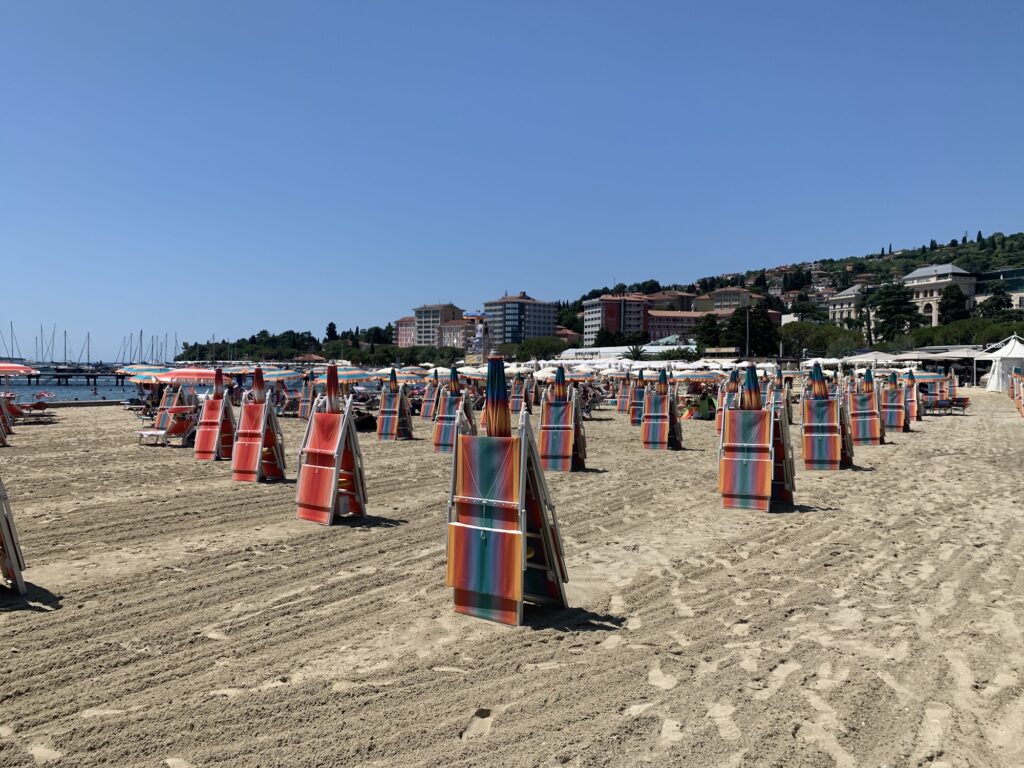
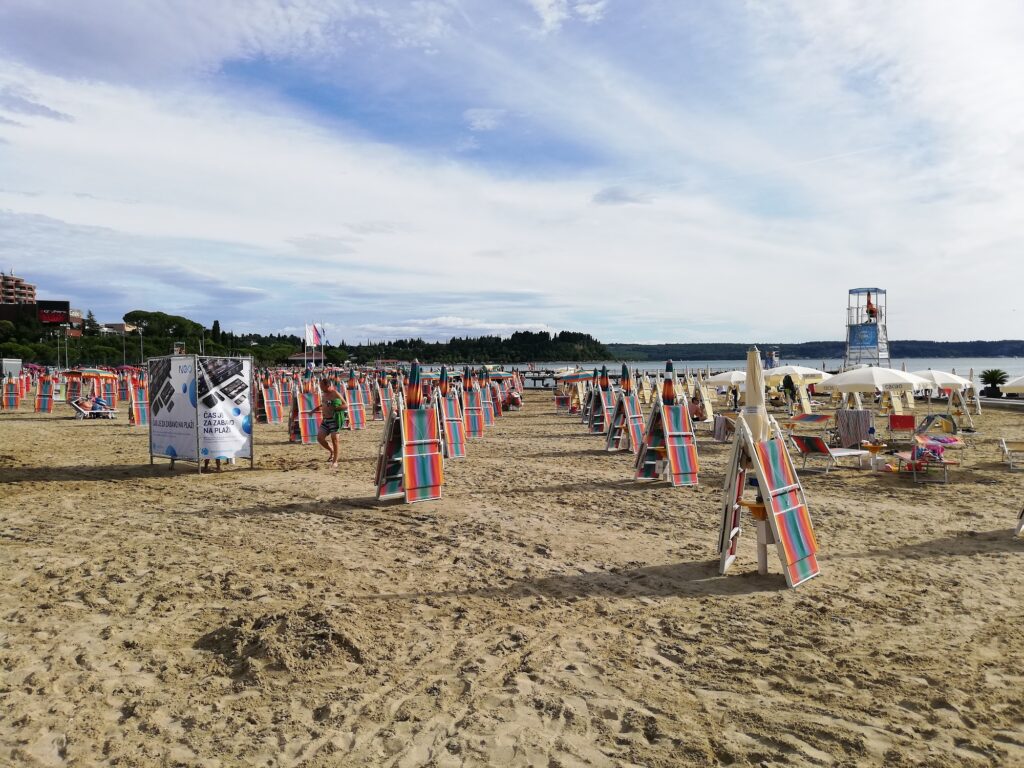
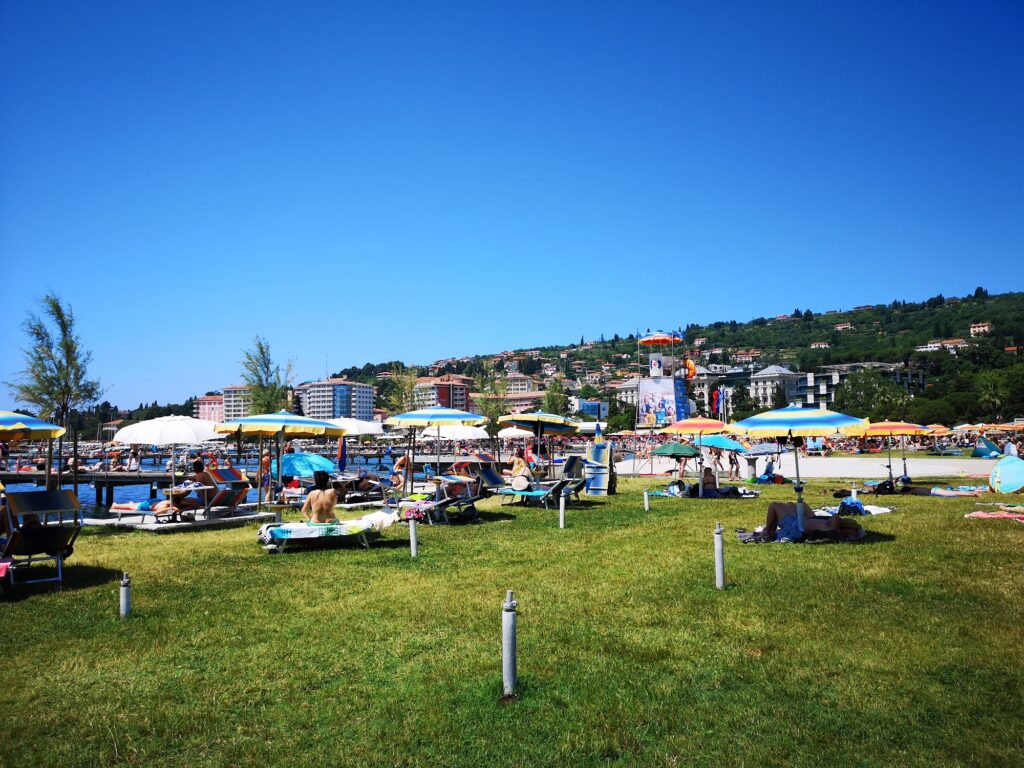
The beach itself is, by most accounts I trust, largely made of imported sand — a genuine rarity on a coast that’s otherwise pebble and rock almost everywhere else. I won’t pretend that bothered me while I was actually lying on it; it’s soft, it’s wide, and it does exactly what sand is meant to do. I just wouldn’t describe it, the way some glossier write-ups do, as some kind of natural marvel. It’s a manufactured comfort on a naturally rocky shoreline, and I think it’s worth knowing that going in rather than discovering it later.
A Genuinely Old Health Resort, Whatever the Concrete Suggests
What surprised me more than the sand was learning how old Portorož’s identity as a health destination actually is. Benedictine monks were using local saline mud and seawater for therapeutic treatment as far back as the 13th century, treating rheumatic illness and other conditions at a nearby monastery. The modern resort identity took shape much later, in the late 19th century, when the first proper spa opened in 1885 and the grand Palace Hotel followed in 1910, drawing aristocracy from across the Austro-Hungarian Empire. By the early 20th century, Portorož sat alongside Opatija, the Lido, and Grado as one of the grandest resorts on the entire Adriatic — a status that took a real hit through both World Wars before a 1968 regeneration project rebuilt much of what stands today.
The town still leans hard into that wellness identity. I counted references to six separate spa and wellness centres while researching, and the therapeutic mud and brine treatments drawing on the same salt pans and thermal waters the monks were using eight hundred years ago are still very much the main draw for a large share of visitors, alongside the casino that’s operated here in one form or another since 1913.
Getting There: Easy by Almost Any Method
I drove down from Koper along the coastal expressway and found parking in one of the multi-storey paid garages running parallel to the beach — straightforward, if not cheap. Regular buses connect from Koper’s main terminal every fifteen to thirty minutes, dropping passengers directly at the central Portorož station plaza, a two-minute flat walk from the sand.
The nicest way in, by far, was the walk I took from Piran — a flat, paved path wrapping the peninsula coastline, taking around thirty minutes at an easy pace with the sea on one side the whole way. I’d genuinely recommend this route over driving if you’re staying in either town, since it turns the journey itself into part of the day rather than just a means of arriving.
The Beach: Wide, Flat, Organised, and Genuinely Easy for Families
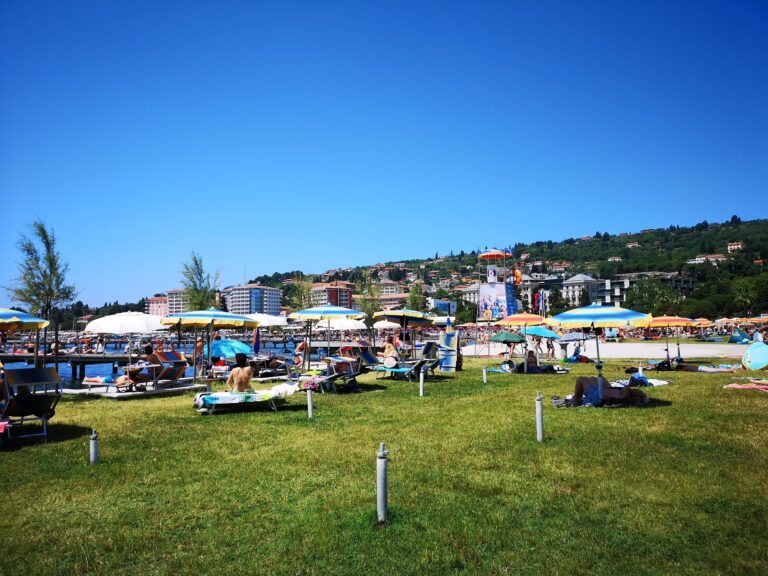
Whatever I think about the imported sand, I can’t argue with how practical the beach actually is. It’s wide, flat, swept clean each morning, and slopes into the water so gradually that I watched toddlers wading out a long way before the water reached their knees. Wooden piers extend into the bay with sturdy ladders for swimmers who’d rather skip the sand entirely, and the whole stretch is lined with rented sunbeds, canopied cabanas, and the kind of polished resort infrastructure that leaves very little to improvise.
Lifeguards were stationed and clearly visible the whole time I was there, and the water itself stayed calm and warm, sheltered well within the wider gulf. Water sports operators run jet skis, banana boats, parasailing, and flyboarding from dedicated piers, and a couple of inflatable water parks floated in the shallows for kids wanting something more active than a straightforward swim. I’d call this the single easiest beach for a family with young children that I found anywhere on this coast — not the most characterful, but unquestionably the most convenient.
Eating, Drinking, and the Promenade After Dark
The promenade behind the beach runs the full social spectrum, from casual gelato and burek stands to proper à la carte seafood restaurants. I had truffle pasta one evening that genuinely impressed me, and a far more forgettable seafood risotto the next, which felt about right for a resort this size — quality varies, and I’d choose somewhere with a visible crowd of locals rather than purely tourists if given the choice. After dark, the casinos and bars take over, and the atmosphere shifts from family beach to something closer to a livelier, slightly louder evening scene.
Portorož takes its name, “port of roses,” from a 13th-century church rather than any actual flowers — the rose garden everyone photographs today came centuries later. The beach itself is largely imported sand, wide and flat and genuinely easy for families, even if some locals nickname the whole place “Portobeton” for its concrete, modern resort character rather than any Venetian charm. The town’s identity as a health resort runs genuinely deep, back to Benedictine monks using local mud and seawater eight centuries ago. Easy to reach by car, bus, or a genuinely pleasant thirty-minute walk from Piran.
Walk it from Piran if you can — it’s the best way to arrive. Come for the convenience and the spa culture, not for historic charm; save that for Piran itself. Choose your restaurant carefully and you’ll eat well.
Map
Sorry, no records were found. Please adjust your search criteria and try again.
Sorry, unable to load the Maps API.
Near by places: