Bolata Beach Bulgaria: Red Cliffs and World-Class Bay
Profile
Bolata Beach, Bulgaria: The Horseshoe Bay With Red Iron-Oxide Cliffs Named One of the 20 Most Beautiful Beaches in Europe, Member of the Most Beautiful Bays in the World Club
Bulgaria | Bulgarevo | Kavarna Municipality, Dobrich Province
Bolata entered the prestigious Most Beautiful Bays in the World club, where 28 states are represented, defending the glory of 38 marvellous bays across the globe.
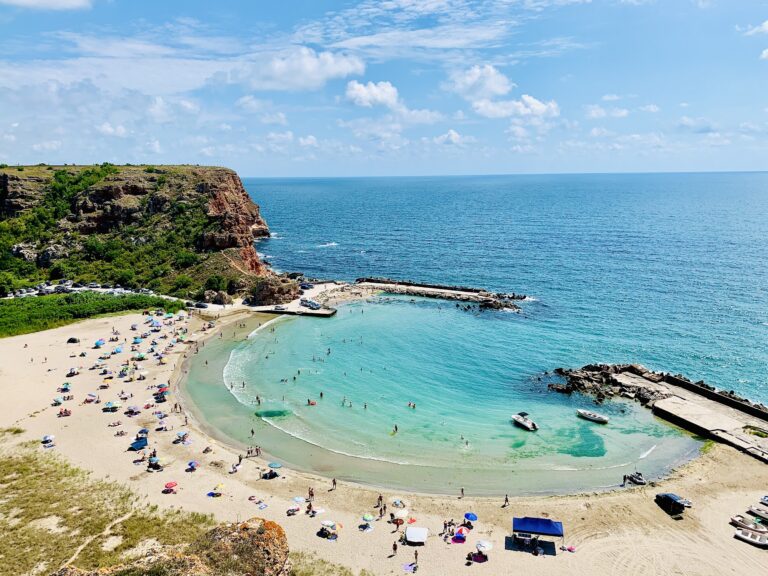
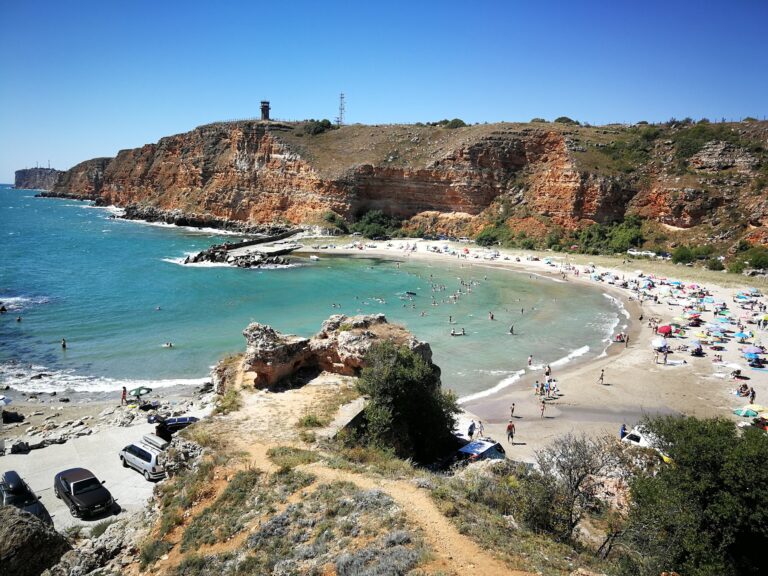
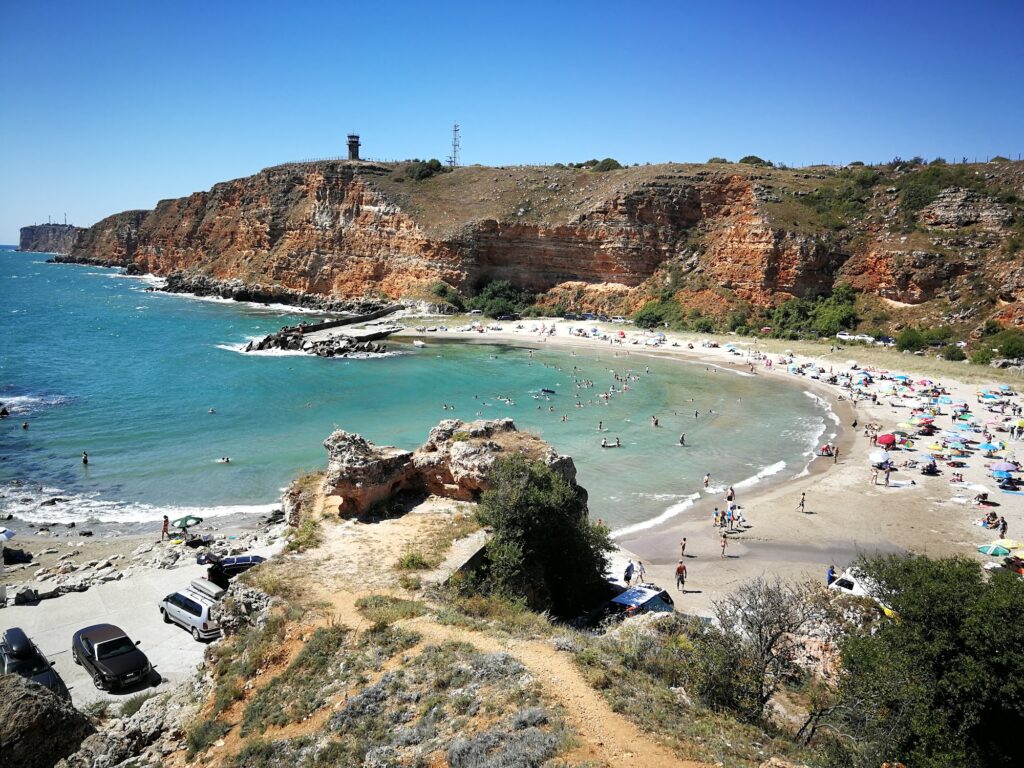
In 2019, the crescent-shaped bay was named one of the 20 most beautiful beaches in Europe. The bay that competes for global recognition with the Bodrum Bay in Turkey and the Grikos Bay of Patmos in Greece is a small sandy beach at the bottom of a narrow gorge cut through red limestone cliffs in the northernmost corner of the Bulgarian Black Sea coast.
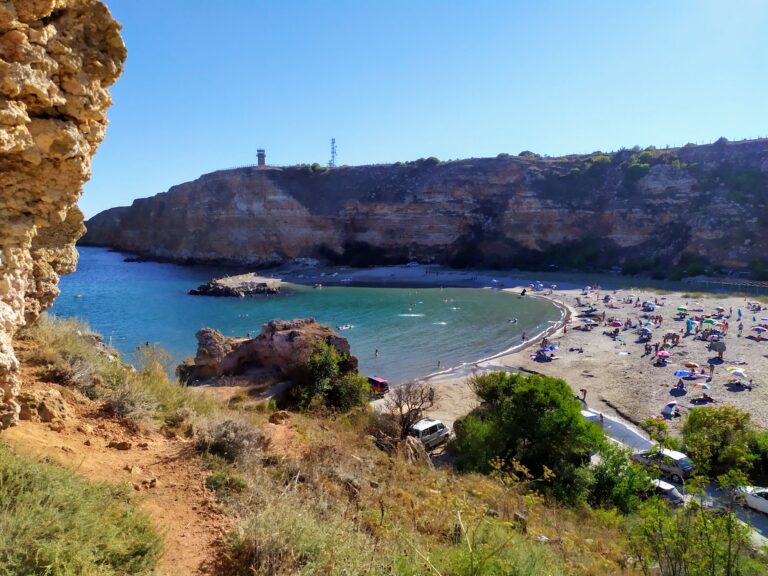
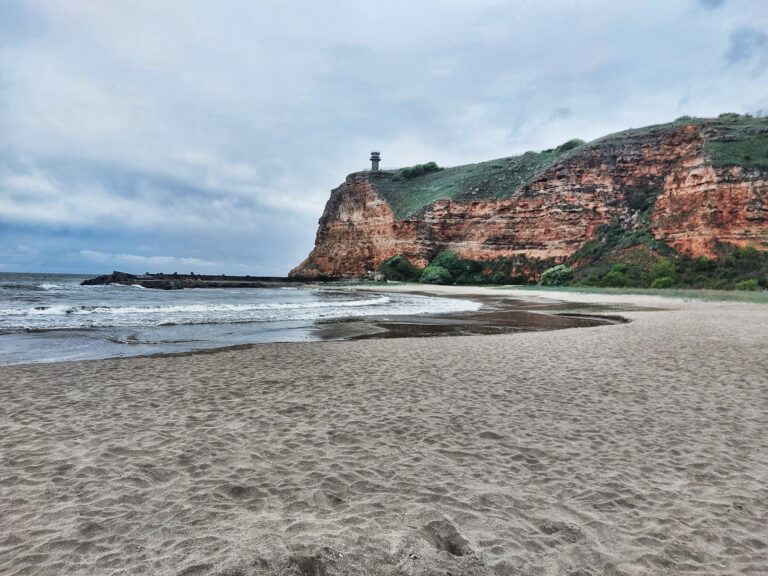
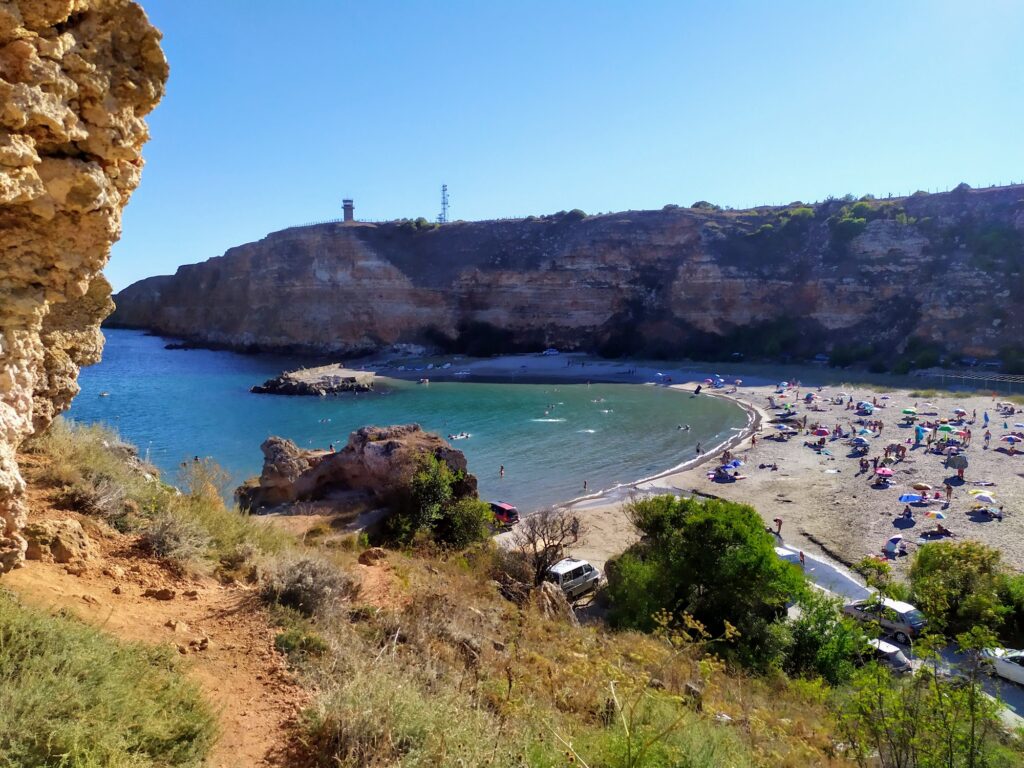
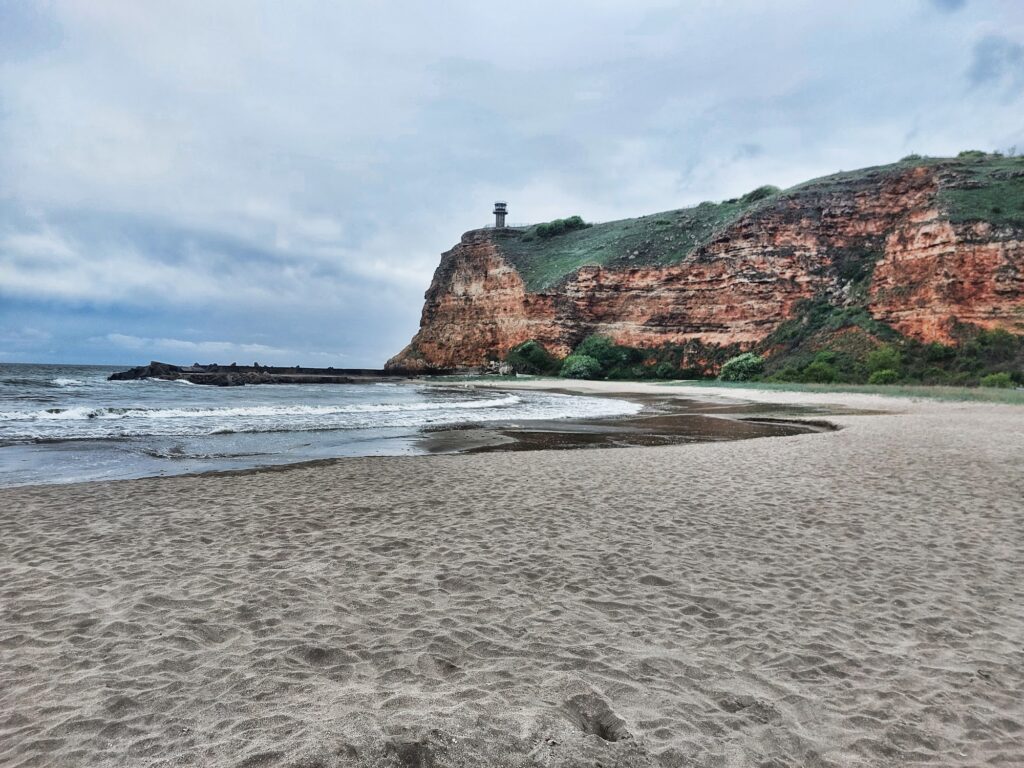
Bolata is a sea bay with a natural beach, near the village of Bulgarevo, located north of Cape Kaliakra. High limestone reddish cliffs rise along the bay. A small river forms a narrow gorge and a marsh, just before it flows into the sea. The bay is quite shallow near the shore, which makes it a preferred place for people with small children.
Limestone rocks in the area are red because of iron oxide from clay that fills the cracks. The red colour is the geological explanation for the crimson appearance that the aerial photographs show — iron oxide in the clay-filled cracks of the Cretaceous limestone producing the terracotta and brick-red tones that distinguish Bolata from the white or grey cliffs of most Black Sea headlands.
Its proximity to a military base limited access for a long time, which has further helped preserve it from human activity.
Getting There: Narrow Gorge Road from Bulgarevo, 2km Descent, No Public Transport, Paid Parking
From Kavarna, drive north toward the village of Bulgarevo. Once through the village, follow signs for Cape Kaliakra, then take the sharp left turn down the gorge road leading to the bay. The last 2 kilometres of the road are narrow and steep — descend slowly. Parking is paid and at the top of the descent before the final approach.
By bicycle, the 6-kilometre route from Bulgarevo follows the cliff edge with views over the Via Pontica migration corridor.
There is no public transport to Bolata. Car hire or a taxi from Kavarna is the only practical approach for visitors without their own vehicle.
The Bay: Horseshoe Shape, Red Cliffs, Small Sandy Beach, Shallow Warm Water, Paid Parasols
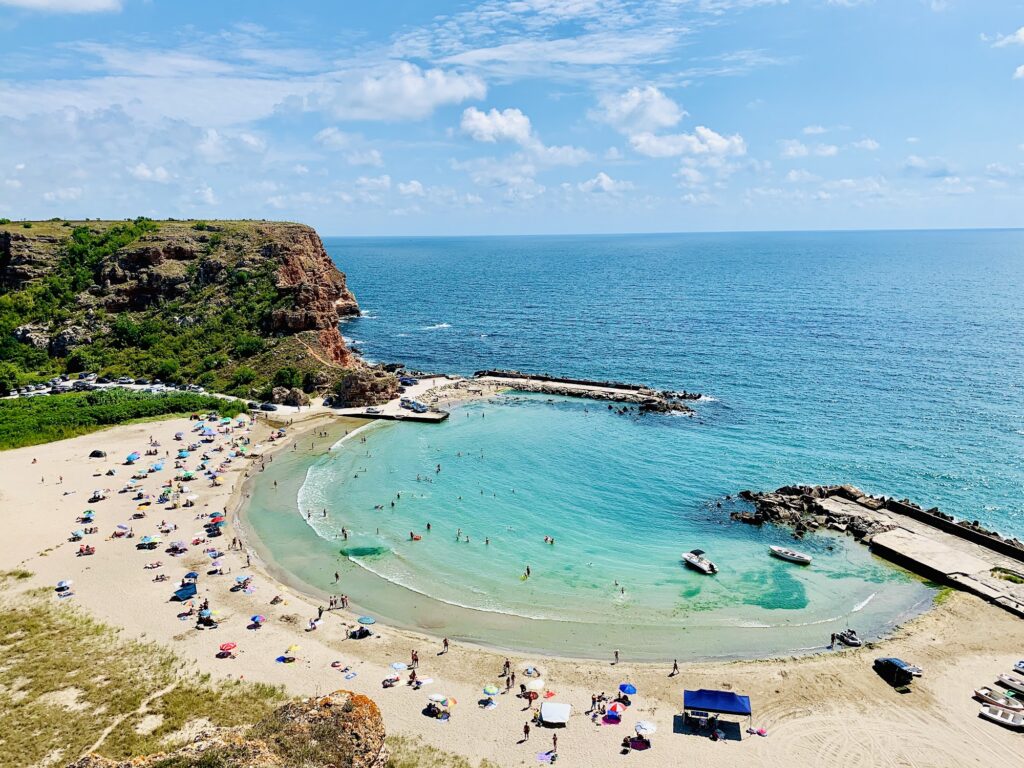
Bolata Beach is a small bay with a sand strip and a pier for fishermen boats. There are high rocky formations on both sides of the strip, where a number of caves are situated. The beach strip is small, but favoured by many residents of Varna during weekends. It is often overcrowded. There are paid parasols and little space left to put your own parasol. The seawater is frequently still due to the artificial wave-breakers that keep the beach from turbulent water.
The overcrowding on weekends is the honest practical note — Bolata is 90 kilometres from Varna, close enough for a day trip, and the combination of its natural beauty and its reputation draws large crowds on summer weekends. Visiting on a weekday is the consistent recommendation.
The shallow, calm bay is genuinely good for young children: the wave-breakers installed on both sides of the bay entrance reduce the open Black Sea swell to essentially nothing inside. The result is the pool-like stillness that makes Bolata appear calm even when the wind is blowing further north.
The Only Aquatory Reserve in Bulgaria: What It Means
Bolata is part of the Kaliakra Reserve — one of three protected areas in Bulgaria that include an aquatic area. Of the three, only Kaliakra is a reserve. Being part of a protected area, camping is not allowed on and around Bolata Beach.
Bolata is the only reserve in Bulgaria that includes an aquatory, inhabited by various fish species. Scuba divers adore the bay, since many caves can be found in the cliffs under the water.
The aquatory designation means the underwater environment — the submerged cliff faces, the sea caves, the fish populations — is protected by reserve status as well as the land. This is the specific ecological rarity: the protection extends below the waterline. Scuba diving and underwater photography are the specific activities that the protected aquatory enables and rewards.
Via Pontica: 29,000 Storks in Autumn, 100 Species Requiring Special Preservation
Via Pontica, the second most important migratory route of wild birds in Europe, passes over Bolata.
Every autumn between August and October, thousands of birds fly through the reserve including approximately 29,000 storks, pelicans and cranes, as well as over 3,000 birds of prey, including the globally endangered Pallid Harrier, the Saker Falcon, and the Eastern Imperial Eagle.
Some rare species can be observed there like earthborn fisherman bird, water bull, herons, grebe birds and kingfishers, bitterns and ducks.
Bolata in the autumn migration window — late August through October — is one of the premier birdwatching locations in Bulgaria. The Via Pontica passes directly over the gorge, and the wetland at the river mouth provides a rest and feeding stop for the migrating species.
The Caves and the Archaeological Finds: 400 BC Settlement, Maltese Cross, Trade with Venice
Remains of an ancient settlement and evidence of life from around 400 BC have been found at Bolata. A Maltese cross has also been discovered, which indicates active trade between the Second Bulgarian Empire and Venice and Genoa. Other findings include stone circles, sacrificial stones, and rock dwellings.
The caves in the cliffs — visible from the beach and accessible by kayak — are the archaeological context for a bay that has been used by humans for 2,400 years. The Maltese cross evidence of Venetian and Genoese trade during the Second Bulgarian Empire (12th–14th centuries) connects this small bay to the medieval Black Sea merchant network.
Cape Kaliakra: The 40 Maidens and the Second Longest Bird Migration Route in Europe
Cape Kaliakra — the dramatic limestone headland extending into the Black Sea beyond Bolata — carries the specific legend of the 40 Bulgarian maidens who braided their hair together and jumped from the cliffs rather than surrender to Ottoman forces in the 14th century. The Gate of the 40 Maidens monument at the cape commemorates the act. The fortress ruins, the birdwatching, and the 300-degree sea view from the rock window off the marked pathway are the specific draws of the cape as an add-on to the Bolata visit.
Bolata Beach in the Kaliakra protected area is the red iron-oxide horseshoe bay — member of the Most Beautiful Bays in the World club, named one of the 20 most beautiful beaches in Europe in 2019, the only aquatory reserve in Bulgaria, no camping allowed, crowded on summer weekends (visit on a weekday), paid parasols and limited free space, 29,000 storks overhead in autumn via Via Pontica, the Maltese cross and 400 BC settlement finds in the caves, and Cape Kaliakra with the 40 maidens legend a short drive north.
Drive down the narrow gorge. Park at the top. Walk to the bay.
Come back in autumn for the storks.
Map
Sorry, no records were found. Please adjust your search criteria and try again.
Sorry, unable to load the Maps API.
Near by places: