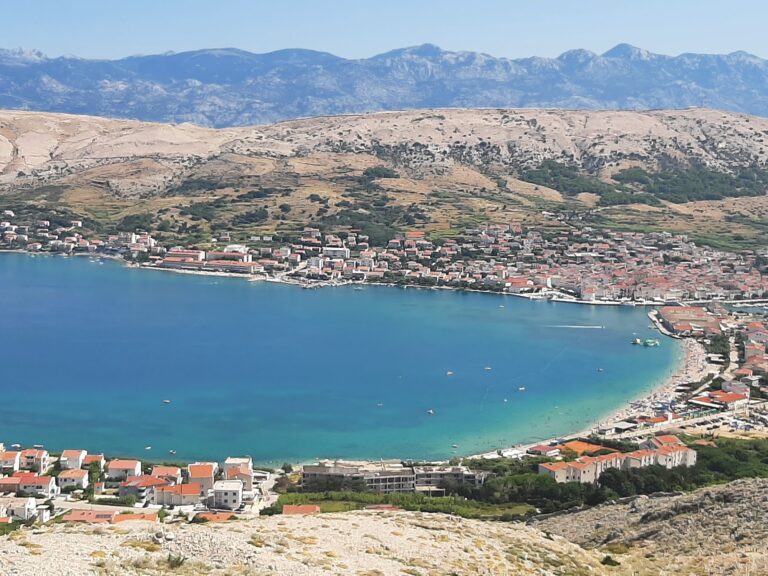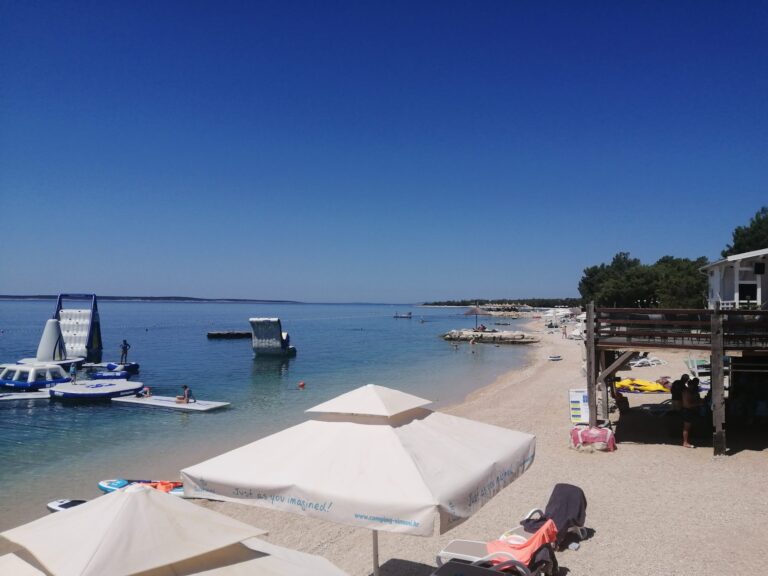
Plaža Vlašići Pag Island: Red Soil Bay Near the Bridge
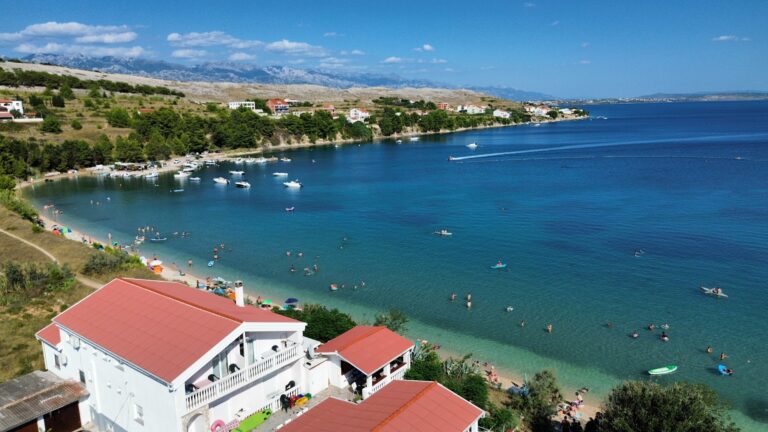
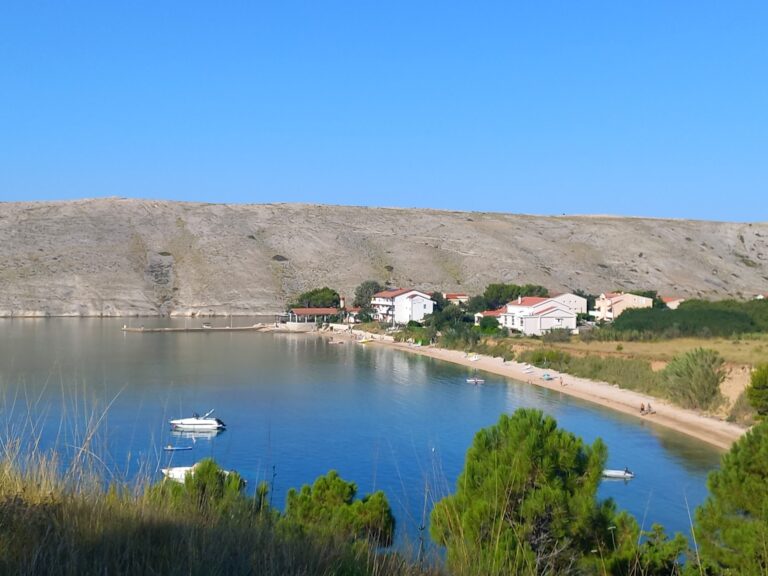
Profile
Plaža Vlašići, Pag Island: The Red Soil Bay and the Viniculture Village Near the Pag Bridge
Croatia | Vlašići | Pag Island
Pag Island has 302 kilometres of coastline — the most indented coastline of any island in Croatia — and the character of that coastline is almost entirely determined by the bora wind. The bare limestone ridgelines, the sparse vegetation, the white stone landscape that gives Pag its lunar character: all are products of the wind that descends from the Velebit mountain across the Velebit Channel and strips the island’s surface of everything that cannot withstand it. The southern end of Pag Island, protected by the mass of the island itself from the direct northern exposure, has a different character — valleys, vineyards, olive groves, and the green agricultural landscape that the shelter from the bora permits.
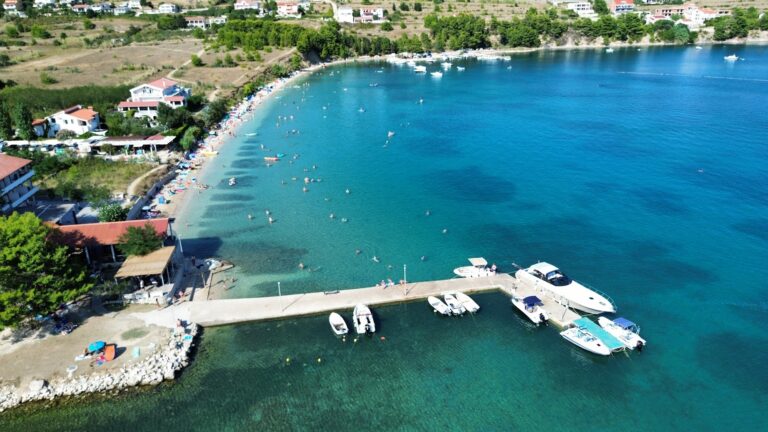
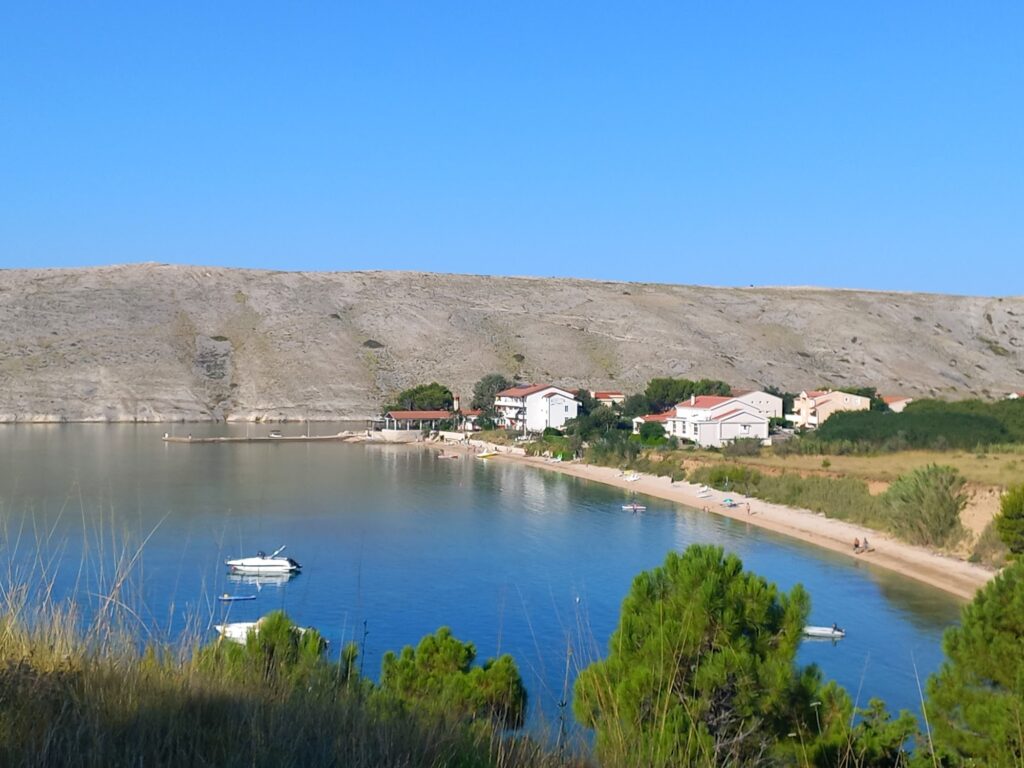
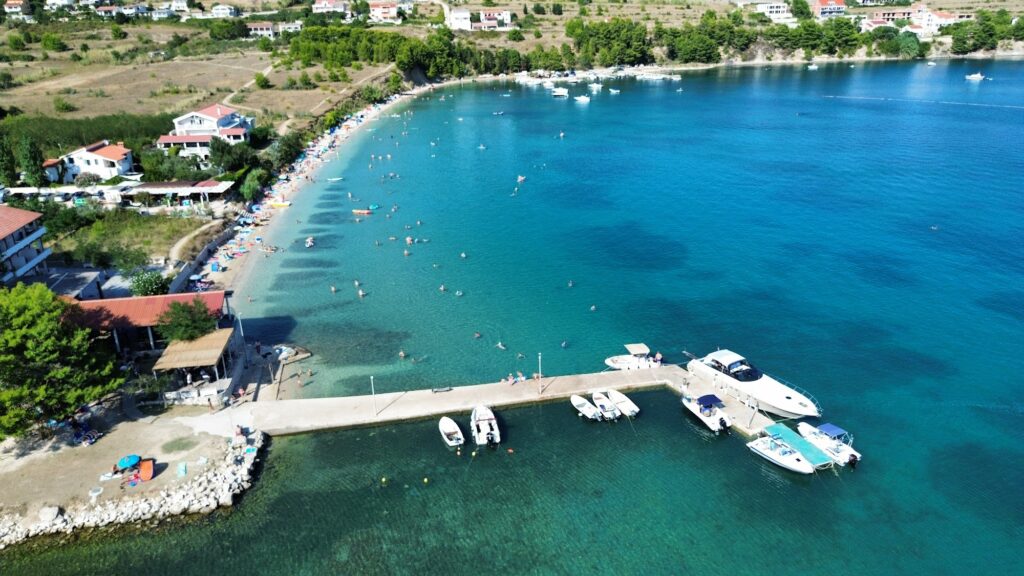
Plaža Vlašići is in that sheltered southern zone. Vlašići is located in the southern part of the island of Pag, near the small village of Smokvica and approximately 15 kilometres from Povljana. The beach is one of the most beautiful on Pag — it is specifically surrounded by a natural red soil wall. The red soil is iron-rich clay that the Mediterranean weathering of the island’s limestone has produced in the valley behind the bay — the same oxidised iron chemistry that creates the red-earth landscapes of Istria, here concentrated in the walls of the bay. The contrast between the red clay of the cliff and slope and the turquoise shallow water of the bay is the visual quality that makes the beach appear in every “best beaches on Pag” list.
Getting There: Past the Pag Bridge, Through Vlašići Village, Narrow Road to the Beach
From the Pag Bridge (Paški Most) — the mainland connection at the island’s southern end — the village of Vlašići is a few kilometres along the island road. The beach is 0.7 kilometres from the village centre, reachable by the access road that visitor accounts consistently describe as narrow, unpaved in the final section, and limited in parking. Paid parking is available at the entrance; spaces are limited and fill early in peak season. Although Vlašići Beach is in a remote village with narrow roads and only limited parking, it deserves to be ranked among the best beaches — the most beautiful water on Pag Island.
By bicycle, the village is accessible from the bridge approach road in approximately 15 to 20 minutes — the island’s southern zone is flat enough to make the cycle comfortable, and the vineyard landscape of the approach is the specific Vlašići quality that the road-only approach provides.
By boat, the bay’s sheltered position makes it an accessible anchorage from the Pag southern channel — the approach from Pag town by motor boat takes approximately 30 minutes along the island’s eastern coast.
The Beach: 300 Metres of Fine Pebble, the Red Soil Walls, and the Shallow Warm Water
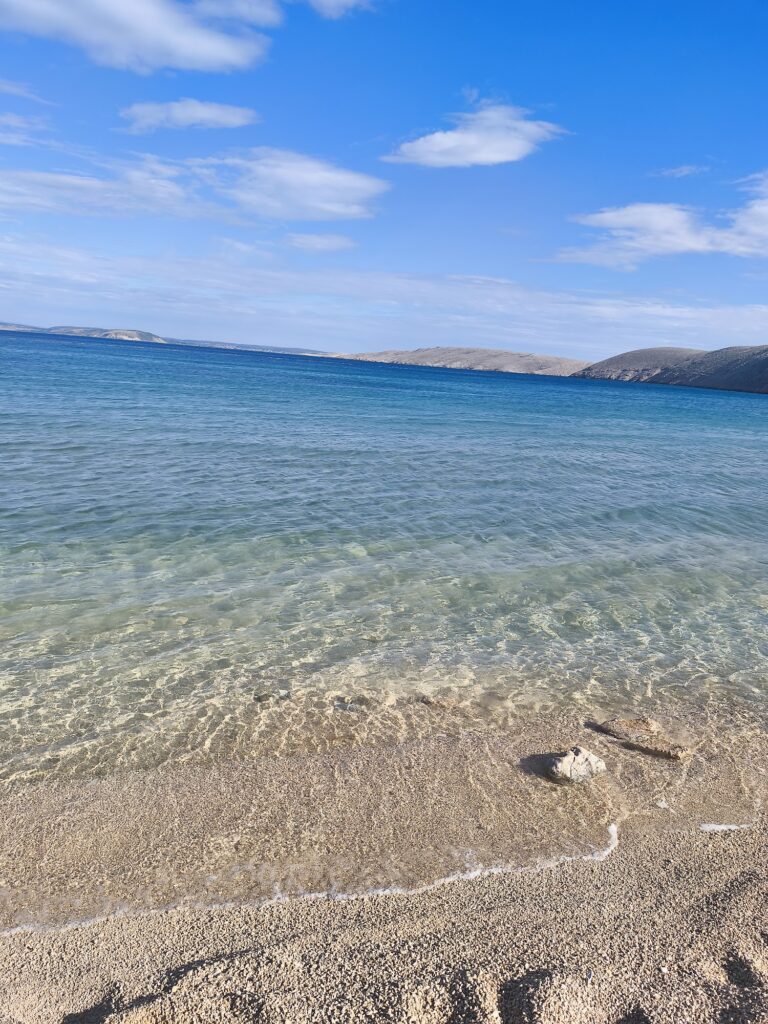
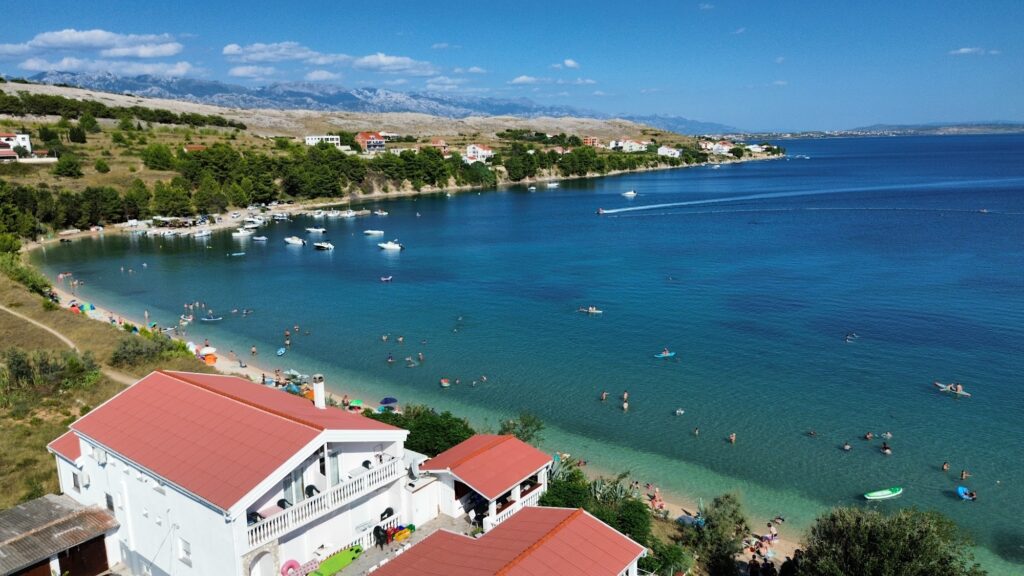
Vlašići Beach is 300 metres of fine pebble and gravel, enclosed by the distinctive red soil walls that give the bay its character. The beach is one of the most beautiful sandy beaches on Pag Island — sheltered from the wind and waves, with the best conditions for playing, relaxing, and swimming. The water is gently sloping, and kayaks and pedal boats can be rented. A restaurant offers refreshments during the season.
The water barely reaches shoulder depth even when wading far from the shoreline — the visitor accounts consistently note this as the defining practical quality of the beach, making it exceptional for children and non-swimmers. The gradual depth also means the sun warms the shallow water to comfortable swimming temperature quickly in the early season, making Vlašići one of the most accessible Pag beaches in June when the deeper-water beaches of the northern island are still cold.
The beach’s sheltered bay position within the southern Pag geography means it is protected from the bora and from the maestral that affects the more exposed northern beaches. On days when Zrće and the northern Pag beaches are windy and choppy, Vlašići is calm.
Facilities include deckchairs and umbrellas for hire (visitor accounts note the price as €20 for two chairs and an umbrella — on the higher end for an otherwise basic beach), showers, changing cabins, one restaurant, and one bar. There are no additional services within walking distance; the village is 0.7 kilometres away.
The Village of Vlašići: St. Jerome’s Church (1401) and the Viniculture Tradition
Vlašići is a small village with a rich tradition of viniculture, located in the southern part of Pag Island. The green of the fertile valley and numerous vines make it immediately clear that during a holiday in Vlašići visitors can enjoy the local wine and fresh fruit. At the centre of the village is the Parish Church of St. Jerome, built in 1401.
The Parish Church of St. Jerome is one of the oldest standing ecclesiastical structures in the Pag southern zone — built at the same period as the Pag stone lace tradition was becoming established, and reflecting the same late Gothic architectural character that the Dalmatian island churches of that era produced throughout the Zadar archdiocese.
The viniculture identity of Vlašići is directly connected to the valley character of the southern island — the shelter from the bora that the northern island never has, the red soil that the clay-limestone geology produces, and the Mediterranean microclimate that the enclosed valley position maintains. The Pag wine tradition uses the local Žutica grape variety (a local name for Žilavka or similar white varieties) and the vineyard landscape of the valley approach to Vlašići is the specific visual context that the village’s tourism character builds on.
The Red Soil Walls: Pag’s Most Distinctive Beach Setting
The red soil walls that enclose Vlašići bay are the feature that makes the beach photogenic in a way that is specific to this location on Pag — and unusual for the Zadar archipelago, whose beaches are typically defined by white limestone rather than iron-rich clay. The same red-clay geology appears at Duboka Draga on Vir Island to the north (the “Red Beach” of Vir, already covered in this series), and at specific locations on Istria’s interior. At Vlašići, the clay forms the bay walls rather than the cliff face, enclosing the beach in a semicircular red-and-green landscape whose colour contrast with the turquoise water is the visual signature of the beach.
Vlašići in the Pag Island Beach Context
Pag Island’s beach offer spans from the bora-exposed wild pebble coves of the northern coast through the party beaches of Novalja and Zrće to the sheltered sandy and pebble bays of the southern island. Vlašići is the most distinctive single beach of the southern zone — Plaža Šimuni Pag Island on the western coast is the resort beach of the southern Pag zone, with full facilities and the camping context, while Vlašići is the wild-beauty exception in the same southern zone.
For visitors comparing Vlašići with the other notable southern Pag beach — Plaža Planjka Trinćel Pag Island at Stara Novalja (Blue Flag, sandy, well-equipped, resort character) — the distinction is between the designed, managed, full-facility family beach and the distinctive natural-beauty beach with limited facilities and the access-road filter that keeps it quieter.
Plaža Vlašići on Pag Island is the 300-metre fine pebble beach enclosed by red soil walls a few kilometres south of the Pag Bridge — the shallow warm water, the viniculture village above, the Parish Church of St. Jerome from 1401, and the specific red-clay visual signature that makes it the most unusual-looking beach on the southern island.
Drive across the Pag Bridge and follow the road to Vlašići village. Park at the entrance.
The red clay and the turquoise water will be in the same proportion as every photograph of the beach suggests.
Map
Sorry, no records were found. Please adjust your search criteria and try again.
Sorry, unable to load the Maps API.
Near by places: