
Agios Isidoros Beach: Near Delphi's Old Port
Profile
Agios Isidoros Beach: Near the Port That Poisoned Pilgrims
Greece | Phocis | Corinthian Gulf | Delphic Coast
Ancient tradition holds that Kirrha, the coastal settlement whose ruins sit near modern Itea, a short drive from Agios Isidoros Beach, once controlled the sea approach to Delphi and used that position to rob and mistreat pilgrims traveling to consult the Oracle. According to the ancient sources, that mistreatment provoked the First Sacred War around 595 BC, an alliance of Greek states, Athens among them, laying siege to the city until, in the most dramatic version of events, the Athenian statesman Solon diverted the River Pleistos and poisoned it with hellebore root before letting it flow back into Kirrha, an act some historians consider among the earliest recorded uses of chemical warfare anywhere in human history. Kirrha was destroyed, its population reportedly killed, and its land dedicated to Apollo, the war’s end marked by the founding of the Pythian Games.
Modern archaeology complicates that neat narrative considerably. Recent excavations have found no clear evidence of Kirrha’s destruction at the time the ancient sources describe, and some scholars now suspect the whole story may have been constructed later to justify Delphi’s territorial claims rather than reflecting genuine sixth-century events. What the digging has confirmed, though, is that people settled this exact stretch of coast far earlier than anyone previously thought, pottery finds pushing habitation back into the Neolithic period, long before Delphi’s oracle had any fame to protect at all.
Smooth Pebbles Giving Way to Soft Sand
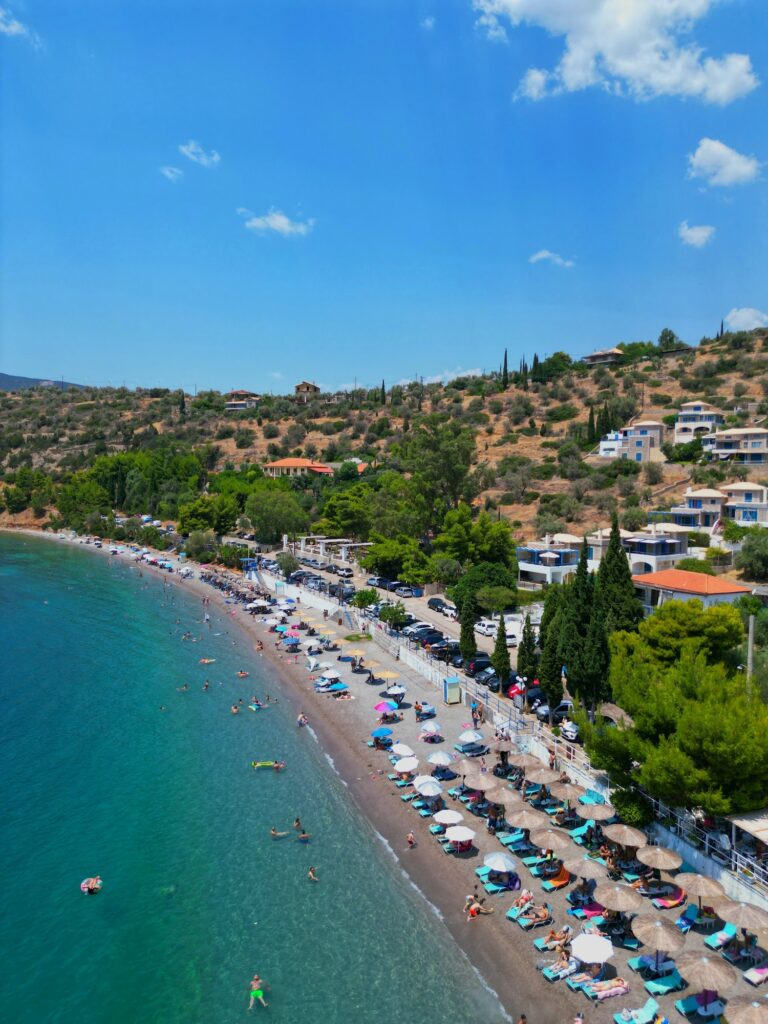
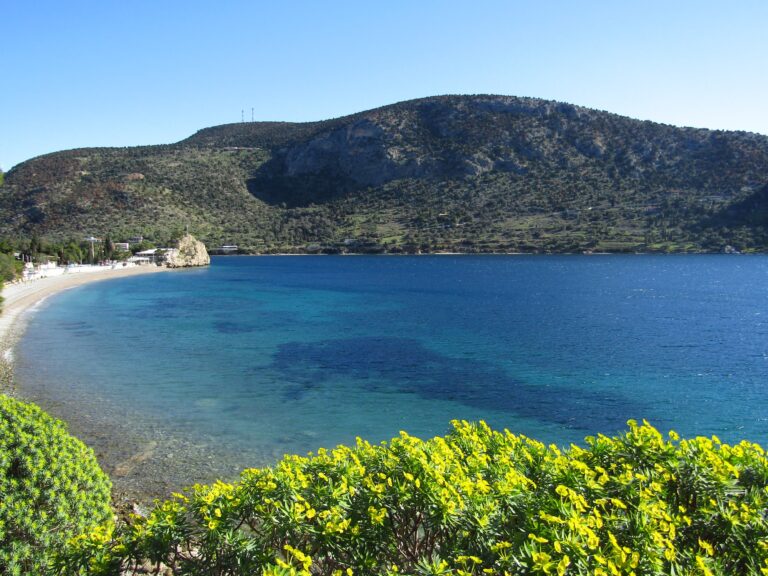
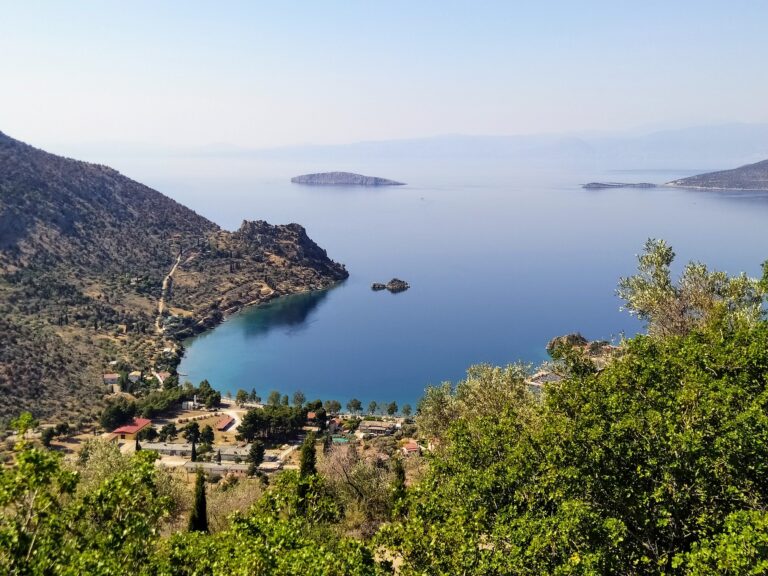
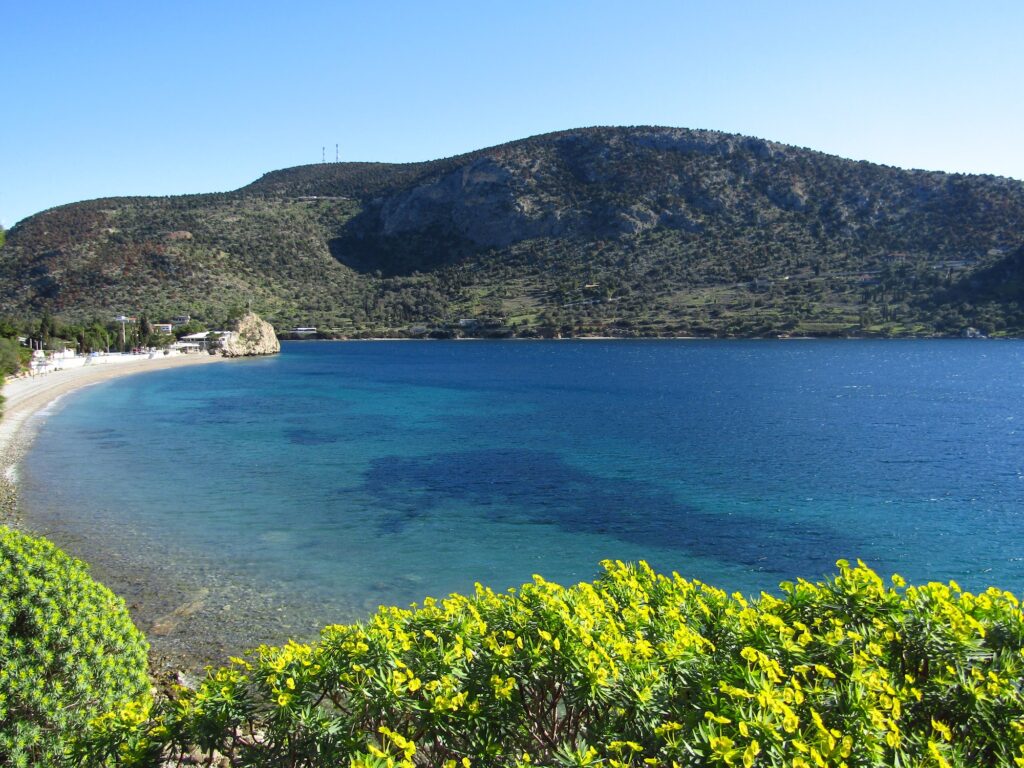
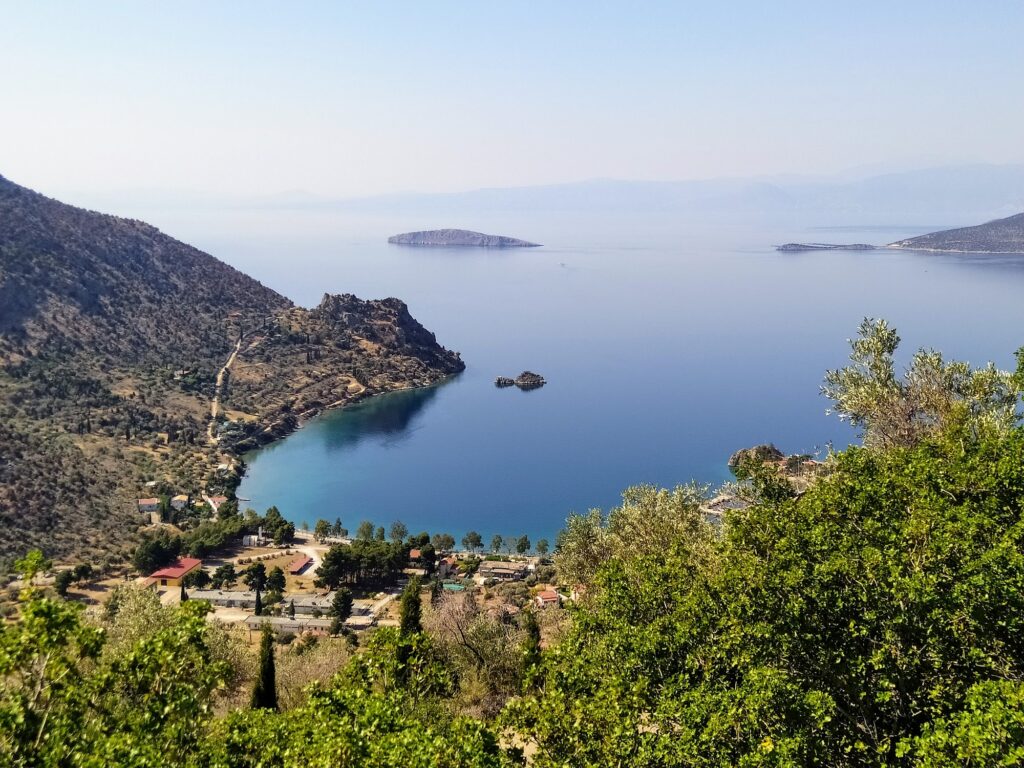
Agios Isidoros itself offers a genuinely comfortable shore, fine pebbles and shingle transitioning into soft sand as the water deepens, and I found the width here gave real room to find a private corner even during busy summer weeks. The bay’s shelter from heavy maritime traffic kept the water remarkably clear, emerald near the shore deepening into sapphire further out, and the mixed sand-and-rock seabed made for genuinely rewarding snorkeling.
A Well-Managed Beach With Genuine Family Appeal
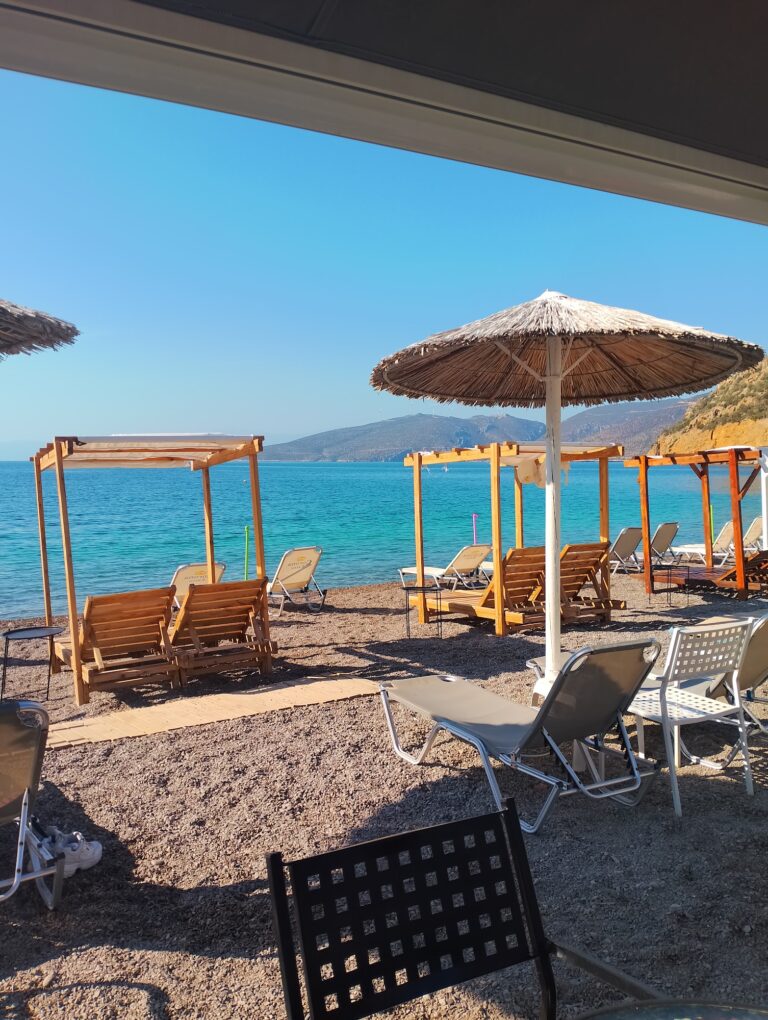
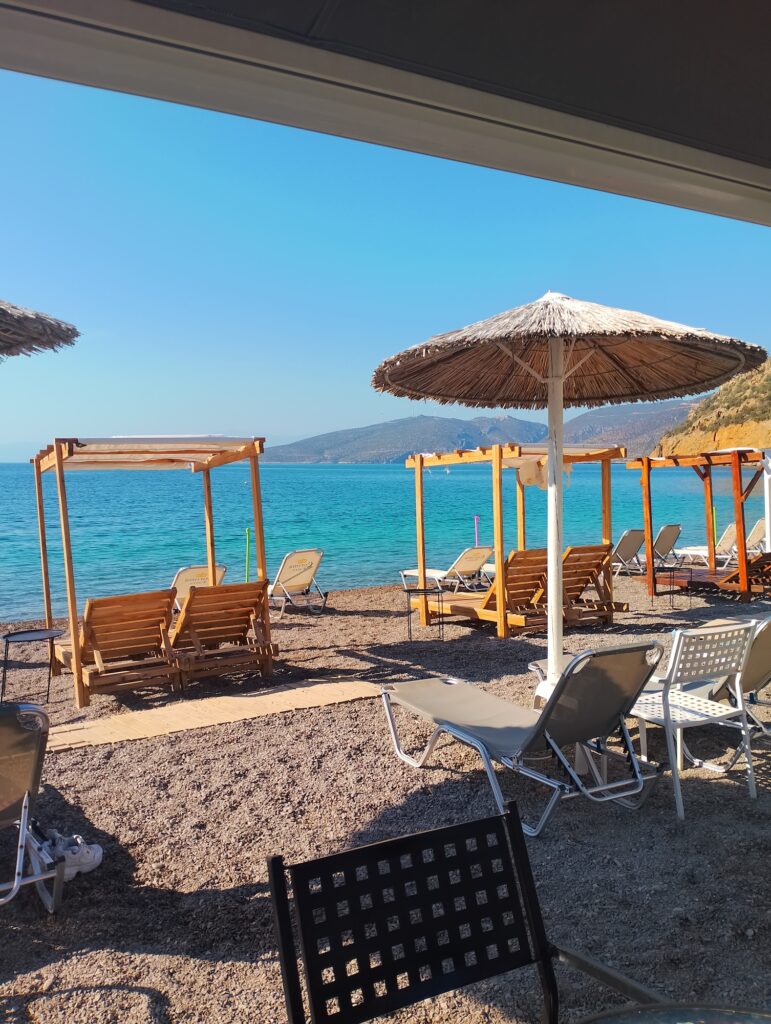
A single beach bar manages a section of sunbeds and umbrellas, and certified lifeguards patrol through peak season, the bay’s generally calm, wave-sheltered character making this a genuinely safe environment for families with young children. Given how organized this managed section is, I’d expect dogs to need explicit permission there, with any unorganized stretches likely following the standard Greek rule for leashed access. Paved access paths lead to the water for anyone with mobility needs, a detail I found genuinely well thought out compared to some steeper, less accessible beaches on this coast.
Getting There From Itea or Straight From Delphi
Agios Isidoros sits about twenty to twenty-five minutes east of Itea along the coastal road toward Antikyra, the route offering steady views across the Corinthian Gulf; anyone visiting the Oracle at Delphi will find the beach just thirty-five minutes away, a genuinely fitting place to cool off after a morning spent walking the same sanctuary that Kirrha’s port once served, willingly or not. A dedicated parking area sits near the beach entrance, arriving before eleven on weekends worth the effort for a shaded spot.
Standing Where a Legend May Have Outgrown Its Own Facts
By the time I left Agios Isidoros on my last evening, I found myself thinking less about hellebore and sieges than about how much of this coastline’s ancient reputation may rest on a story built generations after it supposedly happened, the actual, considerably older settlement beneath it only now being properly understood, the beach itself entirely unconcerned with which version of its own neighborhood’s history turns out to be true.
Map
Sorry, no records were found. Please adjust your search criteria and try again.
Sorry, unable to load the Maps API.