Potamos Beach Malia Crete: Quiet Shore by the Palace
Profile
Potamos Beach, Malia, Crete: The Quiet 700-Metre Shore Next to the Minoan Palace, Where the Locals Go on Weekends
Greece | Malia | Heraklion Prefecture, Crete
Potamos means river in Greek — the name reflecting the natural drainage that reaches the sea at this point on the Malia bay’s eastern edge. The beach sits adjacent to the Minoan Palace of Malia, the third largest Minoan palatial complex on Crete, dating from around 1900 BC. Because the palace archaeological site is a protected zone, the area around Potamos Beach cannot be developed. The result is the specific quality that makes it the beach it is: a semi-wild, largely uncommercialised shore directly next to one of the most significant Bronze Age sites in Europe.
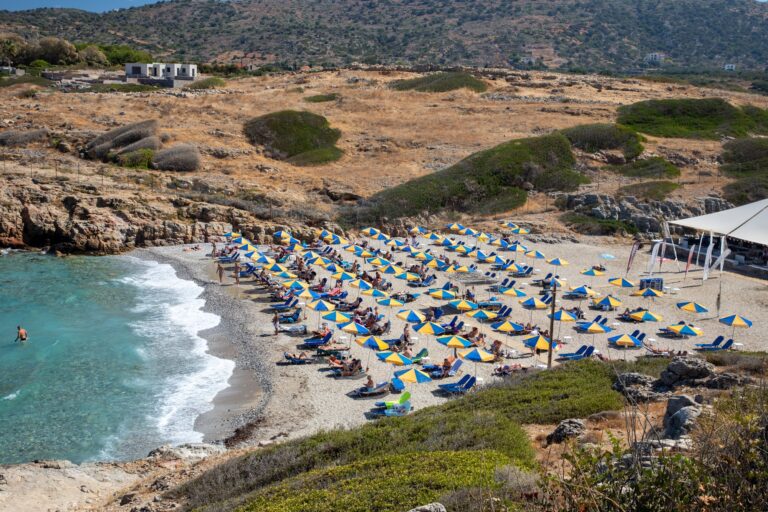
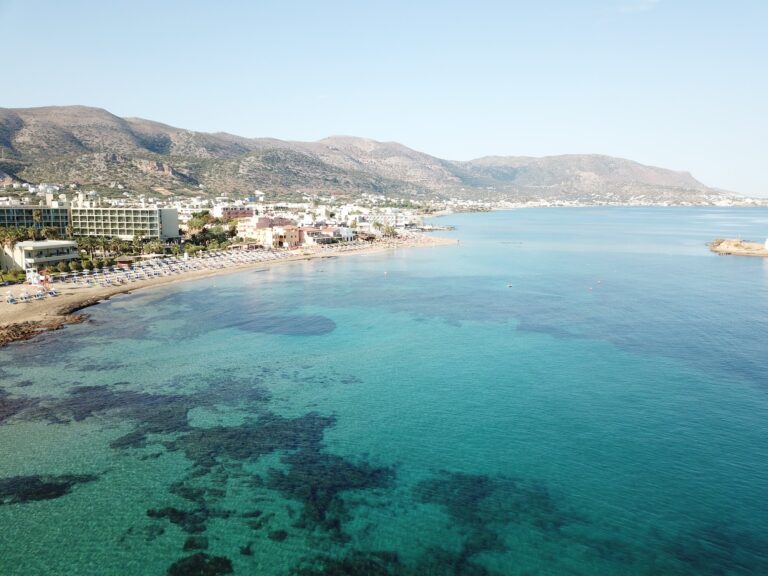
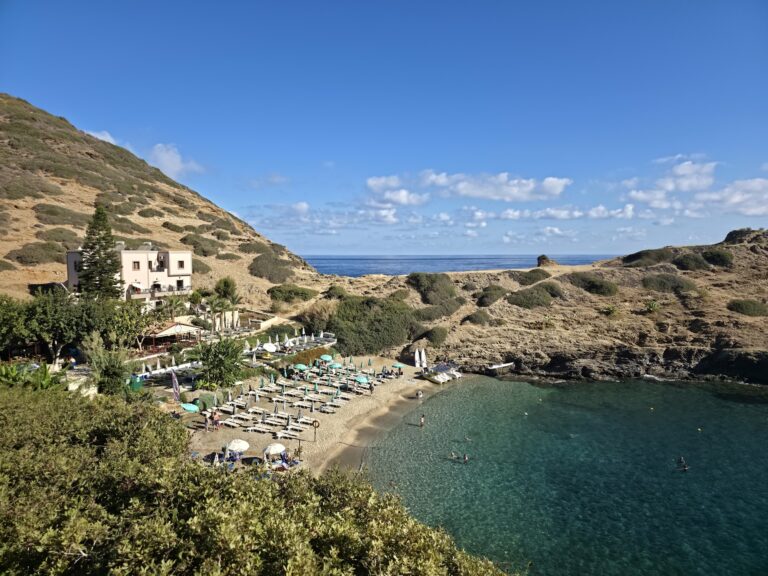
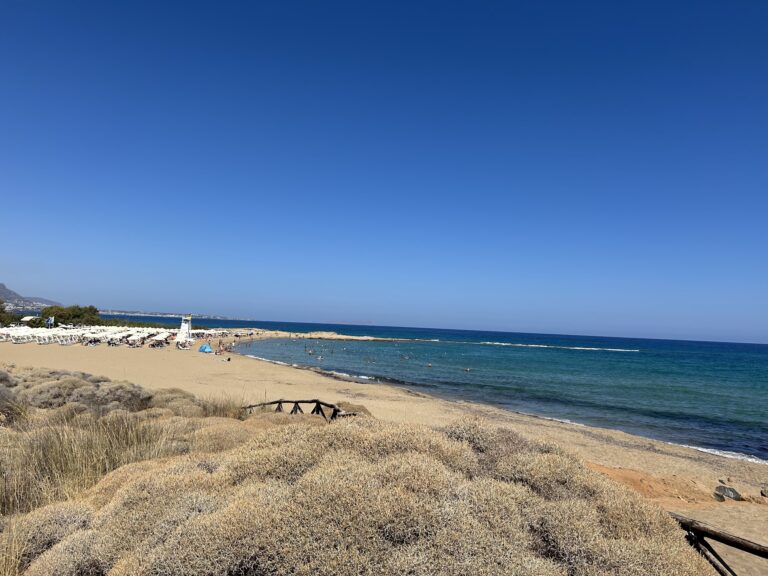
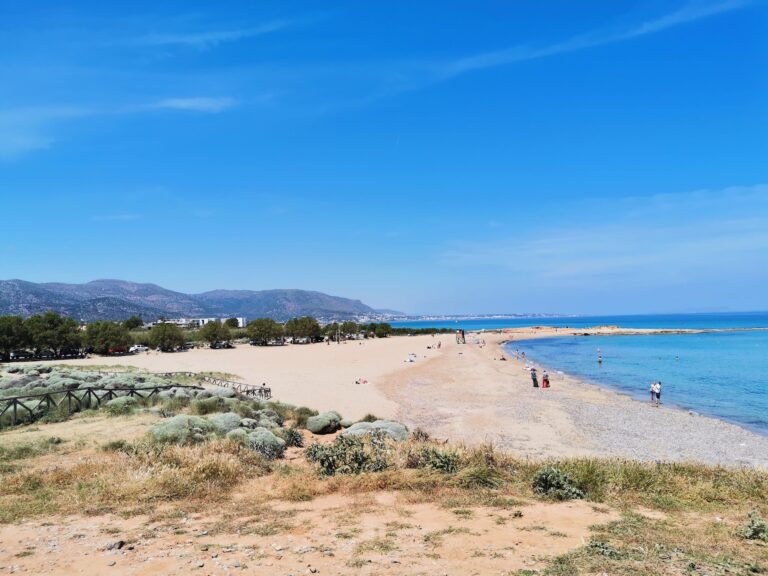
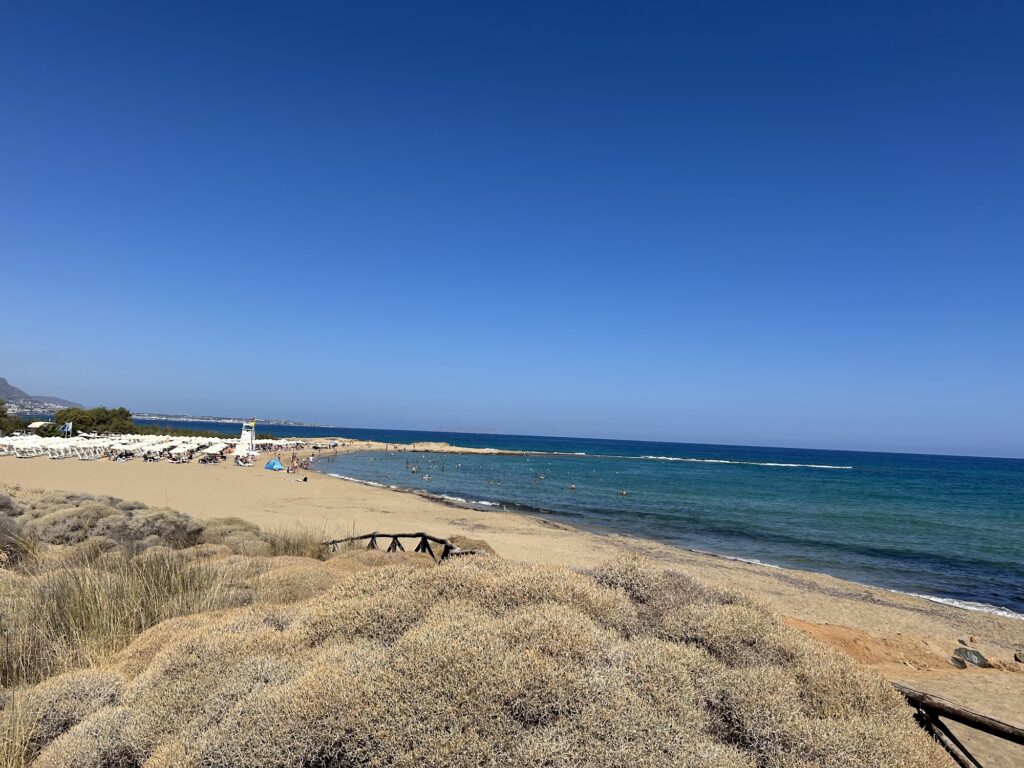
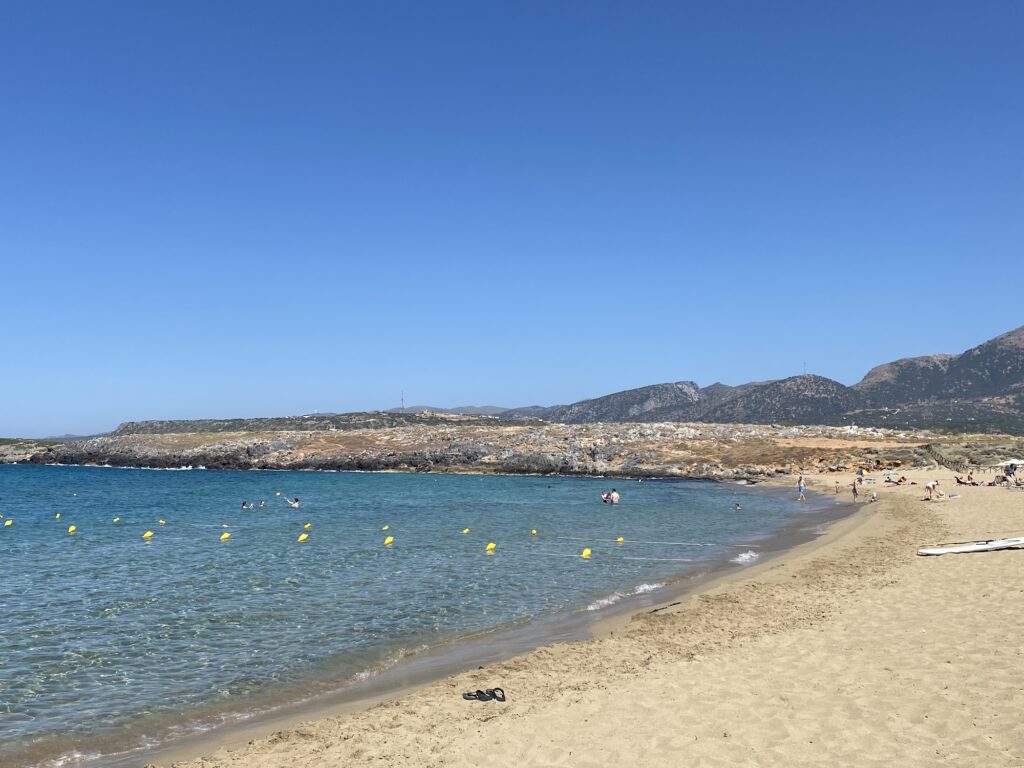
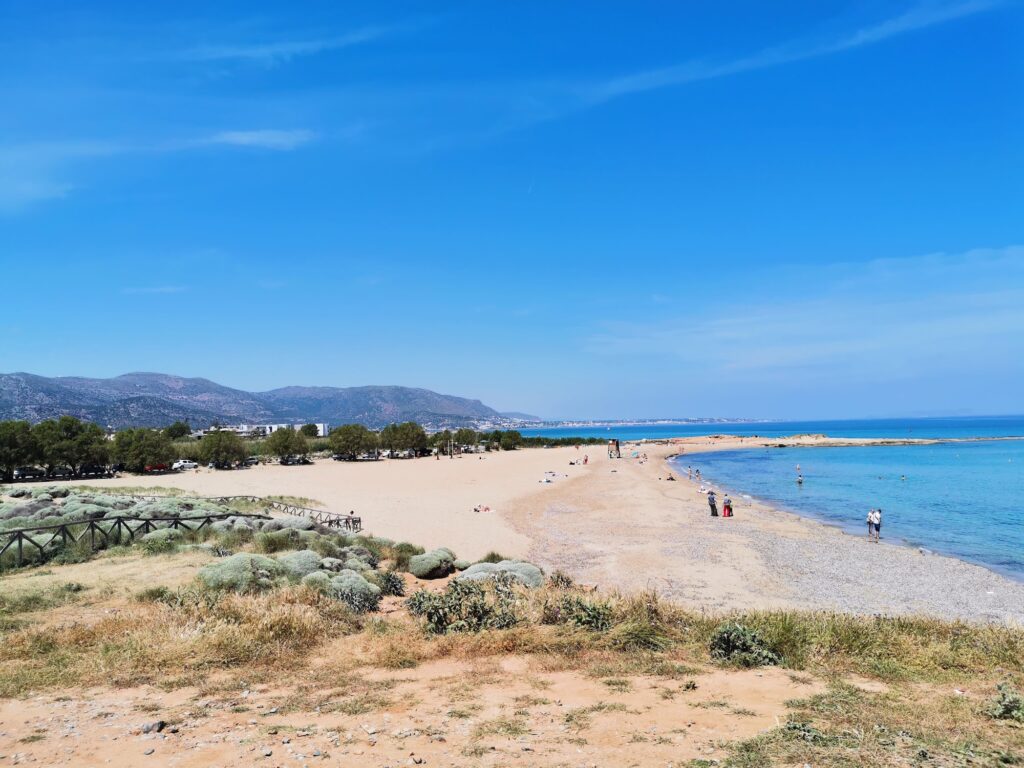
Potamos is the largest and quietest beach in the Malia area — semi-wild with a few coves of calm water, with only the eastern sector developed, about 200 metres out of a total length of 700 metres. If you prefer to swim or sunbathe without the loud music from the bars, go straight to Potamos, but avoid weekends as it is the locals’ favourite beach. Nearby is the Minoan Malia Palace archaeological site, and consequently the area is protected, with no constructions that interfere with the beauty of the natural landscape. At the edge of the beach, you will discover an old sand dune almost cemented, covered with dwarf vegetation and rocks, from where you can admire the whole of Malia Bay or go on a short walk.
The “avoid weekends” qualification is the specific local knowledge that the beach’s reputation among Heraklion and Malia residents produces — the best-kept local secret gets crowded on summer Saturdays and Sundays. The weekday version of Potamos is the quiet beach beside ancient ruins that the property-protection zone enables.
Getting There: Follow Signs for Malia Minoan Palace on the E75, Beach is Just Past the Site, Free Parking
From Heraklion, take the E75 national road east toward Agios Nikolaos and exit at Malia. Follow the signs for the Minoan Palace rather than the resort centre. The beach is located just past the archaeological site, approximately 3 kilometres east of Malia town centre.
The drive from Heraklion takes approximately 35 to 40 minutes. From Heraklion Airport the drive is slightly shorter — approximately 30 to 35 minutes.
By KTEL bus from Heraklion central station to Malia, then a local taxi or a 25-minute flat walk eastward toward the palace area. A direct bus to the palace runs every 15 to 30 minutes from the Malia town bus stop — the beach is immediately adjacent to the palace entrance.
Free parking is available directly behind the beach, described as abundant even in peak season — the protection zone around the palace means no hotel or resort development has occupied the access road, leaving the car park open and free.
The Beach: 700 Metres, 200 Metres Organised, 500 Metres Free, Semi-Wild Character
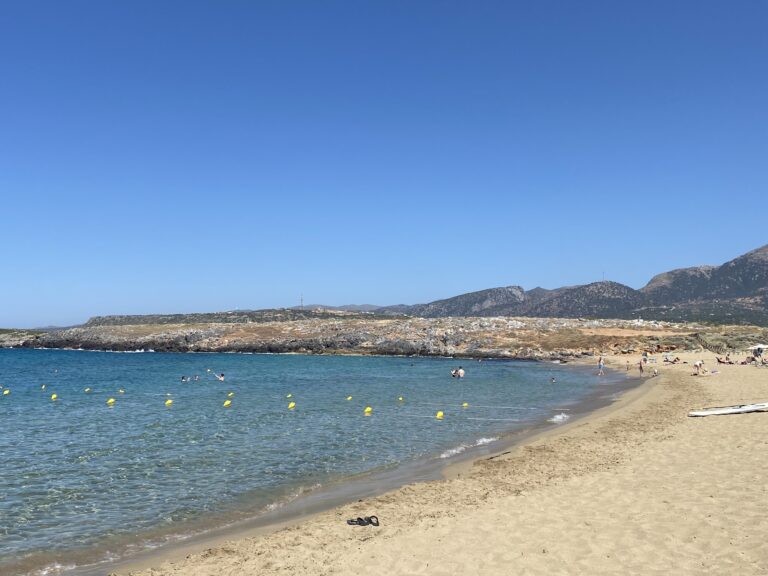
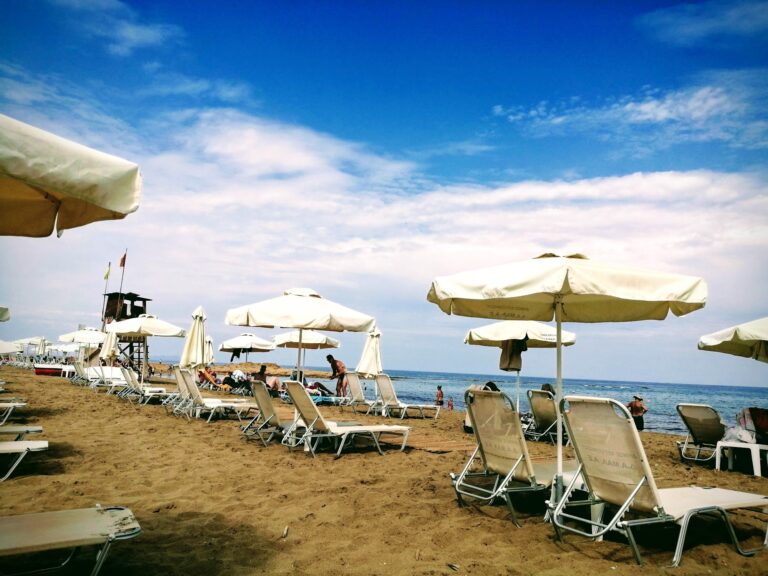
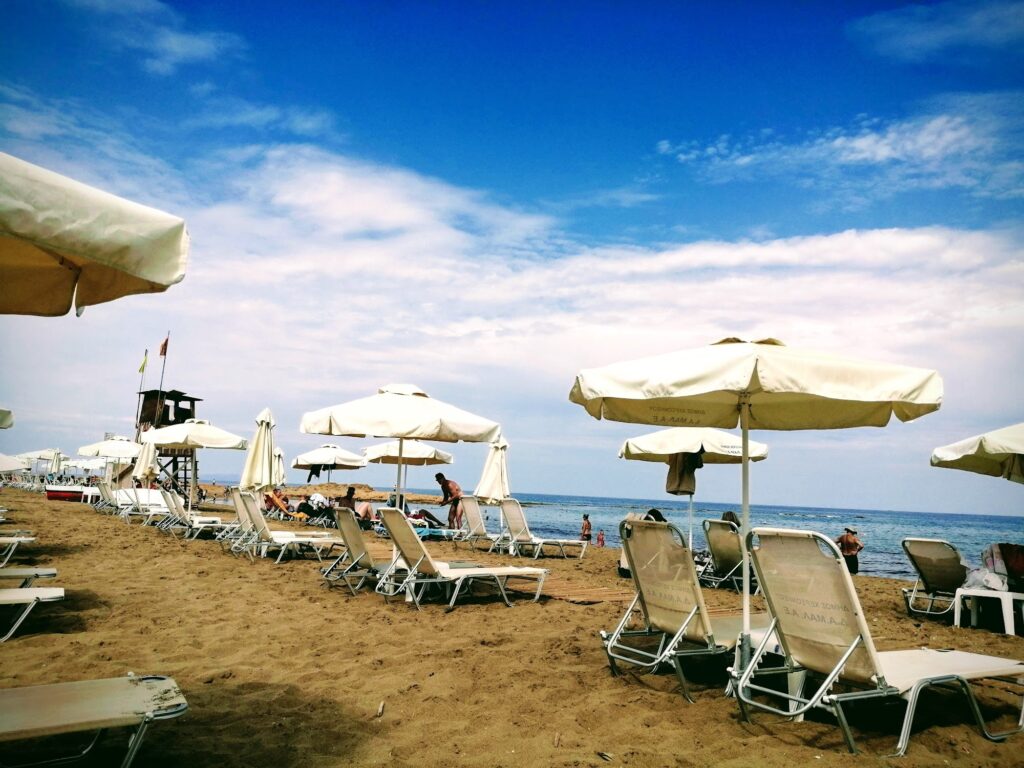
The 700-metre total length of Potamos Beach divides into two zones. The eastern 200 metres — the organised section closest to the palace access road — has sunbeds, a beach bar, and the facilities that the Blue Flag certification confirms are maintained to the required standard. The remaining 500 metres west of the organised section is free beach — no sunbeds, no beach bar, no umbrella hire. Spreading your own towel, finding a position against the sand dune, and spending the day in the undeveloped zone is the Potamos experience that the local residents make their weekend programme.
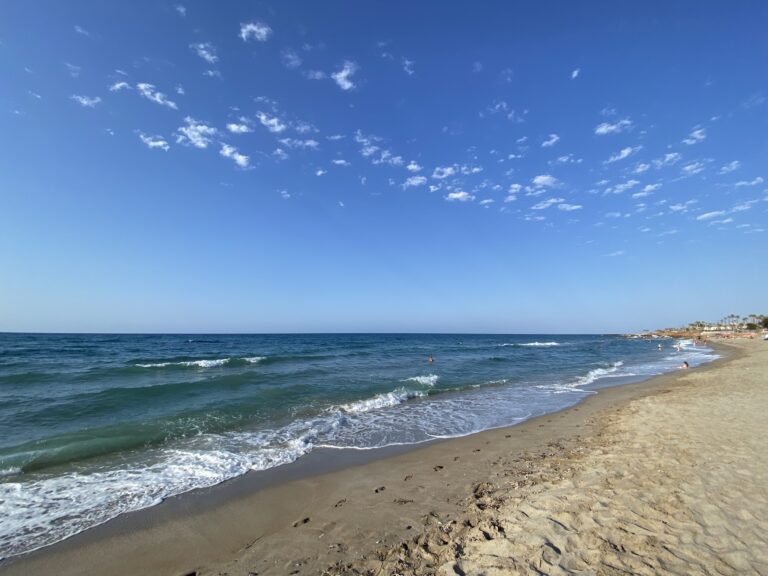
The sand is fine and golden, the water is calm and shallow — the same bay as Malia Beach to the west, with the same gentle seabed gradient. The archaeological protection zone means no boat traffic concentrates around the eastern end of the bay, which contributes to both the quiet and the water clarity.
The old sand dune at the beach edge — almost cemented with age, covered with dwarf vegetation and the coastal scrub that the protected area sustains — is the specific geological feature that visitor accounts describe as the walk destination from the beach. The view from the dune crest looks back across the full Malia Bay arc, from the resort strip in the west to the palace peninsula in the east.
The Minoan Palace: 3km from Malia Centre, €6 Entrance, Open Tuesday–Sunday
The Palace of Malia at the beach’s eastern edge is the specific reason that Potamos Beach is not just a quiet alternative to the main resort beach but a genuinely different kind of beach day. The palace entrance is a few hundred metres from the beach — the combination of a morning swim in the Aegean and an afternoon in one of the four great Minoan palatial complexes of Crete is the specific Potamos programme.
The palace features a giant central courtyard 48 by 23 metres, storage rooms with giant earthenware pithos jars up to two metres tall, a kernos stone (a ceremonial offering vessel), eight kouloures (circular pits) in the southwest corner, and metal and ceramic workshops excavated through ongoing French-Greek archaeological collaboration. Most new excavations are covered by a giant semi-transparent roof which protects them from torrential rain.
The Chrysolakkos necropolis — the burial site north of the palace where the golden bee pendant was discovered in 1880 — is adjacent to the palace grounds. The pendant itself is in the Archaeological Museum of Heraklion, and the scale models at the site’s small on-site museum help visitors understand the palace layout.
The Difference Between Potamos and Malia Beach
The practical distinction for visitors choosing between the two: Malia Beach Crete is the 6-kilometre resort beach connected to The Strip nightlife, beach bars with music, and the full water sports industry. Potamos is the 700-metre protected beach next to the ruins — 500 metres of it without commercial organisation, no music from bars, the archaeological protection zone preventing hotel development directly on the shoreline.
The visitor who wants the resort beach experience uses Malia Beach. The visitor who wants the quiet swim near antiquity uses Potamos. Both are on the same bay. The drive between the two is 3 kilometres. It is possible to do both on the same day: morning swimming at Potamos before the weekday crowd arrives, a palace visit in the late morning, then the resort beach bar for the afternoon if the mood changes.
The Protected Coastline East of Potamos
East of Potamos Beach, the archaeological protection zone and the natural coastline continue without resort development for some distance. The Malia bay’s eastern end is the wild, dune-fringed stretch of coast that the protection of the Minoan site has preserved incidentally. This is the specific quality that distinguishes Potamos from other Cretan beaches near major attractions — the site protection creates the wild beach as a by-product.
Potamos Beach near Malia in Crete is the 700-metre semi-wild shore next to the third-largest Minoan palace on the island — 200 metres organised with sunbeds and Blue Flag water quality, 500 metres free and undeveloped, the locals’ favourite weekend beach (avoid weekends for the quiet version), the old cemented sand dune with the view back across Malia Bay, and the palace entrance a few hundred metres away for €6.
Drive east past the resort on the E75. Follow the palace signs. The beach is just past the site.
Go on a weekday.
Map
Sorry, no records were found. Please adjust your search criteria and try again.
Sorry, unable to load the Maps API.
Near by places: