Dafni Beach Zakynthos: Zone A Turtle Nesting Shore
Profile
Dafni Beach, Zakynthos: Zone A of the Marine Park, 80% of the Mediterranean’s Loggerhead Population, and Four Contested Tavernas
Greece | Zakynthos | Ionian Islands
Zakynthos hosts the most important loggerhead sea turtle nesting habitat in the Mediterranean. The National Marine Park of Zakynthos was established in December 1999. The nesting habitat in the Bay of Laganas comprises six discrete beaches — Gerakas, Daphni, Sekania, Kalamaki, East Laganas, and the Marathonissi islet — totalling approximately 5 kilometres. The park hosts annually 900 to 2,000 nests, representing an average of 80% of the total Mediterranean loggerhead population.
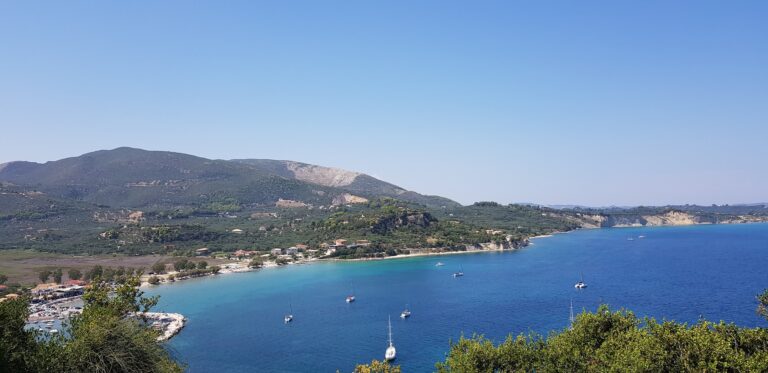
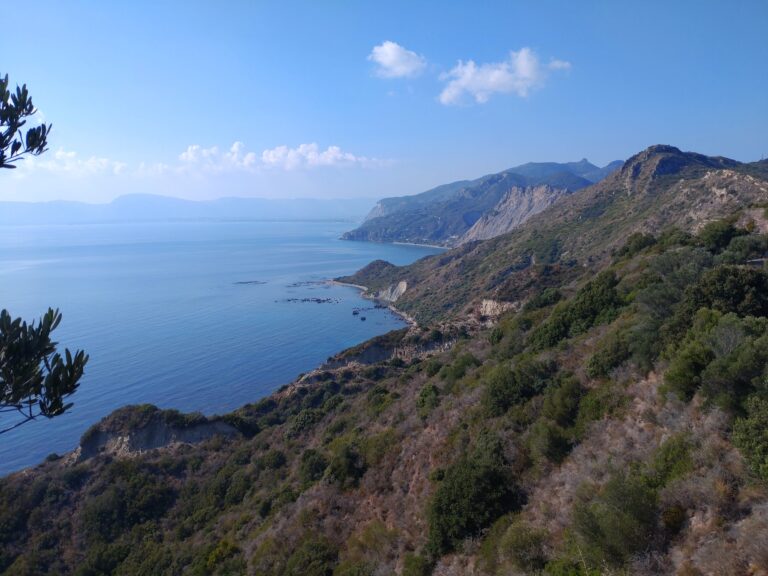
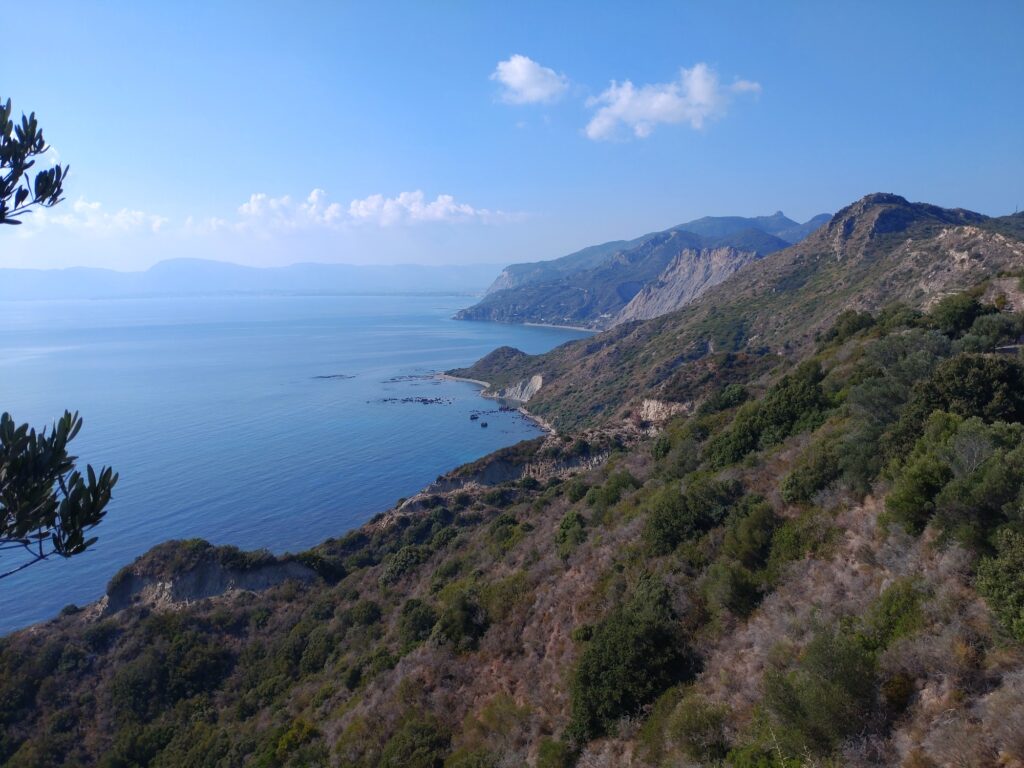
Dafni Beach is one of those six beaches. It sits on the southeastern tip of the Vasilikos Peninsula, approximately 15 kilometres from Zakynthos Town, accessible by a narrow winding road that becomes a dirt track for the final section and that taxis and public buses do not serve. It is Zone A of the marine park — the highest protection level, in which no boats or excursions can enter the bay. The beach after dusk is closed to all visitors. No water sports are permitted. No loud music is permitted. Sunbeds and umbrellas are restricted to positions that avoid the nesting zones, and the nests themselves are marked with wooden protection cages that visitors are required to respect.
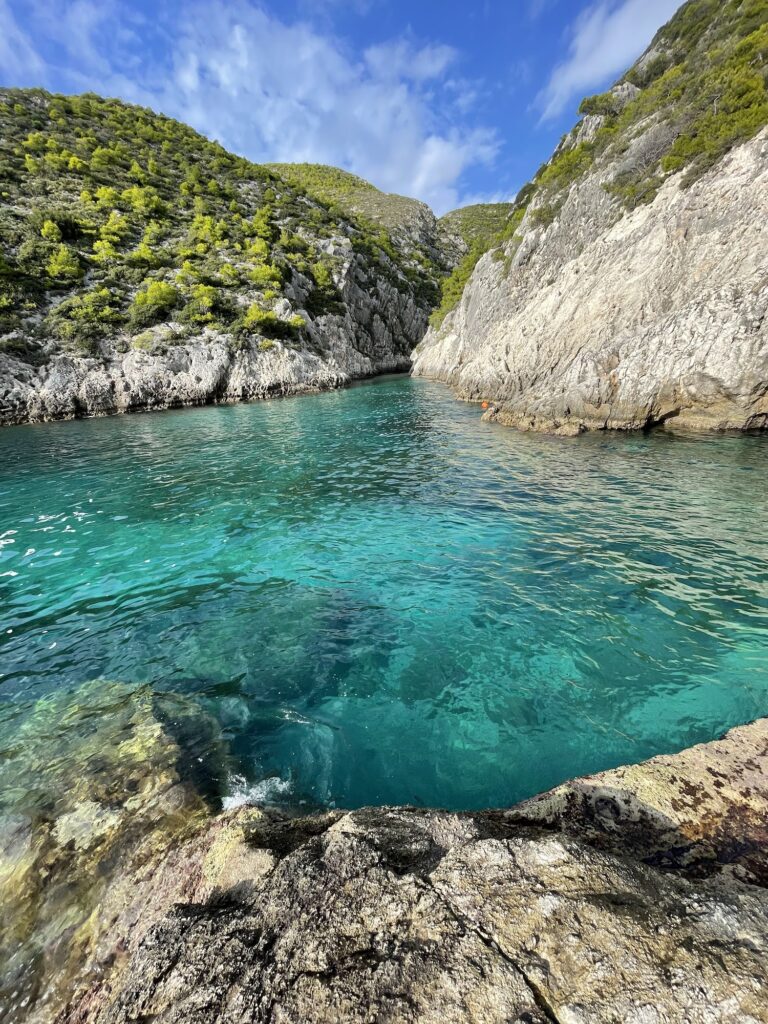
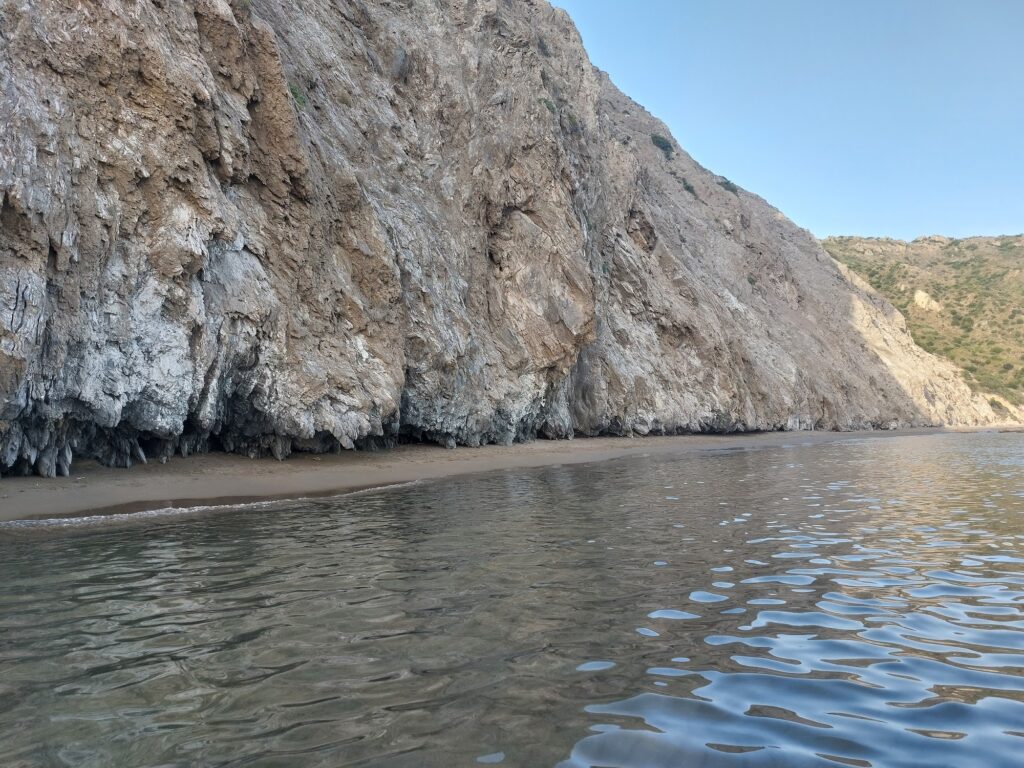
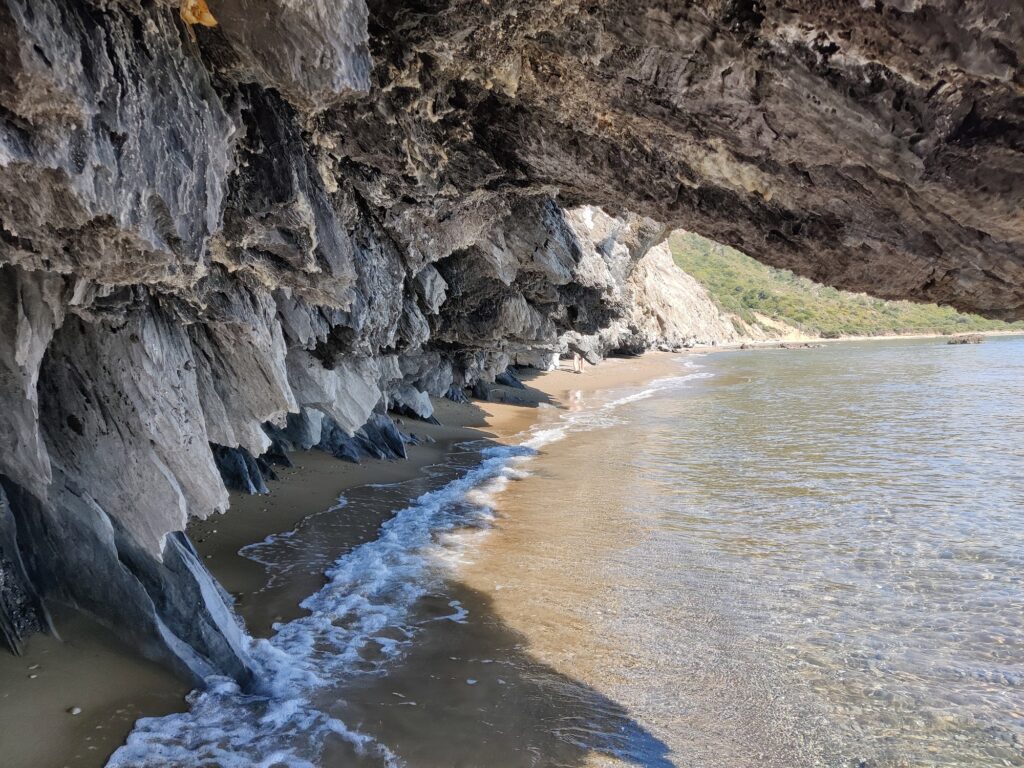
Dafni Beach is the wildest beach of the Vasilikos area and among the less touristy beaches of Zakynthos — many are discouraged by the dirt road that must be taken to reach it. Because boats and excursions cannot enter the Zone A area, visitors can swim undisturbed for hundreds of metres. The shallow waters, clear and warm, are rich in fish and very suitable for couples, families, and lovers of snorkelling and nature.
Getting There: Dirt Road, No Public Bus, Leave the Car at the Top
From Zakynthos Town, the drive to Dafni Beach follows the main road toward the Vasilikos peninsula — approximately 15 kilometres, 25 to 30 minutes in normal conditions. Before reaching the village of Ano Vasilikos, signs direct to Dafni Beach. The road is initially paved and then becomes a narrow dirt track with steep sections for the final 2 to 3 kilometres.
The car park is at the top, and the descent to the beach is on foot — a 10-minute walk down a steep path. Visitor accounts note that the descent with beach equipment is manageable; the climb back in the afternoon sun is less so. Free parking is available but fills quickly in peak season; arriving before 10:30am is the consistent recommendation.
No public buses or taxis run to the beach itself. The nearest taxi point is in Vasilikos village, approximately €10 to €15 from the village to the beach access point by prior arrangement. Arriving by taxi requires a return arrangement, as taxis do not wait at the location.
The Beach: Golden Sand, Large Stones, Warm Shallow Water, Turtle Nest Cages Throughout
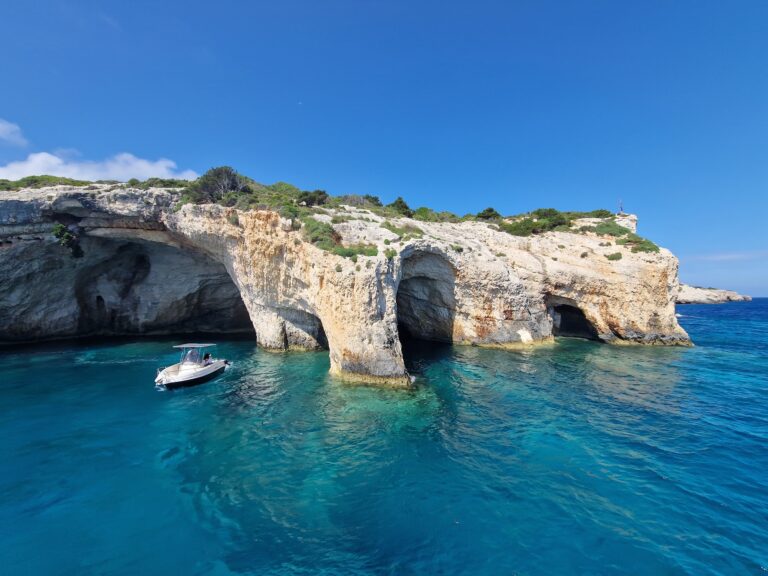
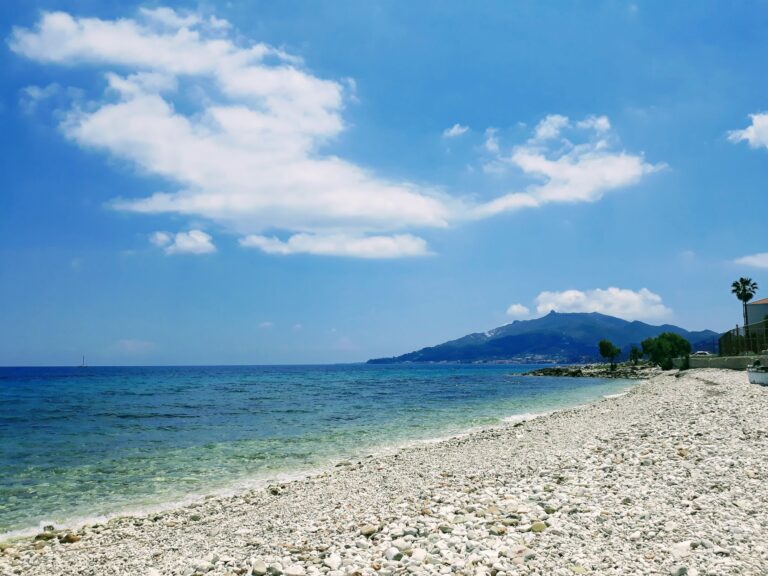
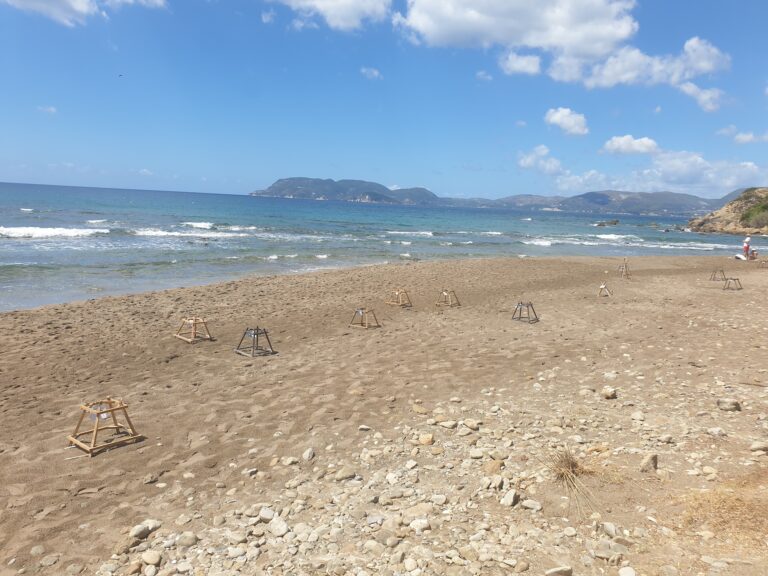
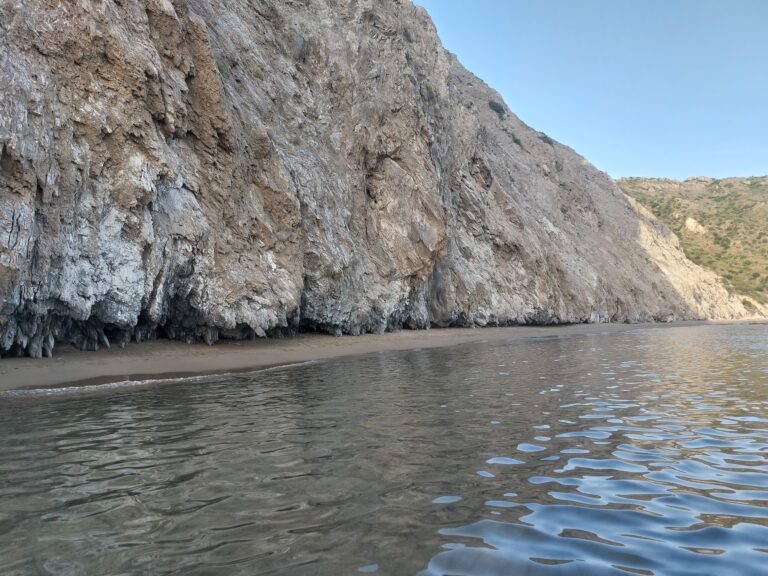
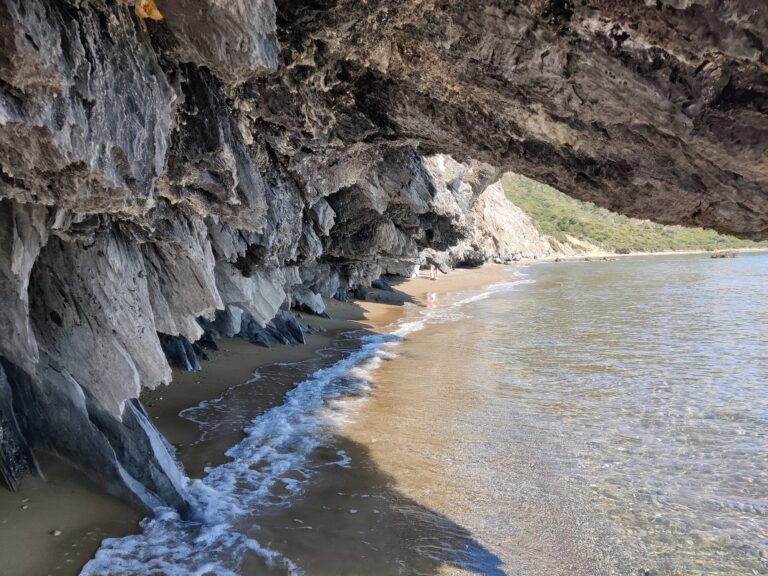
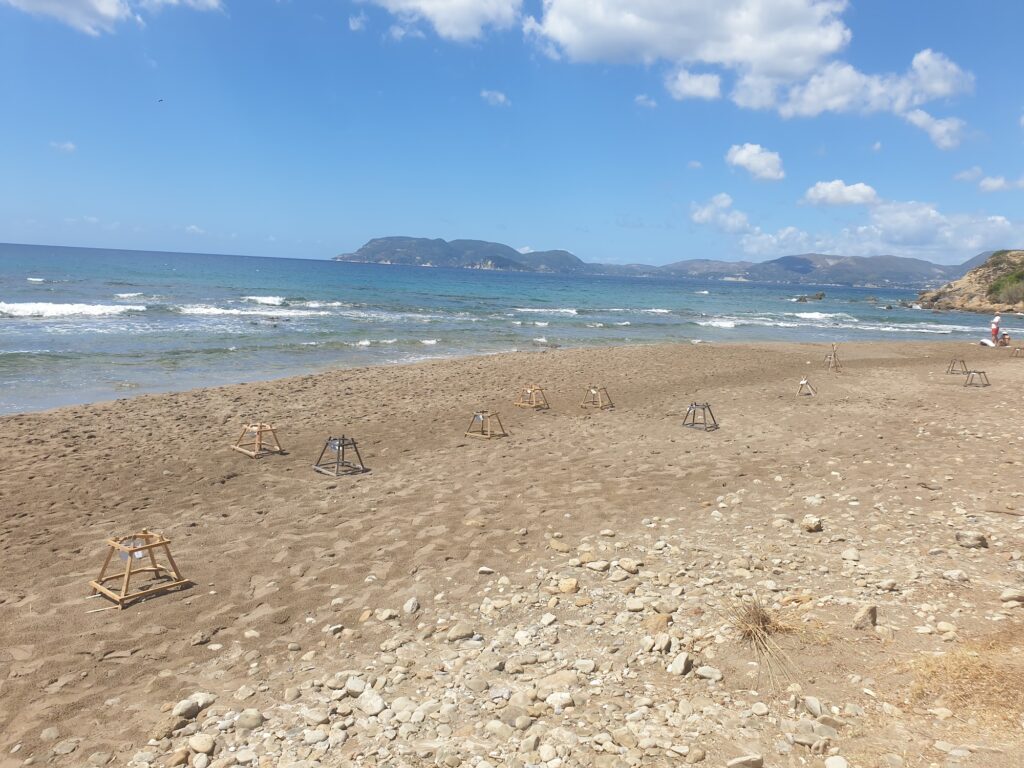
The beach surface is a mix of golden sand and larger stones — not the uniform fine sand of the source article’s description. The beach consists of a mix of large stones and sandy sections. The shallow, warm water is clear and rich in fish. Water shoes are useful for the entry. The gradual seabed slope makes the water accessible and shallow for an extended distance from the shoreline — the specific quality that the Ionian Sea’s typically calm conditions and the bay’s Zone A boat exclusion reinforce.
The turtle nest cages — wooden protection frames placed over each nest by the National Marine Park volunteers — are visible throughout the sand surface during the nesting season. Visitors are required to walk around them rather than over or near them, and the positioning of towels and sunbeds is regulated to maintain a minimum distance from the marked nests. The cages are the physical evidence of the beach’s primary function — which is turtle nesting, not human recreation — and the presence of dozens of them across the sand surface is the specific visual that Dafni presents that no other beach on this list can offer.
The Pelouzo islet is visible offshore — a protected island closed to visitors that serves as a sanctuary for both Caretta caretta and the critically endangered Mediterranean monk seal (Monachus monachus). The islet’s presence offshore completes the ecological picture of the Gulf of Laganas as one of the most significant marine conservation zones in Europe.
The Conservation Tension: Zone A Protections and the Four Contested Tavernas
The source article presents Dafni as a harmonious eco-conscious retreat. The reality is more complicated. Dafni Beach falls within Zone A of the Marine National Park, where animal welfare should take priority. However, four (illegal) tavernas are situated directly on the beach. The owners insist on their land rights, and the restaurants continue to operate despite repeated warnings and fines from the authorities.
The tavernas exist because of a prior land rights dispute that predates the marine park’s 1999 establishment. The light pollution and generator noise that the tavernas produce are specifically identified by conservationists as factors disrupting the turtle nesting and hatchling orientation — hatchlings under natural conditions orient themselves toward natural light sources such as the moon and stars to find their way to the sea. Artificial light from beach bars disrupts their natural compass and draws them in the wrong direction. If they do not reach the sea quickly enough, they dry out or fall victim to cats and birds.
Fewer turtle nests are recorded at Dafni every year.
This is not the experience of a “zero-infrastructure” paradise. It is the experience of one of Europe’s most significant conservation zones in an unresolved conflict between property rights, tourism infrastructure, and ecological protection. A visitor to Dafni is entering that conflict, and the most responsible engagement is to understand it rather than to ignore it — eating at the tavernas if that is the visitor’s choice, but without mistaking their presence for an environmentally endorsed arrangement.
ARCHELON and the Marine Park Volunteers
The National Marine Park of Zakynthos operates with monitoring support from ARCHELON — the Sea Turtle Protection Society of Greece, the non-profit organisation that initiated the park’s founding and which runs the volunteer monitoring programme on the nesting beaches. About 25,000 visitors were informed in the summer of 2022 by ARCHELON about the protection of sea turtles in Zakynthos.
At Dafni and Gerakas, Marine Park volunteers are present at the beach entrance during the season — explaining the rules, providing information about the current nesting season, and counting nests. The volunteer presence is the specific quality that makes the beach experience informative for visitors who engage with it rather than walk past. The Thematic Exhibition Centre of Caretta caretta is located in Dafni village near the beach access road — funded by the European Regional Development Fund and providing the ecological context for the nesting season.
Dafni and the Six Turtle Beaches of Laganas Bay
The six turtle nesting beaches of Laganas Bay — Gerakas, Daphni, Sekania, Kalamaki, East Laganas, and Marathonissi islet — total approximately 5 kilometres in length. Sekania Beach, between Kalamaki and Dafni, was acquired by WWF Greece and is completely closed to the public — the one beach in Vasilikos and the whole island that no visitor can access. Approximately 50% of all turtle nests on Zakynthos are laid there.
Gerakas Beach — immediately adjacent to Dafni and also Zone A — is the more accessible alternative within the same protection zone, with parking closer to the beach and the same turtle nesting significance without the steep dirt road descent. Visitor accounts consistently suggest visiting both on the same day, with the combined programme of marine park volunteer briefing, swimming, snorkelling, and turtle nest observation providing the full ecological experience that the Vasilikos Peninsula enables.
Dafni Beach on Zakynthos is Zone A of the Mediterranean’s most significant loggerhead turtle nesting habitat — golden sand mixed with stones, warm shallow Ionian water with no boats in the bay, nest cages throughout the sand, access prohibited after dusk, a dirt road to get there, no public transport, and four tavernas operating under disputed legal circumstances in a protected area where their artificial light is measurably reducing nesting success.
Drive to Vasilikos. Follow the dirt road to the car park. Walk down.
The turtle nests will be marked in the sand. The water will be warm and still.
What happens at the tavernas in the evening is the conservation problem this beach has not yet resolved.
Map
Sorry, no records were found. Please adjust your search criteria and try again.
Sorry, unable to load the Maps API.
Near by places: